
The Silverstone strategy report makes the hard tyre important. It may help teams control long stints if the race becomes hot or difficult for the front tyres.
The first stint can shape everything
Silverstone often looks like a circuit that rewards pure speed, but the strategy report makes the race more subtle. The fast corners put energy through the tyres in long, repeated loads, and that makes the opening stint less about showing off pace and more about leaving the car usable when the stop window arrives. A driver who attacks too hard early can buy five good laps and pay for them across fifteen.
This is why the hard tyre matters. It gives teams a way to stretch the race without turning every lap into defence. The compound is not glamorous. It can protect a leader from an undercut. It can give a midfield car cleaner air. It can also help a driver starting out of position build a race around traffic instead of panic.
Pole does not remove the tyre question
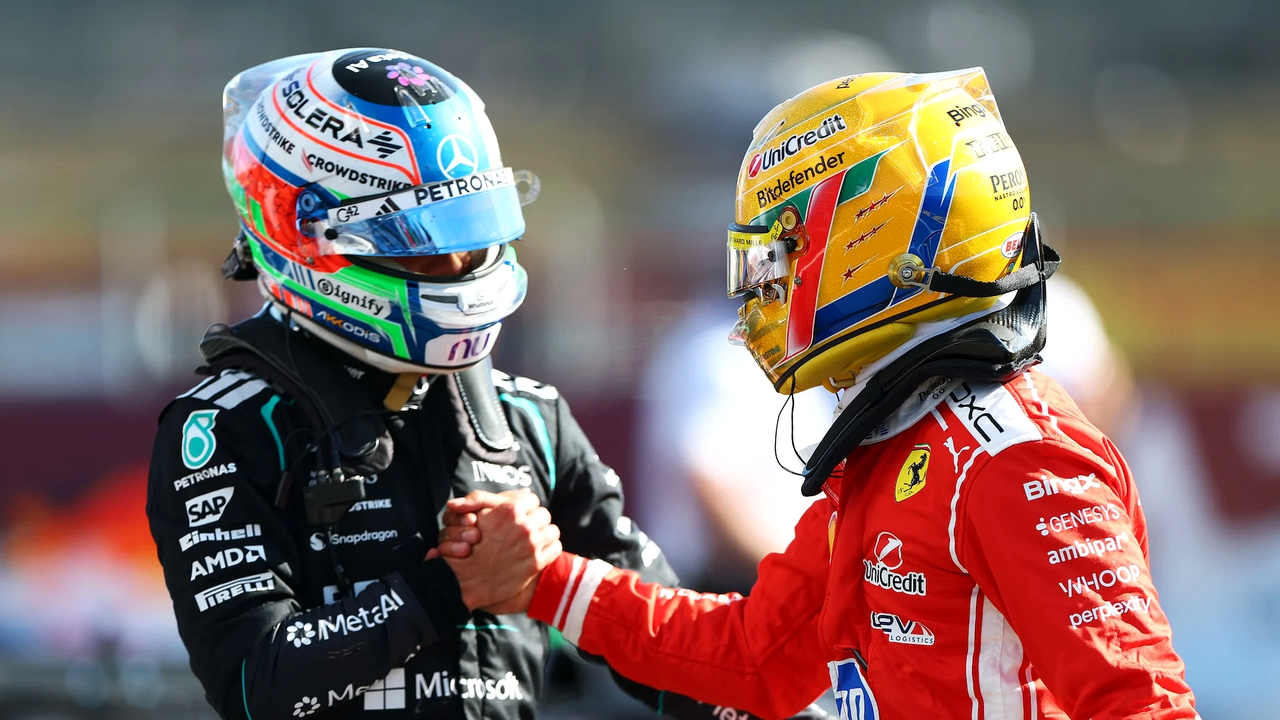
Antonelli’s pole puts Mercedes in the best position, but it does not remove the pit wall from the spotlight. If Ferrari sits inside the undercut range, Mercedes must decide whether track position is worth more than tyre offset. If the race stays green and the front cars are close, the first stop could decide which team controls the final third.
That is where the hard compound becomes more than a safe choice. Starting or switching to it at the right time can turn the middle stint into a shield. Use it too early and the driver may lack attack at the end. Wait too long and another team may have already used the undercut to change the race.
| Key point | Reading |
|---|---|
| Strategic theme | Tyre energy through Silverstone’s fast corners shapes the race. |
| Hard tyre role | The compound can protect track position or create a longer offset. |
| Main trigger | The undercut range around Ferrari and Mercedes will decide early calls. |
| Best approach | Keep options open rather than committing to a single stopwatch reading. |
McLaren and Red Bull need flexibility
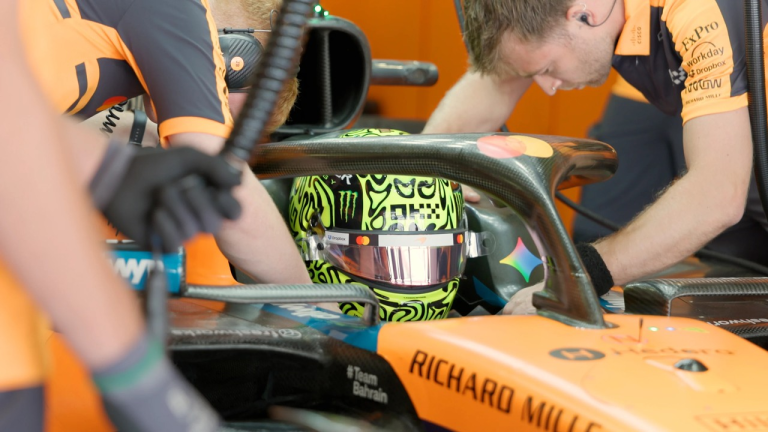
McLaren’s weekend has not been as clean as it wanted, so strategy may be the team’s best path back into a stronger result. A car that starts slightly out of position at Silverstone needs either tyre offset or clean air. Running the same race as the cars ahead can leave it staring at the rear wing of a slower but better-positioned rival.
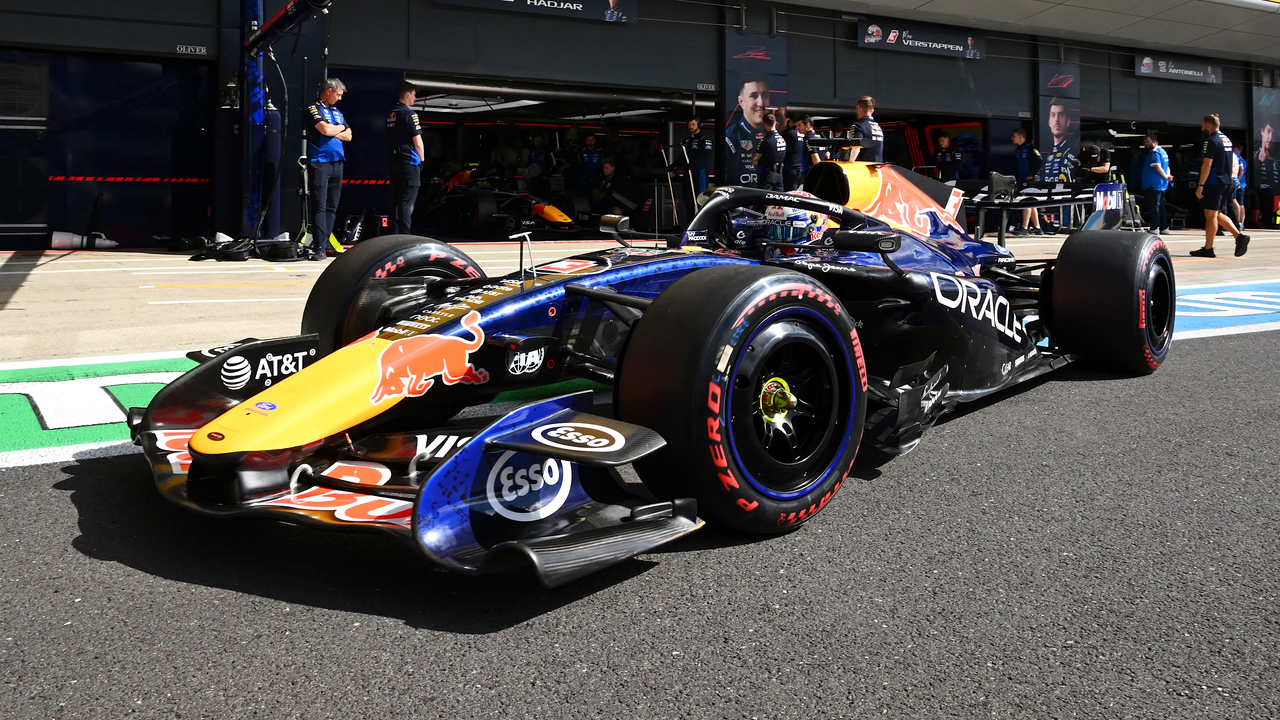
Red Bull faces a similar problem from a different angle. If Max Verstappen does not have the pace to pass on track, the hard tyre can create a longer game. If he does have early speed, the team must decide whether to attack before the first stop or keep something for the final stint. Both choices require confidence in degradation numbers rather than instinct.
Why conservative can still be aggressive
A conservative-looking strategy can be aggressive if it forces rivals to blink. Staying out longer on a stable tyre can make a chasing car burn rubber in dirty air. Pitting early can turn fresh grip into track position before the leader has a chance to react. The same compound can serve different purposes depending on who controls the air.
This is why Silverstone’s race may be decided by restraint. The driver who keeps the tyres alive without surrendering time will own the widest set of options. The team that treats the hard tyre as only a fallback may miss the chance to use it as a weapon.
The hard compound can become the race’s quiet weapon
The hard tyre is easy to describe as the conservative option, but at Silverstone it can also be the compound that gives a team freedom. If degradation on the medium or soft becomes sharper than expected, a driver who reaches the hard window with clean air can stop reacting to the field and start building a race around consistency.
This does not mean every team should run toward it early. The hard compound needs temperature and rhythm, and a poorly timed stop can leave a driver vulnerable on the out-lap. The important question is not whether the tyre is safe. It is whether the car has enough balance through the high-speed sections to make the hard tyre useful before the stint is half gone.
This is where the leaders face different risks. Antonelli and Ferrari may want track position, while cars behind them might prefer a longer view that creates an offset. A midfield runner with clear air could make the strategy report look smarter than a frontrunner trapped in defensive traffic, especially if the race settles without interruptions.
Silverstone often turns tyre choices into small judgement calls rather than obvious gambles. The best teams will not simply pick the compound that survives longest. They will pick the moment when the next tyre lets the driver attack exits, defend DRS zones and avoid being dragged into a stop that only copies the rival ahead.
No Comments