
Από το Osterreichring στον Spielberg: Γιατί το Red Bull Ring παραμένει ένας από τους πιο εντυπωσιακούς χώρους διεξαγωγής της F1
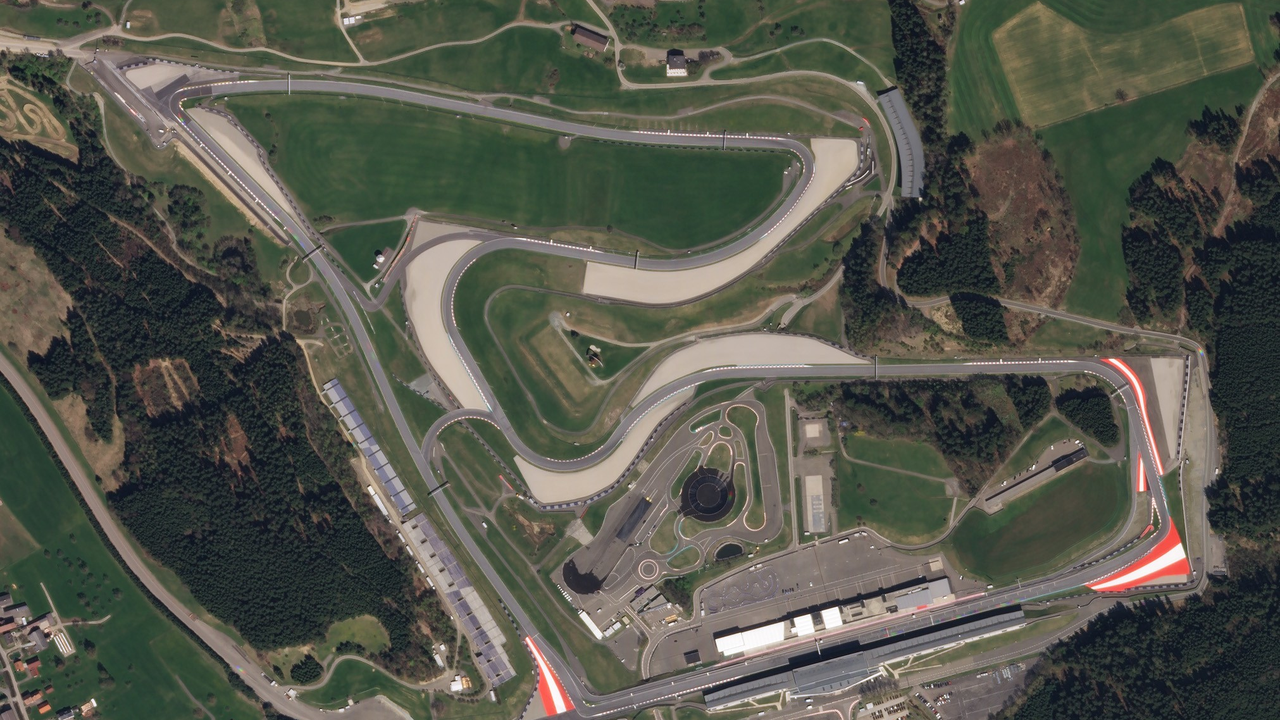
Φωλιασμένο στους λόφους της Στυρίας σε υψόμετρο περίπου 700 μέτρων πάνω από την επιφάνεια της θάλασσας, το Red Bull Ring στο Σπίλμπεργκ είναι παραπλανητικό.
Ο χρόνος γύρου του μόλις που ξεπερνά το όριο του ενός λεπτού, ο αριθμός γύρων του είναι από τους υψηλότερους στο ημερολόγιο και το κυματιστό προφίλ του κρύβει μερικά από τα πιο απαιτητικά φρεναρίσματα στο άθλημα.
Είναι συμπαγές, άγριο και βαθιά ιστορικό — ένας χώρος που έχει φιλοξενήσει αγώνες Grand Prix σε πολλές εποχές και συνεχίζει να προκαλεί δράμα τροχό με τροχό που οι μεγαλύτερες πίστες μπορούν μόνο να ζηλέψουν.
Με το Αυστριακό Γκραν Πρι του 2026 να έχει προγραμματιστεί για τις 25-28 Ιουνίου στο Σπίλμπεργκ, η Formula 1 φτάνει σε αυτόν τον κλασικό αγώνα υπό εντελώς νέους τεχνικούς κανονισμούς, με μια πρόσφατα αναδιαμορφωμένη σειρά αγώνων και ένα πρωτάθλημα που κάθε άλλο παρά οριστικοποιημένο είναι.
Ο Κίμι Αντονέλι προηγείται για τη Mercedes με 156 βαθμούς, ενώ ο Λιούις Χάμιλτον της Ferrari βρίσκεται 41 βαθμούς πίσω στη δεύτερη θέση. Η ίδια η πίστα, ωστόσο, παραμένει όπως ήταν πάντα: αδυσώπητη, εντυπωσιακή και εντελώς μοναδική.
Μια Ιστορία Γραμμένη στην Άσφαλτο: Από το Osterreichring στο Βασίλειο του Red Bull
Το Αυστριακό Γκραν Πρι έχει υπάρξει σε πολλά ξεχωριστά κεφάλαια, καθένα από τα οποία ορίζεται από μια διαφορετική ενσάρκωση του ίδιου κομματιού της Στυρίας. Το αρχικό Osterreichring, που άνοιξε το 1969, ήταν μια σαρωτική, υψηλής ταχύτητας άσφαλτος σκαλισμένη στις δασώδεις πλαγιές πάνω από το Zeltweg.
Θεωρούνταν από τους οδηγούς της εποχής του ως μία από τις πιο όμορφες και πιο επικίνδυνες πίστες στον κόσμο — γρήγορες, ρέουσες στροφές με ελάχιστη απορροή και υψόμετρο που προκαλούσε χάος με τους ατμοσφαιρικούς κινητήρες.
Το Osterreichring φιλοξένησε γκραν πρι από το 1970 έως το 1987, δημιουργώντας αξέχαστες στιγμές, όπως η νίκη του Νίκι Λάουντα εντός έδρας το 1984 και πολυάριθμα περιστατικά που υπογράμμισαν την επισφαλή σχέση της εποχής μεταξύ ταχύτητας και ασφάλειας.
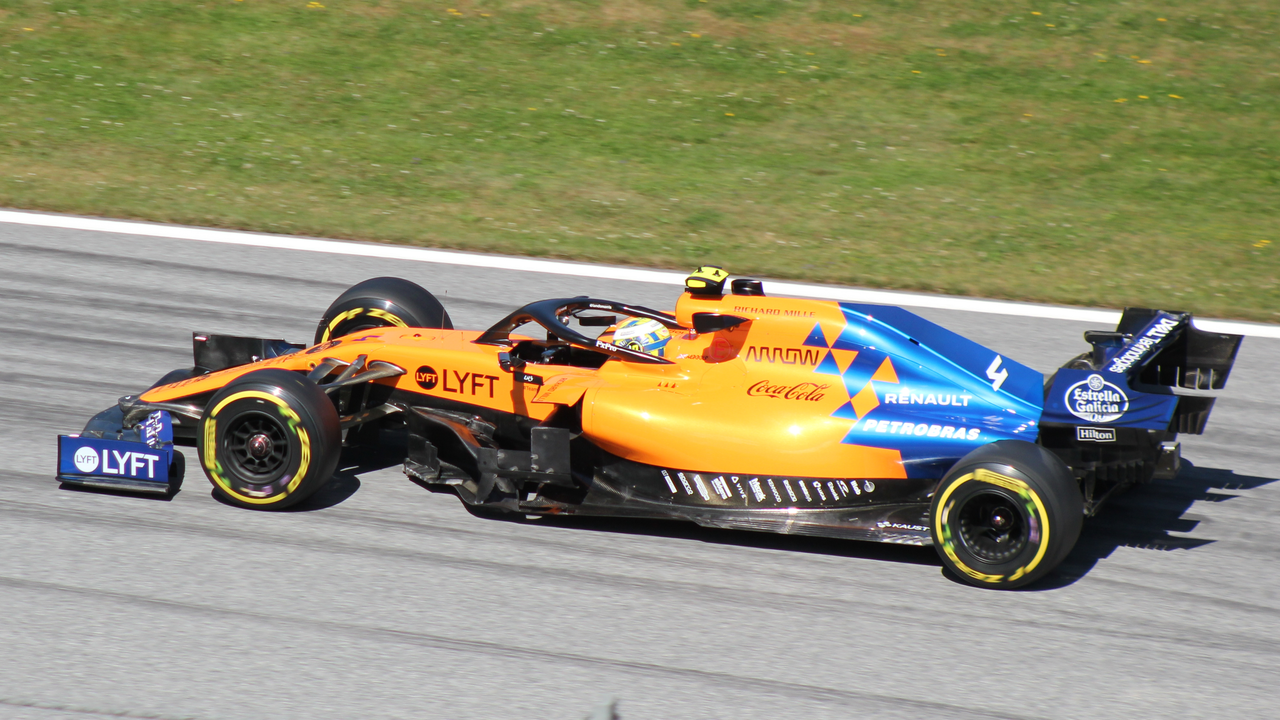
Ο χώρος αφαιρέθηκε από το ημερολόγιο καθώς εξελίχθηκαν τα πρότυπα ασφαλείας του αθλήματος και η πίστα υπέστη ριζικό επανασχεδιασμό τη δεκαετία του 1990.
Η προκύπτουσα πίστα A1 Ring, η οποία φιλοξένησε Γκραν Πρι μεταξύ 1997 και 2003, είχε μια μικρότερη, πιο σφιχτή διάταξη που διατήρησε μέρος του υψομετρικού δράματος, αλλά θυσίασε μεγάλο μέρος του σαρωτικού χαρακτήρα του αρχικού.
Η εταιρεία Red Bull του Ντίτριχ Μάτεσιτζ αγόρασε την πίστα, χρηματοδοτώντας μια ολοκληρωμένη ανακατασκευή που άνοιξε ξανά ως Red Bull Ring το 2011.
Η πίστα διατηρεί το γενικό αποτύπωμα της πίστας A1 Ring, αλλά με φαρδύτερη άσφαλτο, εκσυγχρονισμένες μπαριέρες, εκτεταμένη απορροή από χαλίκι και άσφαλτο, καθώς και αναβαθμισμένες εγκαταστάσεις στα pit.
Η Αυστρία επέστρεψε στο ημερολόγιο της Formula 1 το 2014 και έκτοτε παραμένει σταθερή, συμμετέχοντας συχνά δύο φορές την ίδια σεζόν τόσο στο Grand Prix της Στυρίας όσο και στο Grand Prix της Αυστρίας σε χρονιές που επλήγησαν από την πανδημία.
Η Διάταξη: Σύντομη, Κοφτερή και Βάναυσα Επιλεκτική
Το Red Bull Ring έχει μήκος μόλις 4.318 χιλιόμετρα, καθιστώντας το ένα από τα συντομότερα μόνιμα σιρκουί στο ημερολόγιο της Formula 1.
Ένας τυπικός αγώνας διαρκεί 71 γύρους — περισσότερους από σχεδόν οποιαδήποτε άλλη διαδρομή — γεγονός που θέτει μοναδικές απαιτήσεις σε ελαστικά, φρένα και στρατηγική καυσίμων. Ο ίδιος ο γύρος χαρακτηρίζεται από μεγάλα, σχετικά απλά τμήματα που διακόπτονται από έναν μικρό αριθμό πραγματικά κρίσιμων στροφών.
Η πίστα ρέει σε γενικές γραμμές δεξιόστροφα από την ευθεία εκκίνησης-τερματισμού, ανεβαίνοντας αμέσως στη Στροφή 1, την Καμπύλη Castrol Edge. Αυτή η μακριά, σαρωτική δεξιά στροφή πραγματοποιείται με υψηλή ταχύτητα στα σύγχρονα μηχανήματα της Formula 1 και θέτει τον τόνο για την επιθετική ανηφορική φύση του γύρου.
Από εκεί, η πίστα διασχίζει έναν σύντομο μεσαίο τομέα πριν η διάσημη μεγάλη πίσω ευθεία οδηγήσει στη στροφή 3, την Remus Kurve, η οποία είναι το κύριο σημείο προσπεράσεων της πίστας και το σημείο μερικών από τις πιο αξιομνημόνευτες προσπεράσεις στη σύγχρονη ιστορία.
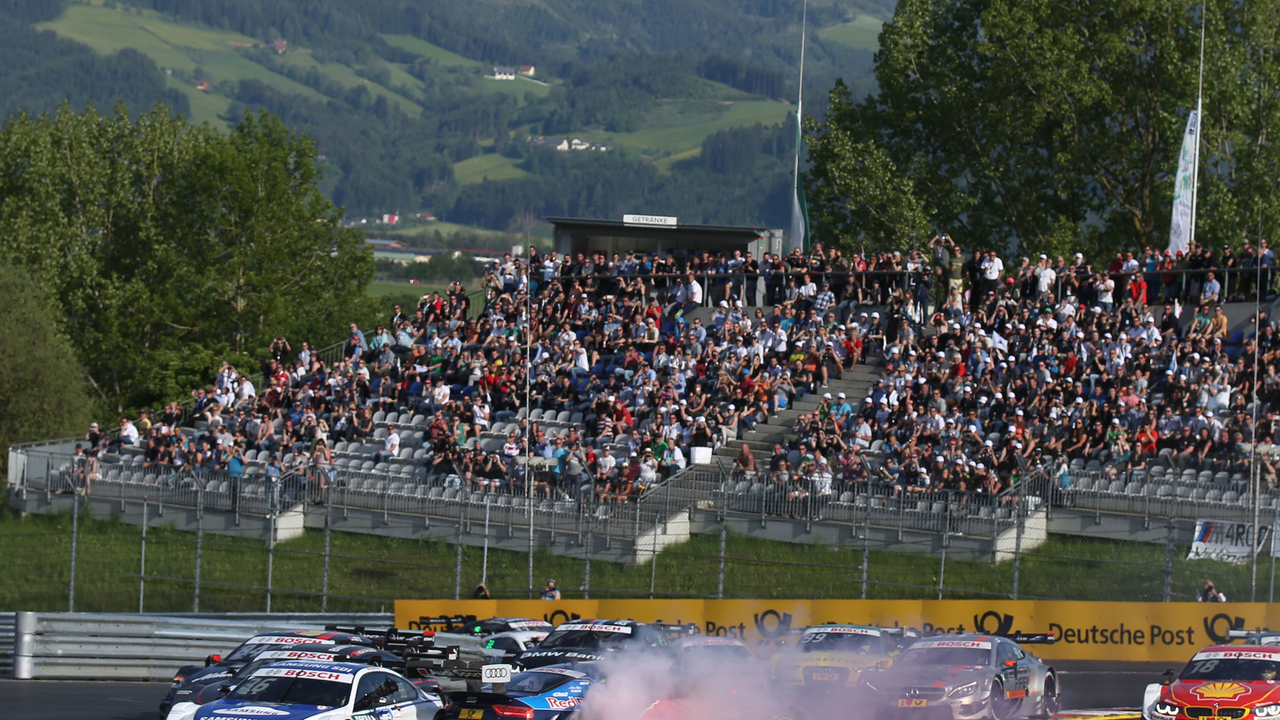
Ο τελευταίος τομέας φέρνει την πίστα πίσω στην κατηφόρα μέσα από μια σειρά στροφών μεσαίας ταχύτητας, συμπεριλαμβανομένης της Rindt Kurve και της τελευταίας Rauch Kurve, προτού οι οδηγοί επιταχύνουν στην ευθεία των pit.
Παρά τη συντομία της, η πίστα δεν είναι ποτέ βαρετή — ο συνδυασμός των μεγάλων ευθειών και των ζωνών με έντονο φρενάρισμα σημαίνει ότι τα λάθη τιμωρούνται αμέσως, και οι μάχες για τη θέση στην πίστα συχνά κρίνονται σε λίγες μόνο στροφές.
Υψόμετρο και οι Επιπτώσεις του: Η Φυσική των Στυριανών Λόφων
Ένα από τα καθοριστικά χαρακτηριστικά του Red Bull Ring είναι η έντονη υψομετρική αλλαγή. Η πίστα ανεβαίνει και κατεβαίνει κατά περίπου 65 μέτρα σε όλο το μικρό της μήκος, δημιουργώντας μια κλίση που επηρεάζει σχεδόν κάθε πτυχή της συμπεριφοράς ενός αυτοκινήτου.
Ο εναρκτήριος τομέας ανηφορίζει απότομα από τη γραμμή εκκίνησης-τερματισμού, πράγμα που σημαίνει ότι τα αυτοκίνητα φτάνουν στη Στροφή 1 ήδη ανηφορικά — ένας παράγοντας που συμπιέζει τις αποστάσεις φρεναρίσματος και επιβαρύνει τον μπροστινό άξονα διαφορετικά από ό,τι θα έκανε μια επίπεδη προσέγγιση.
Η κατάβαση από το πίσω τμήμα της πίστας είναι εξίσου σημαντική. Καθώς τα αυτοκίνητα κατηφορίζουν προς την τελική ακολουθία του σικέιν, η αεροδυναμική κάθετη δύναμη λειτουργεί σε συνδυασμό με τη βαρύτητα, αυξάνοντας τα αποτελεσματικά φορτία στις στροφές, αλλά απαιτώντας επίσης εξαιρετική διαχείριση της ψύξης των φρένων.
Οι ομάδες που δεν λαμβάνουν υπόψη την επίδραση του υψομέτρου στις θερμοκρασίες των φρένων — ο αέρας είναι αραιότερος στα 700 μέτρα, μειώνοντας την απόδοση ψύξης — μπορεί να αντιμετωπίσουν σοβαρά προβλήματα αξιοπιστίας σε έναν αγώνα 71 γύρων.
Το υψόμετρο έχει επίσης ιστορική απήχηση στα τμήματα κινητήρων. Στην εποχή του turbo-hybrid, η μειωμένη πυκνότητα αέρα επηρεάζει την αναπνοή της μονάδας ισχύος και την απόδοση του intercooler.
Σύμφωνα με τους ολοκαίνουργιους κανονισμούς για τις μονάδες ισχύος του 2026, οι οποίοι έφεραν την Audi στο άθλημα ως εργοστασιακή ομάδα παράλληλα με τους καταξιωμένους κατασκευαστές, οι προκλήσεις θερμικής διαχείρισης στο Spielberg θα είναι από τις πρώτες ουσιαστικές δοκιμές για το πώς η νέα υβριδική αρχιτεκτονική αντιμετωπίζει το υψόμετρο σε αγωνιστική απόσταση.


Χωρίς σχόλια