
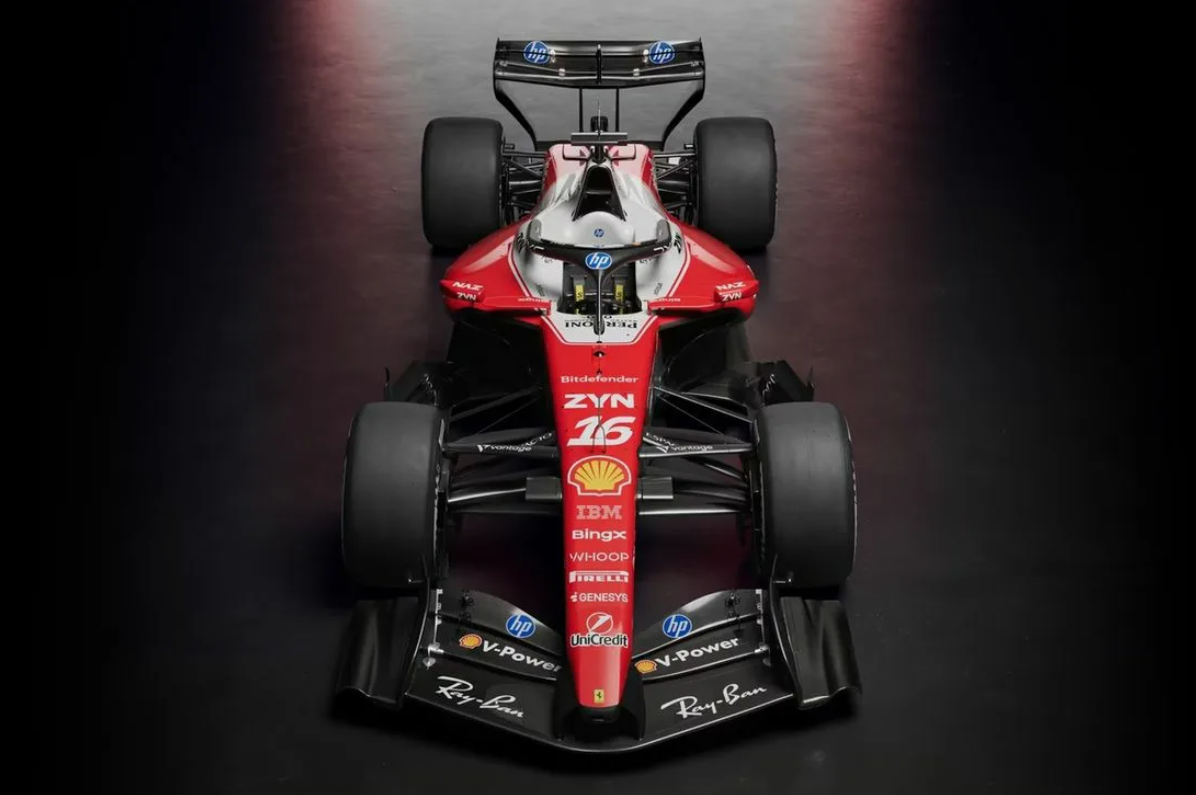
Το όραμα μηδενικών εκπομπών της Formula 1
Πριν από αρκετά χρόνια, η Formula 1 ανακοίνωσε έναν ολοκληρωμένο οδικό χάρτη βιωσιμότητας που σχεδιάστηκε για να μεταμορφώσει τον τρόπο λειτουργίας του πρωταθλήματος. Αντί να επικεντρώνεται αποκλειστικά στα αυτοκίνητα, η πρωτοβουλία καλύπτει κάθε πτυχή της επιχείρησης.- Επίτευξη μηδενικών καθαρών εκπομπών έως το 2030.
- Μείωση των απόλυτων εκπομπών κατά τουλάχιστον 50%.
- Επενδύστε σε λύσεις για τις αναπόφευκτες εκπομπές.
- Διατήρηση ανταγωνιστικών επιδόσεων και παγκόσμιας ανάπτυξης.
- Προώθηση της καινοτομίας που ωφελεί την ευρύτερη αυτοκινητοβιομηχανία.
Όπου η Formula 1 παράγει τις περισσότερες εκπομπές ρύπων
Σε αντίθεση με ό,τι πιστεύεται ευρέως, τα ίδια τα αυτοκίνητα της Formula 1 αντιπροσωπεύουν μόνο ένα σχετικά μικρό ποσοστό του συνολικού περιβαλλοντικού αντίκτυπου του αθλήματος. Η πλειονότητα των εκπομπών προέρχεται από δραστηριότητες υλικοτεχνικής υποστήριξης και λειτουργίας που υποστηρίζουν την παγκόσμια παρουσία του πρωταθλήματος.- Διεθνείς μεταφορές εμπορευμάτων και logistics.
- Ταξίδια για ομάδες και προσωπικό.
- Λειτουργία εργοστασίου και κεντρικών γραφείων.
- Δραστηριότητες παραγωγής ραδιοτηλεοπτικών εκπομπών.
- Υποδομές αγώνων.
- Φιλοξενία και υπηρεσίες επισκεπτών.
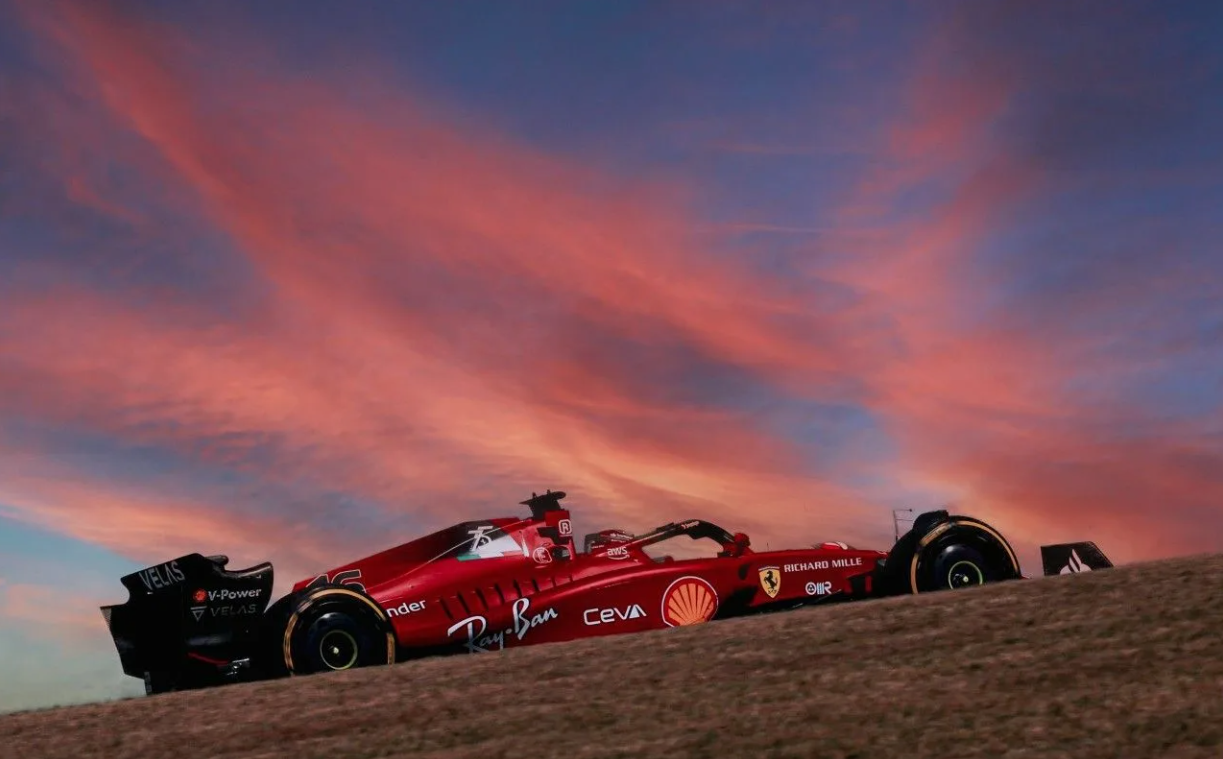
Η Πρόοδος της Βιωσιμότητας με μια Ματιά
| Κατηγορία | Βασικό όριο 2018 | Τρέχοντα Αποτελέσματα |
|---|---|---|
| Συνολική Μείωση Άνθρακα | 0% | 35% |
| Μείωση σε σύγκριση με το προηγούμενο έτος | - | 12% |
| Απομάκρυνση άνθρακα από το 2018 | 0 tCO₂e | Σχεδόν 80,000 tCO₂e |
| Στόχος Μηδενικού Καθαρού Ισχύος | Δεν έχει καθιερωθεί | 2030 |
| Ελάχιστος στόχος μείωσης | - | 50% |
Η εφοδιαστική παραμένει η μεγαλύτερη πρόκληση
Η μεταφορά της Formula 1 σε όλο τον κόσμο απαιτεί τη μεταφορά αγωνιστικών αυτοκινήτων, ανταλλακτικών, μονάδων φιλοξενίας, εξοπλισμού μετάδοσης και εκατοντάδων προσωπικού. Ως αποτέλεσμα, η εφοδιαστική αποτελεί ιστορικά μία από τις μεγαλύτερες πηγές εκπομπών του πρωταθλήματος. Για να αντιμετωπίσει αυτό το ζήτημα, η Formula 1 έχει εφαρμόσει αρκετές σημαντικές αλλαγές που έχουν σχεδιαστεί για τη βελτίωση της αποδοτικότητας, μειώνοντας παράλληλα τις περιβαλλοντικές επιπτώσεις.- Μεγαλύτερη χρήση θαλάσσιων μεταφορών.
- Ανάπτυξη περιφερειακών κόμβων logistics.
- Βελτιωμένα συστήματα σχεδιασμού φορτίου.
- Πιο αποτελεσματικά εμπορευματοκιβώτια μεταφοράς.
- Επέκταση της βιώσιμης χρήσης καυσίμων.
Η αυξανόμενη σημασία των βιώσιμων καυσίμων αεροπορίας
Επειδή η Formula 1 διοργανώνει αγώνες σε πολλές ηπείρους, οι αερομεταφορές παραμένουν αναπόφευκτες. Για να μειωθεί ο αντίκτυπός τους, το πρωτάθλημα έχει αυξήσει τη χρήση βιώσιμων αεροπορικών καυσίμων, που συχνά αναφέρονται ως SAF. Τα SAF μπορούν να μειώσουν σημαντικά τις εκπομπές του κύκλου ζωής σε σύγκριση με τα συμβατικά καύσιμα αεριωθούμενων, ενώ παράλληλα παραμένουν συμβατά με τα υπάρχοντα συστήματα αεροσκαφών. Η αυξανόμενη διαθεσιμότητα αυτών των καυσίμων αναμένεται να διαδραματίσει σημαντικό ρόλο στην επίτευξη των μακροπρόθεσμων περιβαλλοντικών δεσμεύσεών της από τη Formula 1.Τα εργοστάσια και οι εγκαταστάσεις των ομάδων γίνονται πιο αποδοτικά
Οι περιβαλλοντικές βελτιώσεις εκτείνονται πολύ πέρα από τα Σαββατοκύριακα των αγώνων. Οι ομάδες σε όλο το paddock έχουν εισαγάγει προγράμματα που στοχεύουν στη μείωση των εκπομπών από τις καθημερινές τους δραστηριότητες.- Μετάβαση σε ανανεώσιμες πηγές ηλεκτρικής ενέργειας.
- Αναβάθμιση ενεργειακών συστημάτων.
- Μείωση της παραγωγής αποβλήτων.
- Παρακολούθηση της κατανάλωσης ενέργειας μέσω προηγμένων αναλυτικών στοιχείων.
- Ενθάρρυνση βιώσιμων επιλογών μετακίνησης.
Βιώσιμα Καύσιμα και το Μέλλον των Αγώνων
Μία από τις πιο συναρπαστικές πτυχές του προγράμματος βιωσιμότητας της Formula 1 περιλαμβάνει την ανάπτυξη προηγμένων βιώσιμων καυσίμων για μελλοντικές μονάδες ισχύος. Αυτά τα καύσιμα στοχεύουν στη διατήρηση του ενθουσιασμού και της απόδοσης που σχετίζονται με τον μηχανοκίνητο αθλητισμό, μειώνοντας παράλληλα τις εκπομπές ρύπων κατά τον κύκλο ζωής των μονοθεσίων.- Υποστηρίξτε τον ανταγωνισμό υψηλών επιδόσεων.
- Χαμηλότερο συνολικό περιβαλλοντικό αντίκτυπο.
- Παραμείνετε συμβατοί με τις σύγχρονες τεχνολογίες κινητήρων.
- Παροχή πολύτιμων καινοτομιών για τα αυτοκίνητα δρόμου.
- Βοηθήστε στην επιτάχυνση των ευρύτερων εξελίξεων στην αυτοκινητοβιομηχανία.
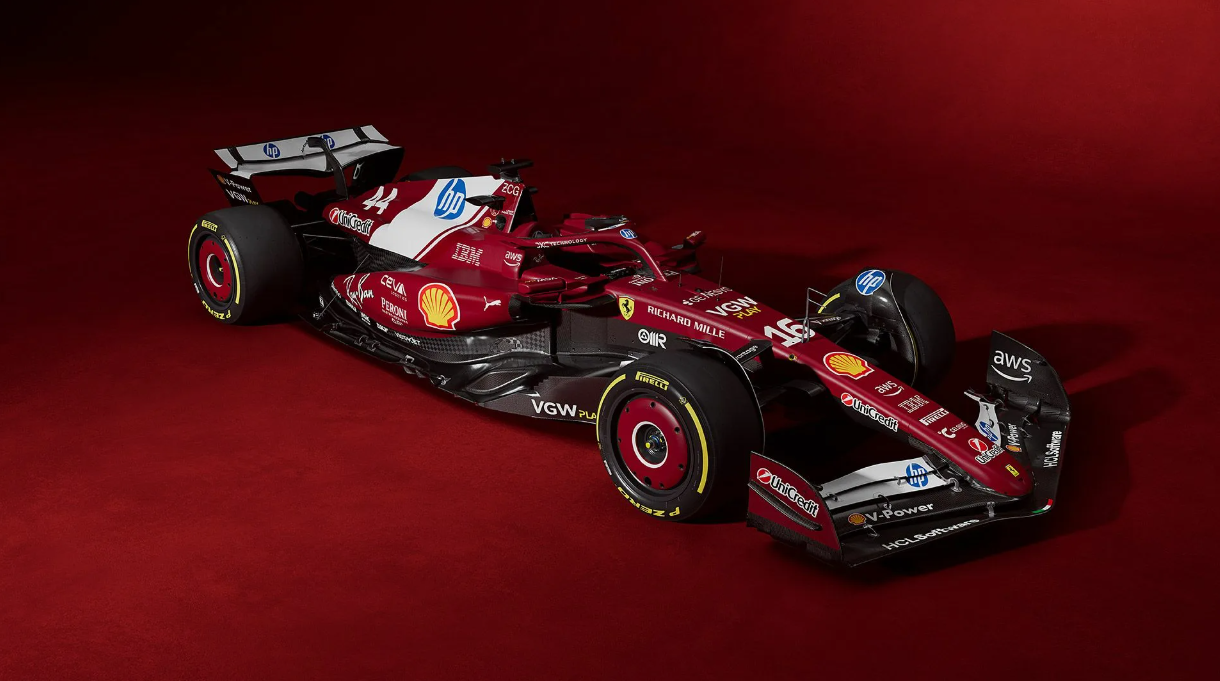
Μπορεί η Formula 1 να φτάσει στο μηδέν μέχρι το 2030;
Ενώ η αναφερόμενη μείωση κατά 35% είναι ενθαρρυντική, απομένει σημαντική δουλειά. Το πρωτάθλημα συνεχίζει να λειτουργεί σε παγκόσμια κλίμακα και αντιμετωπίζει συνεχείς προκλήσεις που σχετίζονται με τις απαιτήσεις μετακίνησης, τη διαθεσιμότητα καυσίμων και την εμπορική ανάπτυξη. Αρκετοί παράγοντες θα επηρεάσουν το κατά πόσον η Formula 1 μπορεί να επιτύχει τον στόχο της εντός του προγραμματισμένου χρονοδιαγράμματος.- Συνεχείς επενδύσεις σε βιώσιμες τεχνολογίες.
- Περαιτέρω βελτιώσεις στην αποδοτικότητα των εμπορευματικών μεταφορών.
- Επέκταση λύσεων ανανεώσιμων πηγών ενέργειας.
- Ισχυρή συνεργασία μεταξύ των ενδιαφερόμενων μερών.
- Οικονομικά αποδοτική εφαρμογή περιβαλλοντικών πρωτοβουλιών.


Χωρίς σχόλια