
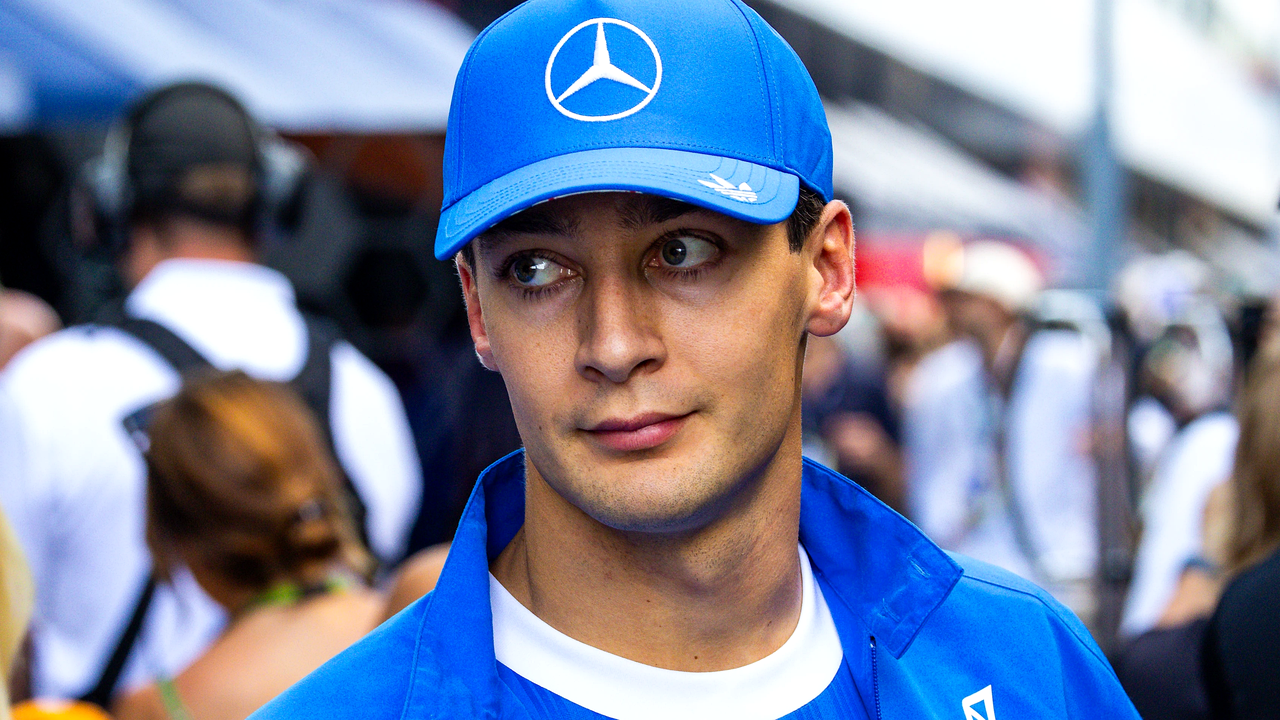
George Russell starts fourth at Silverstone. The position is useful, but Mercedes still need to understand why their race pace has not looked fully clear.
The team result is strong, but not clean
A pole and fourth place at Silverstone would usually look like a comfortable Mercedes Saturday. Russell’s reaction makes it more complicated. If one car produces the lap of the session and the other driver is left wondering where the speed went, the team cannot simply celebrate the platform and move on. It has to understand why the same machinery produced such different confidence.
That question matters before the race because Russell is not an outside example. He knows Silverstone, he knows the Mercedes operating window, and he has usually been one of the team’s most reliable measuring tools. When he says the deficit does not make sense, it is not a throwaway complaint from a driver who missed a corner. It is a warning about repeatability.
Fourth place still has value
The useful part for Mercedes is that Russell is not buried in traffic. Fourth keeps him inside the lead conversation and close enough to protect Antonelli if Ferrari tries to divide the race. The problem is that he starts behind both Ferrari pressure points, so his first job may be defensive support rather than direct attack.
That can still help the team. If Russell keeps Hamilton behind or forces Ferrari to think twice about an early undercut, Antonelli’s pole becomes easier to convert. But if Russell spends the first stint looking after his own balance problems, Mercedes could lose the two-car advantage just when Ferrari is trying to create one.
| Key point | Reading |
|---|---|
| Starting place | Russell lines up fourth for his home Grand Prix. |
| Team contrast | Antonelli found pole while Russell was left searching for the deficit. |
| Strategic effect | Russell’s pace will decide how much Mercedes can protect the lead car. |
| Race demand | Turn a confusing Saturday into a stable first stint. |
Why the deficit changes strategy
A confident Russell would give Mercedes a simple second lever: run longer, cover Ferrari, or attack if Antonelli is threatened. A puzzled Russell is different. The team has to decide whether his car will improve on heavier fuel or whether the qualifying discomfort will carry into the race. That uncertainty changes the way pit timing is read.
Silverstone can punish hesitant strategy. If Mercedes waits for perfect information, Ferrari may seize the undercut. If it reacts too early, Antonelli may be dragged into a race he did not need to fight. Russell’s pace therefore becomes more than his own result. It becomes a gauge for how brave Mercedes can be with the lead car.
The home race can still turn
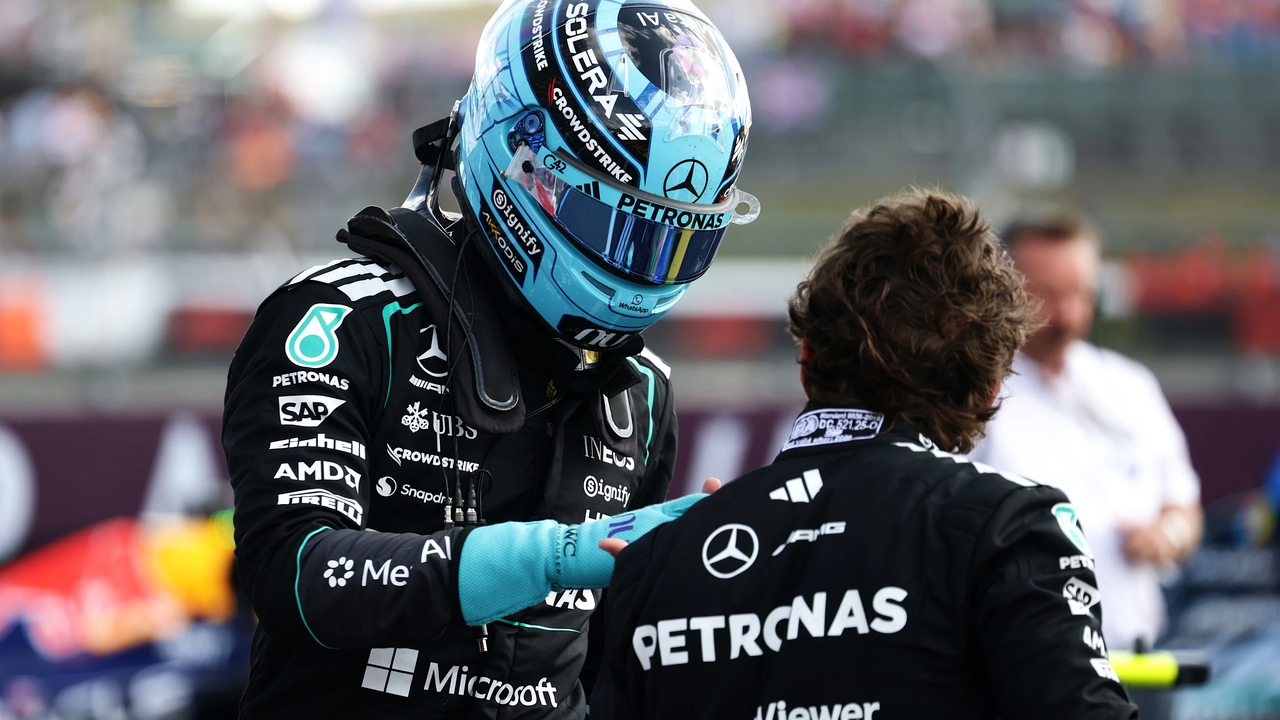
Russell has enough race craft to make fourth dangerous, especially if Leclerc or Hamilton spend the opening laps looking forward rather than defending. A clean first sector and stable tyre temperatures could bring him back into the fight without needing a spectacular pass. The opportunity is there if the car calms down.
The concern is that Mercedes has seen this kind of split before. One session makes the car look sharp, another exposes a narrow window. Antonelli’s pole is the headline, but Russell’s fourth place is the review. If Mercedes can solve both readings in the race, Silverstone becomes a major statement. If not, the team may leave with the uncomfortable feeling that even a pole did not answer the whole question.
Russell’s job is to keep Mercedes from becoming a one-car defence
Russell starting behind the main fight changes the tone of Mercedes’ Sunday. Antonelli may have pole, but Russell is the driver who can stop the team from being forced into a narrow defensive plan. If he stays connected to Hamilton and the leading Ferrari, Mercedes can still use him as a second strategic example rather than as a car waiting for mistakes.
That requires a better first stint than the qualifying gap suggested. Russell does not need to overdrive the opening laps, but he cannot let the front group leave him outside the useful strategy picture. At Silverstone, a car that falls just a few seconds too far back often loses the right to influence undercuts, safety car reactions and tyre offsets.
The softer part of the story is confidence. Russell’s comments after qualifying pointed to a deficit Mercedes did not fully explain, and that matters because race pace problems rarely vanish on command. If the car slides or struggles to keep energy in the right tyre window, fourth place can become a lonely race rather than a platform.
Still, Russell has a practical path to relevance. A clean launch, no unnecessary fight with Antonelli, and a disciplined tyre phase could make him the driver who covers Ferrari’s second option. Mercedes need that role, because protecting pole with one car against two red cars would make the race unnecessarily thin.
No Comments