
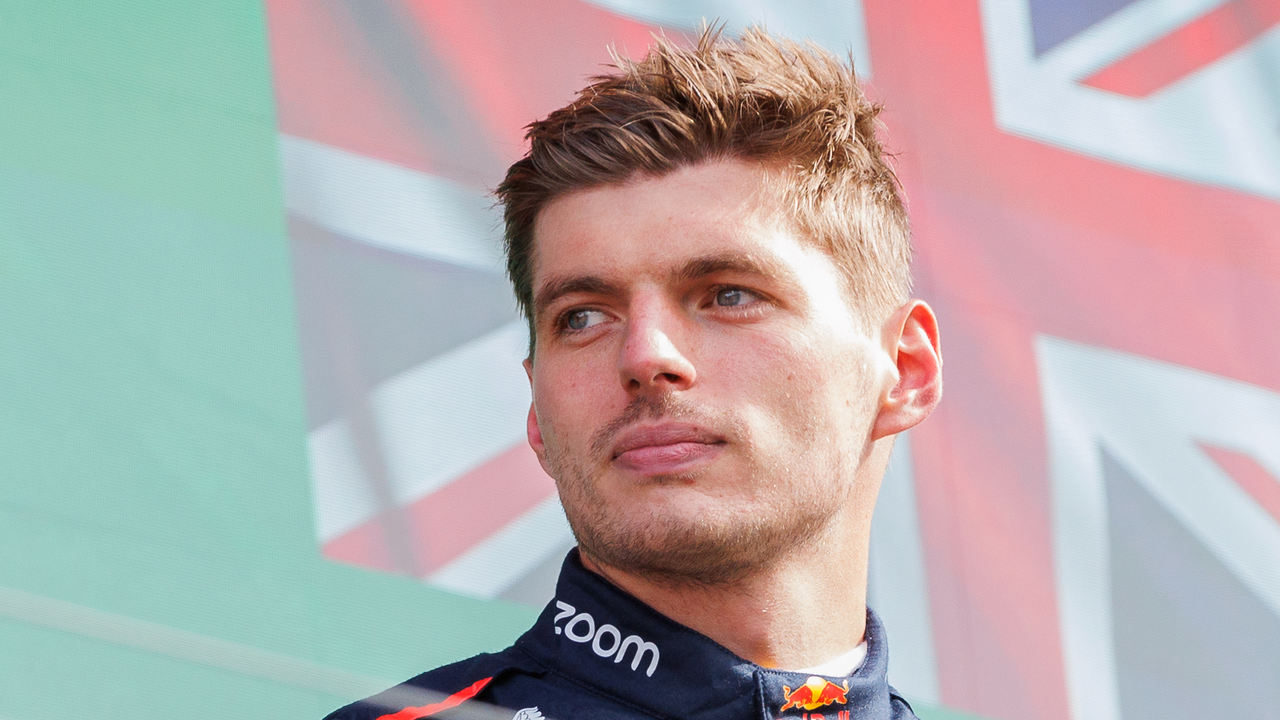
For most of the past decade, a season built around Max Verstappen meant a title charge. In 2026, it means something far less familiar. Seven weekends in, Verstappen sits seventh on 55 points, a full 101 behind championship leader Andrea Kimi Antonelli, with just a single podium across seven weekends to show for his efforts.
That slump is not merely a sporting disappointment. It has activated one of the most consequential storylines of the year, because Verstappen’s contract reportedly carries a clause that could let him walk away. The Austrian Grand Prix, Red Bull’s home race, now doubles as a referendum on the team’s immediate future.
The clause and the summer-break deadline
Verstappen’s deal runs to 2028, but it is understood to include a performance trigger: if he sits lower than second in the standings at the summer break, he can exit early. Asked about the prospect, he described the trigger being met as ‘highly likely’, a phrasing that did little to quiet speculation.
With the Dutchman seventh and more than 100 points adrift, climbing back to second before the break looks a tall order. Every weekend that passes without a dramatic upturn tightens the window and makes the clause feel less like a hypothetical and more like a looming decision.
The timing sharpens the drama. A clause that might once have been an academic footnote in a winning campaign has become the central question hanging over Red Bull, and the answer may arrive sooner than the team would like.
There is a layer of symbolism, too. The Red Bull Ring is the team’s home race, the venue where any wobble is felt most keenly by the people who built the project. Facing questions about their star driver’s future on home soil only raises the temperature around an already uncomfortable subject.
Why the RB22 has fallen short
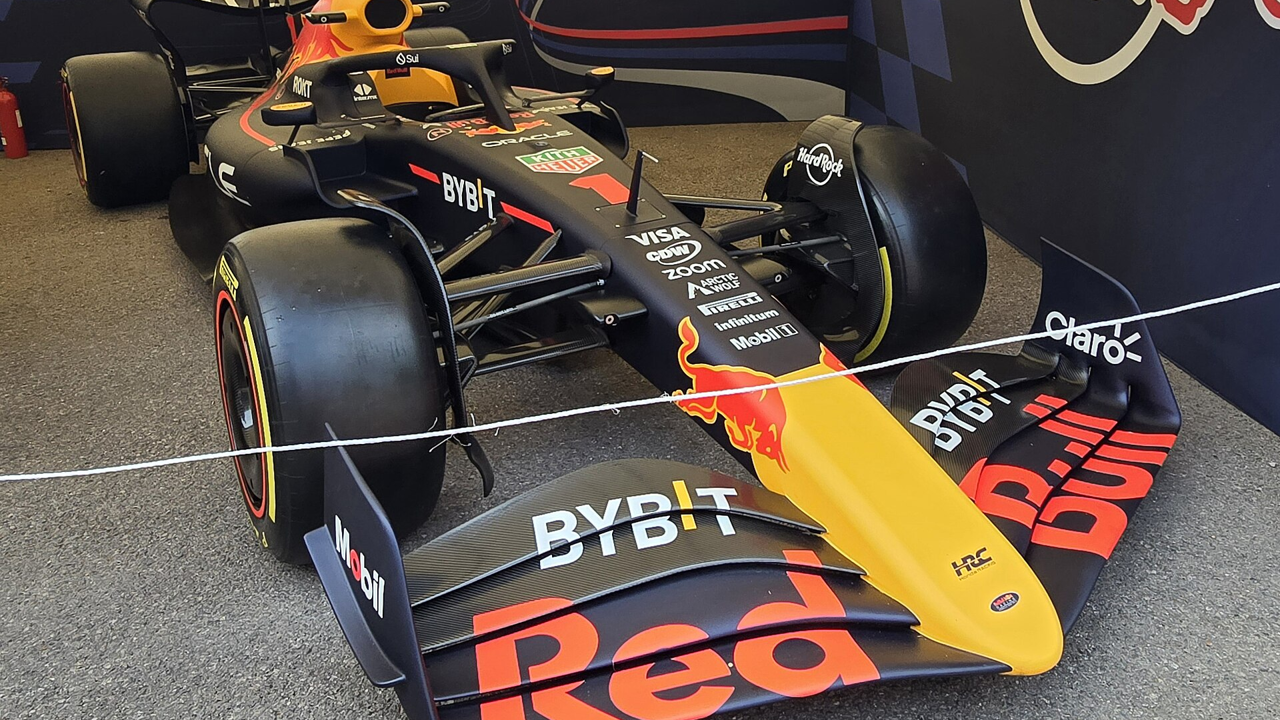
The root of the problem is the car. The RB22 is reported to be around six to seven kilograms over the 768 kg minimum weight, a deficit that costs lap time everywhere and is notoriously difficult to claw back mid-season. Excess mass blunts every other strength a package might have.
The handling issues compound that. The car has suffered from graining, a general grip deficit, and an unhelpful combination of oversteer and understeer that leaves drivers struggling to find a consistent balance. Few setups are harder to drive than one that misbehaves at both ends of the corner.
Team principal Laurent Mekies has not hidden from the situation, acknowledging ‘significant shortcomings’ in the package. That candour matters, because it signals the team understands the scale of the deficit rather than dismissing it as a run of bad luck or circuit-specific weakness.
Fixing several of these flaws at once is the hard part. Trimming weight, curing graining, and rebalancing the handling are separate engineering battles, and progress on one can come at the expense of another. That complexity is why a midseason recovery, while not impossible, is far from guaranteed.
The driver caught in the middle
Verstappen remains one of the sport’s most complete competitors, but even the finest driver can only extract so much from a flawed car. A single podium across seven rounds is well below the standard he has set, and the frustration is understandable given how quickly fortunes have changed.
His public comments suggest a driver weighing his options carefully rather than reacting in the heat of the moment. That measured tone, paired with the ‘highly likely’ assessment, paints a picture of someone preparing for a decision rather than ruling one out. For a competitor of his standing, time spent in the midfield is time he will be reluctant to repeat.
Where could Verstappen go next?
Mercedes is widely floated as the most likely destination should he leave. The team’s strong 2026 form, evidenced by their constructors’ lead, makes them an obvious magnet for a driver chasing further championships. The appeal of a competitive seat is hard to overstate when your current car is fighting in the midfield.
Aston Martin is also reported to be courting him, adding a second credible suitor to the picture. Any move would reshape the driver market and send ripples through the 2027 grid, where a large number of seats are already unsettled.
The presence of more than one suitor strengthens Verstappen’s hand considerably. A driver of his calibre rarely reaches the open market, and rival teams know it. That scarcity gives him leverage, both in any negotiation to leave and in any conversation about what Red Bull must do to keep him.
None of this is decided, and Red Bull will fight to keep their talisman. But the combination of a struggling car, an activated-looking clause, and interested rivals creates a genuinely open situation as the paddock heads to Austria.
Frequently asked questions
What triggers Verstappen’s reported exit clause?
His Red Bull deal, which runs to 2028, is reported to allow an early exit if he is lower than second in the standings at the summer break. With the Dutchman currently seventh and more than 100 points adrift, he has called the trigger being met ‘highly likely’.
What is wrong with the RB22?
The car is reported to be around six to seven kilograms overweight versus the 768 kg minimum, and it suffers from graining, a grip deficit, and a combination of oversteer and understeer. Team principal Laurent Mekies has openly admitted the package has ‘significant shortcomings’.
Which teams are linked with Verstappen?
Mercedes is floated as the likeliest landing spot given their strong 2026 form and constructors’ lead, while Aston Martin is also reported to be courting him. Nothing is confirmed, and Red Bull will fight to keep their talisman, but the situation is genuinely open.

No Comments