
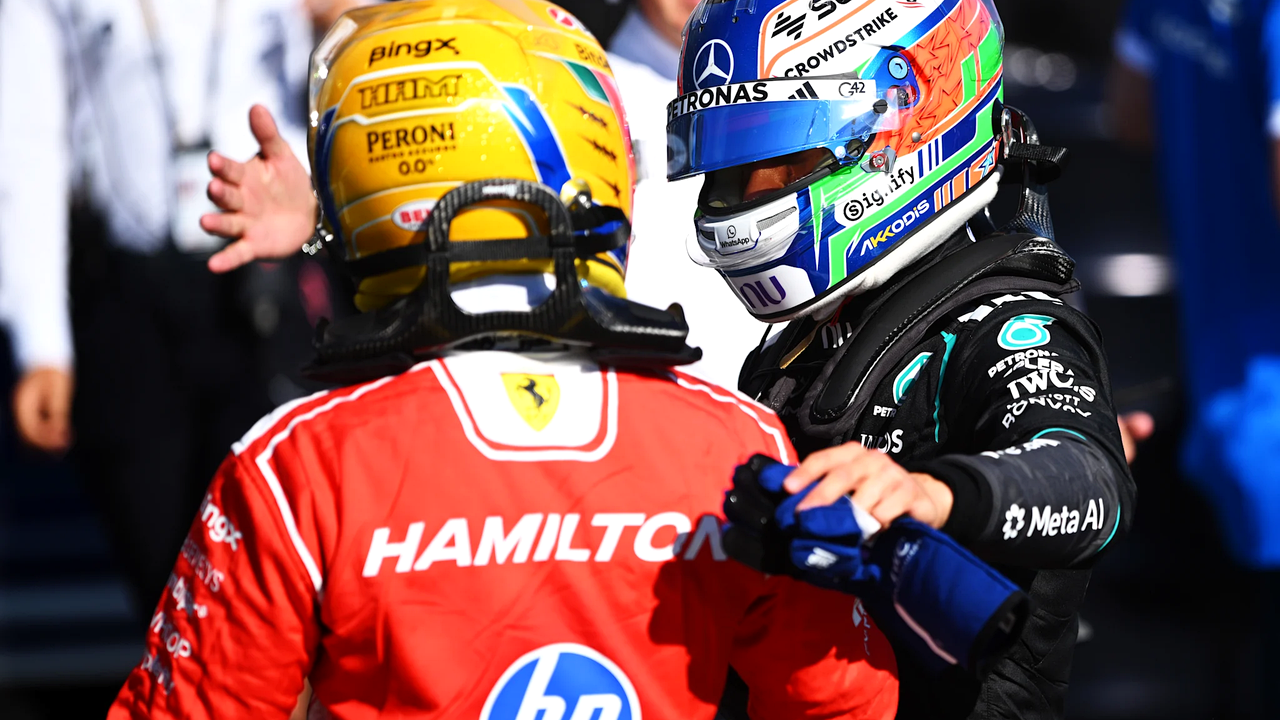
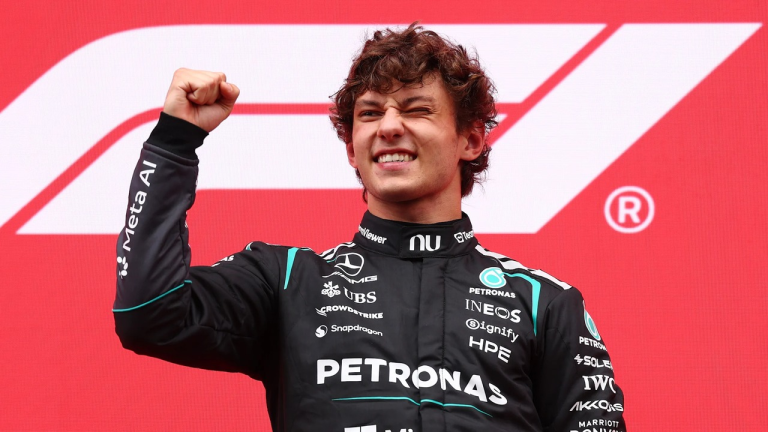
Kimi Antonelli left Sprint Qualifying with the most frustrating kind of evidence: Mercedes had the speed to attack pole. The final number still belonged to Hamilton, leaving Toto Wolff’s garage with confidence and irritation at the same time.
A near miss with real meaning
Antonelli’s lap did not look like a lucky tow or a random spike. It put the Mercedes in the same small zone as Hamilton’s Ferrari and made the rookie part of the weekend’s front-line conversation. The fact that the miss was 0.011 seconds is what gives the result its bite: there is no comfortable excuse when the margin is a cleaner exit or one braver lift.
The wider Mercedes story is not as smooth. Russell was fifth and nearly four tenths away from Hamilton, which stops the team from claiming a simple platform advantage. Antonelli showed the limit, Russell showed the uncertainty, and that split is exactly what a race team hates before a Sprint and a separate Grand Prix qualifying session on the same day.
Ferrari became the example
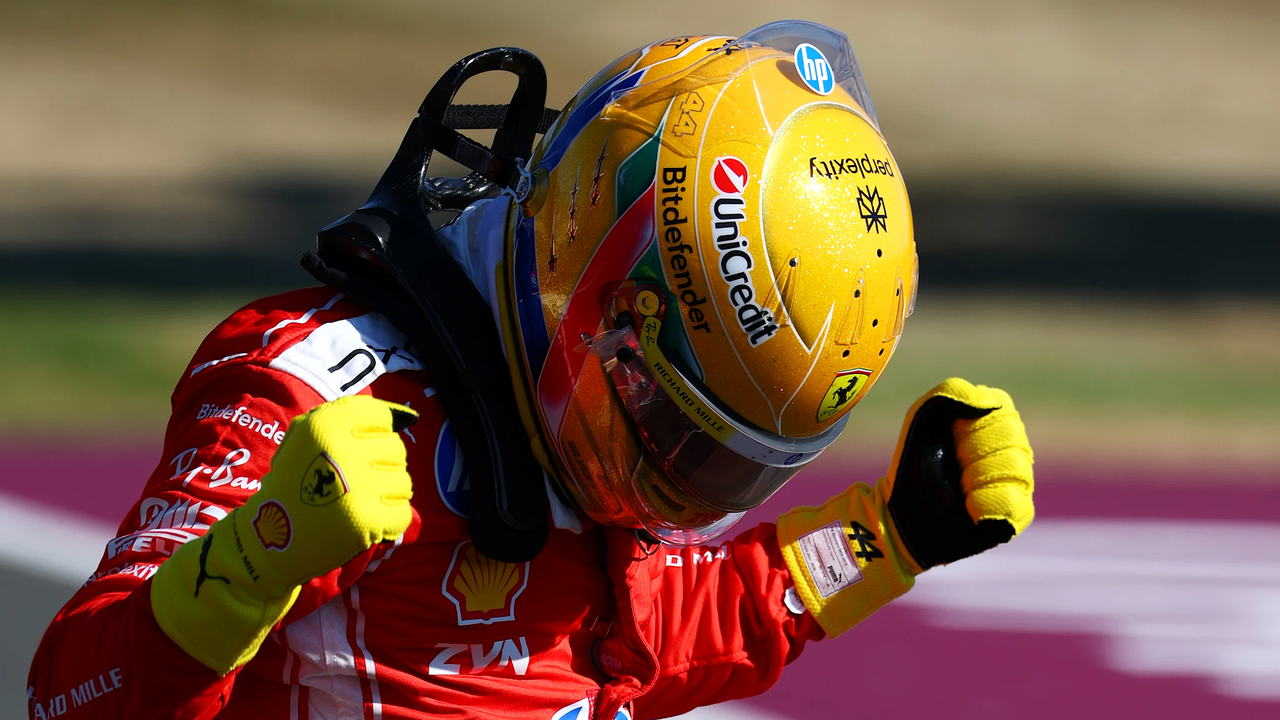
Antonelli’s own reaction pointed at Ferrari’s jump, and that comment matters because Mercedes has often measured itself against McLaren and Red Bull this season. At Silverstone the example lap came from Hamilton in red, not from the usual orange or navy threat. That changes the target because Ferrari’s speed arrived in the sections where Mercedes expected its own car to be strong.
The British GP storylines had already made Silverstone feel like a weekend of reputation checks. Antonelli now has one of them. A rookie who can stand beside Hamilton and Verstappen on a Sprint grid has earned attention, but attention comes with a harsher standard. The next step is not being close once; it is refusing to let the Sunday grid undo the Friday evidence.
| Key point | Reading |
|---|---|
| Gap to pole | 0.011 seconds separated Antonelli from Hamilton. |
| Mercedes split | Antonelli was second while Russell landed fifth. |
| Main risk | One-lap grip must not become a fragile race balance. |
| Useful outcome | Mercedes now has a clear example for the afternoon session. |
Where Mercedes can still improve race pace
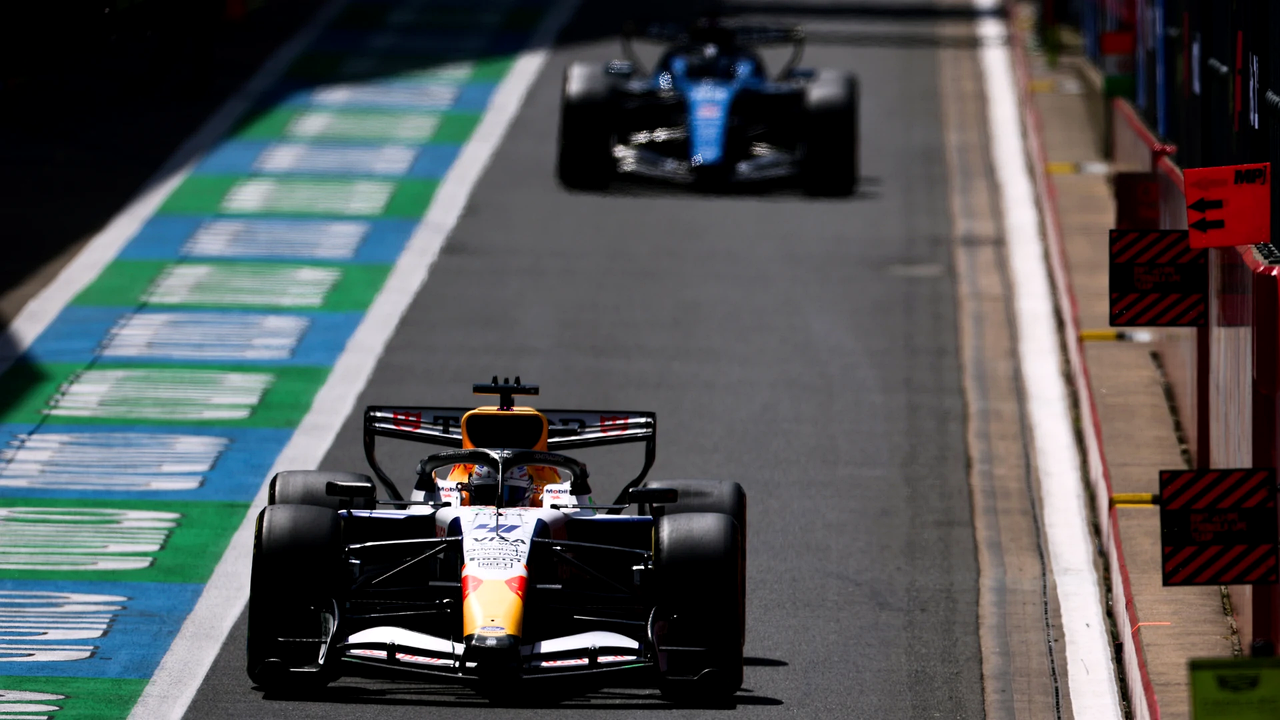
Sprint Qualifying trims the weekend into short, sharp pieces. Mercedes does not need a full race-distance answer immediately, but it does need clean tyre preparation and a first lap that keeps Antonelli out of dirty air. If he gets boxed behind Hamilton without attacking range, the 0.011 gap becomes a statistic rather than a weapon.
Russell’s side of the garage also needs a cleaner Saturday. The team cannot build its weekend around one car’s feel when the other driver is still talking about strange balance. Mercedes has to decide whether the difference came from set-up, tyre activation or delivery, because the answer will shape qualifying as much as the Sprint itself.
The rookie pressure point
Antonelli is still being judged against two clocks: the live timing screen and the patience of a team fighting for serious points. His Silverstone lap helped the first clock and tightened the second. A driver who comes within a blink of Sprint pole is no longer only learning; he is being asked to convert.
That is why this result is useful even without pole. It gives Mercedes a hard number, a driver-specific example and a reason to push the set-up toward sharper entry stability. The danger is chasing Hamilton’s lap so aggressively that the car becomes harder to race. Antonelli’s weekend will be judged on whether he keeps the courage and loses none of the control.
The rookie result needs a senior-team response
Antonelli’s lap is impressive precisely because it creates a senior-team responsibility around him. Mercedes cannot treat it as a pleasant rookie surprise and move on. A driver who misses Sprint pole by 0.011 seconds has given the engineers a serious data point. The team now has to decide which part of that pace belongs to the car, which part belongs to preparation, and which part belongs to Antonelli’s own commitment.
The Russell comparison makes that response more urgent. A front-running team cannot leave one driver near pole and the other wondering why the balance felt strange. If the difference came from tyre warm-up, the fix must be operational. If it came from set-up direction, the team has to decide how much of Antonelli’s preference can be transferred without hurting Russell’s confidence in the fast corners.
That is the real Mercedes puzzle. Antonelli’s result is good news, but it also removes excuses. The W16 had front-row pace in at least one set of hands. Silverstone now asks whether Mercedes can turn that single-car peak into a two-car platform before the more important qualifying session arrives.
No Comments