
Formula 1 reaches Silverstone after Austria’s top three finished within 1.9 seconds, giving the British Grand Prix a sharper competitive edge than a normal home-race build-up.
Austria tightened the championship mood
A 1.9-second spread across the top three after a full Grand Prix changes how Silverstone is read. It makes the British weekend feel less like a reset and more like a continuation of a fight that has started to compress. Austria Power Rankings rewarded Russell, but the timing sheet also showed how little comfort the leading teams can take from one strong circuit.
Silverstone now asks whether that compression is portable. Austria rewards traction, braking confidence and tyre management through slower and medium-speed corners. Britain will push the cars into longer high-speed loads. A car that looked alive in Spielberg may still struggle if it cannot hold a stable platform through the fastest sections of the lap.
Mercedes cannot treat momentum as proof
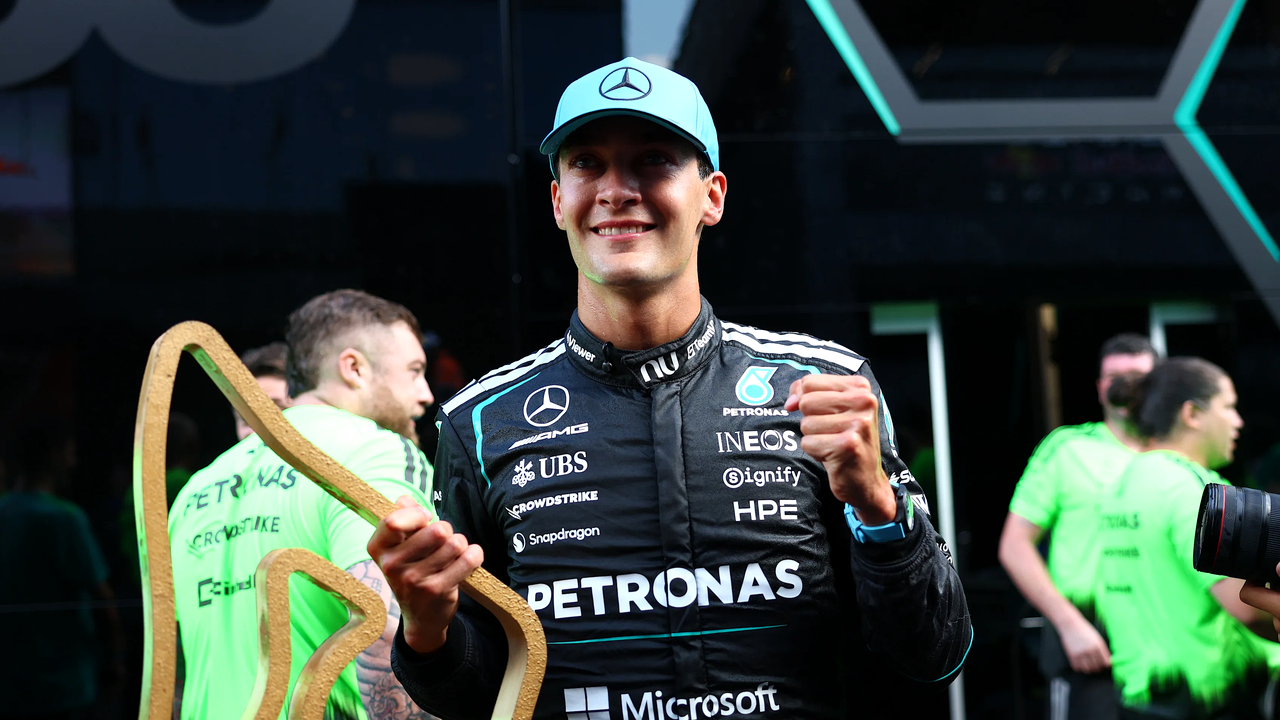
Mercedes arrive with the easiest public story: recent wins, British drivers, and a crowd ready to believe the season has turned. The harder engineering story is less sentimental. Silverstone will tell whether the team’s current balance works when the front axle is loaded for longer and when the tyre allocation leaves little space for slow Friday experiments.
That is why Russell’s Austria result should be treated as a lead rather than a conclusion. Mercedes have earned the right to be watched closely, not the right to assume the track will bend toward them. A Sprint weekend makes that distinction sharper because the first meaningful decision can arrive before every team has finished asking its opening questions.
| Key point | Reading |
|---|---|
| Previous race | Austria ended with the top three covered by 1.9 seconds after 71 laps. |
| Next stage | Silverstone’s faster corners ask a different aerodynamic question. |
| Home pressure | British drivers and British teams carry extra attention into the weekend. |
| Main theme | The pecking order may shift if high-speed balance replaces Austria’s traction focus. |
Red Bull need high-speed proof
Red Bull’s Austrian pace gave the team its strongest recent evidence, but Silverstone is a harsher test of aerodynamic confidence. The car has to let the driver commit without scrubbing speed or using too much tyre to hold the line. If Red Bull have truly improved the platform, Britain should show it in the flow of the lap rather than only in isolated sectors.
Verstappen remains the driver most likely to punish any hesitation ahead, but this weekend is not just about his instincts. It is about whether the car gives him repeatable performance across Sprint, qualifying and the Grand Prix. A single sharp lap will not be enough if the long-run balance becomes exposed by the wind or the tyre surface.
McLaren’s home layer is complicated
McLaren have the emotional advantage of a British weekend and the memory of Norris winning here in 2025. They also have the practical challenge of arriving with questions that cannot be answered by nostalgia. The team need clean reliability, immediate tyre clarity and an aerodynamic package that does not force them into half-measures after FP1.
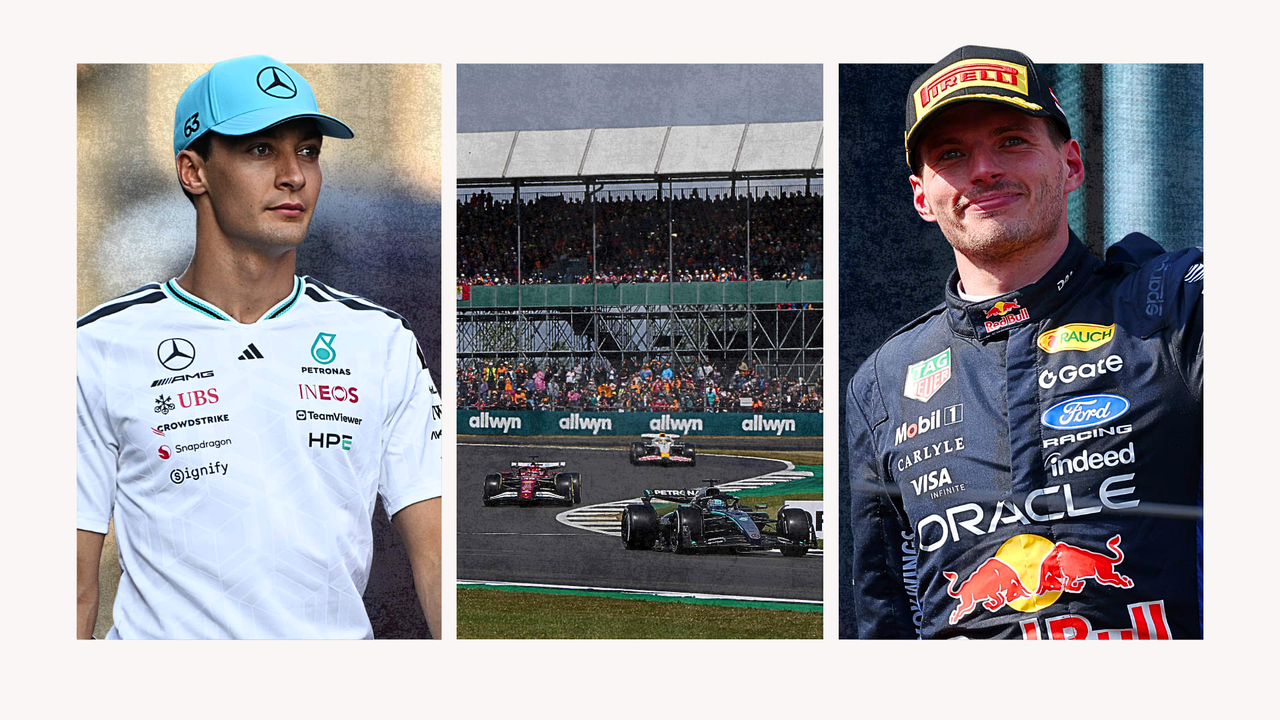
Silverstone’s history will make every McLaren image feel bigger, but the stopwatch will strip the weekend down quickly. If the team is quick through the fast fast corners, the home story will become powerful. If it is not, the same crowd energy can turn into a spotlight on missed opportunity.
The midfield can steal attention early
Sprint weekends often give the midfield a chance to look unusually disruptive. With less practice, a team that arrives with a good baseline can jump rivals that need time to tune the car. Silverstone’s high-speed needs may also split cars that have looked similar at slower tracks, which makes Friday more dangerous for teams sitting near the edge of Q2 and Q3.
That is where the weekend may produce its first surprise. A clean FP1 can become a strong Sprint Qualifying run, and suddenly a midfield car is starting in a position that forces faster teams to spend Saturday fighting through dirty air. The shorter format does not make the racing random, but it does reduce the time available to correct a wrong first direction.
Silverstone will judge not just local emotion
The British Grand Prix brings heritage, local heroes and huge attendance, but the sporting question is beautifully direct. Which team can take Austria’s tiny margins and survive a faster circuit without losing control of the tyres? That is the test beneath every headline.
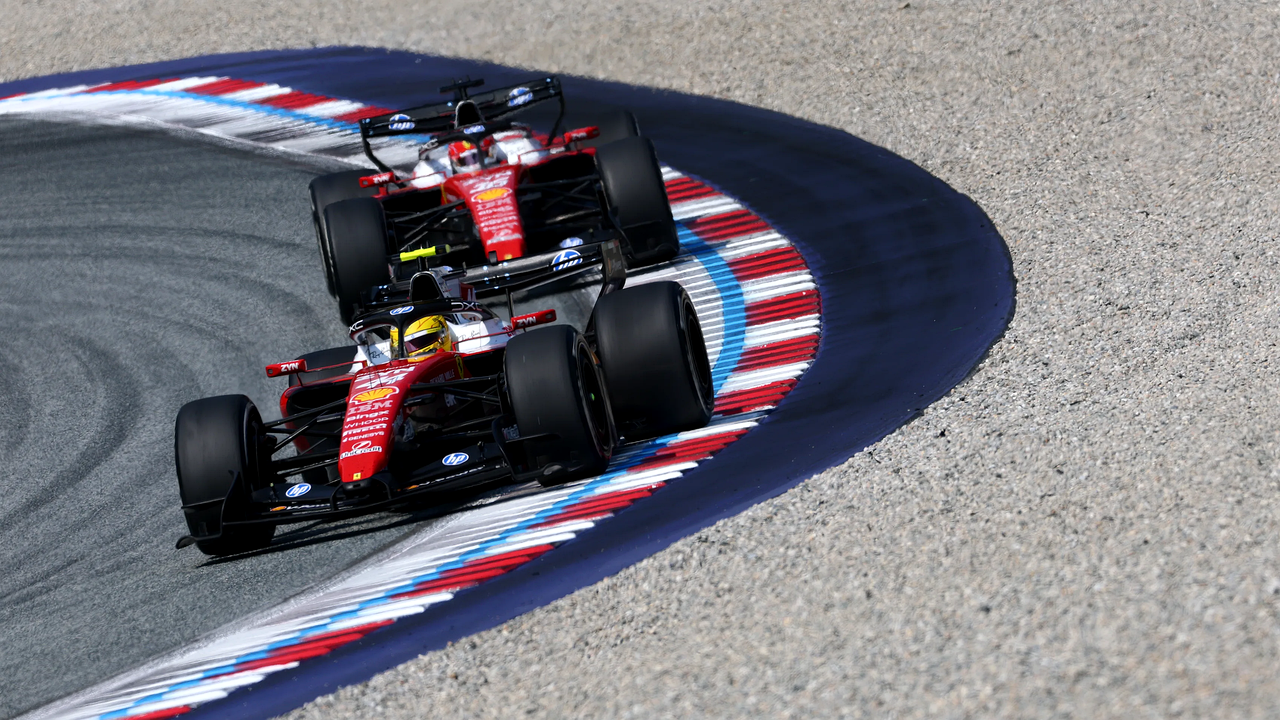
If Silverstone repeats Austria’s closeness, the championship will feel wider open. If one team stretches clear, the British weekend may become the moment that separates a local celebration from a real performance trend. The venue has enough history to carry drama by itself; this year, the form table may finally be dramatic enough to match it.
High-speed confidence can rearrange the form table
Austria’s closeness is useful, but it should not be copied directly onto Silverstone. The British circuit changes the value of each car trait. A car that rotates well in slow corners may not be stable enough when the driver holds throttle through a fast direction change. Another car that looked normal in Austria may suddenly find a cleaner performance chance because the aerodynamic platform is calmer at speed. That is why the first Silverstone sectors will be watched with unusual care by engineers who know the previous race cannot be treated as a fixed ranking.
The faster air also changes driver confidence. Some drivers can live with a car that moves under braking; fewer can keep pushing if the rear feels light through the fastest part of the lap. The weekend may reveal a hidden split between cars that are numerically close and cars that feel trustworthy to drive. A 1.9-second finish in Austria made the championship feel tight. Silverstone will decide whether that tightness is real across track types or only a product of one particular circuit profile.


No Comments