
Williams entered 2026 expecting the new rules to support another step forward. The first eleven rounds instead produced a difficult mix of reliability problems and inconsistent performance.
Carlos Sainz and Alex Albon both reached the points. The team still lacked regular top-ten pace before the summer break.
Qualifying pace and race pace told different stories
Sainz led Albon in most qualifying comparisons during the opening half. The gap on Saturday did not create the same difference on Sunday. Their race finishes remained much closer across the completed events. That contrast points to more than one issue. One fast lap depends on tyre preparation and a clear run. A Grand Prix also tests degradation, cooling, pit work and performance in traffic.
Williams sometimes placed a car in a useful starting position without keeping it there. At other rounds, a difficult qualifying session forced the drivers to spend the race behind slower cars. Passing then required more tyre life and straight-line speed. The team also lost track time through technical problems. Every missed practice run removes setup comparisons and long-run data. That cost becomes larger under new regulations because engineers are still building their reference library.
The new car created different development problems
The 2026 rules altered the chassis and power unit at the same time. Williams had to understand new aerodynamics, energy deployment and cooling demands together. A weakness in one area could affect several parts of a lap. Modern Formula 1 development begins with simulation and wind-tunnel work. The track then shows whether those tools predicted real conditions. Poor correlation delays updates while engineers examine the difference.
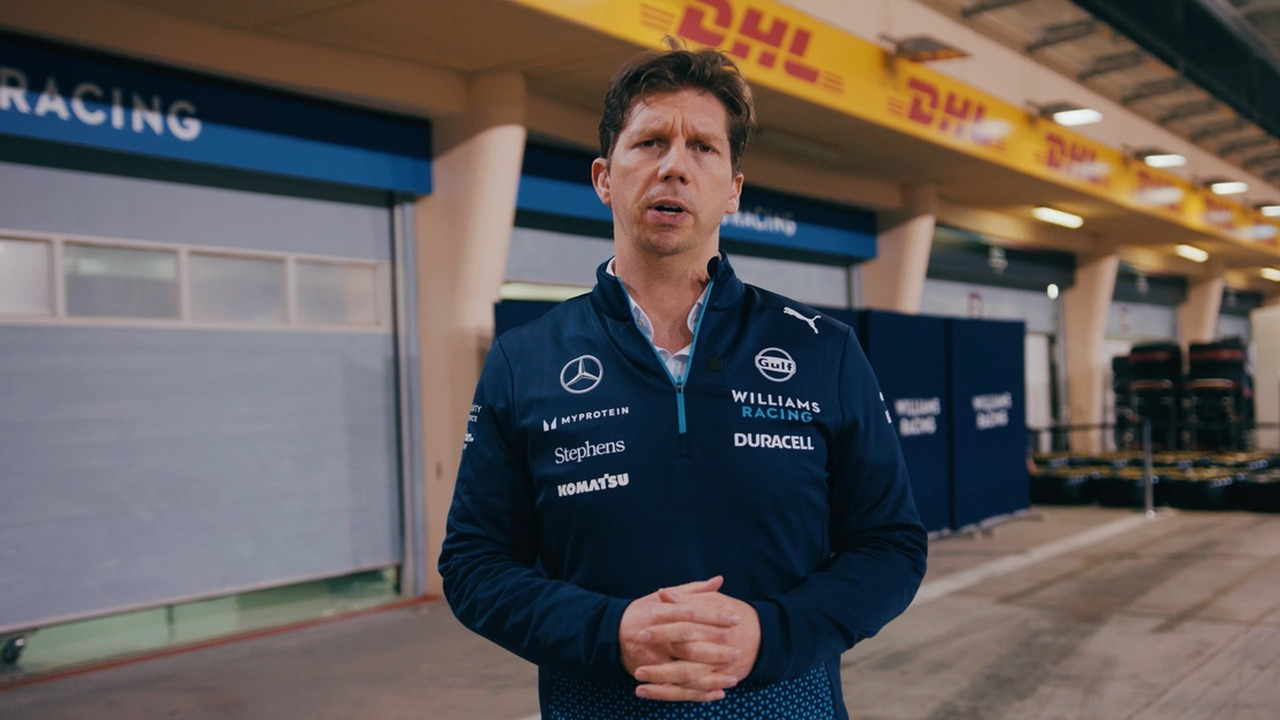
Williams has invested in facilities and working methods during its wider rebuild. Those projects do not produce instant lap time. They improve how quickly the team designs, manufactures and evaluates future parts. The current car remains important because every round supplies data for that process. Even a difficult weekend can identify a temperature limit or balance problem. The value depends on turning the finding into a reliable correction.
Sainz and Albon provide different forms of feedback
Sainz arrived with experience from several Formula 1 teams. He has worked with different power units and technical groups. That background helps him compare the Williams with other design approaches. Albon knows the team’s recent cars and internal procedures. He can identify which behaviours are new and which have continued from earlier seasons. His long relationship with the engineers provides another useful reference.
Their feedback is most valuable when both drivers describe the same problem. Engineers can then separate a car characteristic from an individual preference. Different comments can still reveal how the setup affects each driving style. The drivers also need confidence that updates behave consistently. A part that helps only in one corner can create losses elsewhere. Williams needs a wider operating window rather than a narrow peak that disappears with weather changes.
The calendar after the break brings varied circuits
Zandvoort begins the second half with banked corners and limited space. Monza then places much greater value on low drag and braking stability. Madrid adds a circuit with little previous race data. Those differences give Williams several tests for the same package. A gain that appears at both high-downforce and low-downforce venues is more convincing than one isolated result. The team can also compare energy use on different straights.
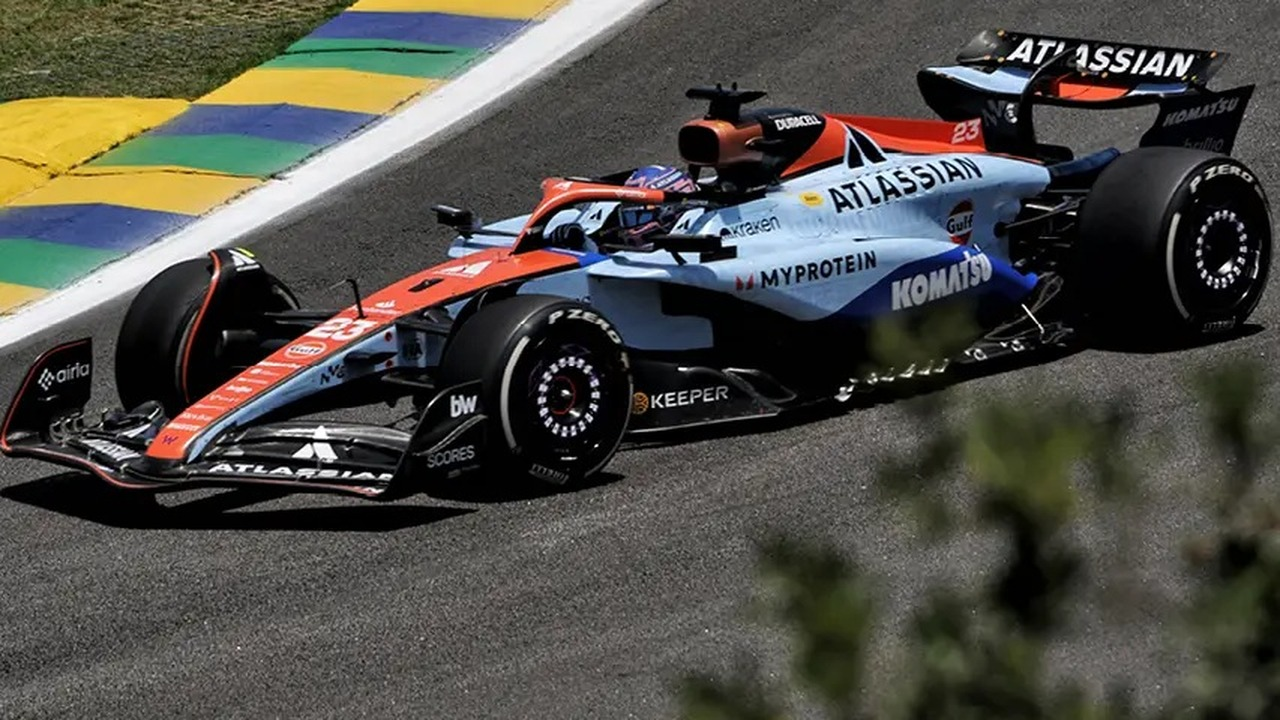
Sprint weekends reduce normal practice time. A reliable starting setup becomes more important under that format. Simulation work and clear Friday programmes support the limited track running. Reliable race finishes remain Williams’ first requirement after the break. A finished race supplies more information than an early retirement. It also gives Sainz and Albon a chance to convert small pace gains into points when rivals make errors.
Williams will measure progress after the summer break
Williams cannot change the results already lost before the break. It can improve the rate at which problems are understood and corrected. That response is a direct measure of the team’s current technical structure. Updates need to work on both cars and survive a full weekend. Factory output, spare parts and preparation all support that goal. A fast component has limited value if only one driver can use it reliably.
The championship position provides the broad result, while individual sessions explain how it developed. Williams will review both levels during the shutdown and the restart period. The first half fell below the team’s expectations. The remaining rounds now offer a defined task: finish more races, broaden the car’s balance and turn stronger qualifying pace into points.

No Comments