
Williams has reached the summer break with eleven points and eighth place in the standings. Alex Albon recorded the team’s best finish with eighth place in Monaco. Carlos Sainz has led qualifying, but neither driver has reached the final qualifying session.
The team expects a revised chassis and further upgrades around the Azerbaijan Grand Prix. Those changes follow a difficult start that included delayed running and an overweight car. Williams is also moving part of its technical attention toward 2027.
Monaco delivered the best finish
Albon finished eighth on the streets of Monaco and secured four important points. Track position carries unusual value there because overtaking remains difficult on the narrow circuit. Williams protected the result through a race that demanded concentration and clean execution.
That finish remains the highest position achieved by either Williams driver this season. It did not begin a regular scoring run in the following rounds. The car has lacked enough performance to remain inside the leading ten every weekend.
Miami produced the only double score
Both Williams cars finished in the points during the Miami Grand Prix. Sainz took ninth place, while Albon followed in tenth. The combined result showed the benefit of keeping both cars near the scoring positions.
Williams has not repeated that double finish during the opening eleven rounds. Small pace differences become important when several teams compete for the same positions. A difficult qualifying session often leaves too much work for Sunday.
Sainz leads qualifying but Albon owns the best result
Sainz holds a nine-to-two advantage over Albon in qualifying comparisons. Their race results are closer, with Sainz leading by six to five. Different incidents and reliability problems have affected the opportunities available to each driver.
The qualifying record shows Sainz’s speed over a single lap this year.

Albon’s Monaco result remains the strongest championship contribution from either car. Williams needs those two strengths to appear together during the same weekend.
The FW48 started the season behind schedule
Williams missed the planned Barcelona shakedown before the opening race. That absence removed useful early mileage from a completely new car. Engineers entered the season with fewer real laps than they originally expected.
The FW48 was also overweight, which created a direct lap-time penalty. Removing weight requires careful redesign because every part still needs sufficient strength. The problem limited performance while the team worked through other reliability concerns.
No Williams driver has reached Q3
Neither Sainz nor Albon has appeared in the final qualifying session this season. Starting outside the leading ten increases the risk of traffic and first-lap contact. It also limits the tyre choices available during the opening part of a race.
The record explains why points have arrived only on selected weekends. Williams can show useful race pace without receiving the track position needed to use it. A stronger qualifying package remains an important part of the upgrade work.
Azerbaijan is the next important technical target
Williams expects a new chassis and significant updates near the Baku weekend. The street circuit combines long straights with slow corners and heavy braking zones. It should provide clear information about several areas of the revised package.
The new parts cannot guarantee an immediate move through the middle group. The team must first understand their behaviour and find a suitable setup. Reliable practice running will matter as much as the theoretical performance gain.
The team is balancing 2026 and 2027
Williams has already shifted some development resources toward next year’s car. That decision reflects the limited benefit of spending heavily on one difficult season. The team still needs enough improvement to protect its current championship position.
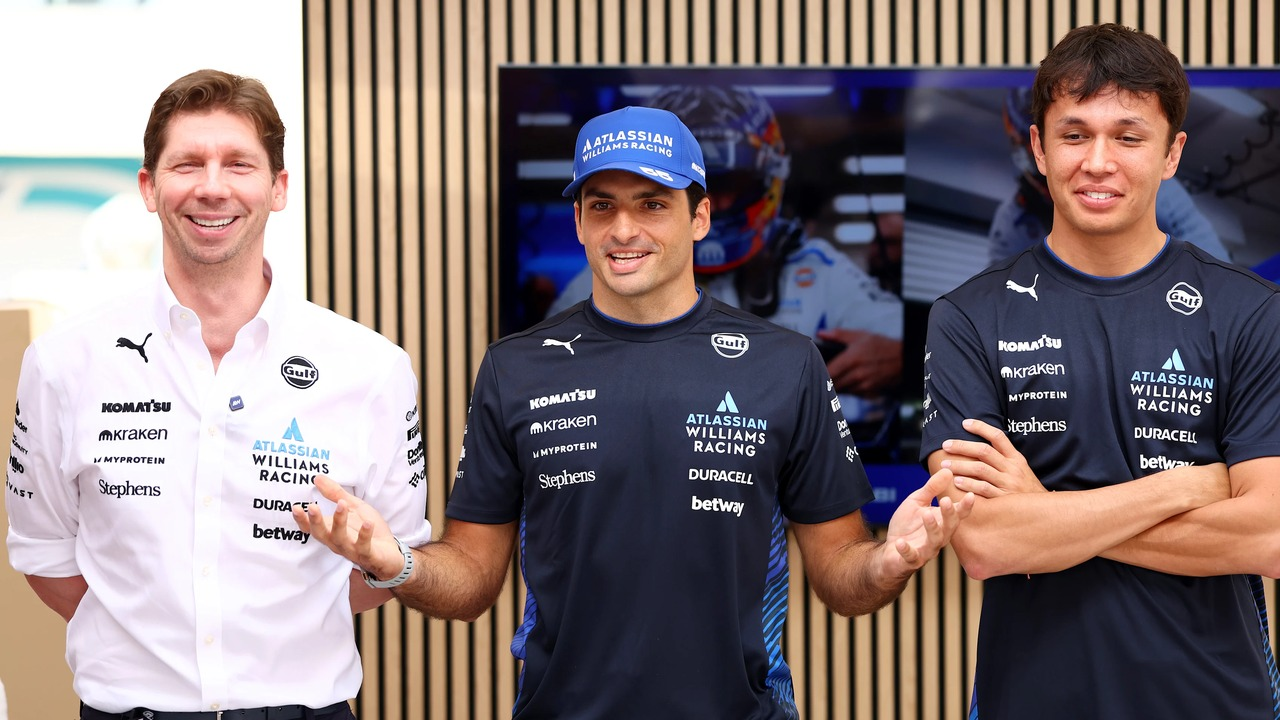
Eleven points provide a base, but they do not hide the car’s main limits. Sainz and Albon have produced useful moments without reaching Q3. The remaining races will show whether the revised chassis gives them more regular opportunities.
Why the next package carries unusual importance
Williams began the year with less preparation than its rivals after missing the shakedown. That delay affected reliability checks and basic setup work before competitive sessions. Later practice time had to cover tasks normally completed much earlier. An overweight car loses time around every lap without changing the driver’s effort. Reducing weight can also improve tyre behaviour and braking. Engineers must achieve that reduction without weakening parts or creating another reliability issue. The expected chassis gives Williams a chance to address more than one local problem. It can change packaging, stiffness and the distribution of weight around the car. Those benefits still need confirmation through real track data.
Baku offers long full-throttle sections and several slow ninety-degree corners. A useful package must therefore support both efficiency and stable braking. The event can reveal gains that might remain hidden at a more uniform circuit. Sainz’s qualifying lead suggests that the car has not prevented every strong single lap. The absence of Q3 appearances shows that the complete package remains short of the required threshold. Albon’s Monaco result proves race opportunities can still appear. Williams must decide how much more 2026 development is justified after the new chassis. A successful step could support additional small improvements. A limited result would strengthen the case for moving more resources toward 2027.

No Comments