
Pirelli has selected the C2, C3, and C4 compounds for the 2026 Barcelona-Catalunya Grand Prix, moving one step softer than the range used at the circuit in 2025. The decision gives teams a new strategic problem at a track known for sustained cornering loads, high tyre energy, and limited opportunities to hide weakness in race pace.
The softer selection is intended to create more strategic variety, but it also increases the importance of degradation management. Barcelona places heavy stress on the tyres through long corners and repeated lateral load, so the fastest compound over one lap may not be the best race choice.
PIRELLI MOVES THE COMPOUND RANGE ONE STEP SOFTER
The C2 will serve as the hard tyre, the C3 as the medium, and the C4 as the soft. In 2025, teams worked with the C1, C2, and C3, meaning every nominated compound for this year’s race is one level softer.
A softer range generally offers more grip and faster warm-up, especially over a qualifying lap. The cost is a potentially shorter competitive life when track temperature rises or a car slides through the high-load sections. That balance should make Friday practice especially valuable.
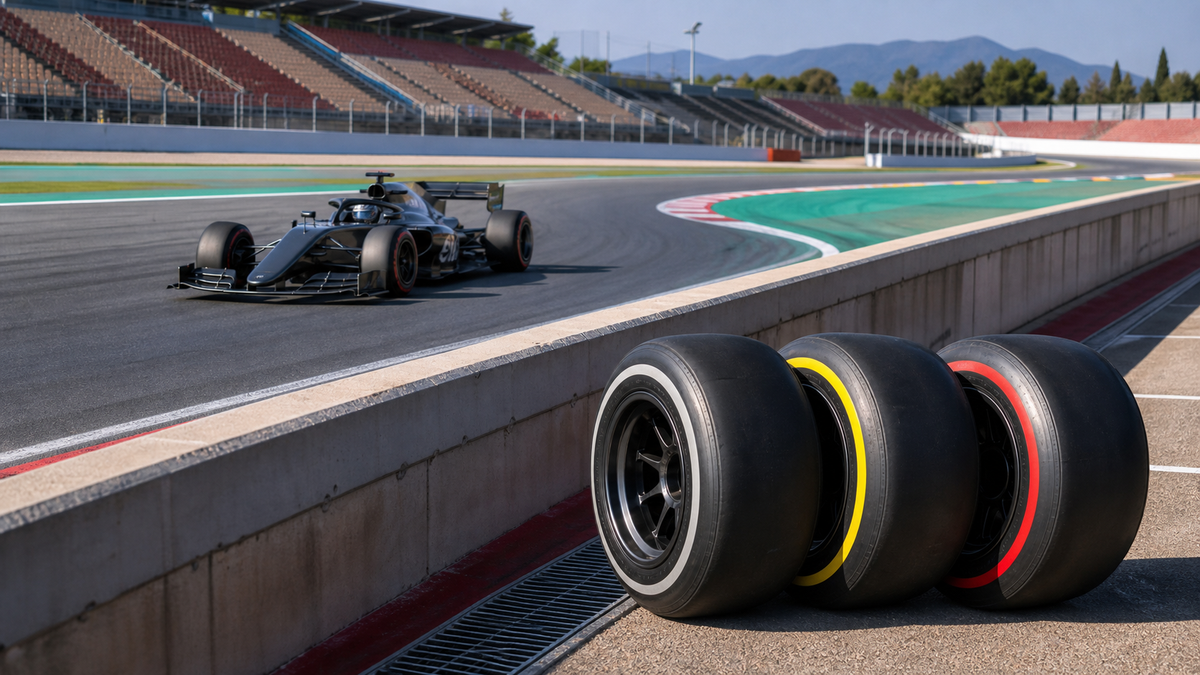
- Hard: C2 with a white sidewall marking
- Medium: C3 with a yellow sidewall marking
- Soft: C4 with a red sidewall marking
- All three compounds are one step softer than the 2025 selection
WHY BARCELONA IS A SERIOUS TYRE TEST
The Circuit de Barcelona-Catalunya combines several corner types, but its long and fast turns create the most demanding tyre loads. Cars spend extended periods leaning on the outside tyres, building surface and carcass temperature while the driver tries to maintain aerodynamic balance.
Teams also use Barcelona as a reference circuit because a car must perform in slow, medium, and high-speed sections. A setup that protects the rear tyres may lose front-end response, while an aggressive front balance can increase sliding and accelerate wear. The softer compounds make that compromise more visible.
THE STANDARD TYRE ALLOCATION REMAINS IN PLACE
Each driver receives the standard dry-weather allocation of 13 sets for the weekend. That consists of two hard sets, three medium sets, and eight soft sets. Wet-weather equipment adds five sets of intermediates and two sets of full wets.
The large number of soft sets supports qualifying preparation and short runs, but teams cannot treat Friday as unlimited testing. Every used set removes an option from later sessions, and the most useful race data often requires a longer stint than a simple qualifying simulation.
WHAT TEAMS NEED TO LEARN ON FRIDAY
- How quickly the C4 loses performance during a fuel-heavy run
- Whether the C3 can deliver both pace and acceptable degradation
- How long the C2 takes to reach its working temperature
- How wind and track temperature change front and rear balance
ONE STOP OR TWO STOPS?
The softer nomination makes a two-stop race more realistic, particularly if the C4 provides a meaningful pace advantage but cannot sustain a long first stint. A medium-hard strategy may still be attractive to teams prioritizing track position, but it could leave drivers vulnerable to rivals with fresher tyres late in the race.
A two-stop plan offers more total grip and flexibility around traffic, but every additional pit stop costs time. Teams must estimate whether the pace gained on fresh rubber is enough to recover that loss. Safety cars, virtual safety cars, and the difficulty of overtaking cars with similar performance can quickly alter the calculation.
QUALIFYING COULD SHAPE THE RACE MORE THAN USUAL
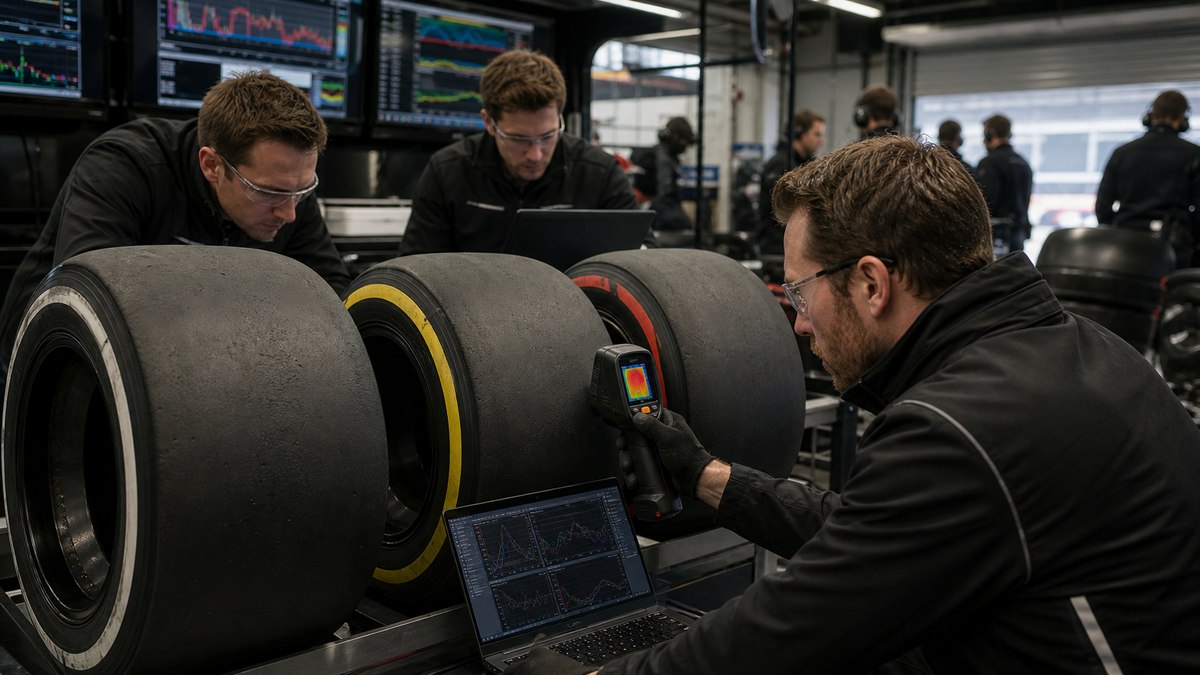
The C4 should be the main qualifying tyre because it offers the highest peak grip of the nominated range. Drivers will still need to manage preparation carefully. An out-lap that is too slow may leave the tyre below its ideal temperature, while excessive weaving and braking can overheat the surface before the timed lap begins.
Starting position matters at Barcelona because following another car through long corners can increase temperature and reduce front grip. A driver trapped in traffic may damage the tyres while losing the performance needed to attack, making clean air an important strategic resource.
WHO COULD BENEFIT FROM THE SOFTER RANGE
Cars that warm their tyres efficiently may find immediate qualifying pace, while teams with strong long-run balance could use the C3 aggressively without suffering excessive degradation. Drivers who can keep steering inputs smooth and avoid wheelspin will also have more strategic freedom.
The biggest risk belongs to cars that slide at one end of the corner. The softer compound can initially hide that weakness with extra grip, but repeated sliding may cause performance to fall away quickly during a race stint.
BARCELONA WILL REWARD COMPLETE TYRE MANAGEMENT
Pirelli’s C2-C3-C4 selection is a deliberate attempt to widen the strategic window at one of Formula 1’s most technically revealing circuits. The soft tyre should improve qualifying performance, while the medium and hard compounds remain central to race planning.
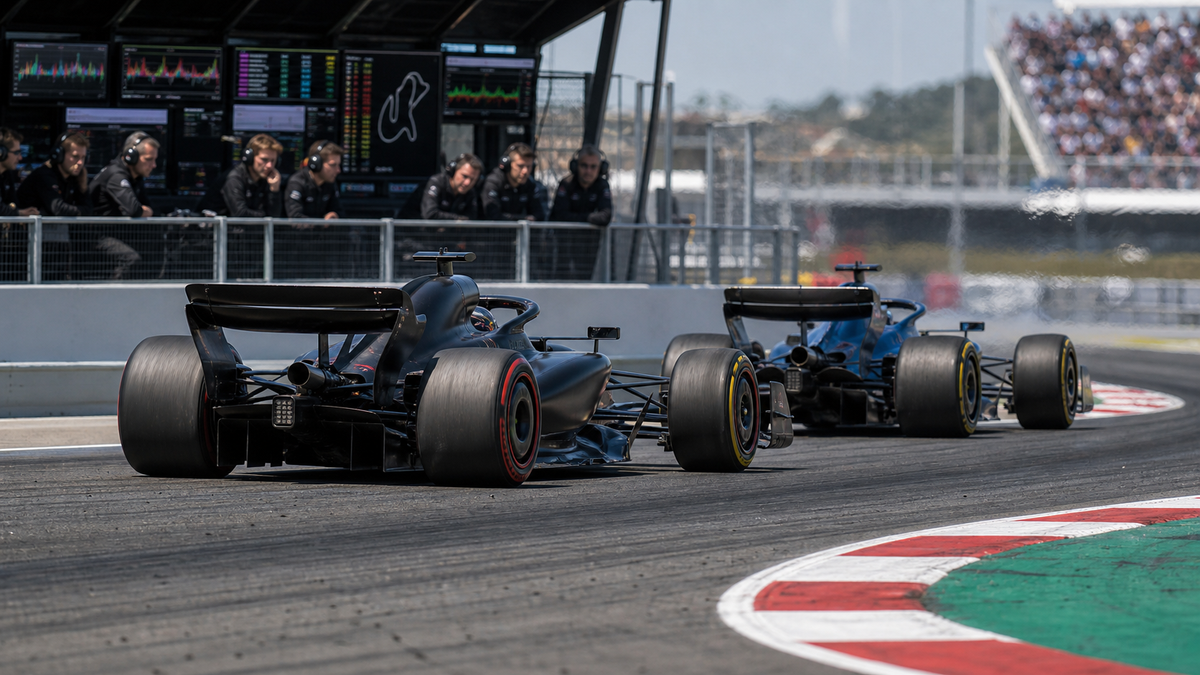
The winning strategy will depend on more than choosing the fastest compound. Teams must control temperature, protect the tyres in dirty air, and judge whether one fewer pit stop is worth sacrificing lap time. Barcelona is likely to expose every weakness in that calculation.

No Comments