
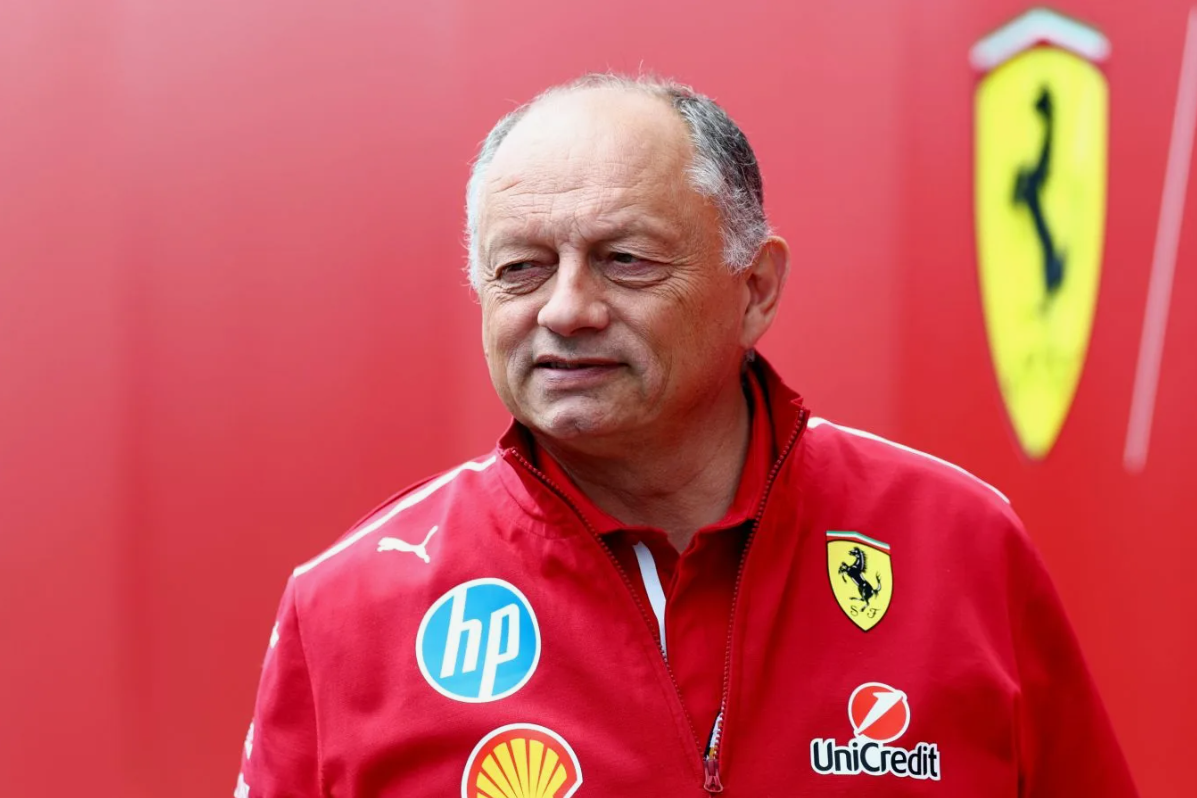
Ferrari team principal Fred Vasseur has shared his initial assessment of Charles Leclerc’s experimental brake setup following the practice sessions at the Barcelona-Catalunya circuit. The Monegasque driver tested Carbon Industrie brake discs as Ferrari continued evaluating potential improvements for the SF-26.
According to Vasseur, the early indications from the trial were encouraging despite the limited number of laps available for evaluation.
Ferrari’s Brake Experiment in Barcelona
During the opening practice sessions, Ferrari devoted valuable track time to assessing an alternative brake configuration on Leclerc’s car.
Testing brake systems in Formula 1 requires careful temperature control, which prevented the team from completing long uninterrupted runs.
Instead, engineers alternated between fast laps and cooling phases to maintain optimal operating conditions.
“There weren’t many laps because you constantly have to alternate between push laps and cooling the brakes. But everything went well.”
Vasseur’s comments suggested that Ferrari was satisfied with the outcome of the experiment.
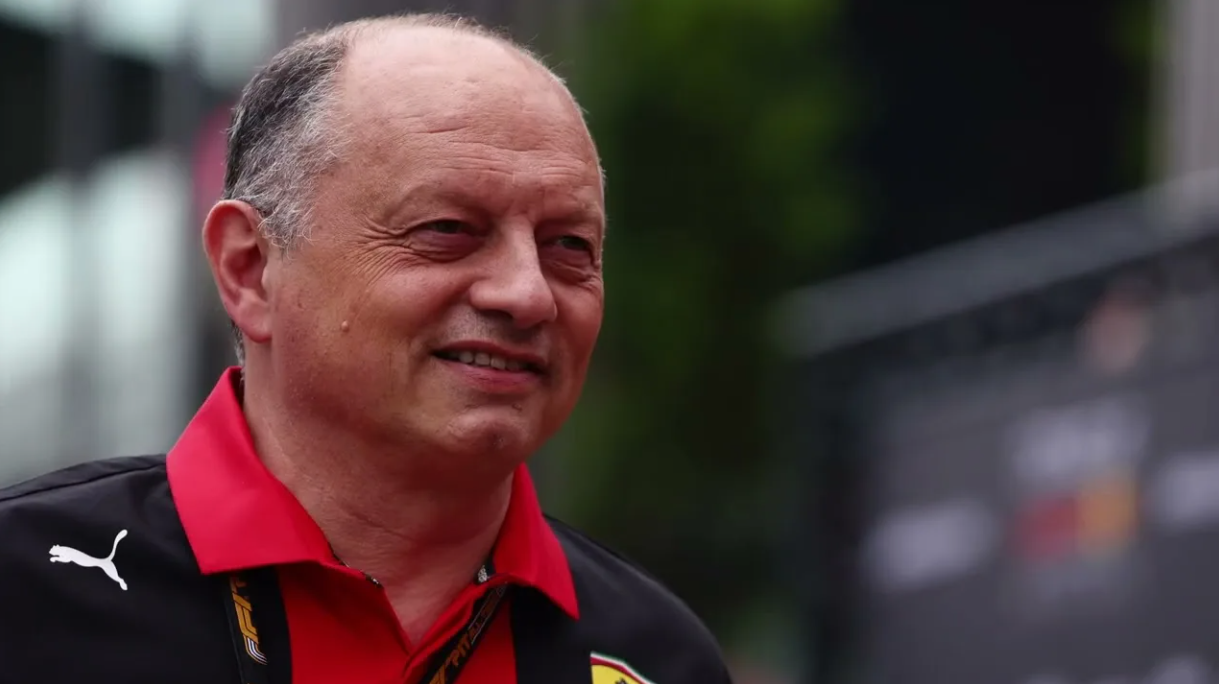
Why Brake Feel Matters in Formula 1
Brake characteristics are among the most important elements of a Formula 1 car from a driver’s perspective. Confidence under braking directly affects consistency, race pace, and overtaking opportunities.
Potential Advantages of the New Brake Setup
- Improved braking consistency;
- Better temperature control;
- Greater driver confidence;
- More predictable pedal feel;
- Enhanced performance in changing conditions;
- Reduced fluctuations over long runs.
Even minor improvements can translate into valuable tenths of a second over the course of a race weekend.
Will Leclerc Continue Using the New Configuration?
When asked whether Leclerc would keep the Carbon Industrie setup for the remainder of the weekend, Vasseur strongly indicated that Ferrari intended to proceed with the new specification.
Such a decision suggests that the data collected during practice aligned with the driver’s impressions.
Reasons Ferrari Continued the Test
- No significant reliability concerns emerged;
- Leclerc adapted comfortably to the setup;
- Engineers found encouraging data;
- The overall feedback remained positive;
- The potential benefits outweighed any risks.
Continuing with the package could provide Ferrari with valuable information for future events.
Ferrari Introduces New Upgrades
The brake experiment was only part of Ferrari’s development program in Barcelona.
The team also introduced a fresh package of upgrades aimed at improving the SF-26’s overall competitiveness.
During the first practice session, Ferrari compared the previous specification with the updated version of the car to determine the effectiveness of the changes.
By the second session, both Charles Leclerc and Lewis Hamilton had switched to the upgraded package.
Ferrari’s Testing Approach
| Development Area | Testing Method | Initial Outcome |
|---|---|---|
| Brake Configuration | Leclerc evaluation | Positive feedback |
| Temperature Management | Alternating laps | Successful execution |
| Car Specification | Old versus new comparison | Useful data collected |
| Updated SF-26 | Introduced gradually | Used by both drivers |
| Driver Input | Continuous feedback | Encouraging response |
| Team Evaluation | Performance analysis | Optimistic outlook |
Why Barcelona Remains a Crucial Test Venue
The Circuit de Barcelona-Catalunya continues to be one of Formula 1’s most valuable circuits for evaluating performance upgrades.
Its demanding layout allows teams to assess several characteristics simultaneously.
Barcelona’s Key Challenges
- Heavy braking zones;
- A combination of high- and low-speed corners;
- Significant aerodynamic demands;
- Tire degradation concerns;
- Opportunities for setup experimentation.
Strong performance in Barcelona often provides a clearer picture of a car’s true potential.
Leclerc’s Pursuit of Perfection
Charles Leclerc has consistently highlighted the importance of confidence when braking at the limit. Drivers rely heavily on instinct, and any uncertainty can compromise both performance and consistency. Even subtle changes in pedal feel may influence lap times, tire management, and overtaking opportunities. Ferrari’s willingness to explore alternative brake solutions demonstrates a commitment to extracting every possible advantage from the SF-26. Modern Formula 1 is defined by marginal gains, where tiny improvements accumulated over a season can produce significant competitive benefits. Leclerc’s feedback remains central to that process, as engineers seek to provide him with a car capable of maximizing his natural speed and precision. By investing track time in detailed experimentation, Ferrari reinforces its philosophy of continuous development and adaptability. While the gains from this particular test may appear small on paper, the sport has repeatedly shown that championships are often decided by the smallest details and the relentless pursuit of perfection.
Ferrari’s Development Philosophy
Ferrari’s approach in Barcelona reflected an organization increasingly willing to innovate and adapt.
Current Priorities for the Team
- Encouraging technical innovation;
- Listening carefully to driver feedback;
- Improving consistency;
- Accelerating development decisions;
- Maximizing the car’s performance potential;
- Preparing effectively for future challenges.
The combination of experimentation and upgrades highlights Ferrari’s determination to remain competitive throughout the season.
Optimism Growing Inside Ferrari
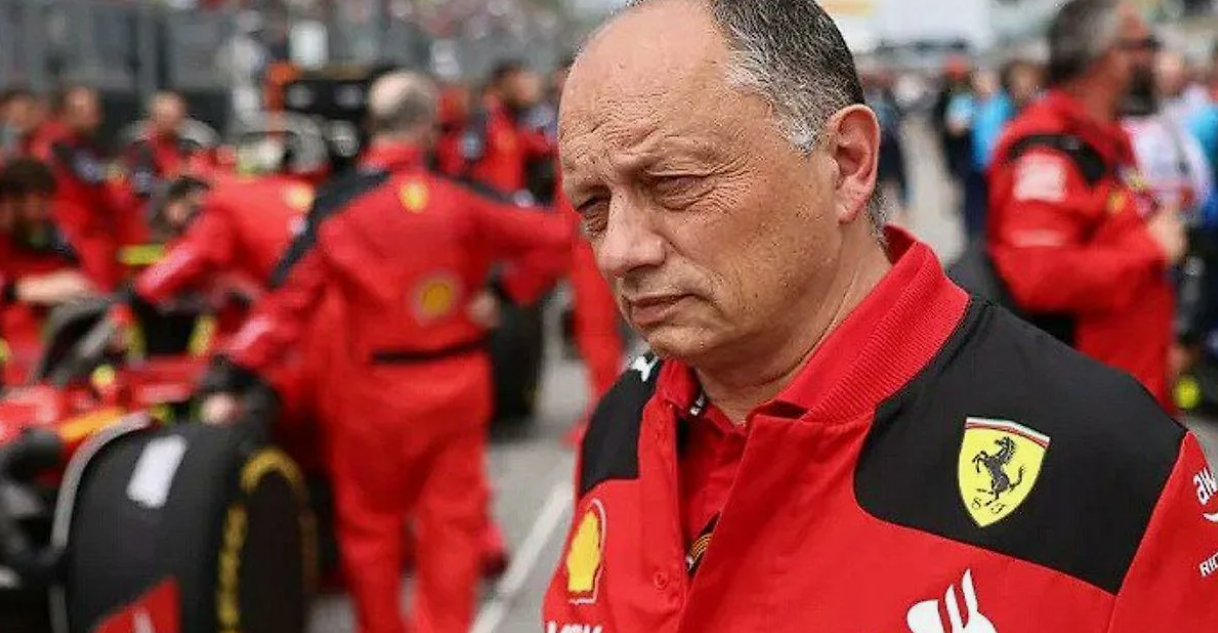
Vasseur admitted that the first indications from Barcelona looked promising, although he cautioned against drawing definitive conclusions too early.
More analysis remains necessary before Ferrari fully understands the impact of the latest developments.
Nevertheless, the atmosphere inside the team appears increasingly positive.
Key Takeaways from Barcelona
- The Carbon Industrie brake setup delivered encouraging results;
- Leclerc responded positively to the experiment;
- Ferrari’s upgrade package performed as expected;
- Comparative testing generated valuable data;
- Both drivers transitioned to the updated SF-26;
- The team remains optimistic about future progress.
Conclusion
Fred Vasseur’s first assessment of Charles Leclerc’s brake experiment paints an encouraging picture for Ferrari. The Carbon Industrie configuration appears to have passed its initial evaluation, while the team’s latest upgrades also produced promising signs during practice in Barcelona.
Although further analysis will determine the long-term benefits of these developments, Ferrari’s willingness to experiment and innovate suggests the Scuderia remains committed to finding every possible performance advantage as the season progresses.
No Comments