
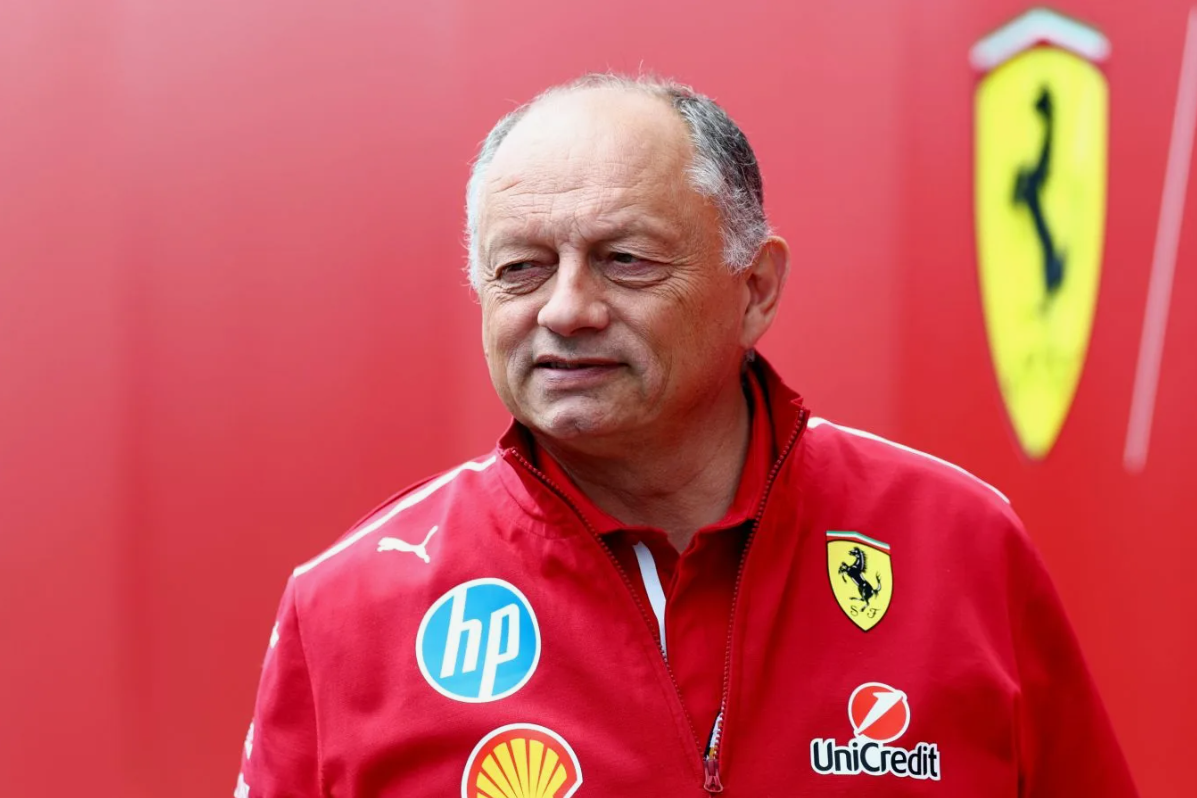
Ο επικεφαλής της ομάδας Ferrari, Fred Vasseur, μοιράστηκε την αρχική του αξιολόγηση για την πειραματική ρύθμιση φρένων του Charles Leclerc μετά τις δοκιμαστικές περιόδους στην πίστα Βαρκελώνης-Καταλονίας. Ο οδηγός από το Μονεγάσκο δοκίμασε δισκόφρενα Carbon Industrie καθώς η Ferrari συνέχιζε να αξιολογεί πιθανές βελτιώσεις για το SF-26.
Σύμφωνα με τον Vasseur, οι πρώτες ενδείξεις από τη δοκιμή ήταν ενθαρρυντικές παρά τον περιορισμένο αριθμό γύρων που ήταν διαθέσιμοι για αξιολόγηση.
Το πείραμα φρένων της Ferrari στη Βαρκελώνη
Κατά τη διάρκεια των πρώτων δοκιμαστικών, η Ferrari αφιέρωσε πολύτιμο χρόνο στην πίστα για να αξιολογήσει μια εναλλακτική διαμόρφωση φρένων στο αυτοκίνητο του Leclerc.
Η δοκιμή συστημάτων φρένων στη Formula 1 απαιτεί προσεκτικό έλεγχο της θερμοκρασίας, κάτι που εμπόδισε την ομάδα να ολοκληρώσει μεγάλες αδιάλειπτες διαδρομές.
Αντ' αυτού, οι μηχανικοί εναλλάσσονταν μεταξύ γρήγορων γύρων και φάσεων ψύξης για να διατηρήσουν βέλτιστες συνθήκες λειτουργίας.
«Δεν υπήρχαν πολλοί γύροι επειδή πρέπει συνεχώς να εναλλάσσεσαι μεταξύ των γύρων ώθησης και της ψύξης των φρένων. Αλλά όλα πήγαν καλά.»
Τα σχόλια του Βασέρ υποδήλωναν ότι η Φεράρι ήταν ικανοποιημένη με το αποτέλεσμα του πειράματος.
Γιατί η αίσθηση των φρένων έχει σημασία στη Formula 1
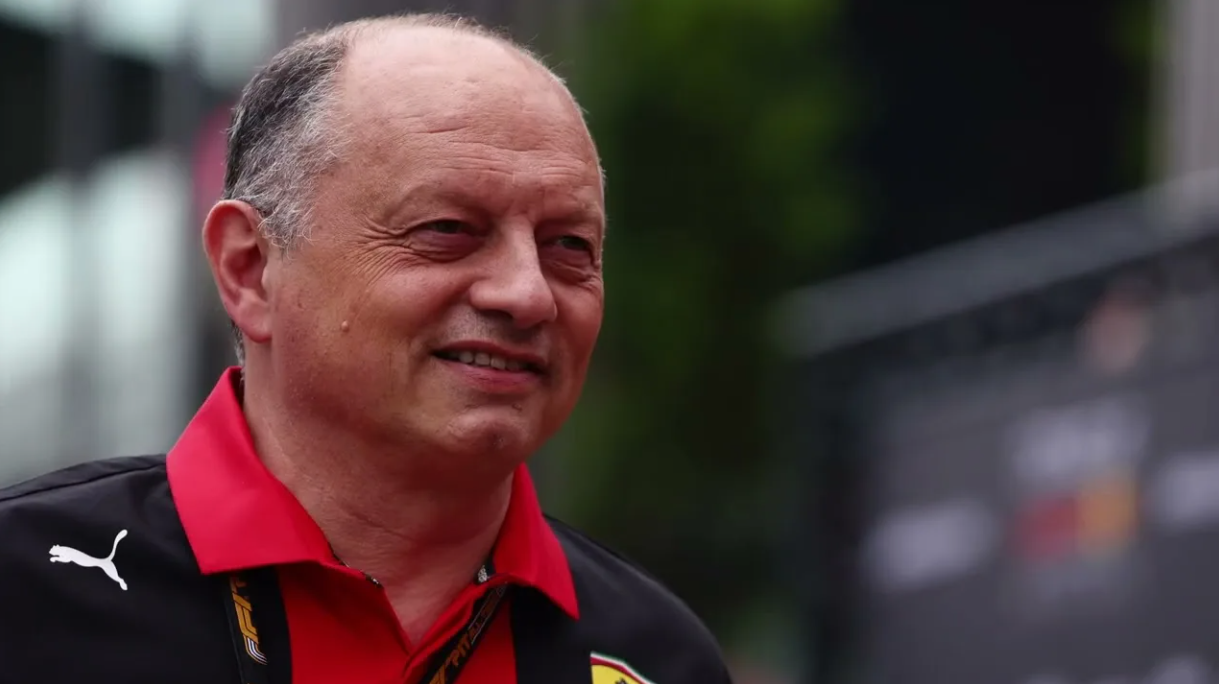
Τα χαρακτηριστικά των φρένων είναι από τα πιο σημαντικά στοιχεία ενός αυτοκινήτου της Formula 1 από την οπτική γωνία του οδηγού. Η αυτοπεποίθηση στο φρενάρισμα επηρεάζει άμεσα τη σταθερότητα, τον ρυθμό αγώνα και τις ευκαιρίες προσπεράσεων.
Πιθανά πλεονεκτήματα της νέας ρύθμισης φρένων
- Βελτιωμένη σταθερότητα πέδησης.
- Καλύτερος έλεγχος θερμοκρασίας.
- Μεγαλύτερη αυτοπεποίθηση του οδηγού.
- Πιο προβλέψιμη αίσθηση πεντάλ.
- Βελτιωμένη απόδοση σε μεταβαλλόμενες συνθήκες.
- Μειωμένες διακυμάνσεις σε μακροπρόθεσμες περιόδους.
Ακόμα και μικρές βελτιώσεις μπορούν να μεταφραστούν σε πολύτιμα δέκατα του δευτερολέπτου κατά τη διάρκεια ενός αγωνιστικού Σαββατοκύριακου.
Θα συνεχίσει ο Leclerc να χρησιμοποιεί τη νέα διαμόρφωση;
Όταν ρωτήθηκε αν ο Leclerc θα διατηρούσε την Carbon Industrie για το υπόλοιπο του Σαββατοκύριακου, ο Vasseur άφησε να εννοηθεί ότι η Ferrari σκόπευε να προχωρήσει με τις νέες προδιαγραφές.
Μια τέτοια απόφαση υποδηλώνει ότι τα δεδομένα που συλλέχθηκαν κατά τη διάρκεια της προπόνησης συμφωνούσαν με τις εντυπώσεις του οδηγού.
Λόγοι για τους οποίους η Ferrari συνέχισε τις δοκιμές
- Δεν προέκυψαν σημαντικά ζητήματα αξιοπιστίας.
- Ο Λεκλέρκ προσαρμόστηκε άνετα στο σετάρισμα.
- Οι μηχανικοί βρήκαν ενθαρρυντικά δεδομένα.
- Η συνολική ανατροφοδότηση παρέμεινε θετική.
- Τα πιθανά οφέλη υπερτερούσαν τυχόν κινδύνων.
Η συνέχιση του πακέτου θα μπορούσε να προσφέρει στη Ferrari πολύτιμες πληροφορίες για μελλοντικές εκδηλώσεις.
Η Ferrari παρουσιάζει νέες αναβαθμίσεις
Το πείραμα με τα φρένα ήταν μόνο ένα μέρος του προγράμματος ανάπτυξης της Ferrari στη Βαρκελώνη.
Η ομάδα εισήγαγε επίσης ένα νέο πακέτο αναβαθμίσεων που στοχεύουν στη βελτίωση της συνολικής ανταγωνιστικότητας του SF-26.
Κατά τη διάρκεια της πρώτης περιόδου δοκιμών, η Ferrari συνέκρινε τις προηγούμενες προδιαγραφές με την αναβαθμισμένη έκδοση του αυτοκινήτου για να διαπιστώσει την αποτελεσματικότητα των αλλαγών.
Μέχρι τη δεύτερη περίοδο, τόσο ο Charles Leclerc όσο και ο Lewis Hamilton είχαν αλλάξει στο αναβαθμισμένο πακέτο.
Η προσέγγιση δοκιμών της Ferrari
| Περιοχή Ανάπτυξης | Μέθοδος δοκιμής | Αρχικό Αποτέλεσμα |
|---|---|---|
| Διαμόρφωση φρένων | Αξιολόγηση του Leclerc | Θετική ανταπόκριση |
| Διαχείριση θερμοκρασίας | Εναλλασσόμενοι γύροι | Επιτυχής εκτέλεση |
| Προδιαγραφές αυτοκινήτου | Σύγκριση παλιού έναντι νέου | Χρήσιμα δεδομένα που συλλέχθηκαν |
| Ενημερωμένο SF-26 | Εισάγεται σταδιακά | Χρησιμοποιείται και από τους δύο οδηγούς |
| Είσοδος οδηγού | Συνεχής ανατροφοδότηση | Ενθαρρυντική ανταπόκριση |
| Αξιολόγηση Ομάδας | Ανάλυση απόδοσης | Αισιόδοξη προοπτική |
Γιατί η Βαρκελώνη παραμένει ένας κρίσιμος χώρος δοκιμών
Η πίστα Circuit de Barcelona-Catalunya εξακολουθεί να είναι μία από τις πιο πολύτιμες πίστες της Formula 1 για την αξιολόγηση αναβαθμίσεων απόδοσης.
Η απαιτητική διάταξή του επιτρέπει στις ομάδες να αξιολογούν πολλά χαρακτηριστικά ταυτόχρονα.
Οι βασικές προκλήσεις της Βαρκελώνης
- Ζώνες έντονης πέδησης.
- Ένας συνδυασμός στροφών υψηλής και χαμηλής ταχύτητας.
- Σημαντικές αεροδυναμικές απαιτήσεις.
- Ανησυχίες για την υποβάθμιση των ελαστικών.
- Ευκαιρίες για πειραματισμό στη ρύθμιση.
Οι ισχυρές επιδόσεις στη Βαρκελώνη συχνά παρέχουν μια πιο σαφή εικόνα των πραγματικών δυνατοτήτων ενός αυτοκινήτου.
Η επιδίωξη της τελειότητας από τον Leclerc
Ο Charles Leclerc έχει επανειλημμένα τονίσει τη σημασία της αυτοπεποίθησης κατά το φρενάρισμα στο όριο. Οι οδηγοί βασίζονται σε μεγάλο βαθμό στο ένστικτο και οποιαδήποτε αβεβαιότητα μπορεί να θέσει σε κίνδυνο τόσο την απόδοση όσο και τη συνέπεια. Ακόμα και ανεπαίσθητες αλλαγές στην αίσθηση του πεντάλ μπορεί να επηρεάσουν τους χρόνους γύρου, τη διαχείριση των ελαστικών και τις ευκαιρίες προσπεράσεων. Η προθυμία της Ferrari να διερευνήσει εναλλακτικές λύσεις φρένων καταδεικνύει τη δέσμευση της να εξάγει κάθε πιθανό πλεονέκτημα από το SF-26. Η σύγχρονη Formula 1 ορίζεται από οριακά κέρδη, όπου οι μικρές βελτιώσεις που συσσωρεύονται κατά τη διάρκεια μιας σεζόν μπορούν να αποφέρουν σημαντικά ανταγωνιστικά οφέλη. Η ανατροφοδότηση του Leclerc παραμένει κεντρική σε αυτή τη διαδικασία, καθώς οι μηχανικοί επιδιώκουν να του παρέχουν ένα αυτοκίνητο ικανό να μεγιστοποιήσει τη φυσική του ταχύτητα και ακρίβεια. Επενδύοντας τον χρόνο πίστας σε λεπτομερή πειραματισμό, η Ferrari ενισχύει τη φιλοσοφία της συνεχούς ανάπτυξης και προσαρμοστικότητας. Ενώ τα κέρδη από αυτή τη συγκεκριμένη δοκιμή μπορεί να φαίνονται μικρά στα χαρτιά, το άθλημα έχει επανειλημμένα δείξει ότι τα πρωταθλήματα συχνά κρίνονται από τις μικρότερες λεπτομέρειες και την αδιάκοπη επιδίωξη της τελειότητας.
Η φιλοσοφία ανάπτυξης της Ferrari
Η προσέγγιση της Ferrari στη Βαρκελώνη αντανακλούσε έναν οργανισμό που ήταν ολοένα και πιο πρόθυμος να καινοτομήσει και να προσαρμοστεί.
Τρέχουσες προτεραιότητες για την ομάδα
- Ενθάρρυνση της τεχνικής καινοτομίας·
- Ακούγοντας προσεκτικά τα σχόλια του οδηγού.
- Βελτίωση της συνέπειας·
- Επιτάχυνση των αναπτυξιακών αποφάσεων·
- Μεγιστοποίηση των δυνατοτήτων απόδοσης του αυτοκινήτου·
- Αποτελεσματική προετοιμασία για μελλοντικές προκλήσεις.
Ο συνδυασμός πειραματισμού και αναβαθμίσεων υπογραμμίζει την αποφασιστικότητα της Ferrari να παραμείνει ανταγωνιστική καθ' όλη τη διάρκεια της σεζόν.
Η αισιοδοξία αναπτύσσεται μέσα στη Ferrari
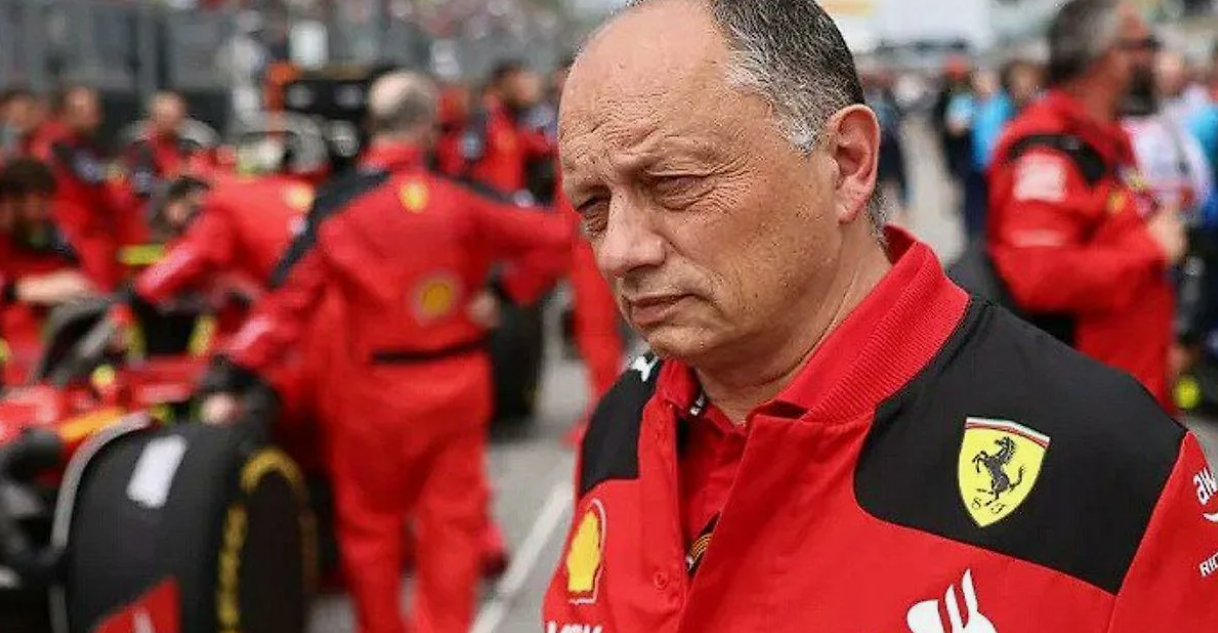
Ο Βασέρ παραδέχτηκε ότι οι πρώτες ενδείξεις από τη Βαρκελώνη φαίνονταν πολλά υποσχόμενες, αν και προειδοποίησε να μην εξαχθούν οριστικά συμπεράσματα πολύ νωρίς.
Απαιτείται περισσότερη ανάλυση προτού η Ferrari κατανοήσει πλήρως τον αντίκτυπο των τελευταίων εξελίξεων.
Παρόλα αυτά, το κλίμα στην ομάδα φαίνεται όλο και πιο θετικό.
Σημαντικά σημεία από τη Βαρκελώνη
- Η ρύθμιση των φρένων της Carbon Industry έδωσε ενθαρρυντικά αποτελέσματα.
- Ο Λεκλέρκ ανταποκρίθηκε θετικά στο πείραμα.
- Το πακέτο αναβάθμισης της Ferrari απέδωσε όπως αναμενόταν.
- Οι συγκριτικές δοκιμές παρήγαγαν πολύτιμα δεδομένα.
- Και οι δύο οδηγοί άλλαξαν στο αναβαθμισμένο SF-26.
- Η ομάδα παραμένει αισιόδοξη για την μελλοντική πρόοδο.
Συμπέρασμα
Η πρώτη αξιολόγηση του Fred Vasseur για το πείραμα φρένων του Charles Leclerc σκιαγραφεί μια ενθαρρυντική εικόνα για τη Ferrari. Η διαμόρφωση Carbon Industry φαίνεται να έχει περάσει την αρχική της αξιολόγηση, ενώ οι τελευταίες αναβαθμίσεις της ομάδας έδωσαν επίσης πολλά υποσχόμενα σημάδια κατά τη διάρκεια των δοκιμών στη Βαρκελώνη.
Αν και περαιτέρω ανάλυση θα καθορίσει τα μακροπρόθεσμα οφέλη αυτών των εξελίξεων, η προθυμία της Ferrari να πειραματιστεί και να καινοτομήσει υποδηλώνει ότι η Scuderia παραμένει προσηλωμένη στην εξεύρεση κάθε πιθανού πλεονεκτήματος απόδοσης καθώς προχωρά η σεζόν.

Χωρίς σχόλια