
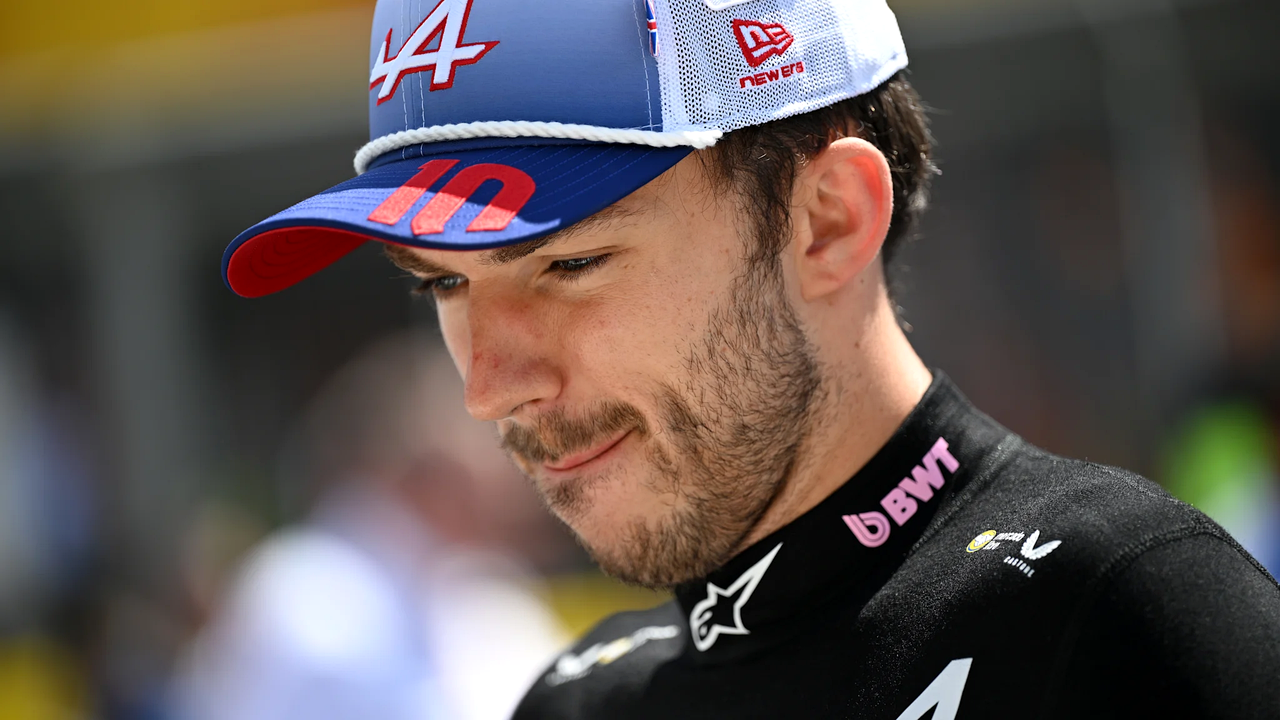
Ollie Bearman did not need dramatic language after Haas struggled at the British Grand Prix. Saying the car was not quick enough was damaging because it sounded like a clear reading, not a reaction.
A home race made the weakness louder
A poor British Grand Prix always feels heavier for Bearman because the attention is sharper. Haas did not simply miss a headline result. They looked short of the pace needed to turn strategy into opportunity. That is the part a driver cannot hide.
Bearman’s reaction mattered because it did not sound like frustration for its own sake. He described a problem that had been visible on track. When the driver’s words match the timing screens, the team have less room to soften the message.

Haas need to separate cause from effect
A slow weekend can come from many places: balance, drag, tyre life, traffic or a setup direction that never worked. Haas have to avoid folding all of that into one vague idea of being uncompetitive. The fix depends on knowing which part hurt them most.
Silverstone is a strong test of aero confidence. If the car is nervous through fast corners, the driver loses time before the braking zone even arrives. If the tyres suffer, the race fades after the first few laps. Haas need the diagnosis to be specific.
| Bearman note | Main note |
|---|---|
| Driver view | Bearman said Haas lacked the pace needed to compete properly at Silverstone. |
| Team problem | The garage must identify whether balance, drag or tyre life was the main limiter. |
| Next sign | A cleaner qualifying or steadier race stint would show that the message landed. |
Also read: Reliability is back at the centre of the 2026 title fight. More news: Goodwood gives F1 a live stage for its history.
Bearman still has to protect his own level
The danger for a young driver in a slow car is that every race becomes a rescue attempt. Bearman has to avoid that trap. His job is to extract what is available, not to turn a car outside the points into a podium machine through risk.
That is why measured criticism can be useful. It tells the team the problem is real while showing the driver is not losing discipline. Bearman needs to keep that tone if Haas are to build around his feedback.
The midfield will not wait
Haas are fighting in a part of the grid where small upgrades change the order quickly. A team that looks close one weekend can look exposed the next. That makes Silverstone dangerous because rivals will treat Haas as catchable if the weakness repeats.
The response has to arrive in practice plans and race execution. If Haas spend too long searching, other teams will bank points on the weekends when the American squad are still trying to understand the car.
Painful can still be useful
Bearman’s word choice was harsh, but it may help. A team sometimes needs a plain statement to stop accepting narrow excuses. Haas do not need panic. They need the kind of discomfort that makes a technical group check its assumptions.
The best outcome is not a public promise. It is a weekend where the car gives Bearman a cleaner platform and lets the strategy team make normal choices. Haas need fewer heroic drives and more usable pace.
The next race must show direction
One bad Grand Prix can be explained. Two similar weekends begin to form a pattern. Haas therefore need the next event to show at least one clear improvement: better qualifying balance, kinder tyre life or a race pace that does not fade.
Bearman’s honesty has put the issue in the open. Now the team have to turn that honesty into work. If the car responds, the comment will look like a useful warning. If it does not, it will sound like the first line of a longer problem.
What Haas should protect now
Haas need to protect Bearman’s belief as much as the car’s development direction. A young driver can accept a slow weekend if he sees a clear plan. Repeated confusion is far more damaging than one weak result.
The team should give him targets that are possible inside the car’s current level. If the goal is only points, every race outside the top ten feels like failure. If the goal includes execution markers, the garage can still measure progress.
That does not lower standards. It makes them useful. Better tyre preparation, cleaner pit windows and fewer balance swings can all move Haas forward before a major upgrade changes the raw pace.
Bearman also has to keep the public message balanced. Honest criticism works when it is attached to work. If it becomes a weekly complaint, it loses power and makes the team look divided.
Silverstone hurt because the weakness was visible. The next opportunity is to make the response visible too, even if the final result is modest. Haas need a weekend that feels organised from the first run.

No Comments