
The Goodwood Festival of Speed has become more than a display weekend for Formula 1. With teams, drivers and historic machinery in action, the event lets the sport show its history in a simple and lively way.
The hillclimb changes the view
A Grand Prix weekend is built around precision and secrecy. Goodwood is different. Cars run close to the crowd, drivers speak more freely, and older machines are allowed to be loud without needing to set a competitive target. That makes the event valuable for a sport that can sometimes feel guarded.
The official F1 list of teams and drivers shows how seriously the paddock now treats the festival. It is no longer a small side appearance. It is a public stage where current names and historic cars can share the same road.

Fans see more than polished content
The strength of Goodwood is that the cars look alive. A historic chassis being driven up the hill tells a different story from a static display. The sound, the body movement and the driver’s caution make the machinery feel understandable even to people who do not know every technical detail.
That is why the festival suits Formula 1. It can show engineering heritage without a lecture. A child can hear a past era, a long-time fan can recognise a famous shape, and a current team can present itself in a warmer setting than a pit wall.
| Goodwood note | Main note |
|---|---|
| Event role | Goodwood puts current F1 names beside historic cars in a relaxed public setting. |
| Fan value | Moving cars explain heritage better than static displays. |
| Brand risk | The event works only if the appearances feel real, not over-scripted. |
Also read: Bearman’s Haas warning is painful because it sounds measured. More news: Antonelli’s Italian milestone now brings a different kind of pressure.
Modern drivers benefit too
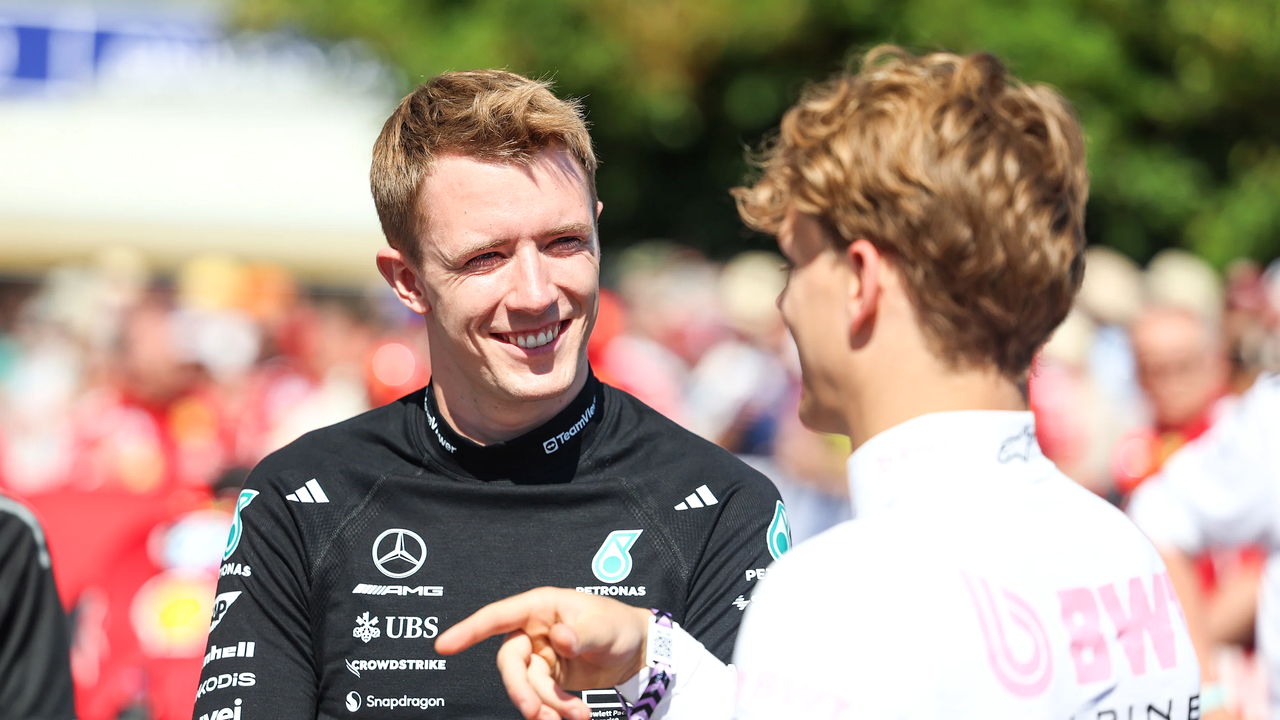
For current drivers, Goodwood offers a different kind of visibility. They are not being judged by sector times. They can speak to fans, drive special cars and show a little more personality. In a long season, that matters.
The event also reminds younger drivers that they are part of a longer line. That can be healthy. Formula 1 moves so fast that even recent history can feel distant. Goodwood puts that history in front of them in moving form.
Teams protect their brands carefully
There is still planning behind the relaxed mood. Teams choose which cars to send, which drivers appear and how much technical access is allowed. Even nostalgia is managed. The difference is that the management is less visible than on a race weekend.
That balance works when the event feels generous rather than staged. Fans want to see real cars and real people, not only a branded backdrop. The strongest Goodwood appearances are the ones that let the machinery carry the message.
The timing is useful for the championship
The festival lands during a season when several teams are under close sporting pressure. A public celebration can soften the atmosphere without distracting from the work. It gives fans a broader reason to stay engaged between races.
It also lets teams reach people who may not follow every practice session. A single run up the hill can introduce a car, a driver or a team story more clearly than a technical article. That outreach is not minor for a sport trying to grow without losing old supporters.
History should stay connected to racing
Goodwood is at its best when it avoids treating history as a separate world. Formula 1’s past matters because it still shapes how fans read the present. A current Ferrari, Mercedes or Red Bull carries more meaning when the older chapters are visible nearby.
That is the real value of this weekend. It gives F1 room to breathe, remember and still move. The cars are not behind glass. They are running, and that keeps the memory honest.
Why the paddock keeps returning
Goodwood gives teams something a normal race weekend cannot offer: warmth without a result sheet. That is valuable for brands that spend most of the year hiding parts, guarding language and measuring every public moment.
The event also helps drivers speak to different generations at once. A current driver in an older car can connect with fans who grew up with that machine, while younger viewers see the sport’s past as sound and movement rather than archive footage.

For sponsors, the setting is useful because the audience is already interested. A car running up the hill is more memorable than a panel backdrop. The product is still sport, but the setting is closer to celebration.
That is why authenticity matters. If teams send cars that run properly and drivers who seem engaged, fans feel rewarded. If the appearance feels like a photo stop, the festival loses part of its charm.
Formula 1 needs both the intense race weekends and these softer public moments. Goodwood reminds the sport that history is not only content. It is a living asset when the cars are allowed to move.

No Comments