
Mercedes and Kimi Antonelli have been reminded that a fast car is not enough when a title season tightens. Recent trouble has made every past reliability lesson feel current again.
Why the old examples matter now
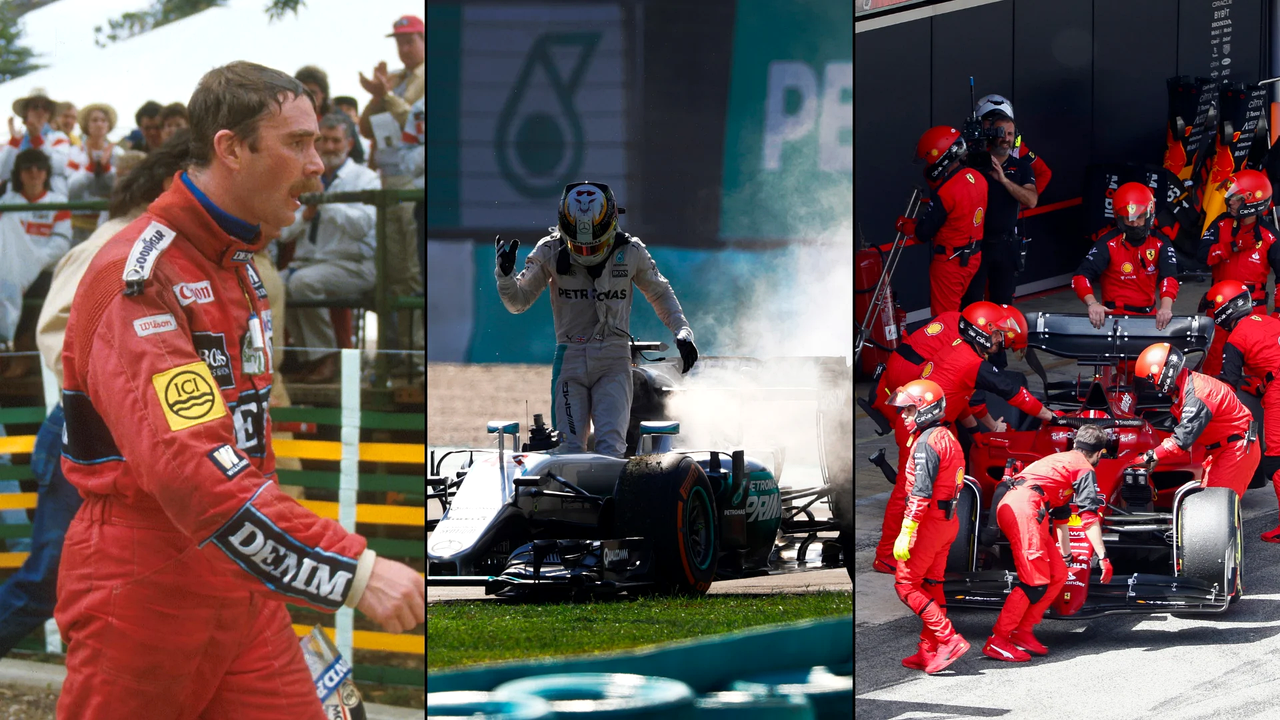
The official Formula 1 feature looked back at title races where a failed part, a puncture or a late loss of power changed the whole argument. That history is useful because the 2026 fight has reached the point where a retirement can be more expensive than a slow weekend.
For Antonelli, the point is not only emotional. Mercedes have enough pace to stay in the main conversation, but pace gives no protection if the car does not finish. A driver can recover from one difficult stint. A team cannot recover as easily from points that disappear with the car stopped beside the track.
Mercedes need calm, not slogans
The team response must be boring in the right way. Engineers need to isolate the failure path, decide whether the issue was a one-off, and check every related part before the next race weekend becomes another public test. Fast answers help the mood, but correct answers help the championship.
That is why the garage language matters. If Mercedes frame the problem as bad luck, rivals will feel the door is open. If the team show clear control over the fault, Antonelli can drive the next race without thinking every vibration is a warning.
| Reliability note | Main note |
|---|---|
| Core risk | A single technical retirement can cost more than several small pace defeats. |
| Driver task | Antonelli needs clean execution while Mercedes remove doubt around the car. |
| Team signal | Long runs and calm radio messages will matter as much as headline speed. |
Also read: Colapinto’s Alpine future is now a question of proof. More news: Bearman’s Haas warning is painful because it sounds measured.
Antonelli’s job is smaller than it looks
A young driver can be tempted to repair a technical loss by overdriving the following race. Antonelli does not need that. He needs clean starts, simple tyre management and the patience to take the result the car gives him. The championship does not reward panic after one failure.
There is also a public side. Every question about reliability can turn into a question about pressure. Antonelli has to keep the subject technical in his own mind. The mechanics can fix hardware. Only the driver can stop a mechanical story from changing the way he attacks a corner.
Rivals will press the weak spot
McLaren, Ferrari and Red Bull do not need to know the exact problem to change their behaviour. If Mercedes look fragile, rivals can force them into harder strategic choices. They can undercut earlier, extend pressure on cooling, or make the lead car spend more time in dirty air.
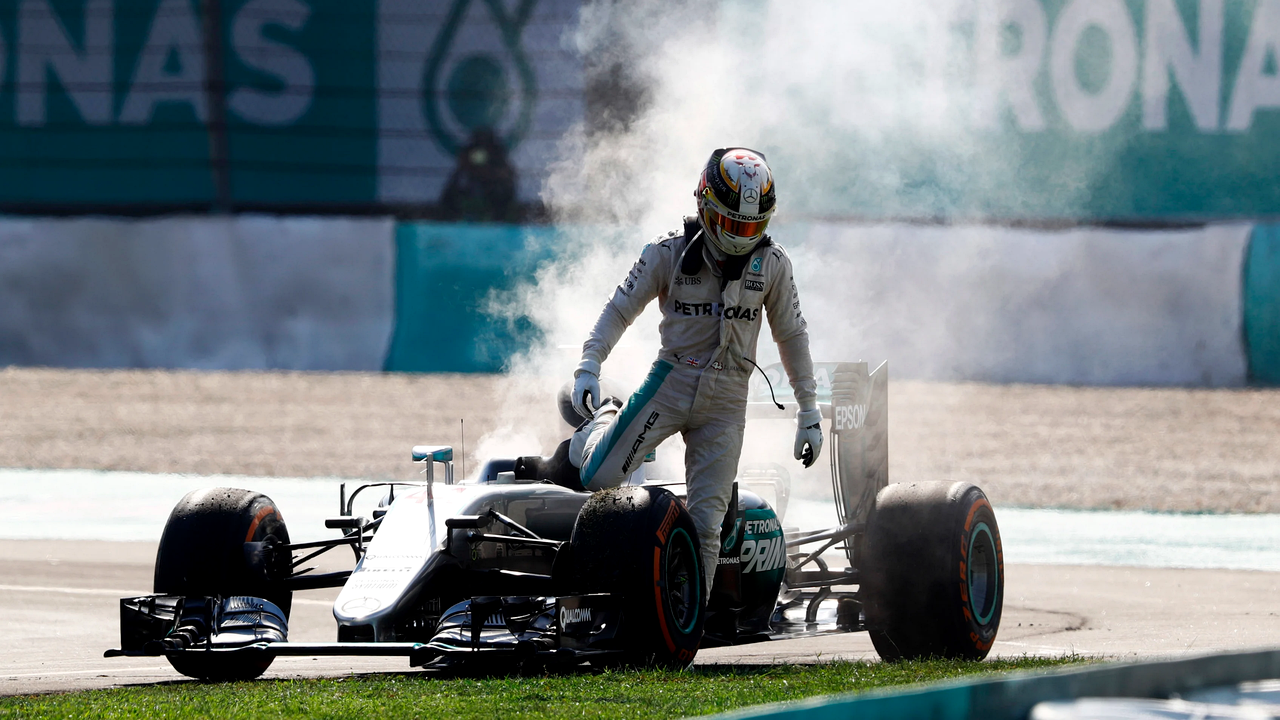
That is the hidden cost of a reliability scare. It makes opponents braver. A team that once looked hard to break suddenly becomes a team that might be pushed into protecting the car instead of racing with full freedom.
The points table can move fast
Reliability swings are brutal because they do not move in small steps. A fifth place lost to pace is disappointing. A likely podium lost to a stoppage can change the tone of the next month. The team behind the driver also feels it because every department sees its work judged by one silent car.
Mercedes therefore need to treat this as a race weekend inside the factory. The next update, the next Friday programme and even the run plans should show that the failure has been understood. Confidence is rebuilt with laps, not with statements.
A title bid still needs restraint
The good news for Mercedes is that reliability stories can fade quickly if the next few events are clean. The bad news is that the memory remains in every close strategy call. Once a team has been bitten, it may hesitate for a lap when rivals are already moving.
Antonelli’s season is still strong enough to absorb a scare. It will not absorb a pattern. The next phase is about making the car look ordinary again: fast in practice, predictable in the race, and invisible in the technical report after the flag.
How Mercedes can prove the fix
The next public proof will come through mileage. A clean practice day with long runs, stable temperatures and no defensive radio language would say more than a confident quote. Reliability confidence is built when the car keeps repeating the same answer.
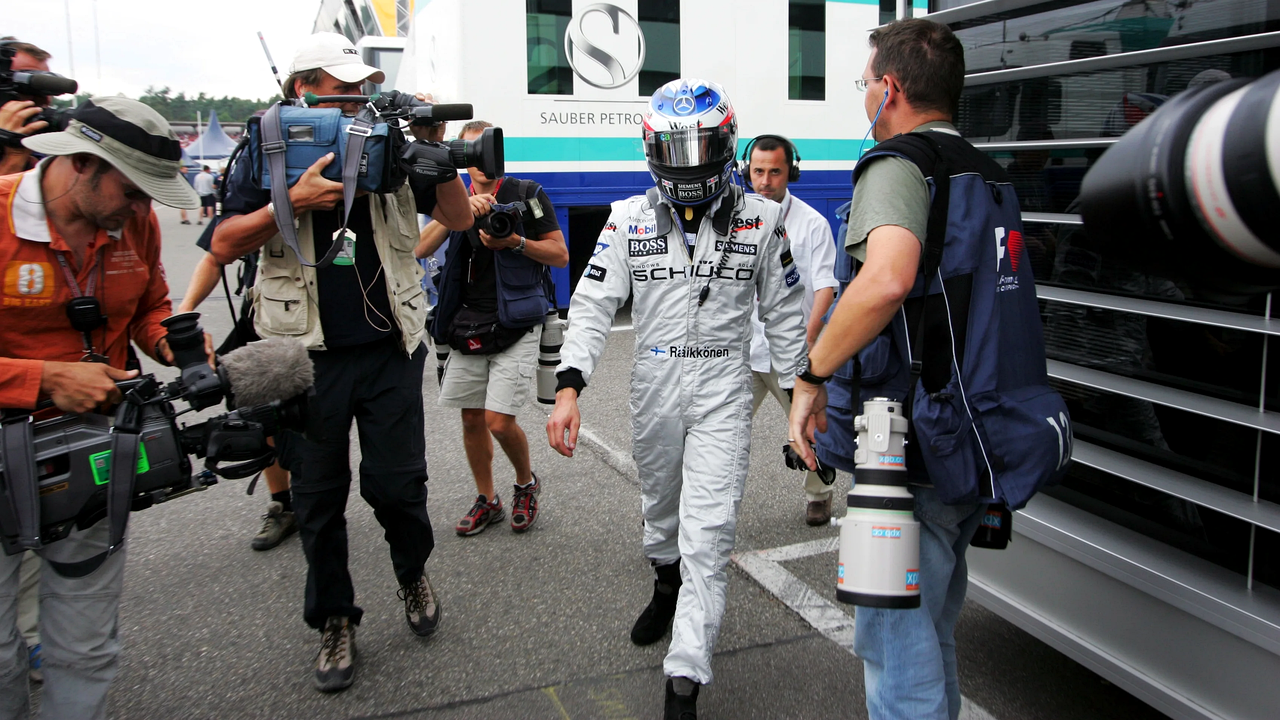
Mercedes should also avoid hiding every detail behind vague wording. They do not need to publish sensitive information, but they can show that the fault has a known boundary. A contained problem feels different from a mystery that may return at any speed.
Antonelli will listen to that tone. If the engineers sound certain, he can put the issue away and drive the car on feel. If the message stays soft, even a normal vibration can become a mental interruption in the middle of a stint.
The team may also choose safer early run plans. That can look conservative, but it is sensible if the target is proof. Pushing for one headline lap is less useful than completing enough laps to make the garage breathe normally again.
The title fight will forgive caution for one weekend if it prevents another zero. Mercedes need to make the next race boring in the best way: laps completed, tyres understood, and no technical story following the car back to the garage.

No Comments