
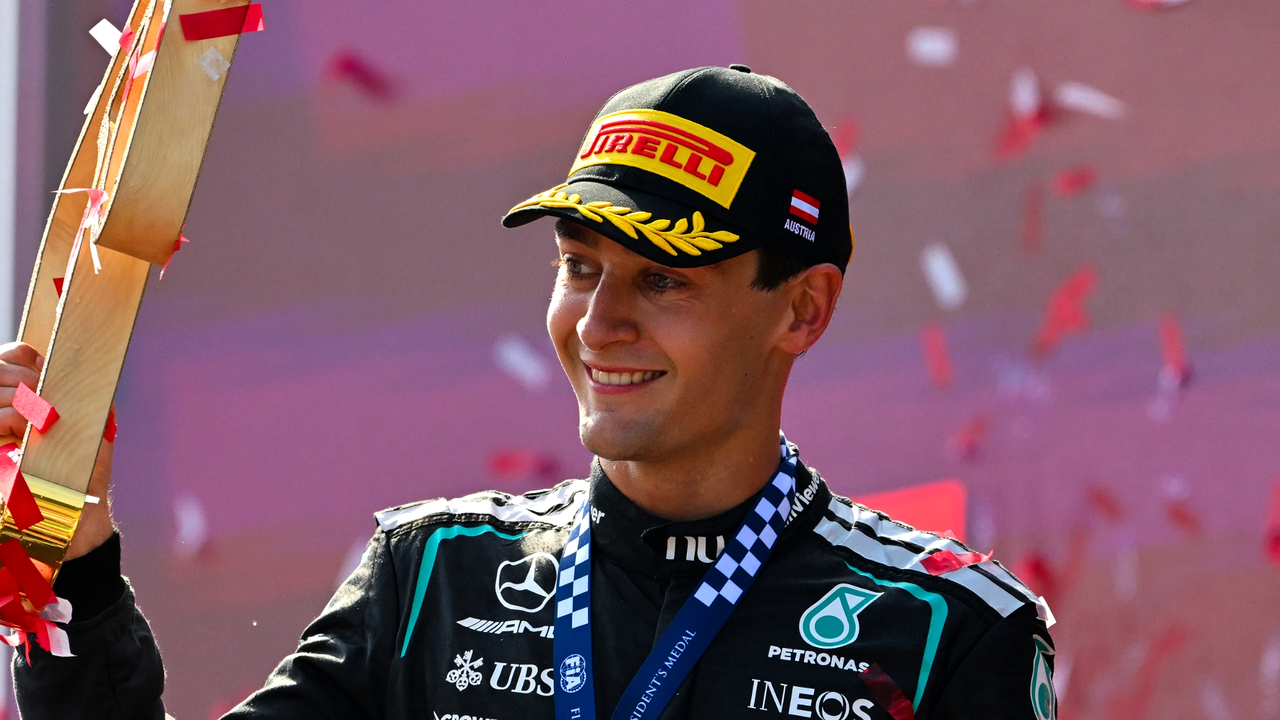
George Russell topped the post-Austria Power Rankings after converting pole into victory, but the deeper list showed why Verstappen, Racing Bulls and several midfield drivers changed the weekend’s competitive reading.
Russell earned the obvious headline
Power Rankings can sometimes flatter a driver who finishes above a car’s natural position, but Russell’s Austria score needed little interpretation. He took pole, kept the start clean and then absorbed the pressure of a race that never fully relaxed. The Mercedes driver did not simply inherit a strong weekend; he held it together after the controversy and tension of qualifying.
That matters because Russell’s win also changed the tone around Mercedes. The team had spent parts of the season trying to prove it could turn isolated pace into a full weekend. Austria gave them the most complete version of that answer. The ranking therefore works as a reflection of execution, not just finishing order.
Verstappen made second place feel larger than second
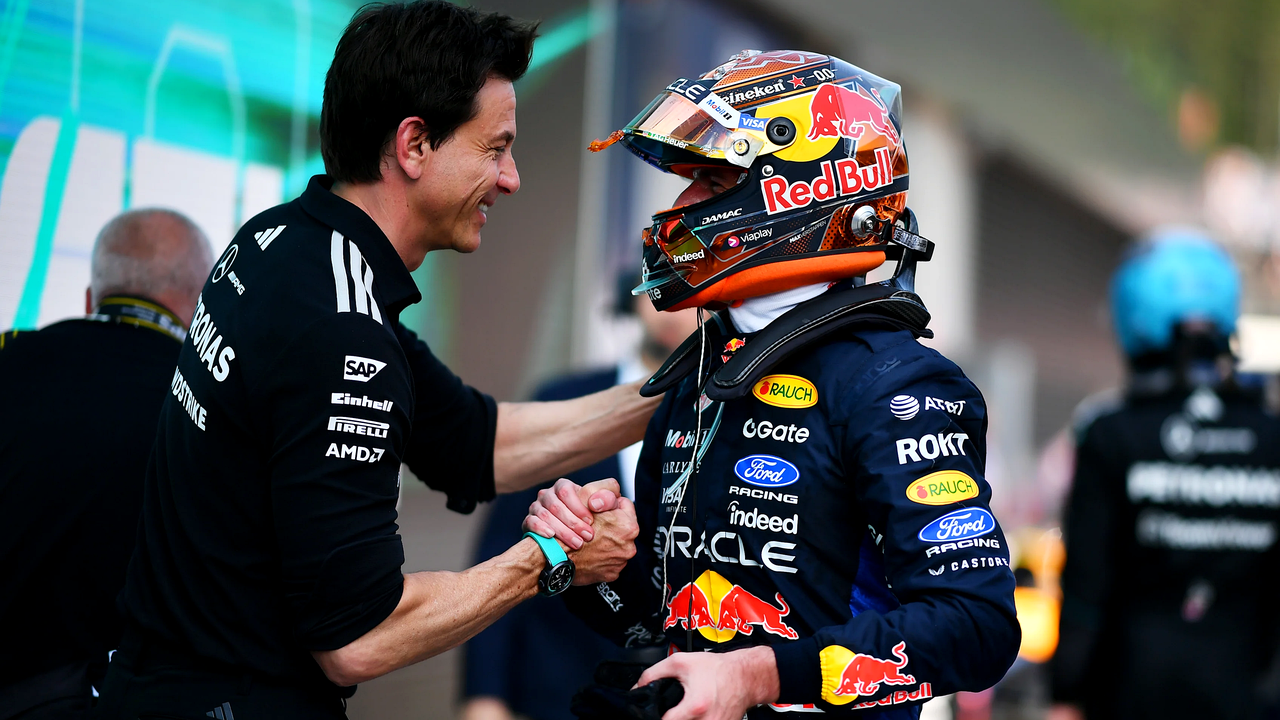
Max Verstappen’s ranking was almost as revealing. The crash in qualifying could have left Red Bull with another weekend of frustration, yet the upgraded car allowed him to fight the Mercedes on merit. Finishing less than two seconds behind Russell made the RB22’s step look more convincing than a simple recovery drive would have done.
The point is not that Red Bull suddenly own the fastest car. It is that Verstappen’s ceiling returned to the conversation. His race pace, tyre control and ability to clear Ferrari created a different kind of pressure on the front of the championship. The result linked directly with our Verstappen Austria charge analysis: the performance looked like evidence rather than defiance.
| Key point | Reading |
|---|---|
| Top mark | Russell led the judges after pole, victory and a controlled response to pressure. |
| Red Bull note | Verstappen’s upgraded RB22 turned a damaged qualifying into a close second place. |
| Midfield rise | Lawson and Lindblad kept Racing Bulls inside a third straight double-points finish. |
| Quiet value | Piastri, Hadjar, Gasly and Bortoleto were recognised for maximising difficult machinery. |
Racing Bulls refused to stay invisible
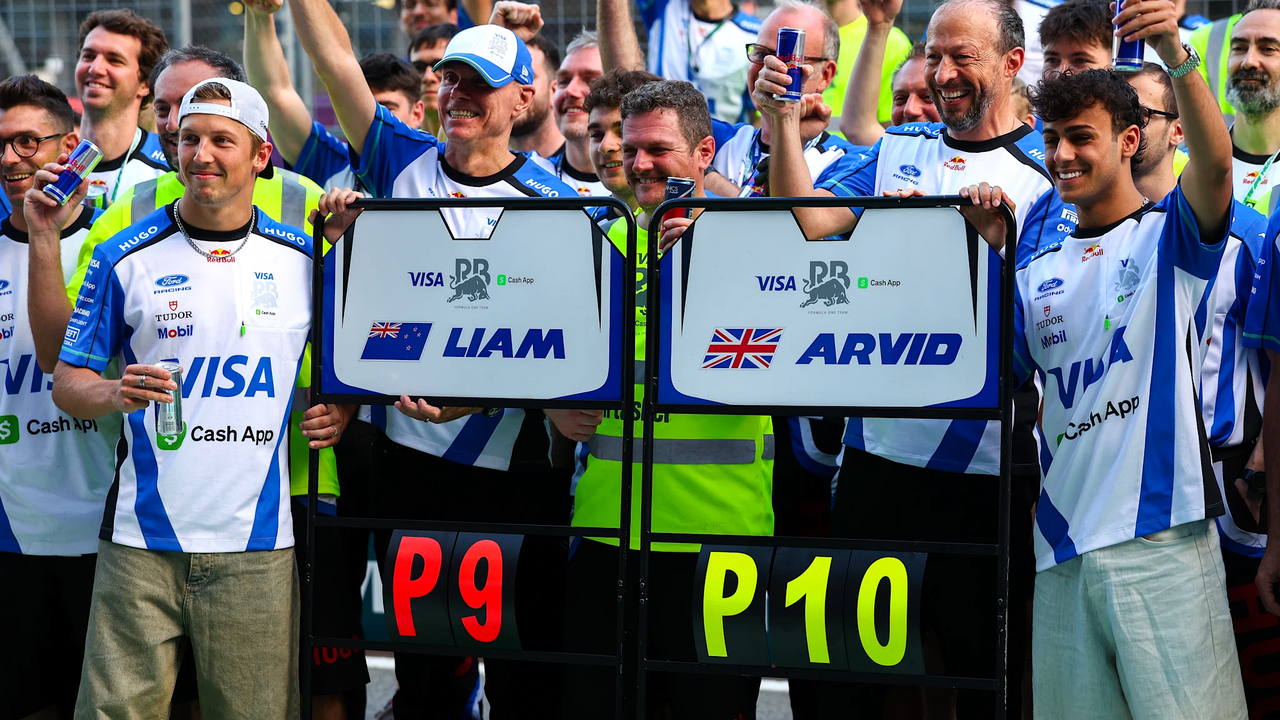
The rankings also gave proper weight to Racing Bulls. Liam Lawson scoring again would have been notable by itself, but Arvid Lindblad adding another point made the team’s progress harder to dismiss. A third consecutive double-points finish is no longer a happy accident; it is a pattern with constructors’ value.
Lawson’s weekend carried maturity, especially after the early brake scare, while Lindblad’s race showed how quickly a rookie can become a usable scoring piece. The pair are not winning races, so they will always fight for attention under the shadow of Mercedes, Ferrari, McLaren and Red Bull. Austria showed why the midfield table cannot be read only through the biggest names.
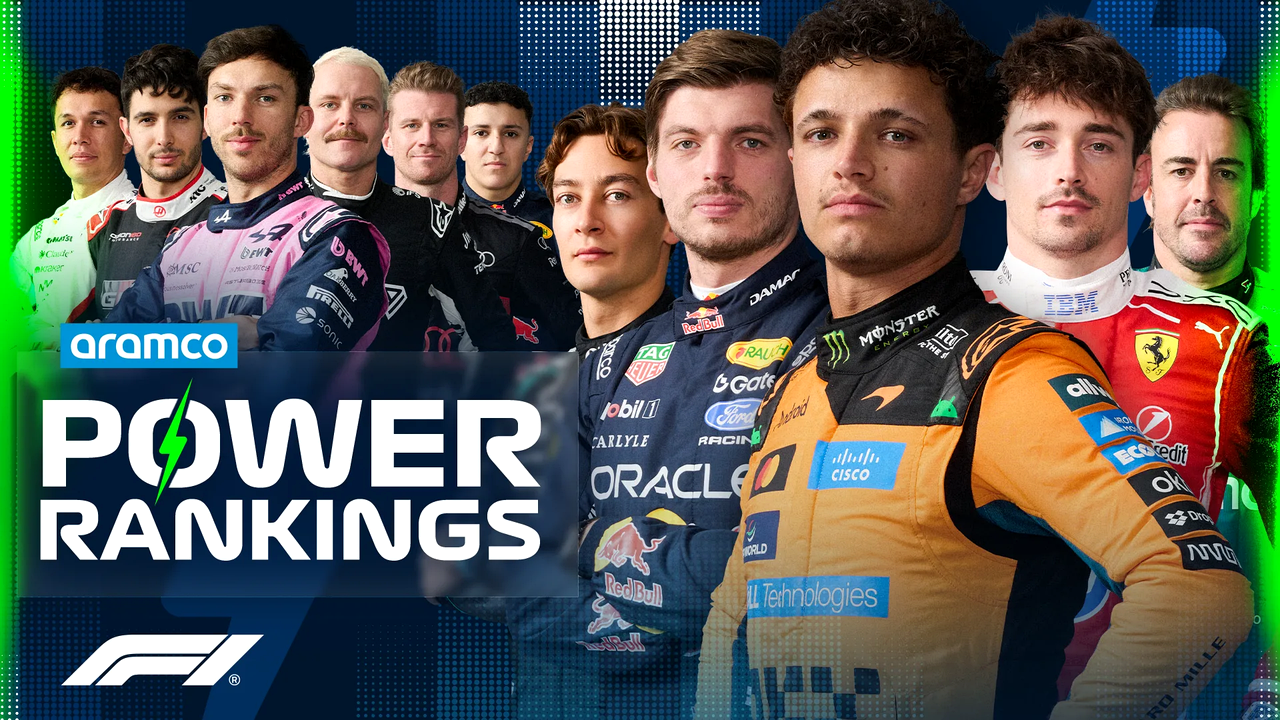
The list rewarded damage limitation as well as attack
Oscar Piastri’s fourth place and Isack Hadjar’s sixth were different kinds of success. Piastri gave McLaren a result after Lando Norris lost ground early, and Hadjar used Red Bull’s upgrade path to climb beyond the obvious pre-race expectation. Both results sat in the category every top team needs: weekends where the driver keeps the damage smaller than the car’s headline pace might suggest.
Pierre Gasly and Gabriel Bortoleto also tell part of the same story. Gasly missed points but continued to extract decent value from an Alpine lacking pace, while Bortoleto’s Audi near-miss was strong enough to catch the judges’ eye. That is why rankings are useful when handled carefully. They make room for performance inside cars that the television director does not follow for long.
Why the leaderboard matters before Silverstone
The British Grand Prix arrives with several teams carrying different forms of belief. Mercedes have Russell’s win, Red Bull have Verstappen’s pace, Racing Bulls have a scoring run, and McLaren have evidence that Piastri can rescue a weekend when the garage is not fully comfortable. Ferrari, meanwhile, appear in the picture through Hamilton’s ranking but still have a pace argument to solve.
That mixture is the real value of Austria’s Power Rankings. The top score belonged to Russell, yet the article beneath the numbers was about distribution of form. Silverstone will test whether those patterns survive a circuit with longer high-speed demands and a louder home-weekend spotlight. A ranking list is only a snapshot; this one happened to catch a field starting to split into new shapes.
What the list says beyond the top score
Russell being first on the list is the clean part of the argument, but the more revealing detail is how many different kinds of weekend were rewarded underneath him. Verstappen was recognised for recovery and pressure. Lawson and Lindblad were rewarded for turning a midfield car into points. Piastri appeared because McLaren needed damage limitation. Bortoleto entered because Audi’s near-miss looked more credible than the final position suggested. That variety makes the rankings more than a popularity table.
The order also hints at how uneven the grid has become. Some drivers are judged against race wins, others against sixth place, others against simply keeping a limited car close enough to threaten the top ten. Austria made those categories visible at the same time. That is useful before Silverstone because it reminds viewers that form is not only about who stands on the podium. It is also about who extracts a result when the car’s natural ceiling is lower.
Hamilton’s presence in the wider conversation is another example. Ferrari did not leave Austria looking entirely comfortable, yet a driver can still put together a strong personal weekend inside a car that raises strategic and pace questions. The same applies lower down the field with Gasly and Bortoleto. Rankings work best when they do not confuse team strength with driver sharpness. Austria offered enough clean samples to separate those things more clearly than a chaotic race usually allows.
The danger for every ranked driver is that Silverstone will rewrite the mood quickly. Russell’s home pressure will be different from Spielberg control, Verstappen’s upgrade proof needs a second circuit, and Racing Bulls must show their run is not track-specific. The list is therefore less a verdict than a map of pressure points. It tells us who earned momentum, but it also shows exactly where that momentum can be questioned next.
Related context: Russell turns Austria victory and Verstappen’s Austria charge.
No Comments