
Russell Turns Austria Victory Into a Mercedes Title Fight
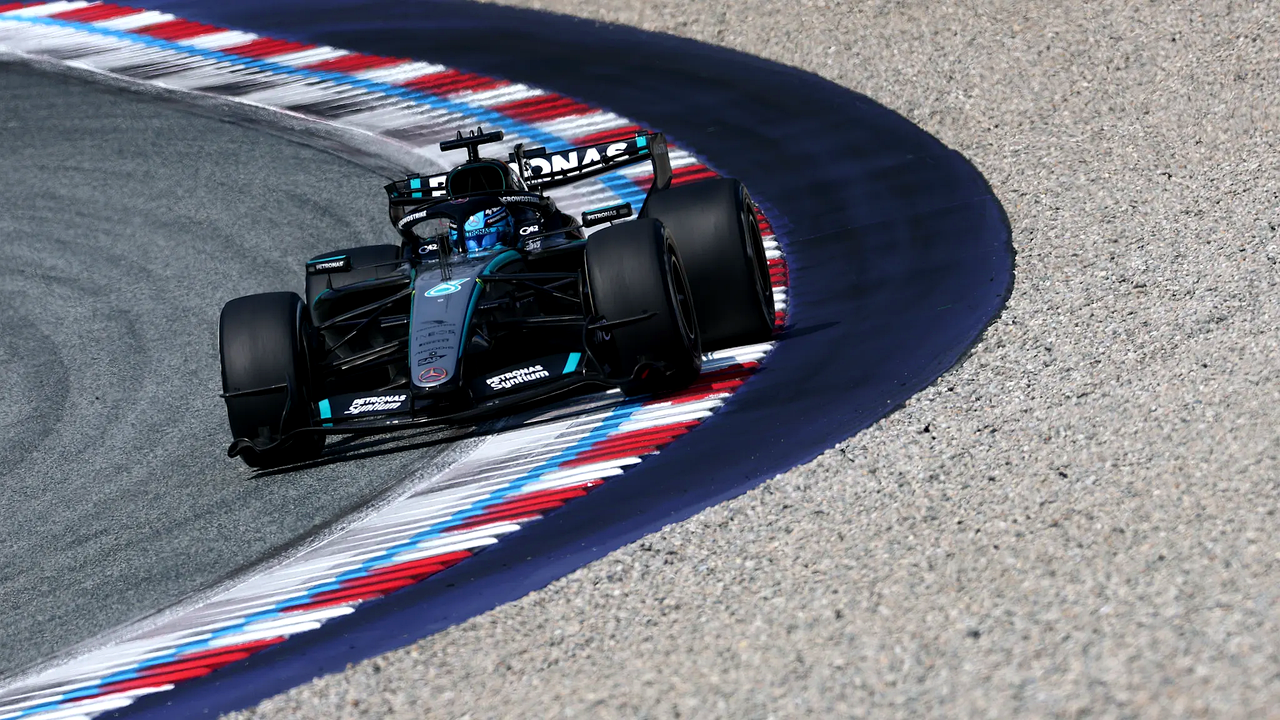
George Russell’s Austrian Grand Prix victory did more than convert pole into a trophy; it cut Andrea Kimi Antonelli’s championship lead and gave Mercedes a sharper internal fight.
The Red Bull Ring race was chaotic enough to test every part of Russell’s weekend. He controlled the start, absorbed pressure, survived strategy tension and left Austria with a result that changes how Mercedes will frame the next stretch.
How Russell made pole count
Russell won the Austrian Grand Prix from pole position.
Max Verstappen finished second and Antonelli completed the podium in third.
Russell’s victory reduced Antonelli’s championship lead to 18 points.
Russell’s win matters because it turned the pole debate into background noise; the race result gave him the answer qualifying could not.
Mercedes now have a title fight inside the garage as well as against Red Bull and the rest of the field.
Why Mercedes now have two races inside one season
The race included early pressure, mixed tyre strategies and late management on a short lap.
Mercedes converted its Saturday advantage into a Sunday result rather than losing control through traffic.
Antonelli’s podium still protected a strong points day for the team.
Antonelli’s lead is still real, but an 18-point gap feels different when Russell has just converted a high-pressure weekend.
The Red Bull Ring rewards clean starts and short-lap precision, and Russell handled both without letting the race become chaotic.
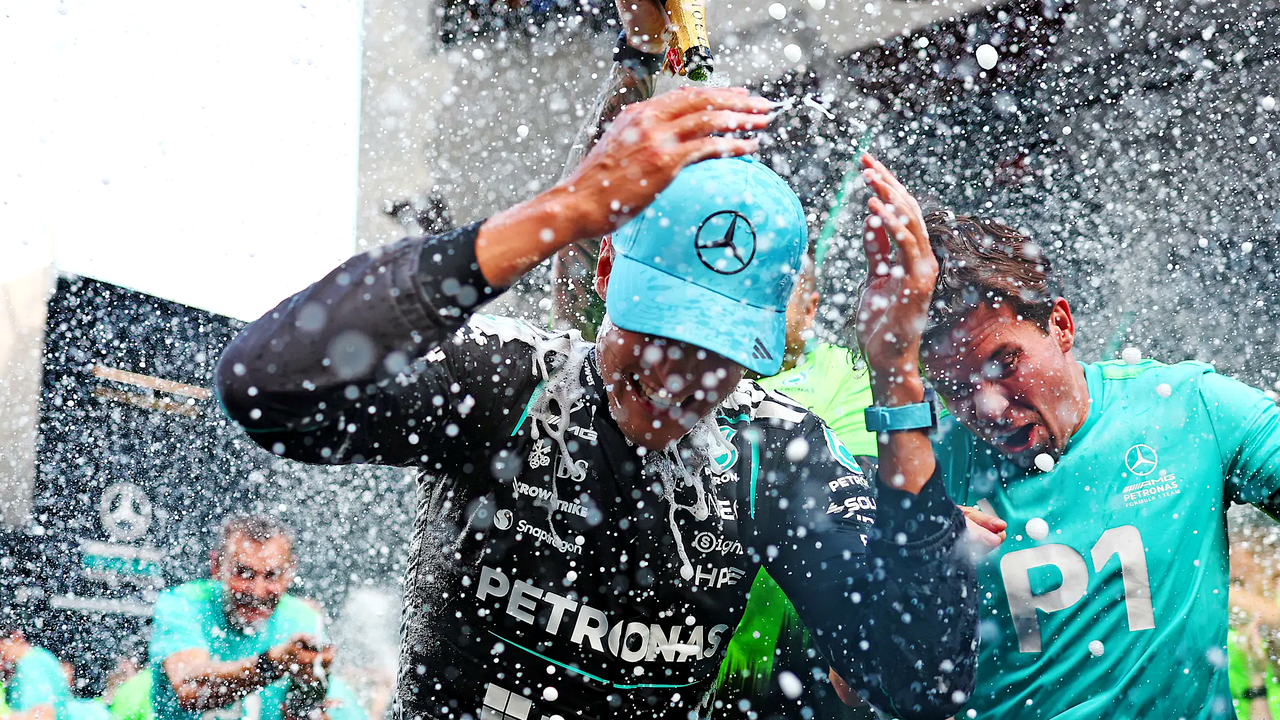
Key details
| Area | Detail |
|---|---|
| Winner | George Russell |
| Podium | Russell, Verstappen, Antonelli |
| Championship effect | Antonelli lead cut to 18 points |
| Team | Mercedes control from pole |
What the British GP now inherits
The win gave Russell a direct answer after the qualifying yellow-flag debate.
Mercedes now have a title fight that is both external and internal before the British Grand Prix.
Strategy tension mattered because mixed tyre approaches can make even a controlled pole win feel fragile.
Mercedes also leave with a management problem: support a rookie championship leader without cooling the driver who just won.
The Antonelli comparison
Silverstone will test whether Austria was a Russell swing or the start of a wider Mercedes momentum shift.
The most important team detail is that Mercedes converted Saturday speed into Sunday points instead of explaining another lost opportunity.
Russell’s win also changes the tone inside Mercedes because the result was not a gift from chaos. Verstappen stayed close enough to keep the pressure honest, Antonelli still scored heavily, and Russell left with the kind of Sunday evidence that makes an internal title fight feel real.
The win changes the Mercedes conversation
George Russell’s Austria victory matters because it gives Mercedes more than a strong Sunday. It creates a title conversation inside a team that also has to protect Kimi Antonelli’s rapid rise, and that changes how every strategy call will be heard from Silverstone onward.
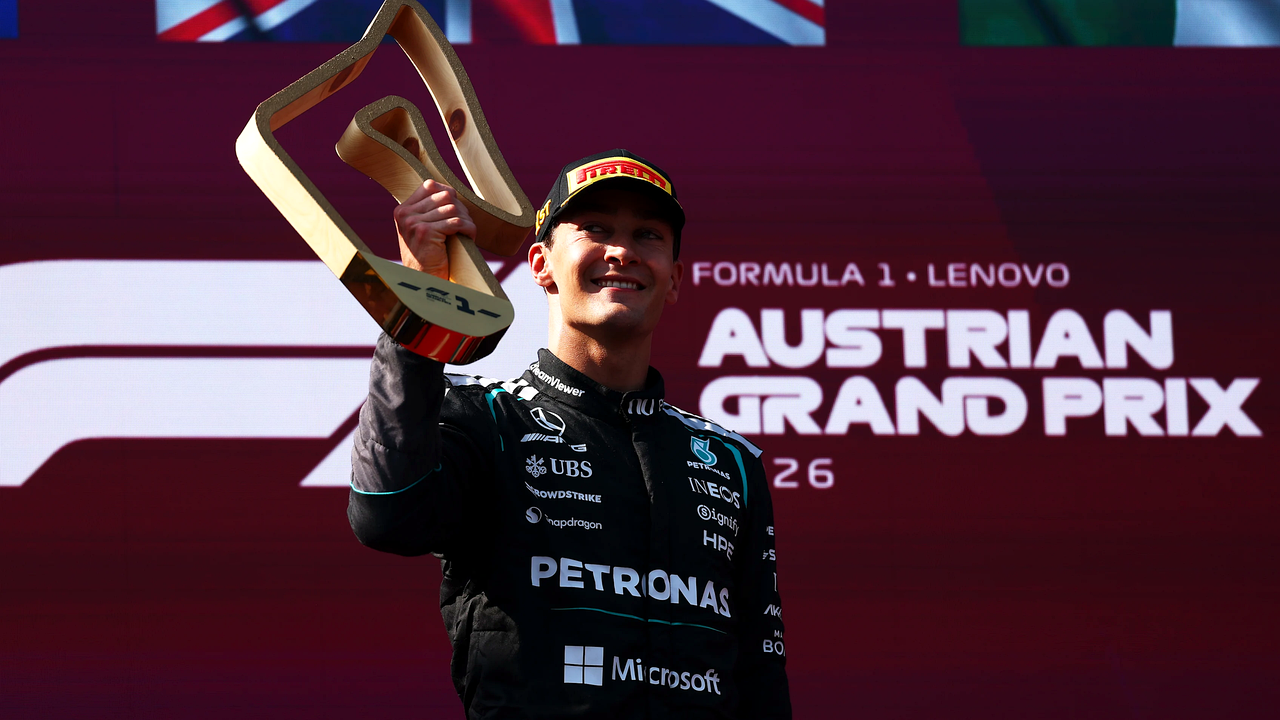
Mercedes now have to enjoy the points without letting the result split the garage into two emotional stories. Russell has evidence that he can lead a weekend, while Antonelli still carries the championship picture. The strongest team response is to make that tension productive rather than political.
Why the British GP becomes a cleaner audit
Silverstone will ask a different set of questions from Austria. High-speed balance, tyre life and traffic management can reveal whether Mercedes have a car that travels well or whether the Red Bull Ring result was tied too closely to one circuit window.
Russell’s task is simple to describe and hard to execute: turn victory into repeatable authority. A win becomes a title signal only if the next weekend still shows clean qualifying, calm tyre use and enough race pace to keep rivals from calling Austria a one-off.
The garage now needs equal calm
Mercedes’ strongest position is also its most delicate one. Two drivers with real arguments can push a team forward, but only if the communication stays calm when strategy choices begin to look personal from the outside.
Russell’s win gives him leverage, yet Antonelli’s points position still matters. The team cannot let one result rewrite the hierarchy every Sunday. It needs a framework where pace, tyre life and track position decide the call, not the emotional echo from the previous podium.
Why rivals will watch the internal rhythm
Ferrari, Red Bull and McLaren will read more than Mercedes’ lap time at Silverstone. They will watch whether the team handles split strategies cleanly, whether radio messages stay precise and whether both drivers leave the weekend believing the garage is still operating as one unit.
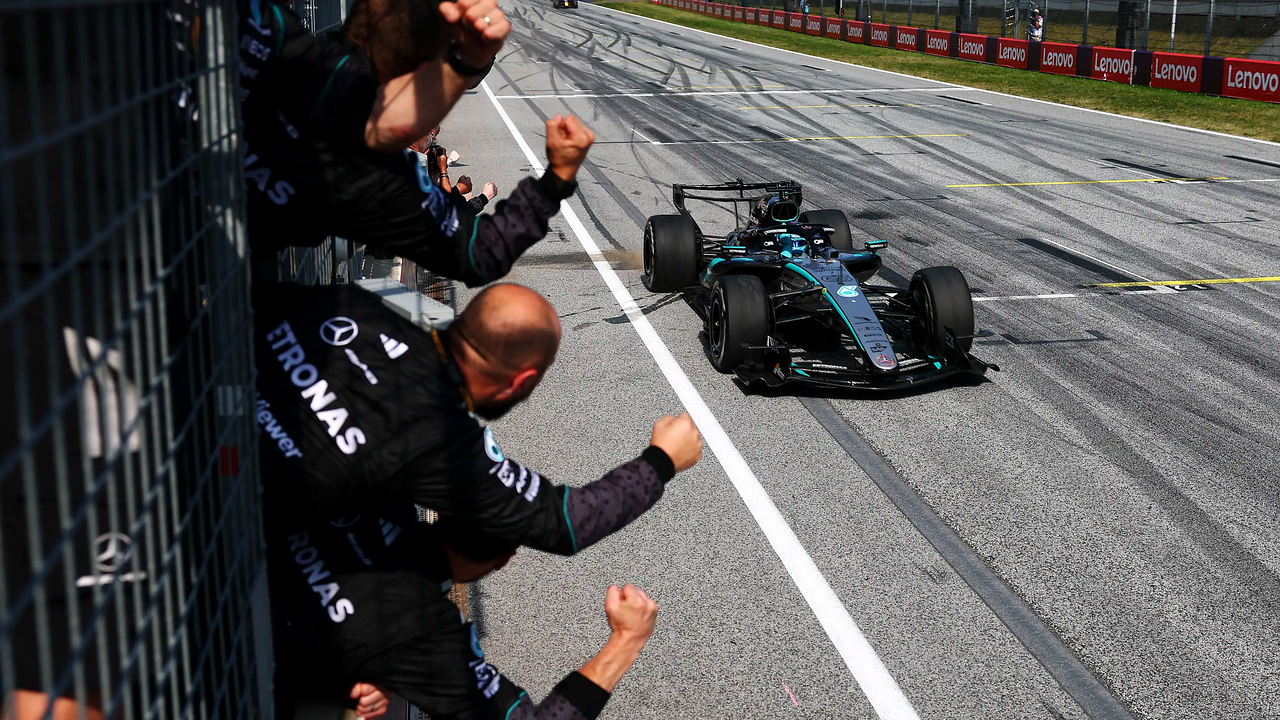
That internal rhythm can become a competitive advantage. A fast car loses some of its force if the team spends too much energy explaining decisions. Austria gave Mercedes a win; Silverstone can show whether the win made the operation sharper.
Final read on Russell’s win
Russell leaves Austria with the cleanest answer a driver can give after procedural noise: he won the race. The more interesting consequence is that Mercedes now have to manage momentum between two drivers who both look close enough to own the season.
No Comments