
Arvid Lindblad reached the summer break with 23 points from his first Formula 1 campaign. The Racing Bulls driver has finished inside the top ten at seven Grands Prix.
Lindblad says he still races for the five-year-old who first imagined reaching Formula 1. That personal idea has helped him handle pressure during a rapid promotion.
The rookie entered Formula 1 after a rapid rise
Lindblad moved into single-seater racing in 2022 and advanced through each major junior level quickly. He spent only one full season in several categories. Wins in Formula 3 and Formula 2 showed that he could learn unfamiliar cars. He became the youngest race winner in both championships at the time. Racing Bulls promoted him for 2026 after previous-car tests and two Formula 1 practice appearances. Liam Lawson became his first full-season team-mate. The promotion made Lindblad the only rookie on the current grid. Every early mistake therefore attracted attention without another newcomer sharing the comparison.
Lindblad finished eighth in Australia and collected four points on his Grand Prix debut. He also raced established champions during a demanding opening weekend. China brought twelfth place before a harder run in Japan and Miami. Those results tested his response after the immediate reward of the first race. Canada ended with a failure to start the main Grand Prix. A Sprint point still meant the weekend was not completely empty. The mixed sequence forced Lindblad to judge progress beyond one result. Qualifying pace, starts and clear feedback remained useful when the final classification disappointed.
Lindblad recorded his best finishes in Monaco and at Silverstone
Seventh place in Monaco became Lindblad’s highest Formula 1 result. He matched that position at Silverstone during his first home Grand Prix. Both races required concentration for different reasons. Monaco punished small errors beside the barriers, while Silverstone brought changing grip and intense home attention.
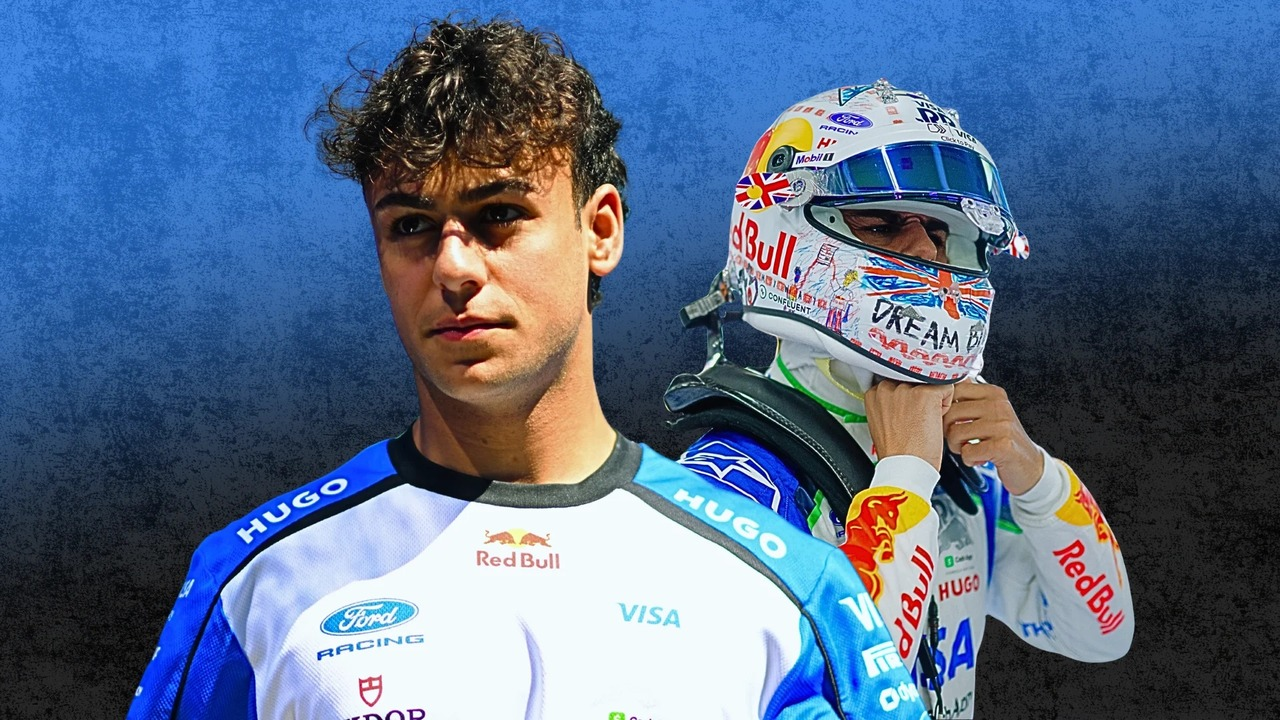
Lindblad also reached the points in Barcelona, Austria, Belgium and Hungary. The regular returns helped Racing Bulls during a close constructors’ battle. He ended the first half without a Grand Prix podium or victory. The important record is seven top-ten finishes from eleven completed race weekends.
The 2026 cars required Lindblad to learn new systems
The new power units require careful electrical deployment across each lap. Lindblad learned those systems while also visiting several circuits in Formula 1 machinery for the first time. Sprint weekends reduced practice at some venues. One session had to cover circuit knowledge, tyre behaviour and the energy settings needed for qualifying.
Racing Bulls introduced upgrades during the first half. Lindblad needed to understand the changed car without losing the basic routine built at earlier races. His feedback became more detailed as the season developed. That improvement helped the engineers compare his direction with Lawson’s more experienced reference.
Time away from the paddock helps him reset
Lindblad has described simple ways of leaving racing behind between events. Time with family and friends gives him a break from data and constant travel. The pause does not remove physical preparation. Drivers continue training during the summer while teams observe the factory shutdown required by the regulations.
He can also review the first half without another race arriving immediately. That review includes strong starts, qualifying laps and moments where a calmer choice was available. The purpose is not to redesign his driving style. Lindblad wants to preserve his natural speed while making fewer costly decisions under pressure.
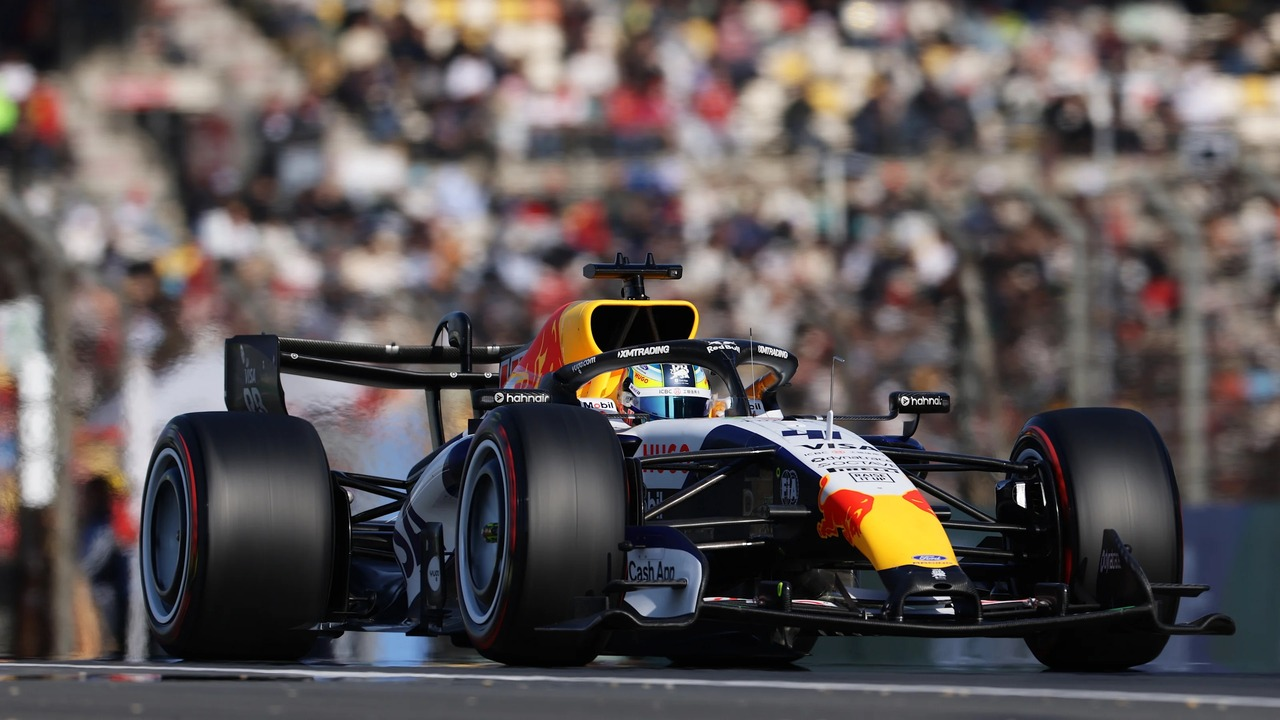
Lindblad begins the remaining races with points already scored
Twenty-three points place Lindblad eleventh in the drivers’ standings. The total keeps him close to several experienced competitors around the middle of the field. Racing Bulls still expects normal development rather than instant victories. Lindblad’s immediate target is repeating competitive qualifying and turning those positions into finishes.
He has already completed races on street circuits, fast tracks and changing surfaces. The remaining calendar will test whether those lessons now transfer more quickly. The childhood ambition has become a weekly profession. Lindblad enters the second half with points, useful experience and a clear record of his early progress.
Lindblad can compare his work with experienced teammate Liam Lawson
Liam Lawson works in the same garage and gives Racing Bulls another source of data. His Formula 1 experience helps the team identify which problems are specific to the rookie. Lindblad can compare braking, steering and energy use without copying every detail. The quickest method for one driver may not suit the other’s preferred balance.
Their points also support one combined constructors’ total. Racing Bulls benefits when both cars reach the top ten, even if their individual techniques remain different.
No Comments