
Fred Vasseur explained why Ferrari brought Hamilton in under the Safety Car at Silverstone. The decision showed a team choosing control, even if the final result left room for debate.
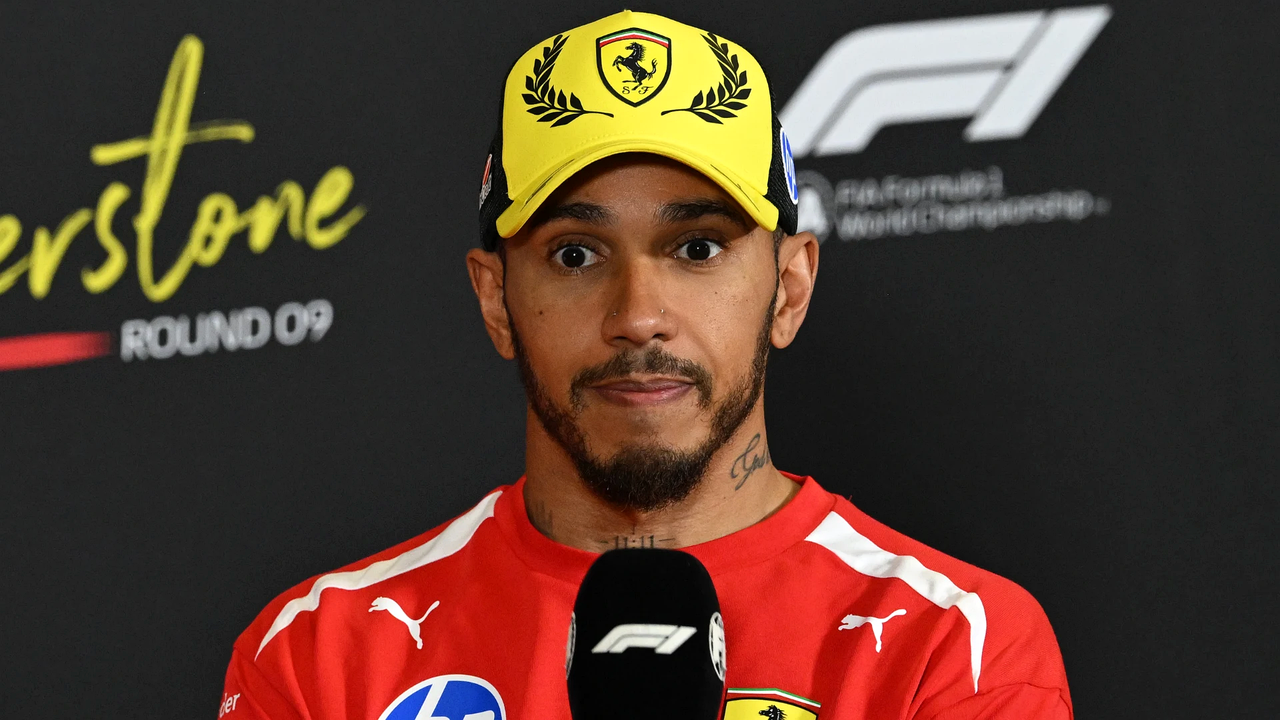
The Safety Car stop was not random
Safety Car stops can look obvious after the race, but they are rarely simple in the moment. Ferrari had to judge tyre temperature, track condition, rivals behind and the risk of leaving Hamilton exposed on ageing rubber. Vasseur’s explanation placed the decision inside that wider race picture.
The team did not present the stop as a gamble for a miracle. It presented it as a way to keep Hamilton inside a manageable window. That distinction matters. Ferrari has made painful strategy decisions before, so it knows that unclear logic can become a problem by itself.
Control can still feel defensive
A controlled decision does not always excite fans. Some wanted Ferrari to chase a more aggressive path and see if Hamilton could hold position. The team saw a different danger. If the tyres fell away after the restart, Hamilton could have lost more than he gained by staying out.
That is the hard part of race strategy. The brave-looking option is not always the best one. Ferrari had to choose between track position now and tyre life later. Vasseur’s answer suggests the team feared the second cost more than the first.
| Vasseur point | Main note |
|---|---|
| Decision | Ferrari pitted Hamilton during the Safety Car phase. |
| Reason | The team wanted a better tyre window after the restart. |
| Debate | Track position and tyre life pointed in different directions. |
| Next step | Ferrari needs a data-led review before the next neutralisation. |
Also read: Palmowski Gives F1 Academy a Strong Home Silverstone Win. More news: Hamilton Reprimand Keeps Ferrari Focus on Yellow Flag Detail.
Hamilton needed a car he could attack with
Hamilton’s value in a race restart comes from confidence on the tyre. He can create pressure if he knows the rear axle will not surprise him and the front will answer quickly. Ferrari may have felt that a stop gave him a better chance to race properly, even from a less comfortable place.
The final classification will not make everyone agree. That is normal. But a strategy decision should be judged by the information available at the time, not only by the last page of the result sheet. Ferrari’s job is to prove the model behind the decision was sound.
The review must be exact
Ferrari should not close the file with a slogan. It has to review the lap times, the tyre warm-up, the pace of cars that stayed out and the time lost in the pit lane. If the numbers support the decision, the team can defend it. If they do not, the next Safety Car plan must change.
That kind of review is not public theatre. It is the normal work of a front-running team. The difference is that Ferrari’s choices are watched more closely than most. Every explanation has to be clear because every unclear decision becomes part of a larger debate.
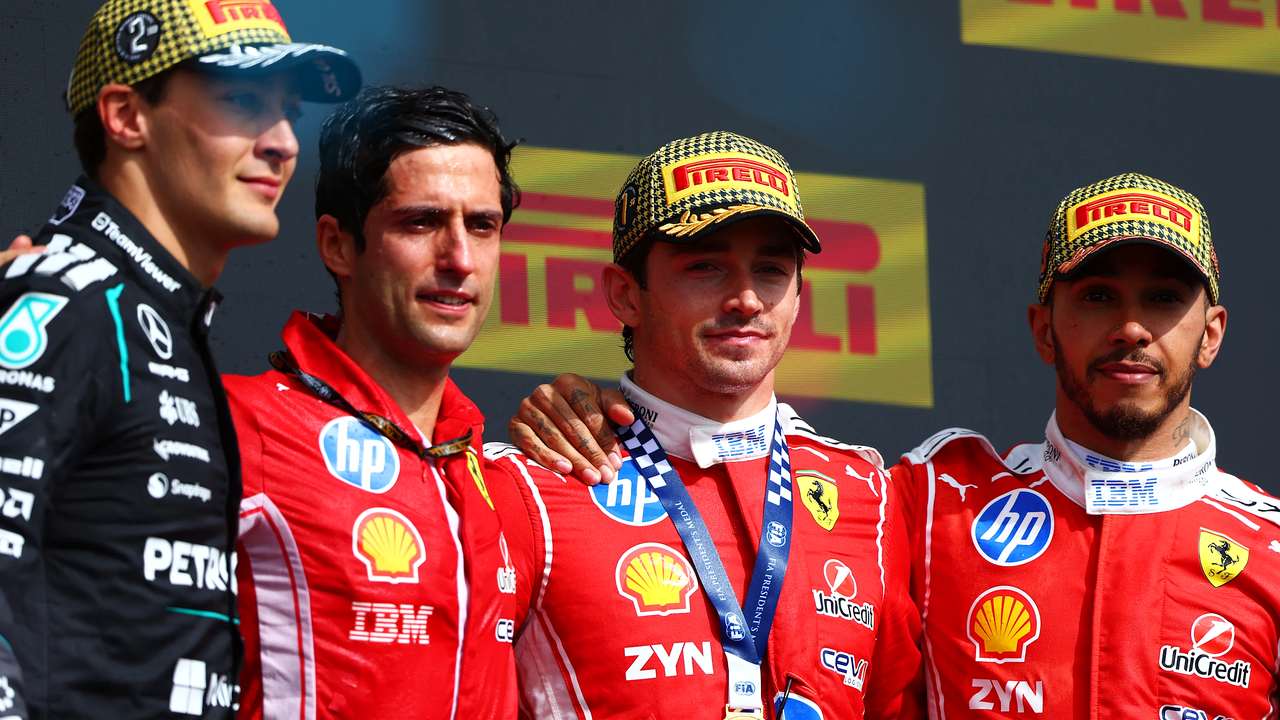
Ferrari needs calm more than noise
The useful part of Vasseur’s message was the calm tone. He did not turn the stop into a heroic move or a disaster. He treated it as a race decision made under pressure. Ferrari needs more of that if it wants Hamilton and Charles Leclerc to trust the wall in close races.
Silverstone will not be the last race with a late Safety Car. The next one may decide more points. Ferrari’s lesson is simple. If it chooses control again, it must make sure the control is backed by lap time, not only by caution.
What Ferrari should keep
The best part of Ferrari’s explanation is that it can be checked against numbers. The team can compare Hamilton’s tyre drop, pit-loss estimate and restart pace with the rivals that stayed out. If the decision was right, the data will defend it. If it was wrong, the same data will show exactly where the model failed.
That is important because Ferrari cannot rebuild strategy trust through slogans. Drivers trust the wall when the wall is clear, quick and honest after the race. A calm review of this Safety Car decision can help the team more than a public argument about who was brave or cautious.
Trust layer
The decision also matters because Hamilton is still building full race-weekend trust with Ferrari. A driver can accept a conservative stop if he understands the model behind it and sees the same logic applied every time. If the explanation changes from race to race, doubt grows. Vasseur therefore needs the review to be boring, clear and shared with both sides of the garage. That is how strategy confidence survives a disputed finish.
No Comments