
Andrea Stella left Barcelona with a measured McLaren verdict: the team has raised its level, but the weekend still has to be judged against reliability and conversion.
That is the right tone after a race where McLaren looked competitive without taking full control of the result. The next step is turning raised expectations into race-winning authority.
What McLaren can take from Spain
Stella’s wording gives McLaren credit for progress without pretending the team has solved every front-running problem. That balance matters when a team is close enough to the front to be judged harshly.
Barcelona gave the car a demanding reference because the circuit stretches tyre life, balance and stint management. McLaren’s first check is whether it can stay reliable across a second demanding weekend.
Reliability remains part of the conversation because pace means less if it cannot survive a full weekend cleanly. Supporters can accept progress, but the top teams measure progress through trophies and points.
The reliability layer
McLaren’s rivals now have a clearer idea of where the team is strong and where it still has to prove itself. The second is whether Norris and the team can control tyre windows rather than react to them.
The raised-bar claim puts responsibility on the garage as much as the drivers. The statement also tells rivals that McLaren sees itself as part of the fight rather than an outsider.
| Area | Detail |
|---|---|
| Team voice | Andrea Stella |
| Positive signal | McLaren believes it has raised its level |
| Risk area | Reliability and conversion still need proof |
| Next check | Repeat the pace away from Barcelona |
Key details
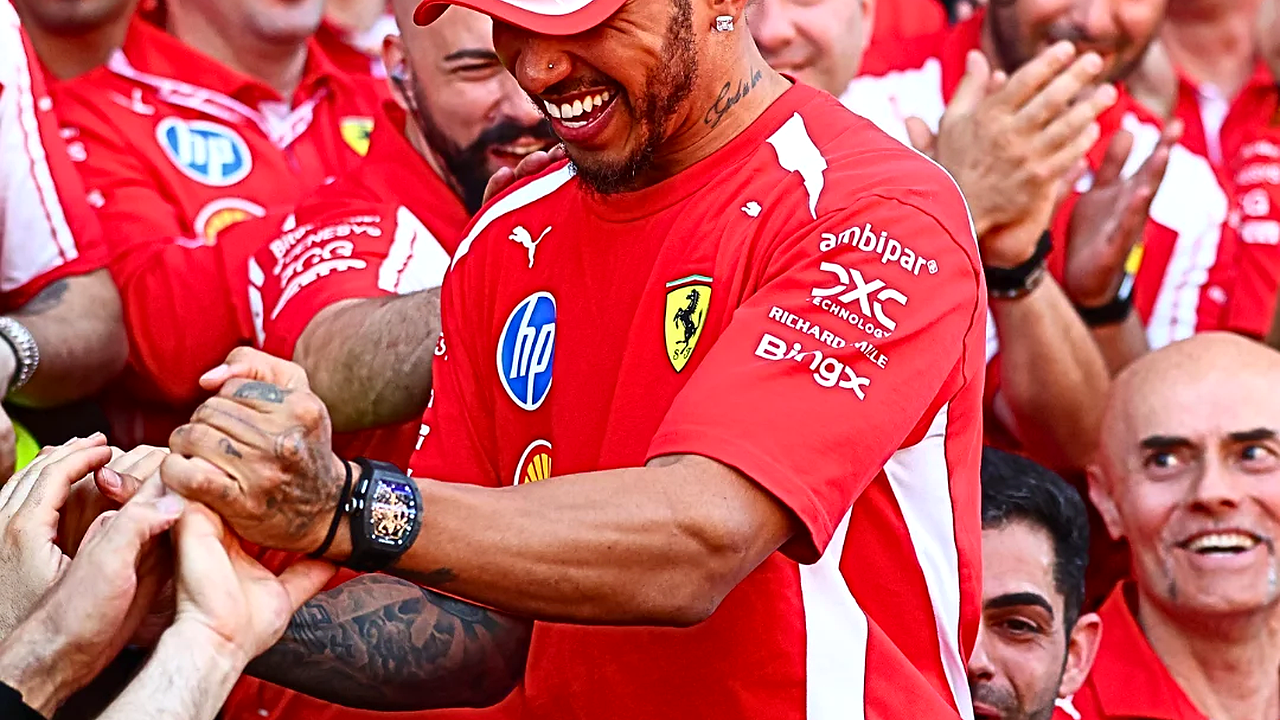
If McLaren wants to chase wins, it needs to turn competitive weekends into weekends it can dictate. Ferrari’s Barcelona win raises the standard McLaren has to meet.
The next round will show whether Barcelona was a genuine step or simply a better match between car and circuit. The pressure now moves from proving speed to proving authority.
Where the bar now sits
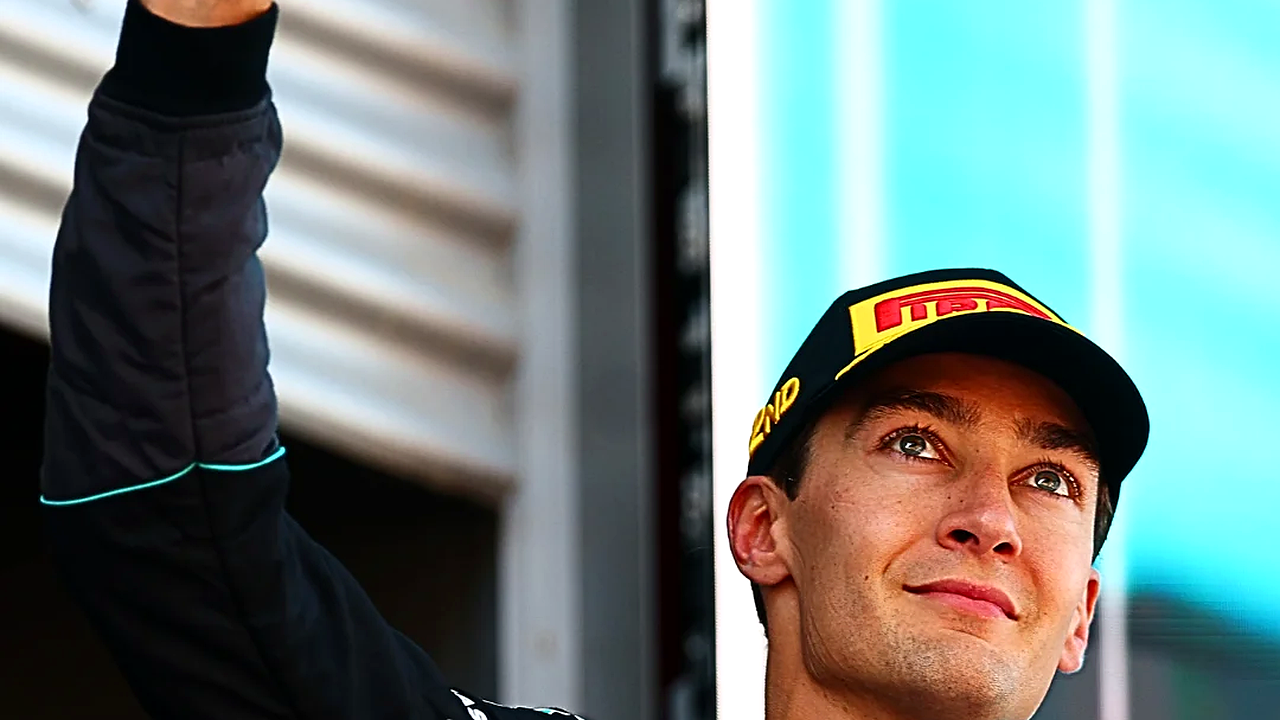
Stella’s assessment is strongest because it stays between optimism and realism. Mercedes’ mixed race keeps another comparison alive.
A team can raise the bar and still leave the weekend with work. That is the point of Stella’s message: McLaren has improved enough that near-misses now feel more important.
The wider site picture continues through our Verstappen Says Red Bull Must Work Harder After a Lonely Barcelona Race and Hamilton’s Barcelona Win Came From Three Ferrari Components Working Together coverage, where the next consequence of the day is easier to compare.
Bottom line
Team voice: Andrea Stella gives the story its hard starting point.
Positive signal: McLaren believes it has raised its level changes the way the next phase should be read.
Risk area: Reliability and conversion still need proof keeps the pressure attached to a named detail rather than a loose mood.
Next check: Repeat the pace away from Barcelona is the clean follow-up because it can confirm whether the first signal was durable.
That matters most when the race-week moves away from the original setting and the same strengths have to appear again.
The answer will show whether the garage picture has really changed or only looked sharper for one day.
Stella’s McLaren verdict now has a clear test: the next response has to match the first signal closely enough to make the story travel.
Mercedes’ mixed race keeps another comparison alive.
McLaren’s Barcelona was not a failure, but Stella’s own words make the next target obvious: progress has to become control.
No Comments