
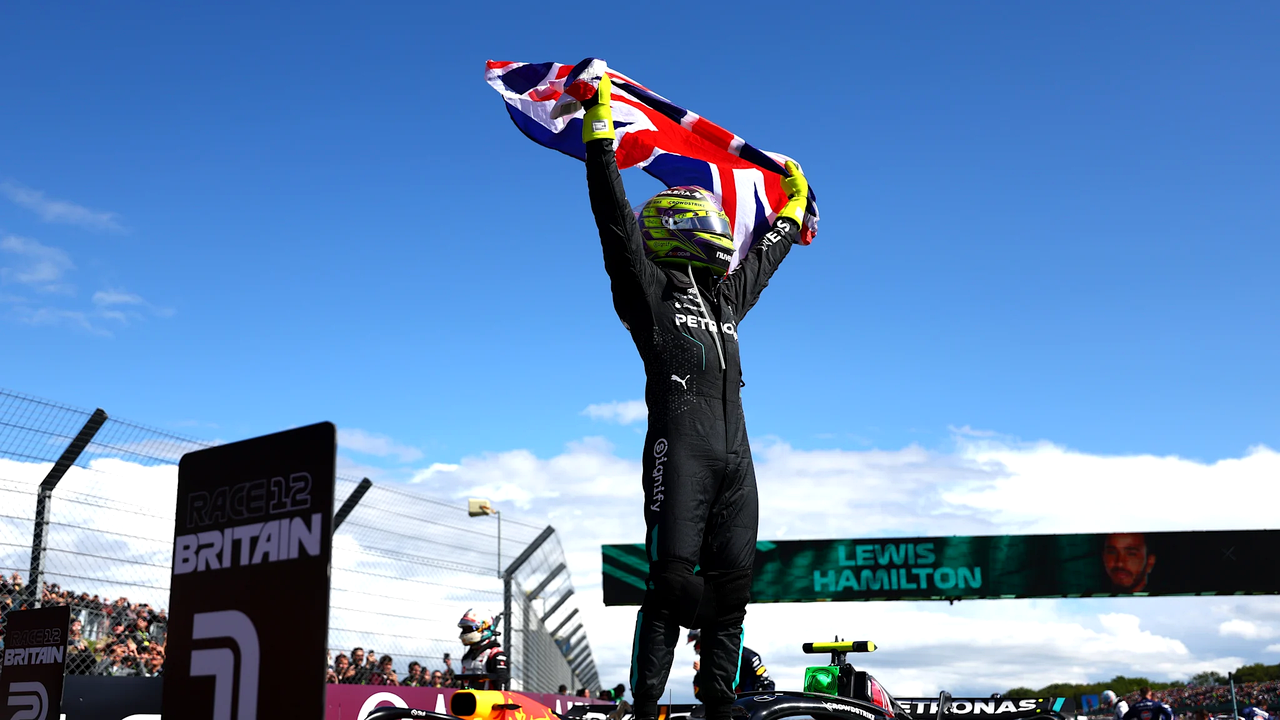
The 2026 British Grand Prix starts with a compressed Sprint format at Silverstone, leaving teams one FP1 session before Sprint Qualifying turns the weekend into competitive running.
One hour before the weekend becomes real
Silverstone usually rewards patient engineering, but the Sprint schedule removes much of that patience. FP1 is not a relaxed opening run this time; it is the only clean hour before parc ferme rules start to close around the teams. That changes how every garage treats installation laps, tyre preparation, ride-height checks and the first comparison between simulation and track temperature.
The tension is sharper because Silverstone is not a simple lap. Copse, Maggotts, Becketts and Stowe ask for confidence at speed, while the slower corners still punish a car that is too nervous on entry. A team that guesses wrong on Friday lunchtime will not have three practice sessions to drift back toward the answer. The first run plan has to produce useful evidence immediately.
Mercedes arrive with momentum and a different kind of burden
George Russell and Lewis Hamilton enter their home event after sharing the last two Grand Prix wins, which gives the British crowd a strong local hook. Momentum, though, can become a burden when the format is so narrow. Mercedes cannot spend Friday proving that Austria was real; they must decide how much of that race-winning balance can be carried into a faster, wind-sensitive circuit.
Kimi Antonelli still sits on a large championship lead, so Mercedes also have to avoid turning the weekend into a local-emotion exercise. Russell turns Austria victory into a title argument only if the team keeps the process cold. Sprint weekends reward clean checklists not just dramatic declarations, and Silverstone will show any team that confuses mood with useful pace.
| Key point | Reading |
|---|---|
| Friday | FP1 at 12:30 local time, then Sprint Qualifying at 16:30. |
| Saturday | Sprint at 12:00, followed by Grand Prix Qualifying at 16:00. |
| Sunday | The 52-lap British Grand Prix starts at 15:00 local time. |
| Strategic risk | Set-up errors are harder to repair because the first practice hour carries most of the learning load. |
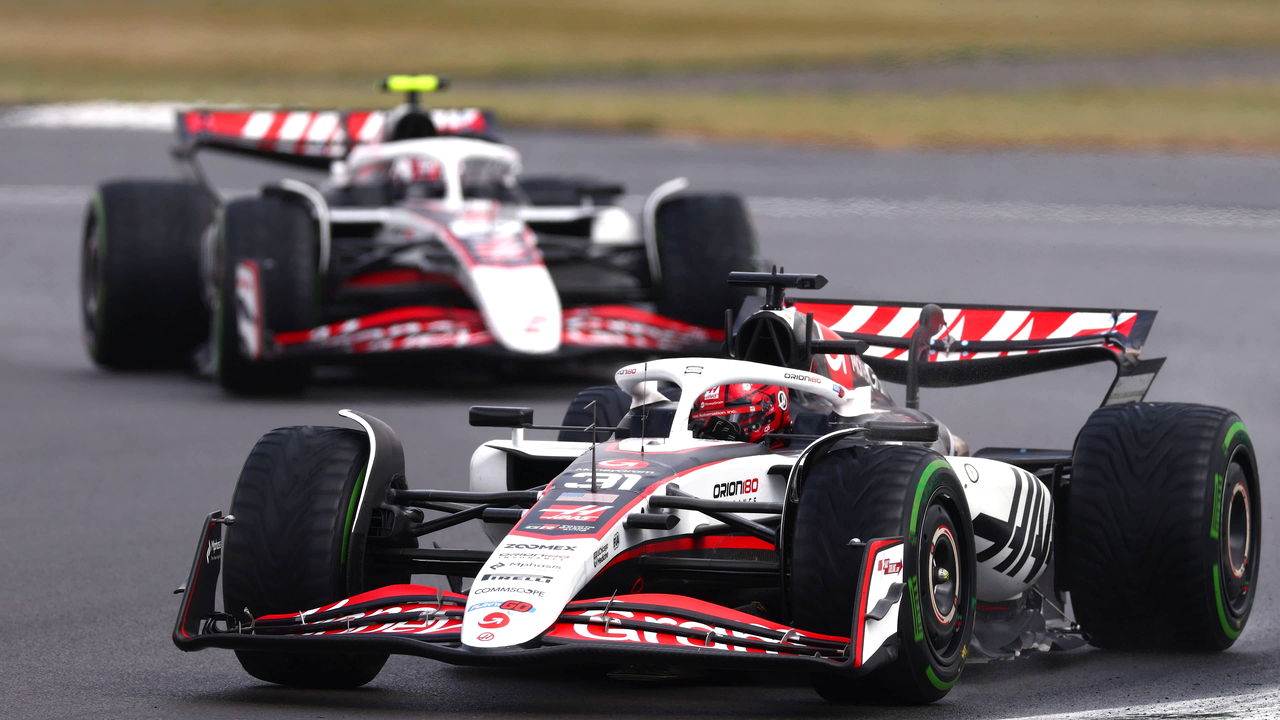
Red Bull and McLaren have little room for slow starts
Max Verstappen’s Austria charge gave Red Bull its strongest proof of the season, but a Sprint weekend is a harsher place to validate an upgrade. The car needs to feel stable early because there is less time to separate a real balance problem from a first-run oddity. If the opening laps point in two directions, Red Bull will have to choose quickly.
McLaren face a similar problem for different reasons. Lando Norris won at Silverstone last year, and that history will pull attention toward him, but the team cannot build a weekend around memory. Oscar Piastri’s Austria recovery showed damage limitation; Silverstone asks whether McLaren can start clean enough to attack rather than repair.
Why the Sprint changes the race shape
The Sprint itself is short enough to tempt aggression but long enough to reveal tyre behaviour. Teams will want points on Saturday, but the main Grand Prix grid comes from a separate qualifying hour later the same day. That creates a strange test: drivers must fight without turning the car or tyres into a Sunday problem.
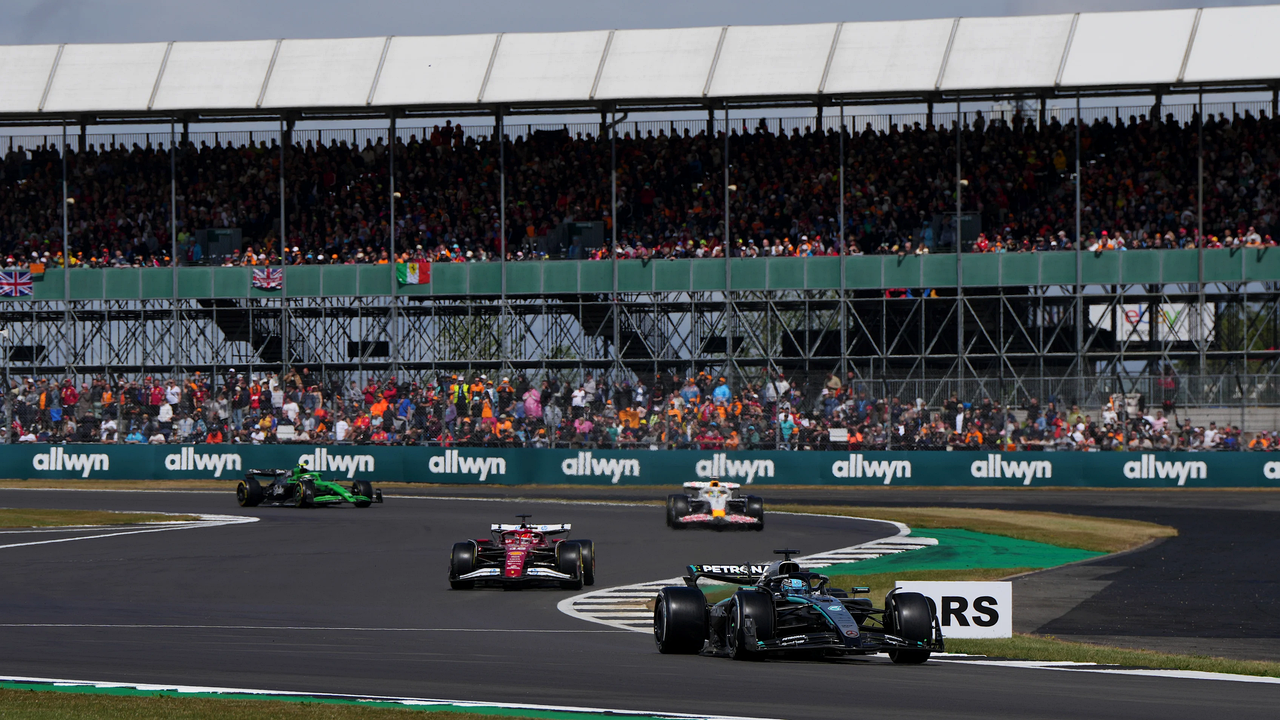
The fastest team on Friday may not be the team with the most complete weekend. A one-lap car can look excellent in Sprint Qualifying and still struggle if tyre temperature moves on Saturday afternoon. A calmer race car may lose a place in the Sprint and then look stronger over 52 laps. The format forces viewers to read each session as a different clue rather than one simple order.
The forecast adds another layer instead of removing one
Formula 1’s own preview points to warm, dry conditions and a Sunday maximum around 27 degrees Celsius. That sounds simple, but heat can make Silverstone more delicate. Long loaded corners stress the tyres, and a dry weekend gives teams fewer excuses if degradation or balance problems appear. Everyone should get enough running; not everyone will read it correctly.
The cleaner weather also puts more value on track evolution. If Friday starts with a green surface and Saturday arrives with more grip, the set-up that looked tidy in FP1 can become conservative by qualifying. The British Grand Prix therefore begins with one practice session, but the decision made inside that hour must survive three different competitive windows.
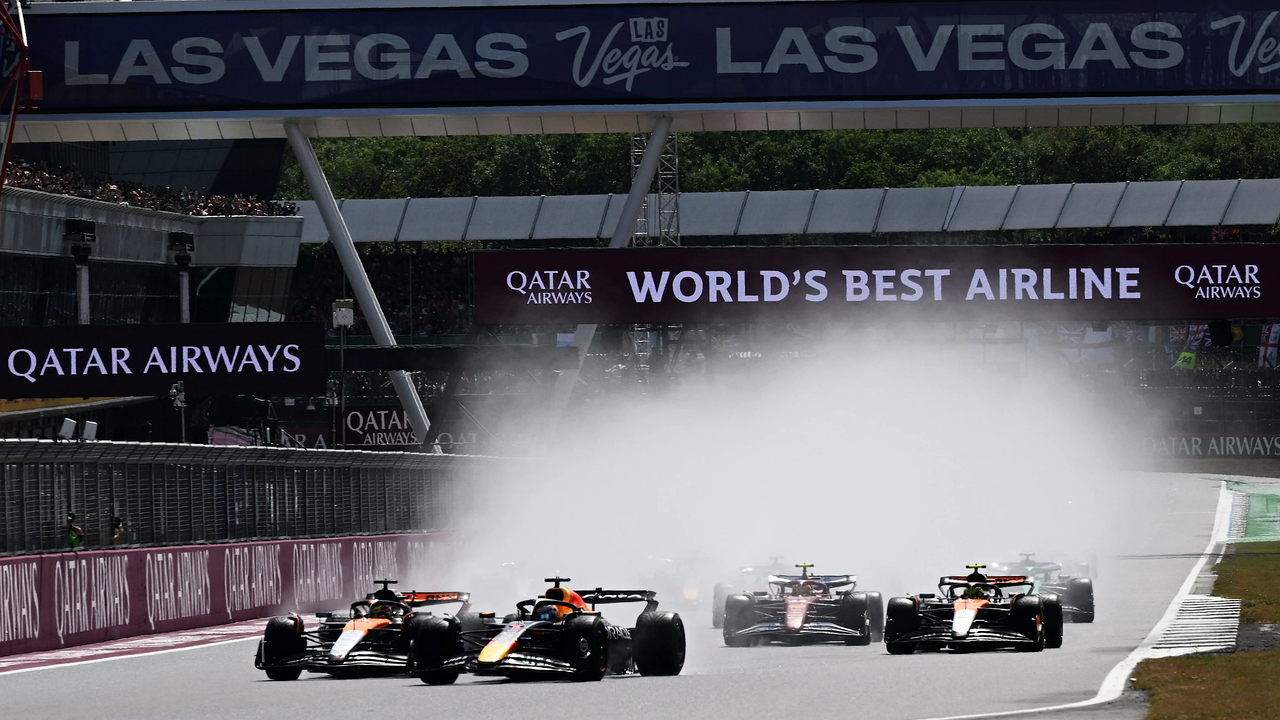
A weekend where timing is part of the story
For fans, the timetable is unusually dense: practice and Sprint Qualifying on Friday, Sprint and Grand Prix Qualifying on Saturday, then the full race on Sunday. For teams, that same timetable is a trap. It leaves almost no dead air for a slow conclusion, and it turns every debrief into a choice about what to keep, what to change and what to leave alone.
Silverstone’s Sprint return should be judged by delivery as much as pace. The winning team may be the one that looks least dramatic across the first two days. At a circuit famous for big corners and loud home support, the quietest engineering decisions could carry the largest consequence.


No Comments