

Carlos Sainz left Barcelona with a blunt assessment of Williams, saying the team needs to go back to the drawing board after a weekend that exposed more than one weakness.
A hard reset for Williams
Drivers often soften difficult weekends, but Sainz’s language was direct. Back to the drawing board is not a small complaint; it is a sign that the team did not find enough answers during the event.
Barcelona makes that message sharper because the circuit gives teams a broad read on car behaviour. If a car struggles there, the problem can point beyond a single setup mistake.
For Williams, the concern is not only one result. It is whether the package can keep pace with a midfield that is becoming less forgiving every round.
The important part of Williams’ Barcelona reset is the timing: the warning lands while Williams needs development clarity before the next upgrade decisions.
Why Sainz’s wording matters
The practical read is direct: the team must turn Sainz’s diagnosis into a specific car balance plan.
Sainz’s feedback will likely focus on balance, tyre life and corner consistency. Those are the areas that decide whether a car can attack or only defend.
The risk is also visible: a broad reset can become slow if the team cannot isolate the main limitation.
The team needs to separate what came from track layout and what came from deeper development limits. That distinction matters before any new parts are chosen.
The next checkpoint is whether Williams arrives at the next race with a changed setup baseline.
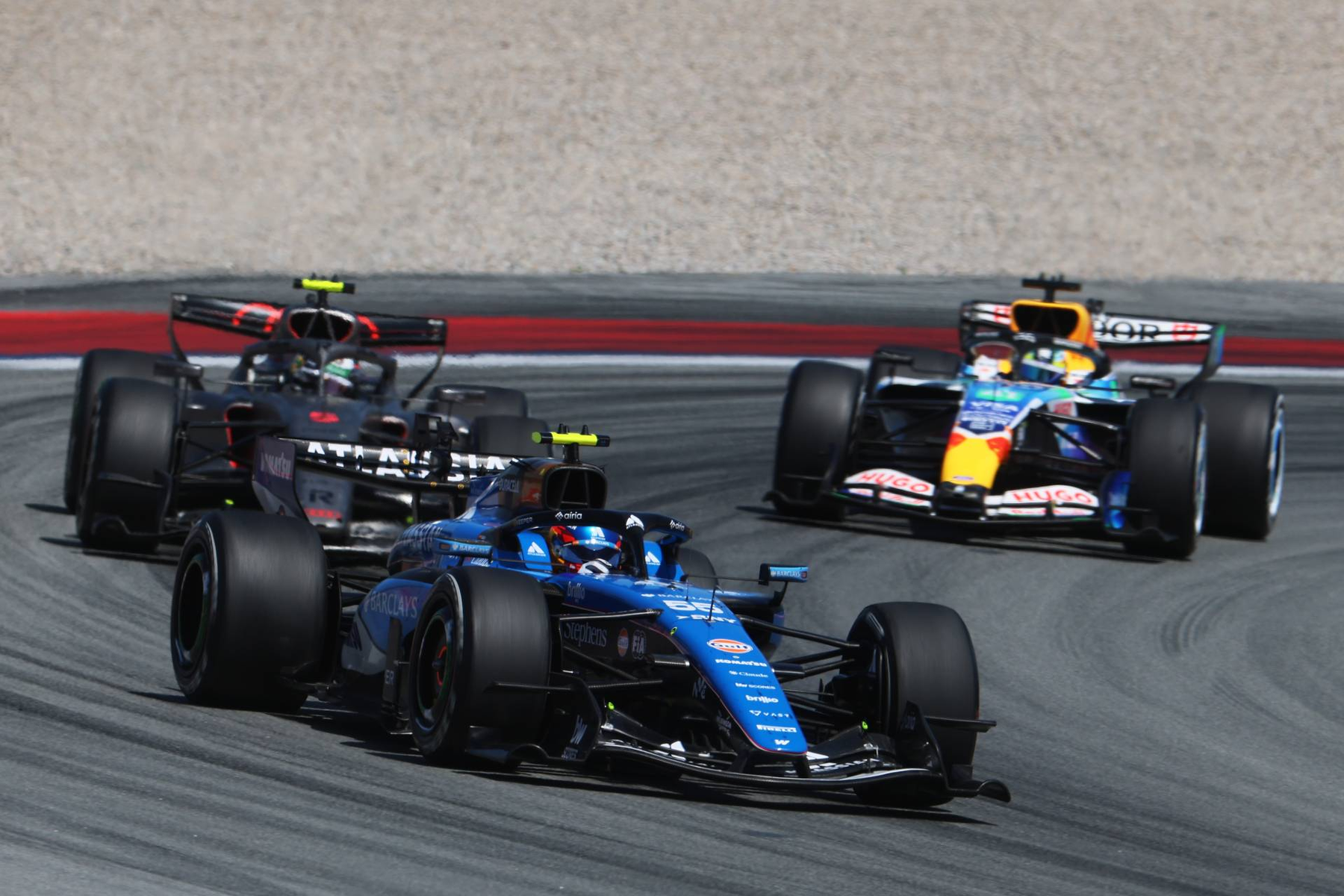
Williams also has to protect confidence inside the garage. A blunt driver assessment can help if it leads to clarity, but it can hurt if the answers are slow.
Key details
| Area | Detail |
|---|---|
| Driver view | Sainz said Williams must go back to the drawing board |
| Problem area | Barcelona exposed balance and competitiveness concerns |
| Midfield risk | rivals are scoring while Williams searches for answers |
| Next check | setup direction and qualifying gap at the next race |
How the detail changes the next phase
Williams’ Barcelona reset now has to be read through execution rather than headline value. Driver view: Sainz said Williams must go back to the drawing board gives the first fixed point, but the real separation comes from how quickly the people involved turn that fixed point into repeatable behaviour.
The second layer is preparation. Problem area: Barcelona exposed balance and competitiveness concerns is not a decorative detail because it decides whether the same strength can survive when the opponent or rival changes the conditions.
The third layer is reaction speed. the warning lands while Williams needs development clarity before the next upgrade decisions means the next response will be judged immediately, not weeks later, and that makes every early sign more important than usual.
The practical consequence is that the team must turn Sainz’s diagnosis into a specific car balance plan. If that happens, the update keeps value even if the next result is not perfect.

The opposite danger is clear as well. a broad reset can become slow if the team cannot isolate the main limitation would make the same event look less like progress and more like a short spike that rivals can absorb.
The strongest reading comes from the detail that follows the headline. Midfield risk: rivals are scoring while Williams searches for answers is where the story becomes important for judging form, preparation and decision-making.
The next visible checkpoint is specific: whether Williams arrives at the next race with a changed setup baseline. That is the point where talk turns into evidence and where the earlier performance either travels or fades.
Williams’ Barcelona reset also changes the comparison with nearby stories because it gives one more concrete marker for judging who is improving, who is reacting late and who is only carrying momentum from an older result.
The details around Williams’ Barcelona reset should be tracked in sequence rather than as separate fragments. First comes the confirmed point, then the immediate tactical response, and then the next public checkpoint where the earlier claim either holds or breaks.
That sequence matters because Next check: setup direction and qualifying gap at the next race is not only a date or label. It is the next moment where the same pressure returns with fewer excuses and better information for rivals.
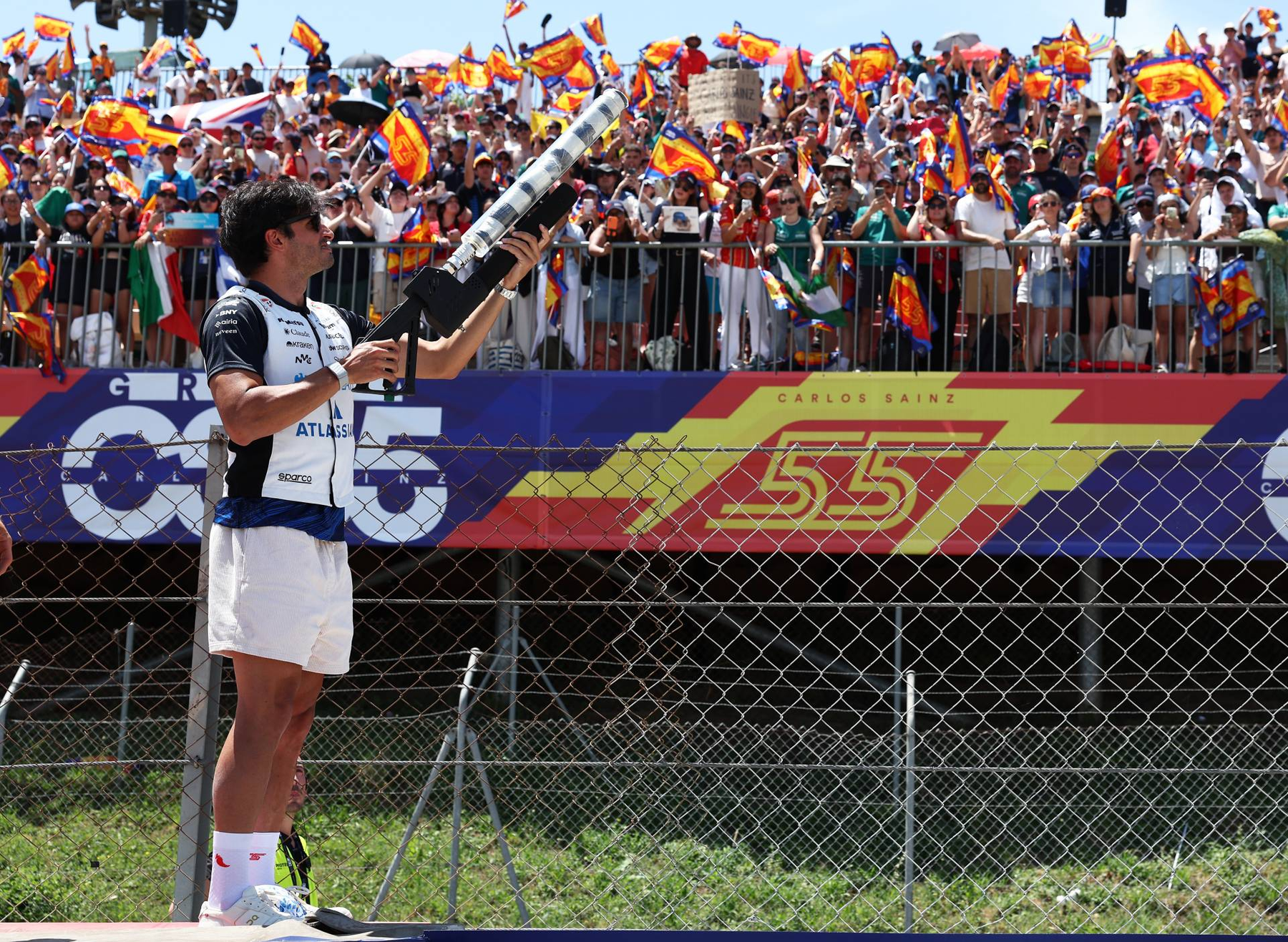
If the response is clean, Williams’ Barcelona reset becomes a reference point for the next stage of the season. If the response is messy, the same headline will be remembered as a warning that the first sign was not durable enough.
The final read is therefore practical: the team must turn Sainz’s diagnosis into a specific car balance plan. That is the part teams, drivers or players can actually carry into the next session, map or match without relying on emotion.
The midfield cost
The midfield cost is immediate. Racing Bulls and others are converting chances, and Williams cannot afford weekends that end with only diagnostic value.
Sainz brings experience from front-running teams, which makes his feedback valuable. It also raises the standard he expects from the development process.
What to watch
Watch whether Williams changes its setup direction quickly. A visible shift would show that Sainz’s message has been absorbed.
Watch qualifying gaps to the midfield edge. If the gap stays wide, Barcelona was not an outlier.
For more context on our site, this update connects with Fornaroli Haas Test Gives McLaren Reserve a Sharper F1 Reference and Ferrari Updates Give Hamilton Barcelona Win a Technical Backbone.
Sainz’s Barcelona message gives Williams a clear pressure point. The team has to show that the drawing board produces answers, not only more questions.

No Comments