
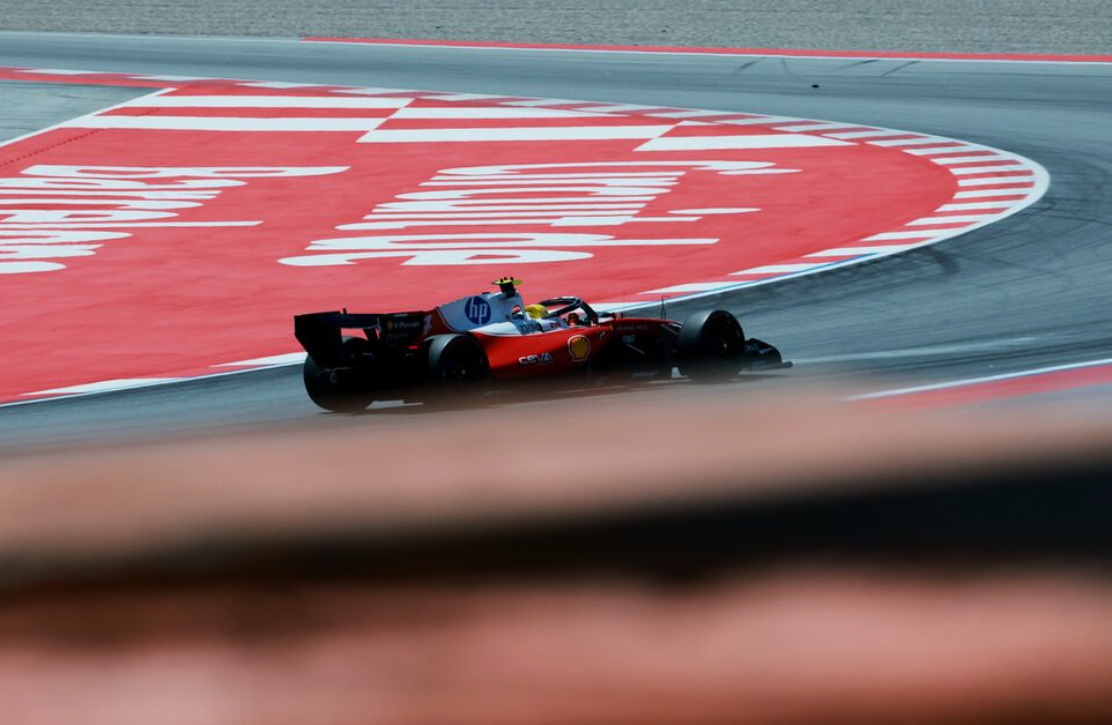
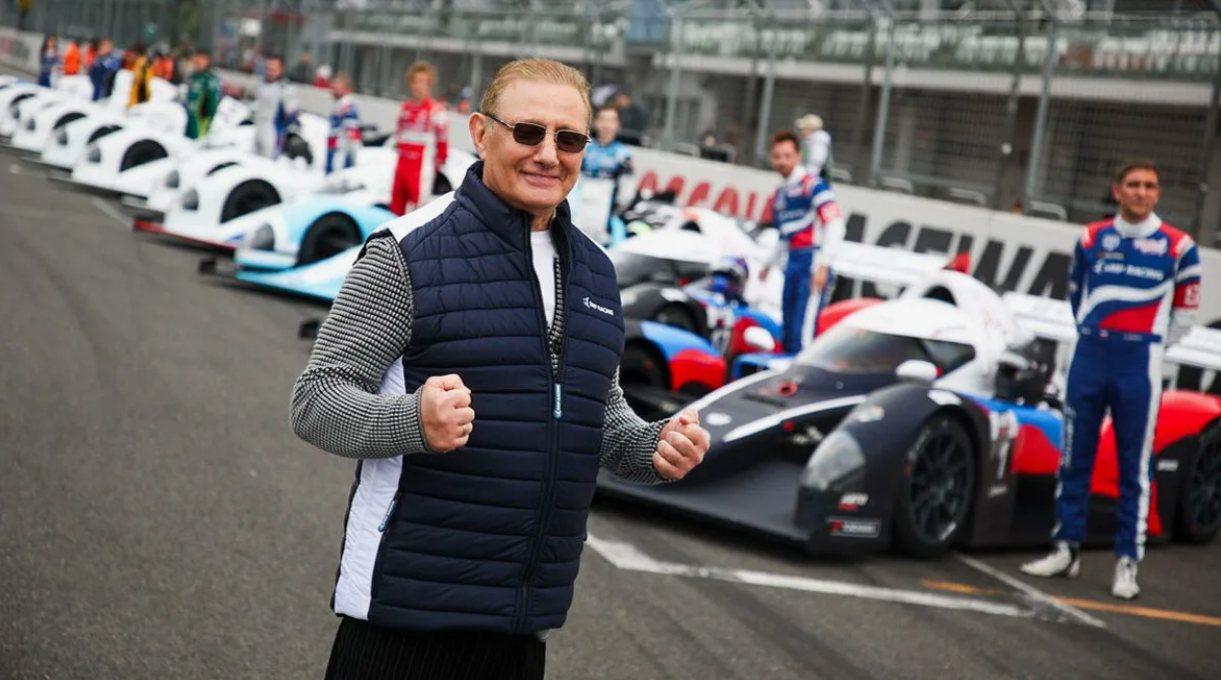
Roman Rotenberg Sr. has shared his opinion on which Russian driver could potentially reach Formula 1, sparking discussion in the motorsport community. His comments once again highlight the growing attention to young Russian talents and their long-term development path toward top-level single-seater racing.
According to Rotenberg, modern motorsport requires not only speed, but also discipline, consistency, and the ability to adapt technically to different racing conditions. These qualities are essential for any driver aiming for Formula 1.
Development of Russian Motorsport Talent
In recent years, Russian drivers have continued to compete in international junior categories such as Formula 3 and Formula 2, gaining valuable experience against strong global competition.
Rotenberg emphasized that reaching Formula 1 is not only about talent, but also about structured development, long-term planning, and support systems.
Main Requirements for Formula 1 Progression
- Strong performance in junior formula championships
- Consistency across multiple seasons
- Technical feedback skills
- Mental and physical endurance
- Access to development programs and funding
- International racing experience
The Difficulty of Reaching Formula 1
Formula 1 remains one of the most competitive sports in the world, with only a limited number of seats available each season. Even highly talented drivers often struggle to secure opportunities due to intense global competition.
Timing, opportunity, and team interest often play just as important a role as raw speed.
Career Pathway Structure
| Stage | Focus | Main Challenge |
|---|---|---|
| Karting | Fundamentals of racing | Early skill development |
| Formula 4 | Single-seater adaptation | Learning racecraft |
| Formula 3 | International competition | Consistency under pressure |
| Formula 2 | Near-F1 performance level | High competition intensity |
| Formula 1 | Elite professional racing | Peak performance demands |
Importance of Driver Development Programs
Modern Formula 1 teams rely heavily on structured driver academies that help young talents progress through the ranks. These programs provide technical training, simulator work, and professional racing guidance.
Key Benefits of Academy Systems
- Structured career progression
- Technical skill development
- Mental preparation for elite racing
- Access to engineering expertise
- Financial and logistical support
- Direct pathway to Formula 1 opportunities
Challenges on the Road to Formula 1
Despite talent and preparation, many drivers never reach Formula 1 due to the extremely limited number of seats and high competition level.
Main Obstacles
- Limited availability of F1 seats
- High financial requirements
- Strong international competition
- Performance pressure in junior categories
- Dependence on team decisions
- Need for consistent results
Russian Presence in Motorsport
Russian drivers have previously competed in Formula 1, but maintaining a stable presence has been challenging due to various external and competitive factors.
However, interest in motorsport within Russia remains strong, with continued participation in European racing series.

What Defines a Future Formula 1 Driver
Modern Formula 1 requires a combination of speed, intelligence, adaptability, and technical understanding.
Key Driver Attributes
- Precision under pressure
- Race strategy awareness
- Tyre and fuel management skills
- Strong communication with engineers
- Adaptability to new car setups
- Consistency across race weekends
Conclusion
Roman Rotenberg Sr.’s comments highlight the complexity of reaching Formula 1 and the importance of structured development for young drivers. While talent is essential, long-term growth, experience, and opportunity ultimately determine success.
The pathway to Formula 1 remains highly competitive, but continued investment in driver development programs increases the chances of future Russian representation at the highest level of motorsport.


No Comments