
Lando Norris called the McLaren’s Sprint Qualifying feel shocking after damage around the front brake duct left him sixth Turning a home weekend that should have been about attack into an urgent search for a cleaner Saturday baseline.
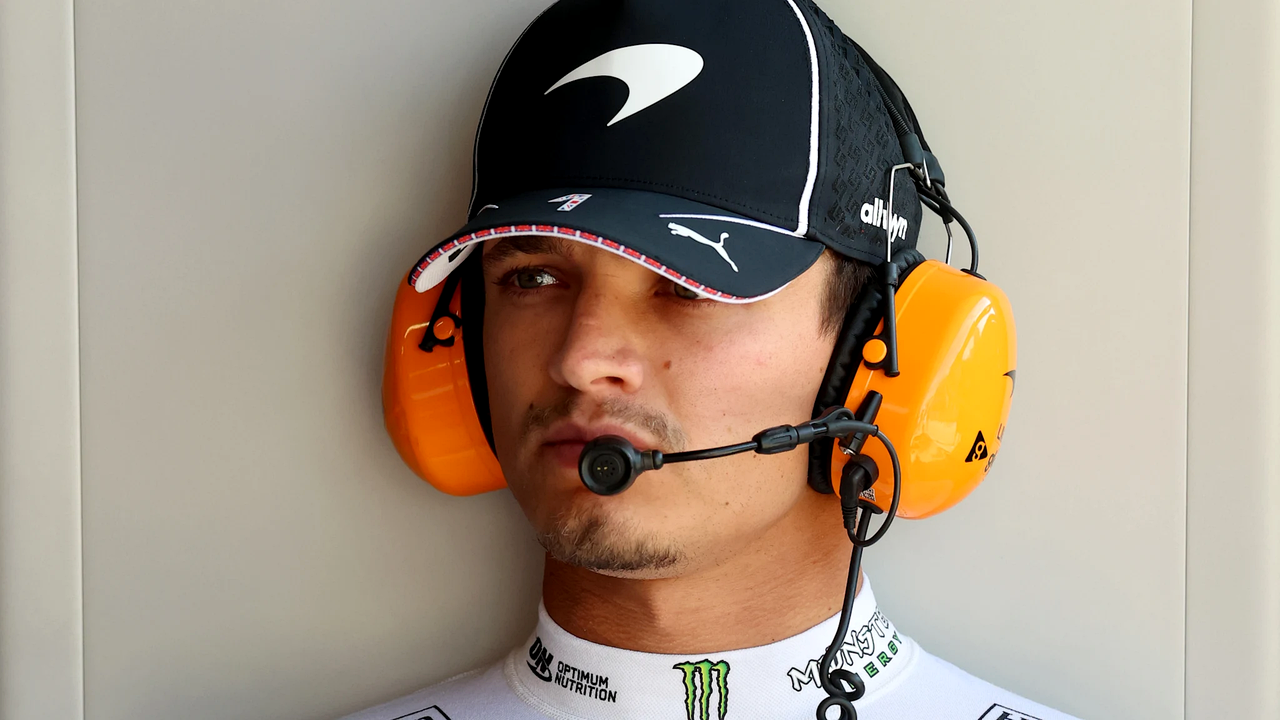
Damage turned pace into uncertainty
The result was not disastrous on paper because Norris still qualified inside the top six and the P3-P7 group was packed tightly. The problem is that Silverstone does not forgive uncertainty. If a driver cannot trust the front of the car through the fast fast corners, the lap becomes a series of small protections rather than one connected attack.
McLaren has been too strong this season to dismiss sixth as normal bad luck. Norris needs to know whether the damage explains almost all of the deficit or whether Ferrari, Mercedes and Red Bull have genuinely moved the target. Those are very different problems. One is repair work. The other is a performance warning before the Grand Prix grid is set.
The home race factor
Norris’ McLaren forever line earlier in the weekend made the home support feel personal, but home energy can cut both ways. The crowd lifts the driver, then every small mistake lands louder. A damaged car in a short qualifying format leaves little time for emotional correction, and Norris sounded like a driver who knew the session had escaped him before the final number arrived.
The McLaren garage must now avoid overreacting. If the brake-duct issue distorted the balance, chasing the Sprint Qualifying set-up too hard could create a second problem for the main qualifying session. The job is to separate physical damage from set-up weakness, then rebuild confidence without making the car nervous in the wind.
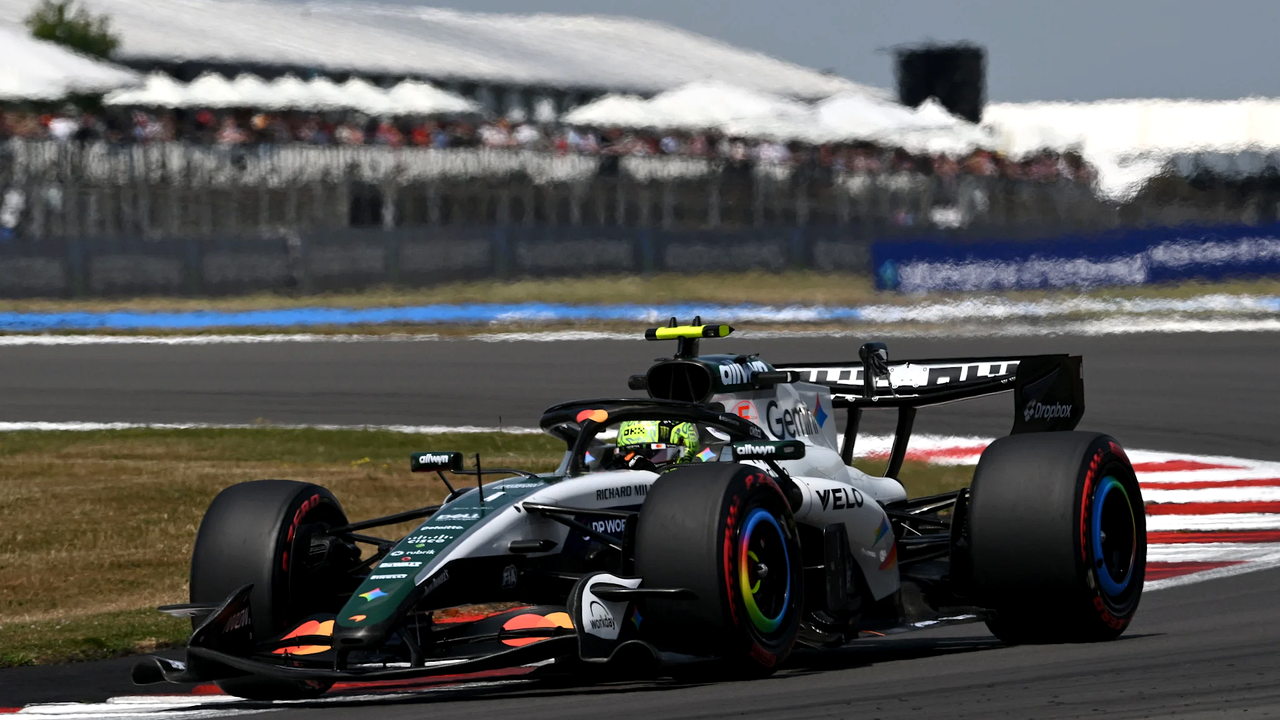
| Key point | Reading |
|---|---|
| Sprint Qualifying | Norris qualified sixth after reporting damaged-car behaviour. |
| Team context | Piastri was seventh, so McLaren has a two-car pace question. |
| Technical focus | The front brake-duct area became the key repair point. |
| Saturday need | McLaren must restore trust before Grand Prix qualifying. |
Why Piastri’s seventh matters too
Oscar Piastri ending up seventh behind Norris keeps McLaren from blaming one isolated car only. There may have been specific damage on Norris’ side, but the team still did not place either car where its recent form suggested. That makes the repair conversation broader: McLaren needs both drivers back in the same operating chance before the weekend slips toward damage limitation.
The narrow margin from third to seventh also makes the situation recoverable. A tenth or two can change the complexion of the grid, and McLaren has enough baseline speed to move forward if the car returns to normal. The concern is not raw pace; it is whether Norris gets a clean enough feel early enough to attack instead of diagnose.
A Saturday response with no spare room
The Sprint itself can still be useful if Norris treats it as a live diagnostic rather than a desperate charge. He needs to learn how the repaired car behaves in dirty air, whether braking confidence returns, and whether the high-speed balance lets him follow without abusing the tyres. None of that needs a heroic overtake on lap one.
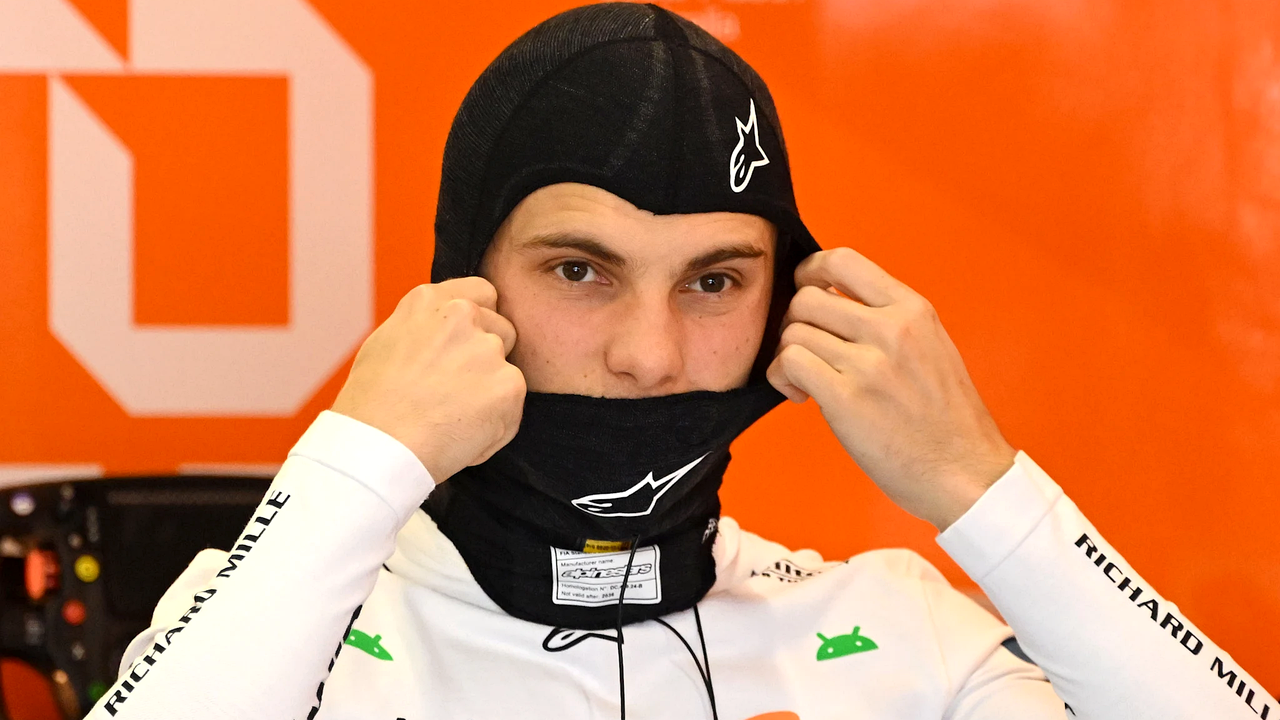
For McLaren, the clean target is to make the afternoon qualifying session feel unrelated to the morning frustration. If Norris is still talking about a strange car after the next session, Silverstone becomes a missed opportunity. If the problem disappears, sixth will look less like a limit and more like a temporary bruise on a weekend still open.
McLaren need evidence, not reassurance
Norris’ explanation should not be treated as a simple excuse or a simple fix. A damaged front brake-duct area can absolutely change how the car behaves, but McLaren still have to prove that the underlying pace is intact once the repair is complete. The dangerous assumption would be that replacing parts automatically returns the weekend to the original plan.
The team also has to compare Norris with Piastri carefully. If both McLarens were outside the expected front group, then damage on one car cannot explain everything. It may explain the feel Norris described, while the broader pace picture still points toward Ferrari, Mercedes and Red Bull finding a stronger Friday chance. Those two readings can both be true, and the article should preserve that nuance.
For Norris, the next useful sign is not a dramatic first-lap lunge. It is a car that lets him brake with trust, carry speed through the high-speed changes and finish a run without feeling that the front is protecting itself. If that returns, the home weekend remains open. If it does not, the damage story becomes only the first part of a bigger McLaren concern.

No Comments