

Why Engine Regulations Matter in Formula 1
Throughout Formula 1 history, changes to engine regulations have shaped entire generations of competition. Different periods of the championship are often remembered by the sound, performance, and engineering philosophy of their power units.- Naturally aspirated V8 engines.
- High-revving V10 power units.
- Turbocharged V6 hybrid systems.
- Energy recovery technologies.
- Advanced sustainable fuel development.
Ben Sulayem’s View on the Future
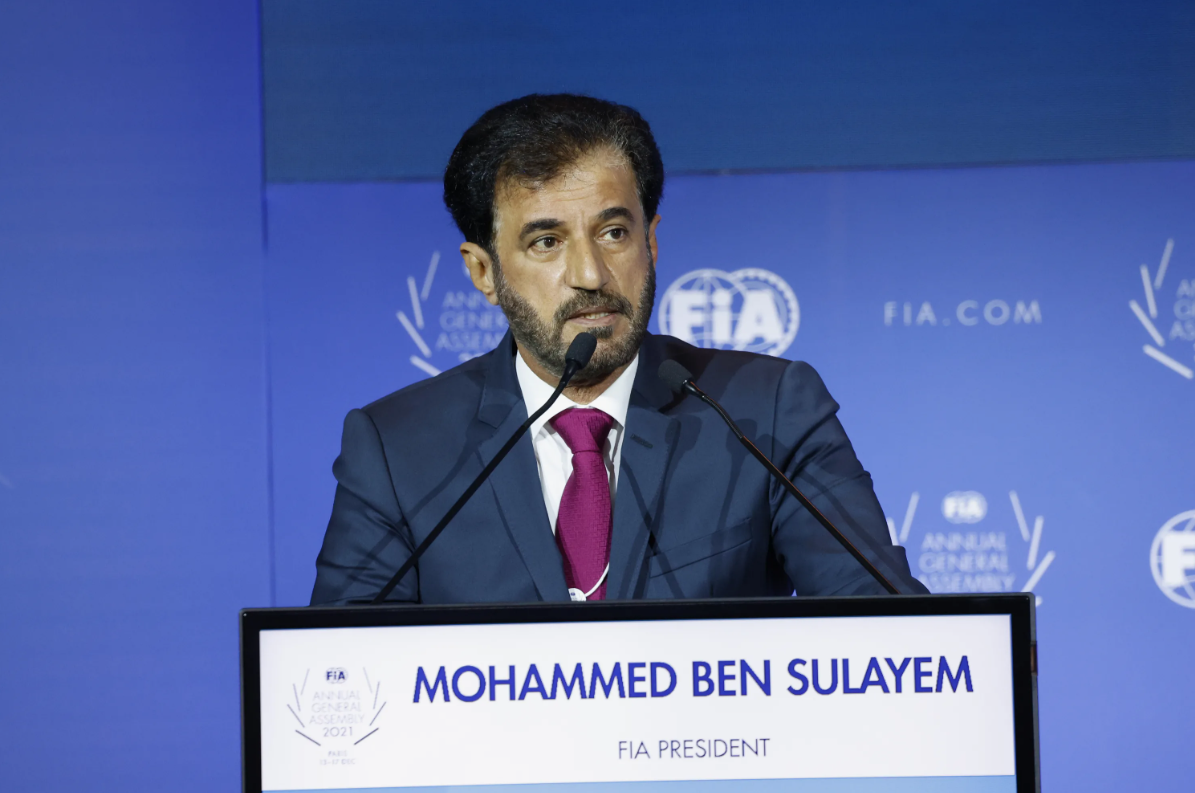
Mohammed Ben Sulayem indicated that conversations surrounding the return of V8 engines have moved beyond the conceptual stage. His remarks suggest that Formula 1’s governing bodies have already identified a preferred direction. Several important themes emerged from his comments.- Confidence about the sport’s future direction.
- Recognition of fan interest in traditional engines.
- Awareness of rising development costs.
- Consideration of sustainability objectives.
- A desire to preserve Formula 1’s unique identity.
Why Fans Continue to Love the V8 Era
For many Formula 1 enthusiasts, the V8 era represents one of the most exciting periods in the championship’s history. Introduced during the mid-2000s, these engines became famous for their unmistakable sound and aggressive character.- Powerful and emotional engine noise.
- Mechanical simplicity compared to hybrids.
- Distinctive driving techniques.
- Memorable title battles.
- Strong nostalgic appeal.
V8 Era vs Modern Hybrid Formula 1
| Category | V8 Era | Modern Hybrid Era |
|---|---|---|
| Engine Type | Naturally Aspirated V8 | Turbocharged V6 Hybrid |
| Sound | Loud and aggressive | More subdued |
| Technical Complexity | Moderate | Extremely high |
| Main Focus | Mechanical performance | Efficiency and hybrid technology |
| Fan Perception | Highly emotional | Technically impressive |
| Sustainability Emphasis | Limited | Significant |

The Sustainability Debate
One of the biggest concerns surrounding a potential V8 return involves Formula 1’s environmental commitments. The championship has publicly committed to ambitious sustainability targets, including achieving Net Zero emissions by 2030. Critics question whether larger engines align with these goals, while supporters argue that advances in fuel technology could provide an effective compromise.- Preserving Formula 1’s traditional character.
- Using fully sustainable fuels.
- Reducing technical complexity.
- Lowering development expenses.
- Improving the entertainment factor.
Manufacturers Hold the Key
Automotive manufacturers remain central to Formula 1’s future. Their priorities significantly influence major regulatory decisions.- Road-car relevance.
- Research and development opportunities.
- Cost efficiency.
- Marketing benefits.
- Environmental responsibility.
Could Sustainable V8 Engines Become Reality?
Advancements in fuel technology have transformed the discussion around engine regulations. Rather than simply recreating the past, Formula 1 could develop a modern interpretation of the V8 concept.- Use of fully sustainable fuels.
- Improved combustion efficiency.
- Simplified hybrid support systems.
- Enhanced reliability.
- Reduced long-term costs.
Potential Advantages and Concerns
Potential Benefits
- More exciting engine sound.
- Reduced engineering complexity.
- Lower barriers for participation.
- Stronger fan engagement.
- Preservation of Formula 1 heritage.
Potential Concerns
- Environmental compatibility questions.
- Transition expenses.
- Regulatory uncertainty.
- Adaptation challenges for manufacturers.
- Risks associated with changing direction.
How Fans Have Reacted
The reaction from Formula 1 supporters has been passionate. Many fans welcomed the possibility enthusiastically, believing it could reconnect the championship with one of its most iconic eras.- Excitement over louder engines.
- Curiosity about future regulations.
- Concerns about sustainability.
- Optimism regarding entertainment value.
- Interest in technical details.
What Happens Next?
Although Mohammed Ben Sulayem’s comments suggest that a decision has effectively been reached, several important questions remain unanswered.- When could the new regulations be introduced?
- What technical specifications would apply?
- How would sustainable fuels be implemented?
- What cost controls would be introduced?
- How would manufacturers adapt?


No Comments