
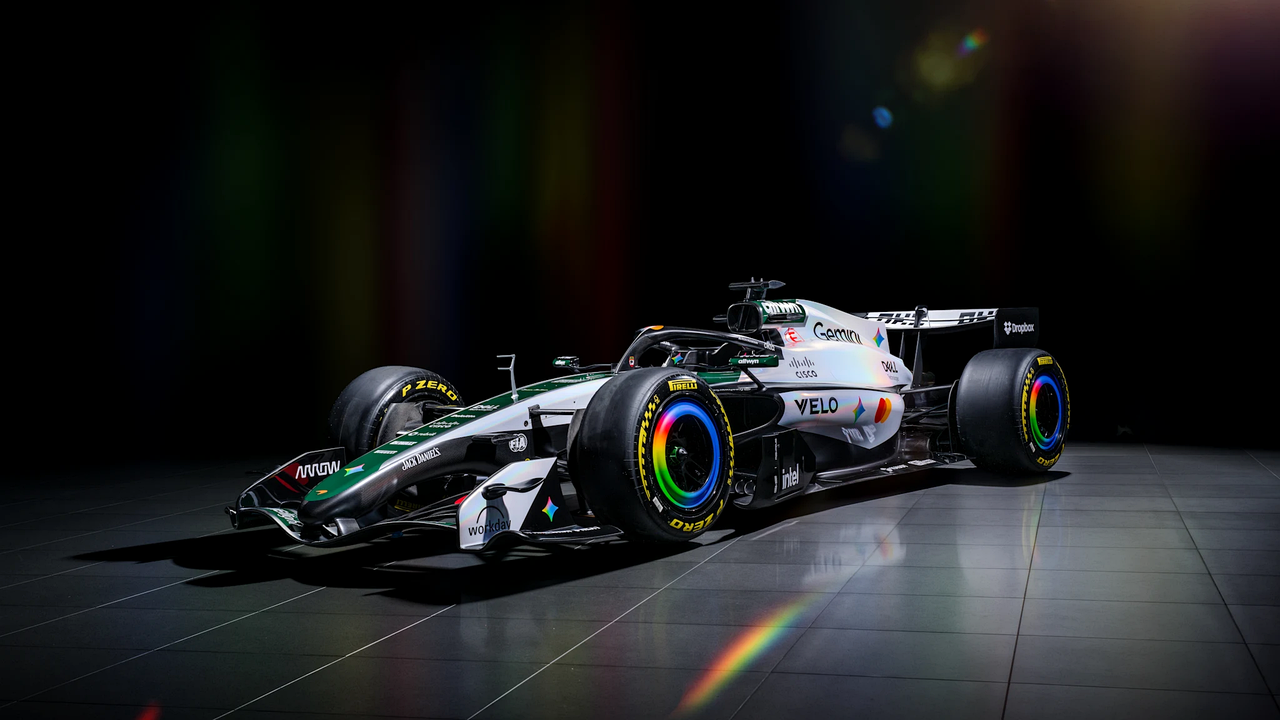
McLaren will run a heritage-inspired Silverstone look based on its 1966 M2B, giving the British Grand Prix a visual story that also measures how far the team has travelled.
The tribute must mean more than nostalgia
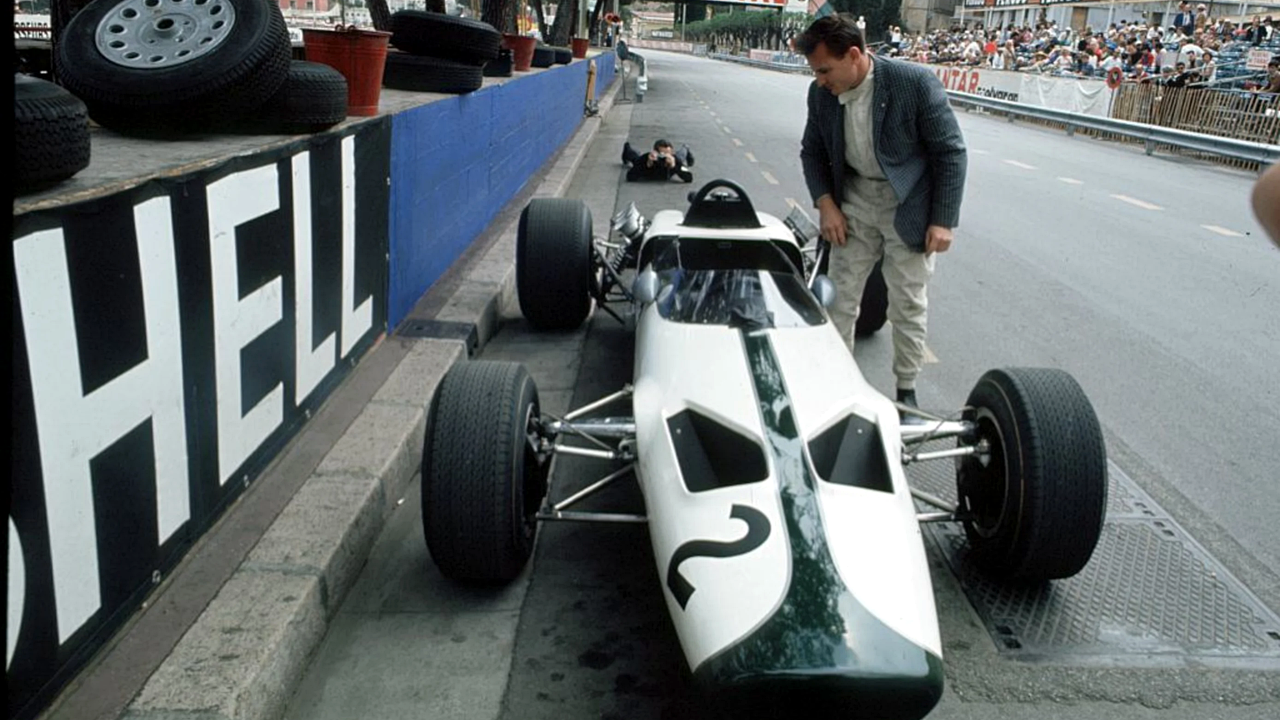
A one-off livery can easily become decoration, especially during a Grand Prix week full of sponsor images and social posts. McLaren’s Silverstone design has a stronger base because it reaches back to the team’s first Formula 1 season. The M2B example is not random heritage; it points to the year McLaren arrived and to the British Grand Prix where Bruce McLaren scored the team’s maiden point.
That matters because Silverstone is already heavy with McLaren meaning. Lando Norris won there last season, the team has championship expectations, and the home crowd will notice every papaya or white panel. The visual change gives the weekend a cleaner identity, but the car still needs to deliver on track or the tribute will be remembered as a good-looking wrapper around missed pace.
The livery lands after a complicated Austria
McLaren did not leave Austria with a simple mood. Piastri’s P4 saved McLaren from a worse result after Norris lost ground, but the weekend did not feel fully controlled. The unused rear wing also turned into a development control story, because the team chose not to rush an experimental part once sign-off failed to satisfy internal standards.
That makes the Silverstone livery interesting for reasons beyond appearance. It arrives at the same moment McLaren need to show that their process is calm. A heritage car in front of British fans will draw attention, but the competitive weekend will be decided by run plans Tyre warm-up and whether the team can avoid losing Friday’s only practice hour to uncertainty.
| Key point | Reading |
|---|---|
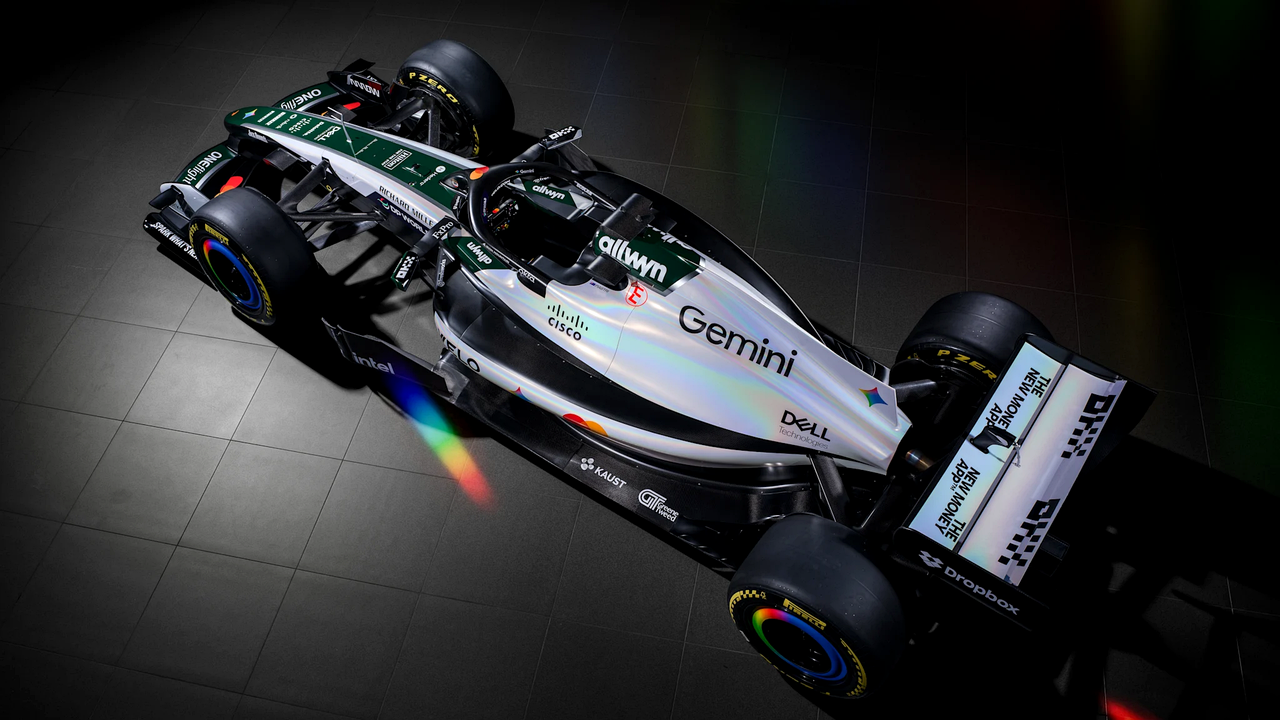
| Design cue | The car switches toward a primarily white tribute inspired by the 1966 McLaren M2B. |
| Historical link | Bruce McLaren scored the team’s first F1 point at the British Grand Prix in that debut season. |
| Modern context | The tribute follows McLaren’s 1000th Grand Prix celebration earlier in 2026. |
| Competitive question | A special look still needs a sharp Sprint weekend to avoid becoming only a photo moment. |
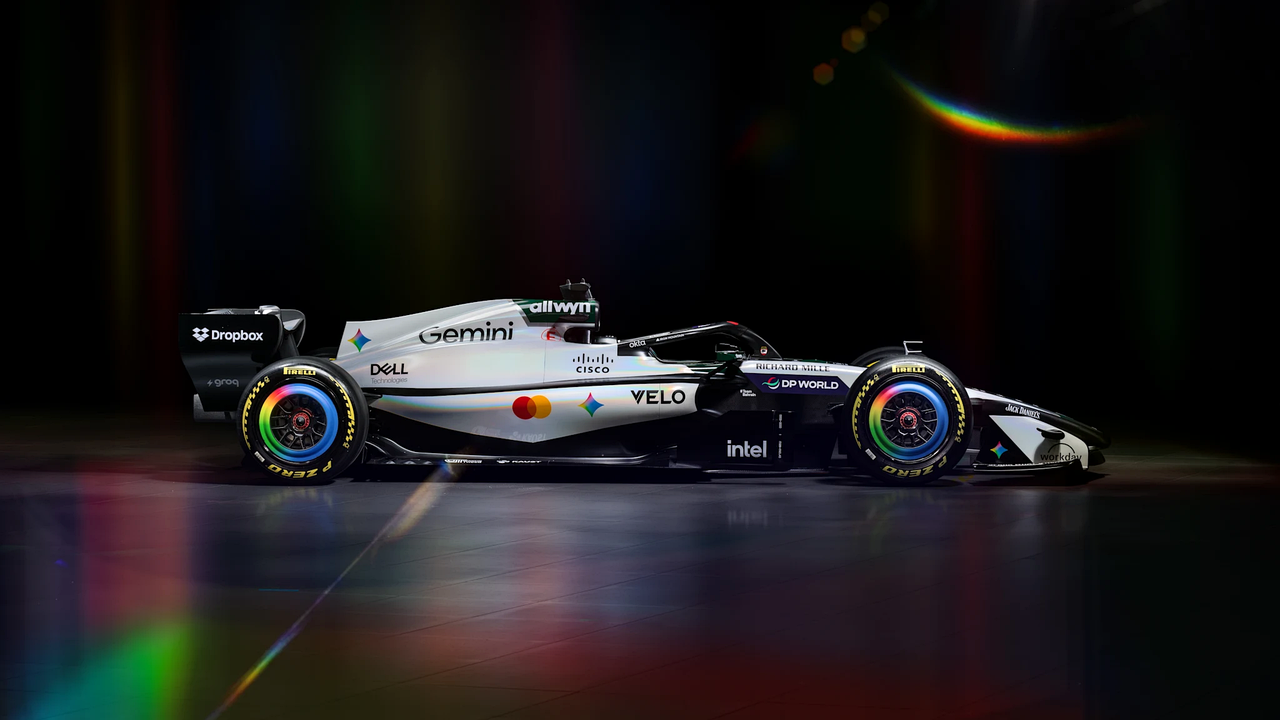
The 1966 example changes the tone
McLaren could have chosen a safer home-race splash: a flag detail, a special number panel, a promotional colour shift. Instead, the team leaned into the M2B, a car from an era when McLaren were still becoming McLaren. That choice gives the modern garage a reminder that the brand was built through long development, not through one polished weekend.
The contrast is useful. In 1966, scoring a first point carried the story. In 2026, the same team is expected to fight near the front and manage a reigning champion in Norris. The livery therefore links two very different versions of ambition. One was about proving the team belonged; the current one is about proving the team can keep winning.
Why Silverstone is a risky place for sentiment
Home races can distort judgement. Every team wants to give fans something memorable, but Silverstone does not reward sentiment on the stopwatch. The circuit asks for high-speed stability, efficient drag and enough mechanical compliance to keep the car calm when the surface and wind shift. A pretty car that is hard to balance will be exposed quickly.
The Sprint format sharpens that danger. McLaren have little time to let the car come to them, and any early compromise can spill into two competitive sessions before Sunday. If the team are thinking clearly, the livery should be treated as a separate layer. The engineers cannot let the occasion influence how aggressive they are with set-up or with any returning rear-wing experiment.
Norris and Piastri need different answers
Norris carries the emotional headline because of last year’s Silverstone win and the British crowd, but Piastri’s Austria result gives the team another internal example. Piastri showed how valuable a clean race can be when the weekend starts imperfectly. Norris needs a cleaner launch into the event so that his home pressure becomes energy rather than repair work.
That split gives McLaren a useful two-driver measurement. If both drivers are comfortable from FP1, the special livery will sit on top of a genuine sporting threat. If one side of the garage spends the weekend chasing balance, the visuals may only highlight how narrow McLaren’s current operating chance has become.
The best version of the story is practical
The best outcome for McLaren is not simply that the car photographs well. It is that the 1966 tribute becomes part of a weekend where the team looks controlled: useful FP1 data, no rushed upgrade gamble, a solid Sprint. A Grand Prix qualifying session that leaves both drivers in the fight. That would give the livery sporting weight.
Silverstone gives McLaren a rare chance to connect origin and present tense without forcing the point. The design can honour the team’s first step while the race weekend asks whether the current version is mature enough to chase another. If both pieces work together, the white car will feel less like a costume and more like a proper chapter.
Related context: McLaren’s unused rear wing and Piastri’s P4 saves McLaren.
No Comments