
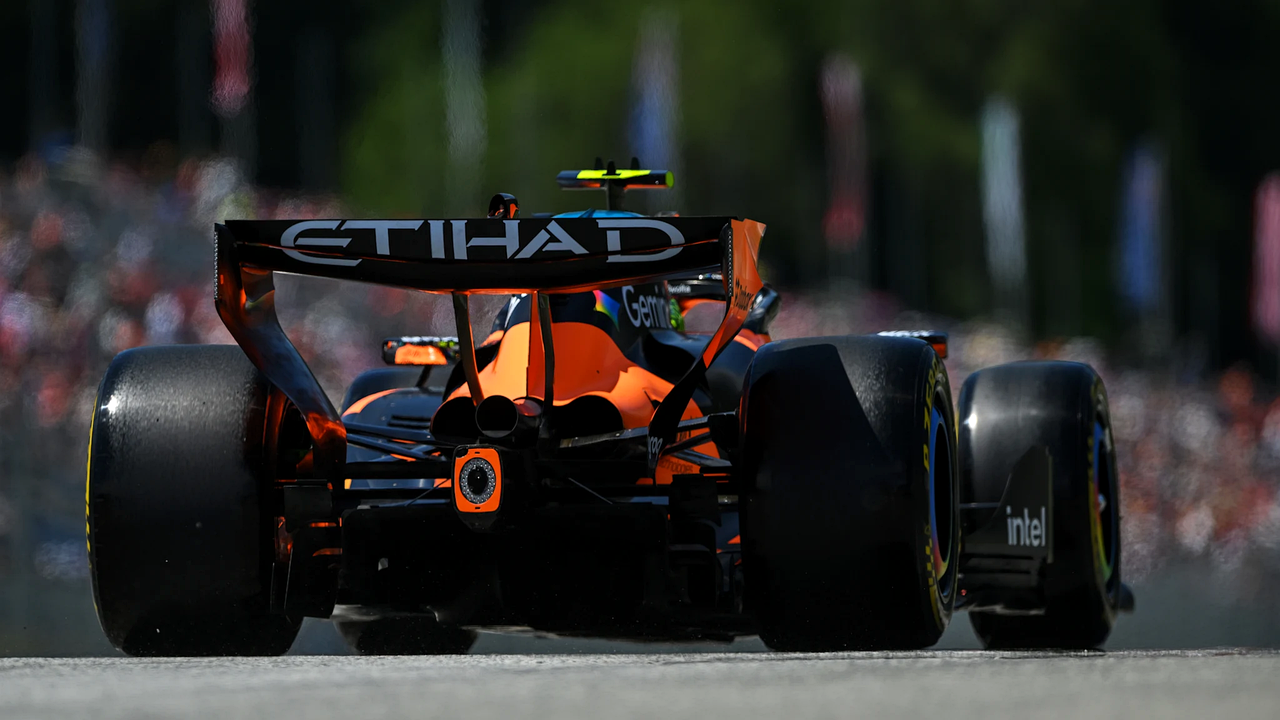
McLaren brought an experimental rear wing to Austria but chose not to run it after sign-off tests, turning a missing upgrade into a useful example of development discipline.
The non-run was the story
A new rear wing that never appears in a competitive session can look like a footnote. For McLaren, it became a better test of judgement than if the part had completed a few untidy laps. The team had planned to evaluate the concept, but the sign-off work did not satisfy them. That left a choice: force the experiment into a compressed weekend or protect the car specification they trusted.
Neil Houldey’s explanation made the trade-off clear. The factory had worked hard to get the part to Austria, but effort does not make a component ready. Once the tests failed, the correct decision was to avoid spending scarce practice time on a wing that might not provide reliable data. In a season shaped by upgrades, knowing when to stop is a performance skill.
Why the rear-wing trend matters
The ‘Macarena’ or flip-flop-style rear wing has become one of the more visible technical threads of the 2026 regulations. Ferrari used the idea early, Red Bull followed with its own interpretation, and McLaren naturally wanted to understand whether a similar route could unlock efficiency. The attraction is obvious: a wing that changes behaviour under braking or load can reshape the drag-downforce trade.
The risk is equally obvious. A moving or flexing concept that does not pass internal standards can create correlation confusion, reliability concerns and regulatory attention. McLaren did not need a flashy run that produced more questions than answers. They needed either clean data or no data. Austria gave them the latter, which is still better than misleading data.
| Key point | Reading |
|---|---|
| Part | Experimental rear wing inspired by the current flip-flop/Macarena-style trend. |
| Plan | The team wanted to test it during practice on Lando Norris’ car. |
| Decision | It failed internal sign-off checks and was sent back for fixes. |
| Consequence | McLaren protected track time for the race specification rather than chasing a risky novelty. |
Norris’ FP1 problem made the timing worse
The situation became more awkward because Norris already lost useful running with a hydraulic leak in FP1. When a driver is short of laps, every remaining run has to serve the race weekend. Testing an unproven rear wing on a compromised programme would have multiplied the uncertainty. McLaren therefore had to protect the baseline car before they could chase future performance.
That matters when placed next to the race result. Piastri’s fourth place rescued useful points, while Norris’ weekend never fully recovered the smoothness McLaren wanted. The unused wing was not the reason for the whole performance picture, but it sat inside the same problem: the team had less clean time than planned and needed disciplined choices to avoid making that deficit larger.
Development pressure is not only about speed
The modern upgrade race can tempt teams into visible aggression. Fans see a new part and expect it to run. Rivals bring packages and the pressure to answer grows. Yet the fastest development teams are rarely the ones that attach every prototype at the earliest chance. They are the ones that understand what each test is meant to prove and when the risk outweighs the information.
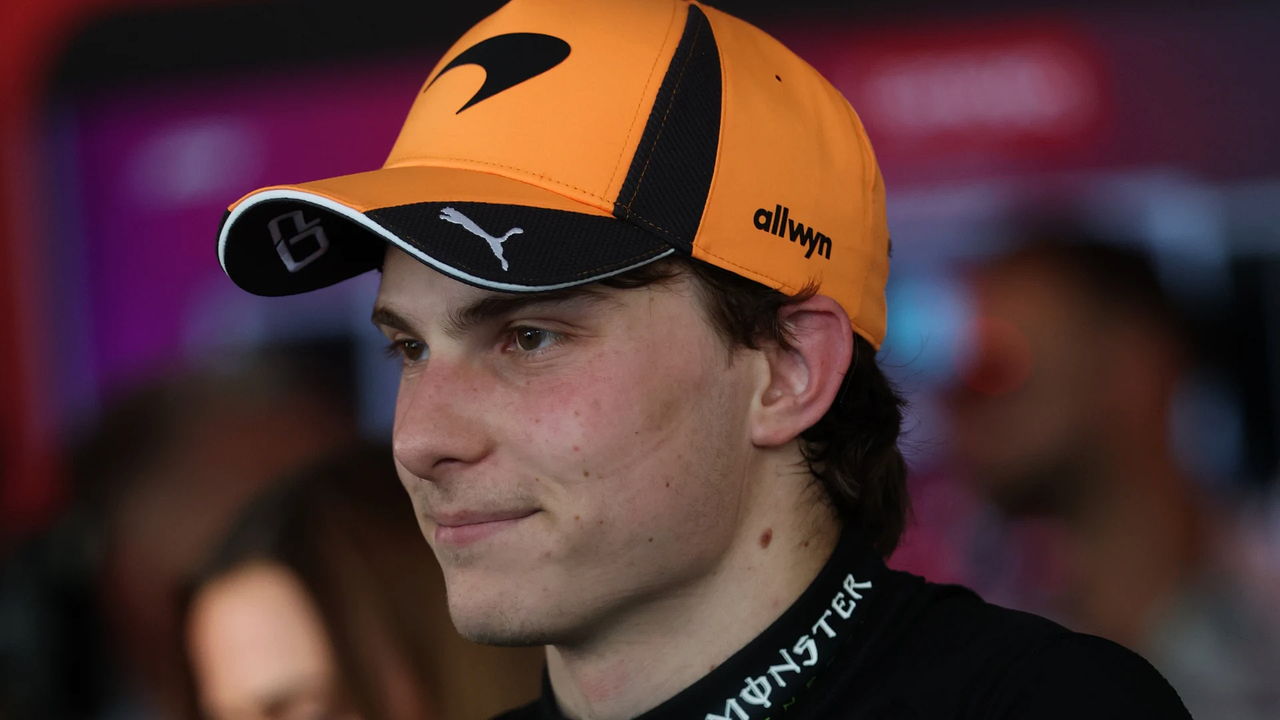
McLaren’s decision therefore deserves a calmer reading. The part was not abandoned as a failed concept. It was delayed because the first version was not ready for meaningful track work. That distinction matters. A delayed upgrade can return with better sign-off, while a rushed one can send the design group down a false path.
Silverstone becomes the cleaner opportunity
The next useful question is whether McLaren can bring the fixed version to a weekend where the running plan is less disrupted. Silverstone would be a natural place to learn from a rear-wing concept because the circuit rewards aerodynamic efficiency and high-speed stability, but only if the part arrives with enough confidence to survive proper comparison.
Austria did not give McLaren a new weapon. It gave them a process check. In a season where tiny technical decisions can shape a championship trend, that may still matter. The wing will be judged when it runs; the team were judged in Austria by refusing to run it too early.
The discipline behind a missing upgrade
The rear wing decision is the kind of moment that separates development maturity from visible ambition. Fans see a new part not appearing and read caution or delay. The team see a sign-off risk, a limited practice programme and a car already in need of clean running. McLaren chose the boring option because the boring option protected the weekend. That is not passive. It is a decision to value reliable comparison over the emotional satisfaction of bolting on hardware.
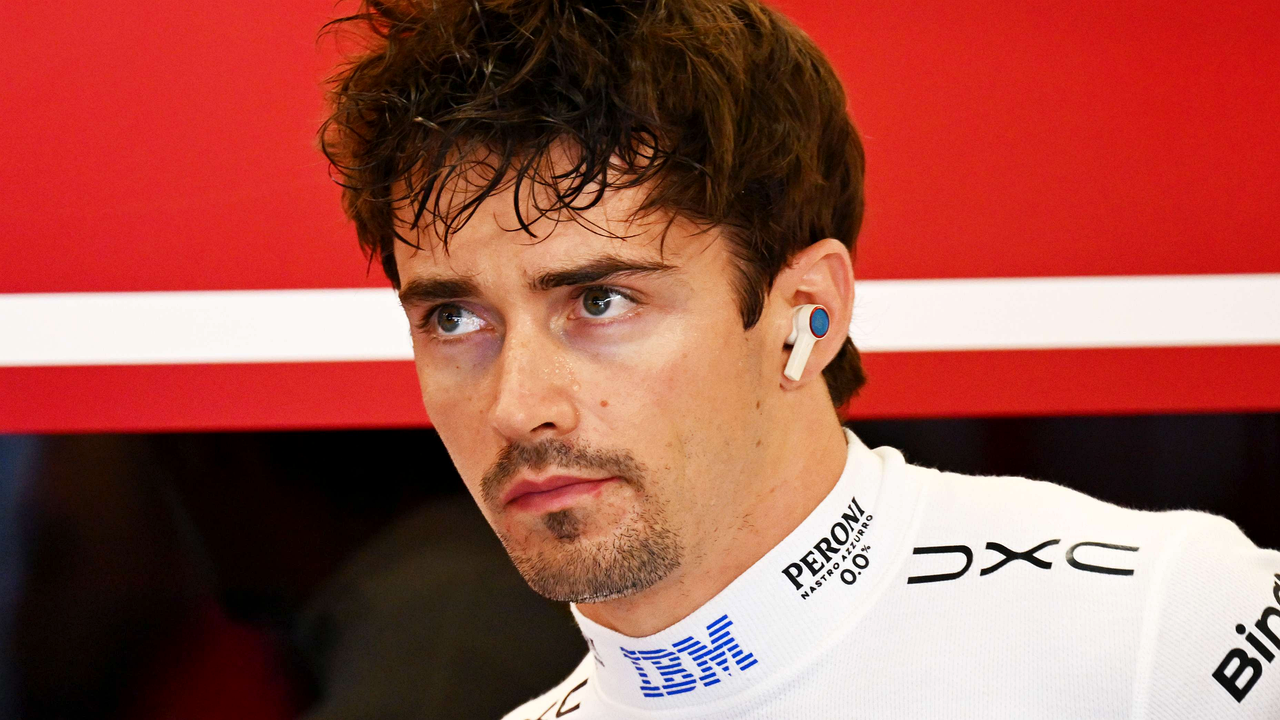
Austria was also a bad venue for a confused test. A short lap compresses traffic, limits the time a driver can describe corner-by-corner behaviour, and makes small drag or balance changes look larger than they may be. If the wing had created a correlation question, McLaren could have spent the weekend chasing a part rather than preparing the race car. The garage therefore treated the missing upgrade as a data-quality issue, not only a performance gamble.
That matters for Norris and Piastri because both need a car that responds consistently while the title fight tightens. A development path that delivers unpredictable balance can be more damaging than a smaller package that the drivers understand. McLaren have enough pace to win races, so the marginal gain from a questionable part must be weighed against the chance of losing rhythm. Austria showed the team are willing to postpone a visible step if the working group does not trust the evidence.
The decision will only look wise if the wing returns in better shape. A delayed upgrade that later produces lap time is discipline. A delayed upgrade that disappears becomes waste. Silverstone and the races after it will tell which version this was. For now, the lesson is clear enough: McLaren are no longer developing like a team hoping to surprise the field. They are developing like a team that knows a wrong answer can cost a championship weekend.
Related context: Piastri’s P4 saves McLaren and Ferrari’s Austria front-row pressure.


No Comments