

Barcelona Weekend Exposes Weaknesses
The Spanish Grand Prix weekend highlighted how even seemingly minor procedural issues can impact a driver’s preparation. Formula 1 race weekends follow strict schedules involving reconnaissance laps, grid positioning, final checks, and communication with race control. Any disruption during these stages can increase pressure before the lights go out. For Hadjar, the experience in Barcelona exposed weaknesses within the existing framework. He argued that despite regulations being designed to avoid confusion, they often achieve the opposite effect.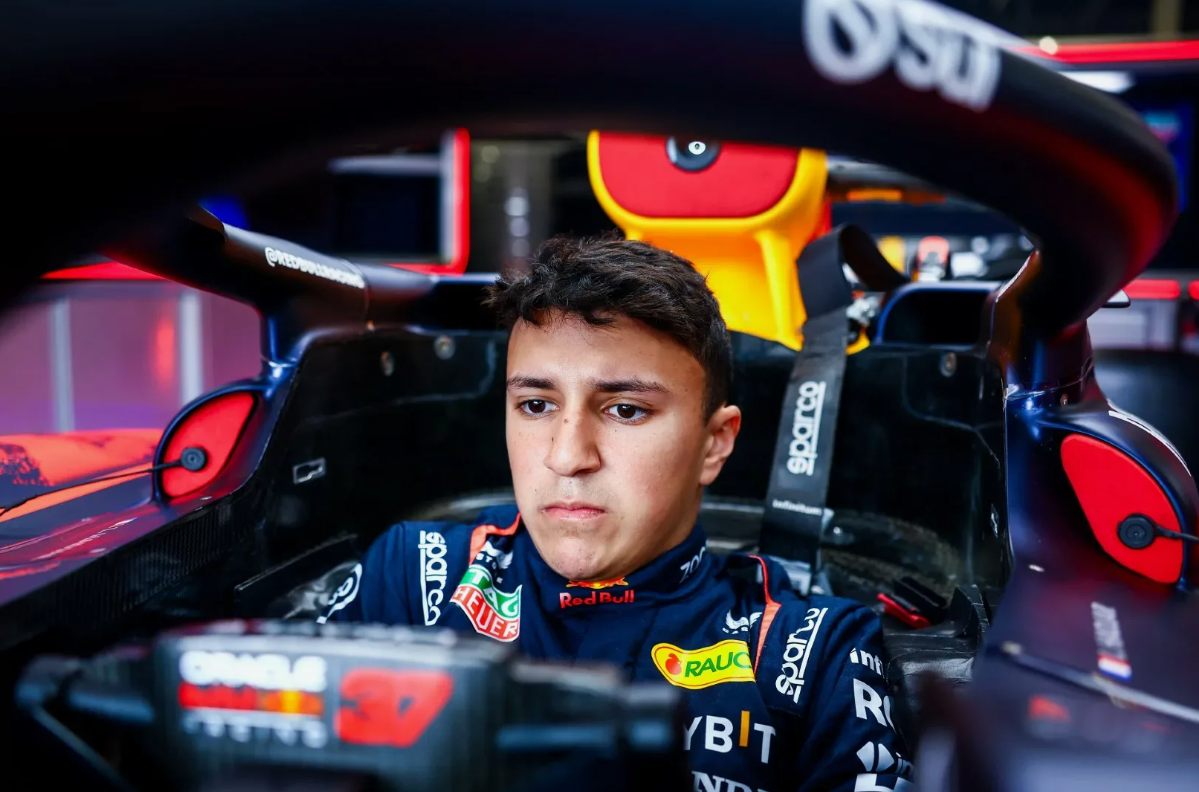
What Frustrated Hadjar?
The Racing Bulls rookie believes the current procedures create unnecessary uncertainty during one of the most critical phases of a Grand Prix weekend.- Delays in communication.
- Complicated procedural requirements.
- Inconsistent interpretation of regulations.
- Additional stress before the race begins.
- Lack of practical effectiveness.
Why Race Starts Matter So Much
Race starts are among the most decisive moments in Formula 1. A driver’s performance during the opening seconds can influence the outcome of the entire Grand Prix. Even minor distractions before the formation lap can affect concentration and execution.- Mental preparation.
- Tire temperature management.
- Brake preparation.
- Strategic decision-making.
- Driver confidence.
Starting Procedure: Expectations vs Reality
| Objective | Intended Outcome | Concerns Raised by Hadjar |
|---|---|---|
| Improve organization | Clear communication | Instructions remain confusing |
| Ensure fairness | Equal treatment for all teams | Possible inconsistencies |
| Enhance safety | Better control of procedures | Added pressure on drivers |
| Maintain efficiency | Smooth race preparation | Uncertainty and delays |
| Support competitors | Improved focus | Additional distractions |
The Value of a Rookie Perspective
As one of Formula 1’s younger competitors, Hadjar brings a fresh perspective to the discussion. Rookie drivers often encounter procedural complexities without years of experience to normalize them. Their feedback can help identify weaknesses that veterans may simply accept as part of the sport.- Fresh observations.
- Recognition of outdated practices.
- Identification of avoidable complications.
- Suggestions for efficiency improvements.
- Adaptability to modern racing demands.
Pressure in Modern Formula 1
Today’s Formula 1 drivers must process enormous amounts of information before every race.- Engineering instructions.
- Tire strategies.
- Weather updates.
- Radio communication.
- Safety requirements.
- Grid procedures.
Could Formula 1 Introduce Changes?
Whenever criticism emerges from within the paddock, discussions about possible reforms quickly follow. Several potential solutions have already been suggested by observers and analysts.Possible Improvements
- Simplified communication protocols.
- Standardized instructions from race control.
- Improved digital notification systems.
- Greater flexibility in unusual circumstances.
- Regular consultation with drivers.
The Importance of Consistency
Drivers generally accept strict regulations when they are applied consistently and transparently. Problems arise when competitors perceive procedures as ineffective or unnecessarily complicated.- Predictability.
- Transparency.
- Equal treatment.
- Efficiency.
- Safety.




No Comments