
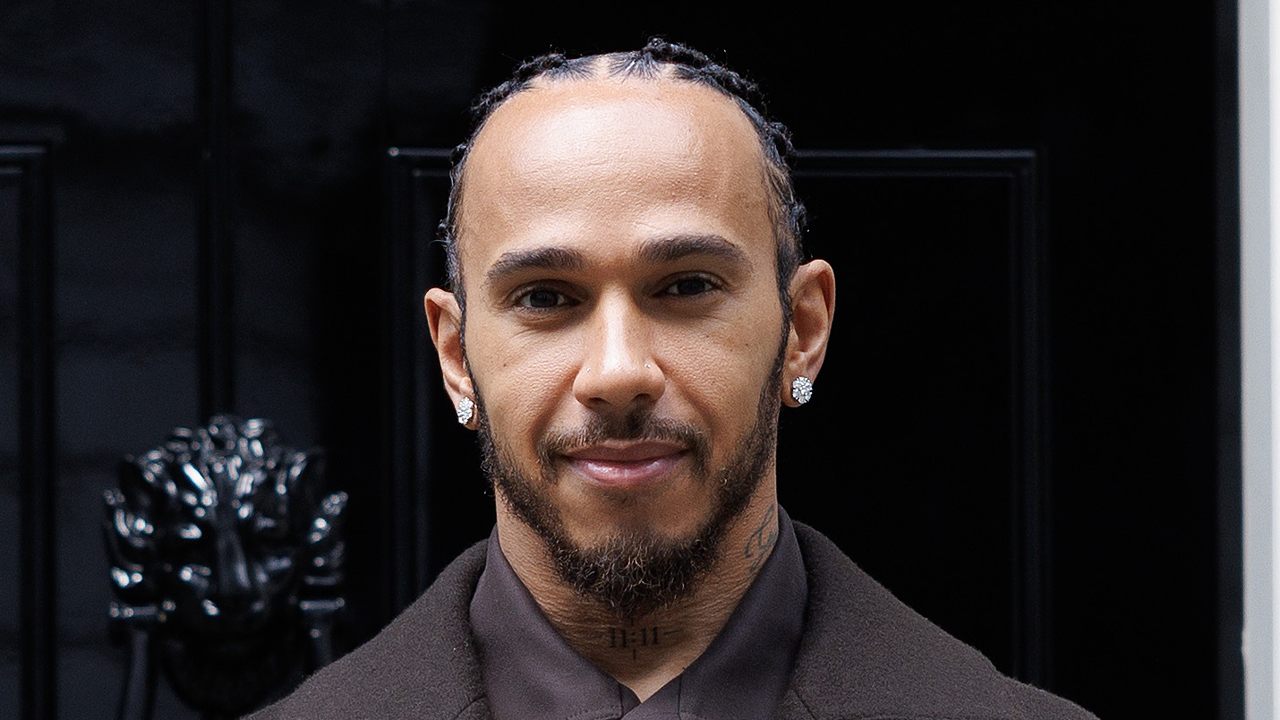
Lewis Hamilton’s Barcelona win did more than end a Ferrari wait. It moved his career into one of Formula 1’s rarest longevity arguments.
The span between Hamilton’s first Grand Prix win in 2007 and his latest Ferrari victory in 2026 now sits among the longest winning windows the championship has seen.
What the update actually changes
The opening fact is direct: hamilton first won in Canada in 2007 and returned to the top step with Ferrari in Barcelona in 2026. It is not a loose talking point; That turns the result into a measurement of durability, not only speed, and it changes how the next result will be judged.
The broader reading is about longevity, Ferrari execution and the way one win links three eras of Hamilton’s career. The list rewards drivers who combine early impact with elite staying power. That puts the update inside a live competitive argument instead of leaving it as a record-book note.
Where the pressure appears
The Ferrari result gives the statistic a new emotional layer because it arrived after a team switch. The consequence is practical: a maiden Ferrari win carries more weight when it also extends a record-level career arc. The team, driver or event involved now has to prove that the same detail can survive a less friendly weekend.
A long winning gap is different from a late-career comeback because Hamilton remained competitive across the whole era. That is where tyre preparation, late-stint pace and the calm required to convert a fast car into a historic result become more important than the headline itself.
The number connects McLaren, Mercedes and Ferrari chapters rather than isolating one race. Every team phase now belongs inside the same competitive story. The useful question is not whether the update sounds impressive, but whether it gives the next session or match a clearer shape.
Key details
| Area | Detail |
|---|---|
| Historic marker | first win in 2007, latest win in 2026 |
| Main reading | longevity backed by active race-winning pace |
| Ferrari angle | a new team chapter adds weight to the statistic |
| Next check | whether Barcelona becomes a repeatable Ferrari level |
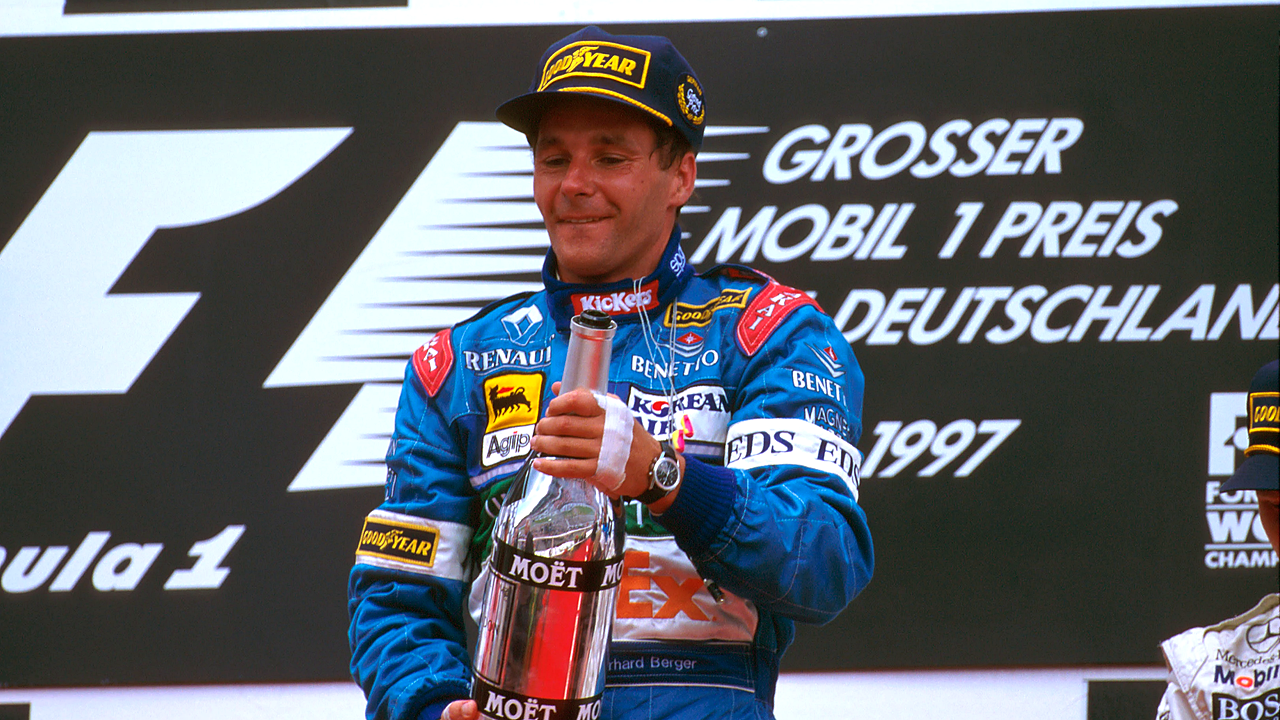
Why the detail matters beyond the headline
Barcelona showed that the final win in the span was earned through race pace, tyre control and execution. The win was not ceremonial; it came from a race weekend Ferrari controlled under pressure. That detail is the bridge between what has already happened and what the paddock or fan base will measure next.
The next question is whether the statistic becomes a one-off marker or the start of another Ferrari run. Another victory would move the conversation from history into active championship momentum. A single event can start the discussion, but repeatability decides whether the story becomes part of the season’s direction.
Ferrari now have a driver whose historical record still grows while the title fight is live. That is why rivals cannot treat Barcelona as nostalgia. It also explains why the next checkpoint cannot be treated as routine.
The list of long winning spans is not a museum piece. It is a way of separating drivers who had one brilliant period from those who survived several technical eras.
Hamilton’s case is unusual because the span covers three very different competitive identities. He was a young McLaren disruptor, then the central figure of Mercedes dominance, and now a Ferrari winner trying to reshape a late-career title push.
That is why Barcelona matters beyond the trophy. It proves that the last chapter has not become a farewell tour.
The next race will test whether Ferrari can repeat the operational level that made the statistic possible.
If the car remains this balanced, Hamilton’s place on the list may soon look like a live warning rather than a retrospective achievement.
For the championship, the practical point is simple: the oldest records are still being affected by a driver who is scoring current wins.
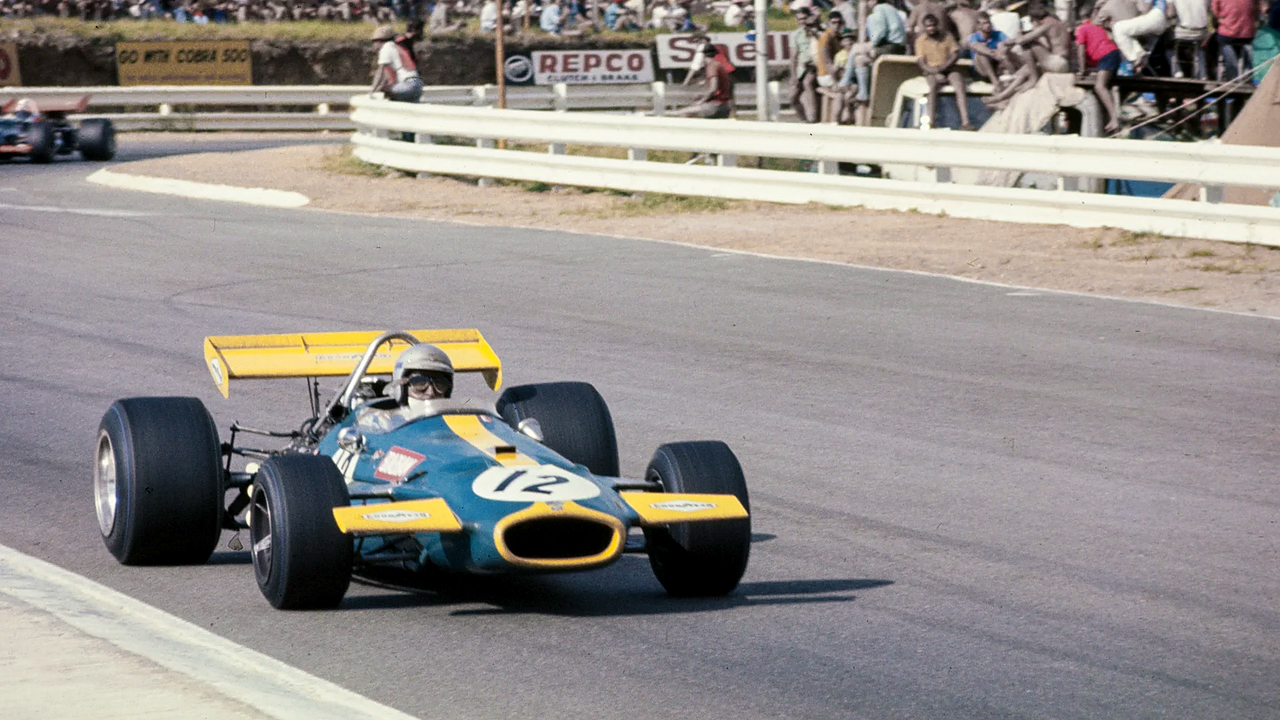
The span also crosses several technical eras, which makes the comparison harder than a simple date count. Hamilton won with naturally aspirated machinery, dominated through the first long hybrid cycle and then had to rebuild his references after moving to Ferrari. Each phase demanded different tyre preparation, energy management and communication habits. Remaining capable of winning after those resets is the competitive substance behind the record.
The next proof point
The cleanest thing to watch is whether Ferrari can repeat the Barcelona balance when the next circuit asks a different question. If that part holds, the update becomes evidence; if it fades, the story will be remembered as a short burst of momentum.
For readers, the useful frame is simple: keep the named result in view, then follow the next technical or competitive reaction. That is where the real value of the news sits.
Hamilton’s longest-gap entry is not just a trivia line. It is evidence that Ferrari’s Barcelona result has changed both the present title conversation and the historical record.
The next useful measurement is tyre preparation, late-stint pace and the calm required to convert a fast car into a historic result. That area will decide whether the headline turns into a pattern, because every following run gives teams and rivals more evidence to test.
What makes the update worth following is the gap between the public headline and the working detail behind it. The headline names the moment; the working detail decides whether the moment has competitive life.
Another part of the story sits inside tyre preparation, late-stint pace and the calm required to convert a fast car into a historic result. If that element improves, the same news begins to look like the start of a trend rather than a single strong day.
The season will not remember the announcement alone. It will remember whether the people involved can repeat the same standard when the track, opponent or format becomes less comfortable.
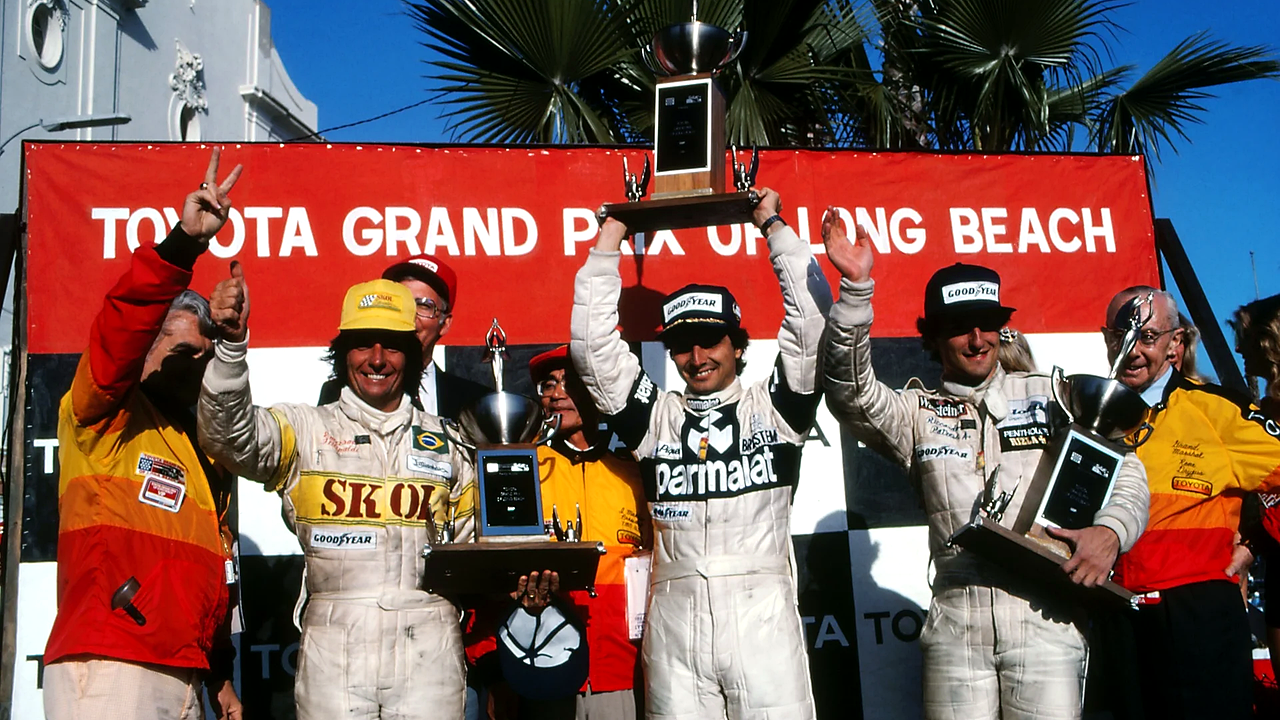
The pressure is also psychological. Once a result or rule change receives this much attention, the next mistake is judged faster and the next clean response carries more value.
That is why the follow-up should be read through execution. A clean next step would give the original story stronger roots; a messy one would make it feel temporary.
There is also a strategic layer attached to tyre preparation, late-stint pace and the calm required to convert a fast car into a historic result. Teams can talk around a story for only so long before timing, preparation and decision-making reveal the real level.
For fans, the best way to read the situation is to ignore the noise for one session and watch the measurable details. Those details usually explain whether the reaction is justified.
The useful comparison is not with the loudest headline from the same week. It is with the next moment where the same weakness or strength appears under pressure.
If the next answer is precise, the story gains depth. If it is loose, the current update will remain interesting but not decisive.
Another reason to keep the story open is that longevity, Ferrari execution and the way one win links three eras of Hamilton’s career. That context gives the next competitive decision a sharper edge than the headline can show by itself.
The strongest follow-up would be a weekend or series where the same theme appears again without needing explanation. That kind of repetition is what turns news into form.
There is still room for the picture to move. One clean result can be persuasive, but the next mistake, delay or strategic call will show how much of the change is durable.
That makes the short-term reaction important. A team that understands the detail will protect it early; a team that treats it as background will probably give rivals a chance.
The working context also changes how supporters read the story. They are not only looking for a name or statistic; they want evidence that the next step has been prepared properly.
No Comments