
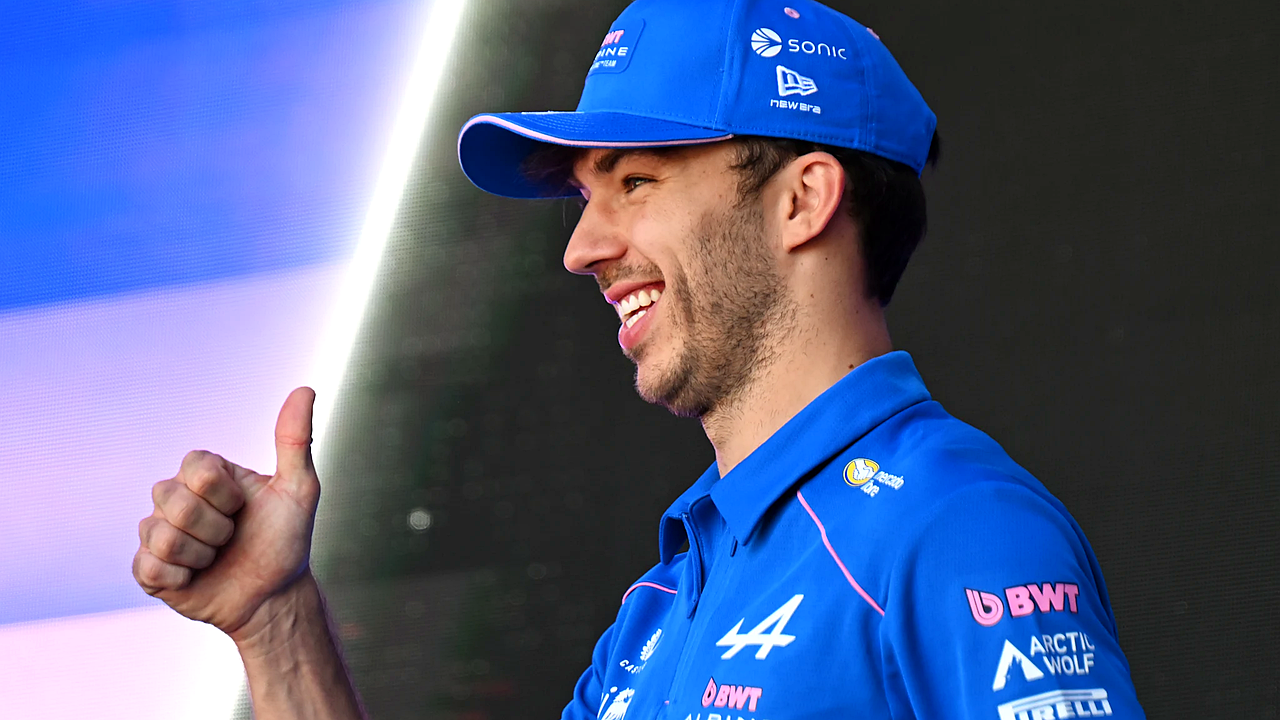
Pierre Gasly left Barcelona with Alpine’s mood lifted by points and timing. The result gives the team something it has needed badly: a reason to believe the next races can be attacked rather than endured.
Why the points matter
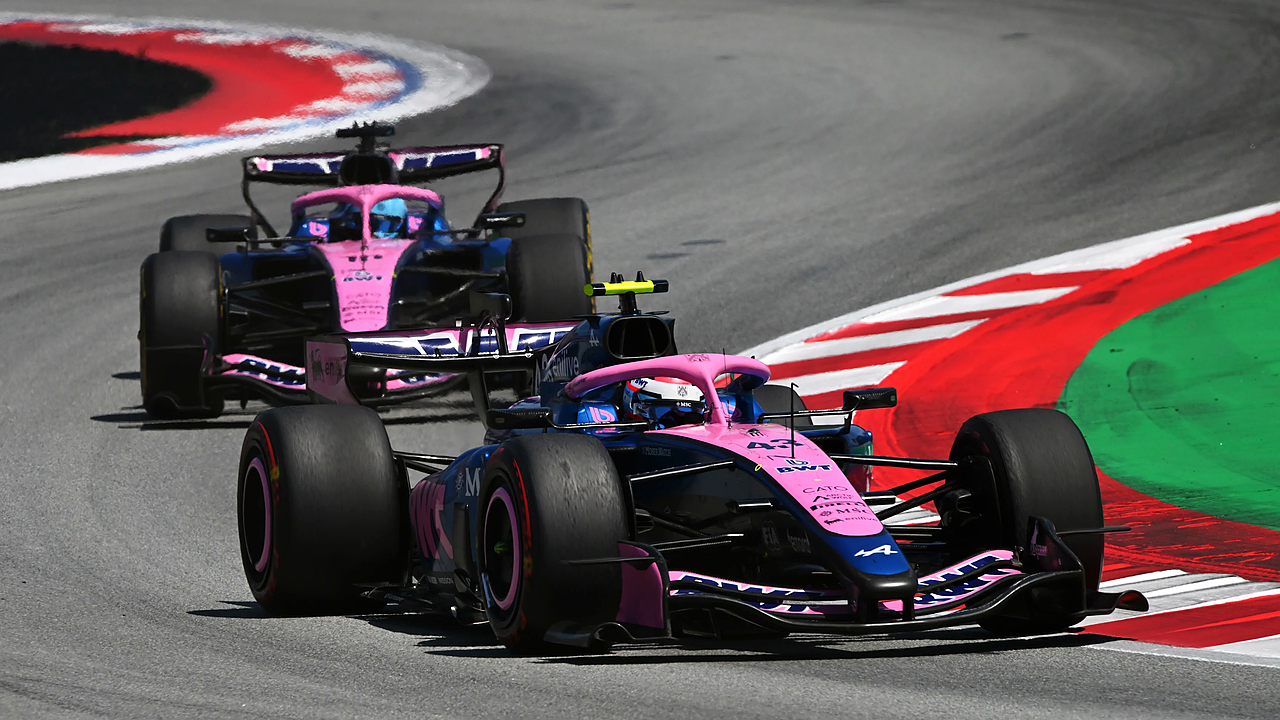
The value of the weekend is not only the finishing position. Gasly’s reaction points to a moment where Alpine can turn one clean result into a practical short-term target.
The first detail to hold is Gasly described the timing of Alpine’s Barcelona points haul in optimistic terms. That makes the result a confidence marker rather than only a statistical gain.
The timing matters because Alpine needed a clean result to steady a difficult competitive stretch. A team under pressure often needs one weekend where the plan actually closes.
The competitive reading starts with Barcelona points carry value because the midfield remains tightly compressed. Every point can change the way a garage reads its development direction.
Alpine’s narrow window
The pressure point is Gasly can use the result as evidence that the team still has a route into the top ten. That matters for a driver who has often had to defend Alpine’s potential publicly.
The next layer is the next task is protecting qualifying execution so the race is not spent recovering. Starting position remains the easiest way to turn a decent car into a points chance.
The practical consequence is Alpine must judge whether the Barcelona result came from track fit, setup progress or cleaner operations. The correct diagnosis will decide whether the same performance can travel.
How Gasly can build from it
The cleanest benchmark is a second points finish would change the tone around the team more than another promise. Momentum becomes real only when it survives the next circuit.
The follow-up question is the midfield rivals will punish Alpine if the next weekend starts slowly. The Barcelona lift has to become preparation, not relief.
Key details
| Area | Detail |
|---|---|
| Confirmed point | Gasly left Barcelona encouraged by Alpine’s points haul |
| Team need | a clean result after a difficult run |
| Main risk | mistaking a track-specific lift for a full competitive reset |
| Next check | qualifying and race execution at the next midfield-heavy weekend |
What the team must protect
Gasly’s comments are important because they describe a team trying to catch timing as much as speed. Alpine cannot waste weekends where the car is inside the fight.
The result gives engineers and strategists a shared reference. That can change debriefs because the team now has a successful weekend to compare against.
Still, one points haul does not solve the season. Alpine has to know which part of Barcelona is repeatable.
The next midfield fight
If the gain came from cleaner operations, the team can protect it immediately. If it came from circuit fit, the next race may demand a different answer.
Gasly is the right driver to carry that pressure because he has made a habit of extracting results from tight midfield windows.
Alpine’s target is therefore simple: make the next race look like a continuation rather than a return to damage control.
Next layer: Gasly described the timing of Alpine’s Barcelona points haul in
Gasly’s Barcelona Points Give Alpine a Short-Term Window to Protect turns on a concrete detail: Gasly described the timing of Alpine’s Barcelona points haul in optimistic terms. That makes the result a confidence marker rather than only a statistical gain. That gives the next phase a specific point to measure.
The second layer is rhythm. Once Alpine needed a clean result to steady a difficult competitive stretch, the pressure moves from the headline into preparation, timing and decision-making. A team under pressure often needs one weekend where the plan actually closes.
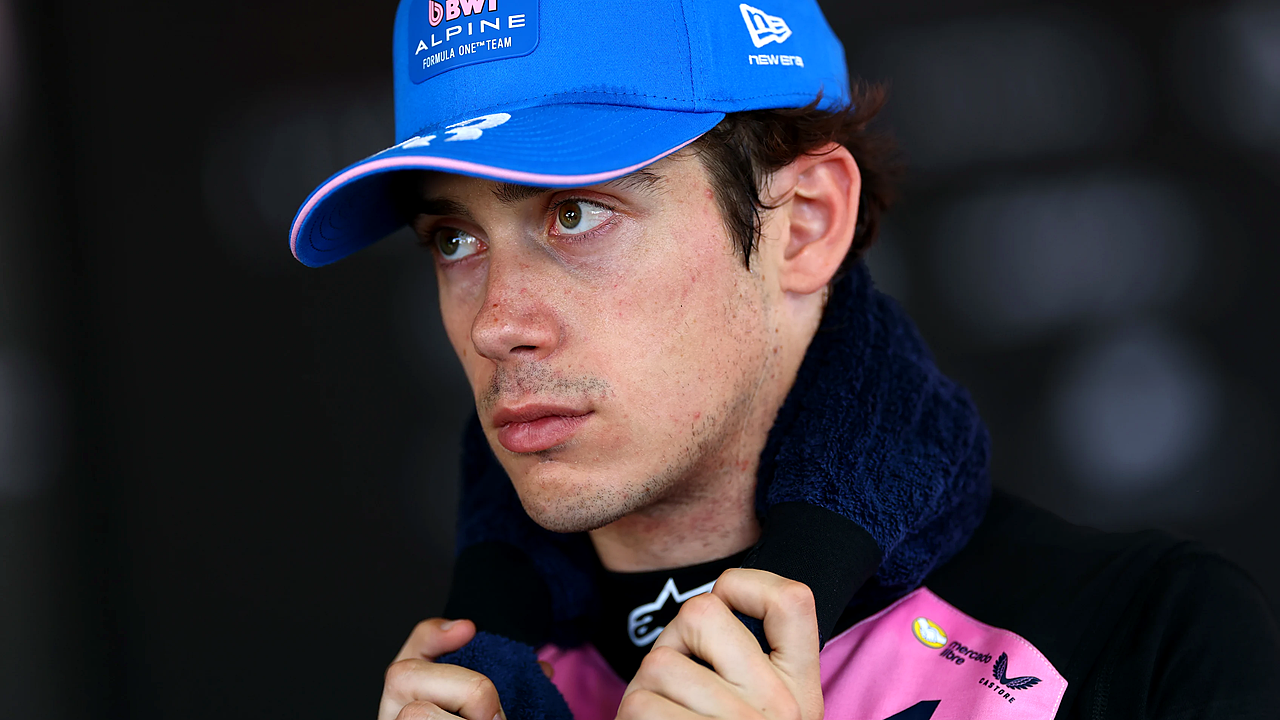
The key is not the announcement itself but the follow-up attached to it. Barcelona points carry value because the midfield remains tightly compressed. Every point can change the way a garage reads its development direction.
The competitive frame becomes clearer through one practical detail: Gasly can use the result as evidence that the team still has a route into the top ten. If that part does not travel, the first signal loses value quickly.
Next layer: the next task is protecting qualifying execution so the race is
The most direct conclusion is tied to response. the next task is protecting qualifying execution so the race is not spent recovering. Starting position remains the easiest way to turn a decent car into a points chance. That is why the next checkpoint has to be read through behaviour, not mood.
The stakes are clear because the central point can be checked later: Alpine must judge whether the Barcelona result came from track fit, setup progress or cleaner operations. The correct diagnosis will decide whether the same performance can travel. Readers get a concrete marker rather than a loose impression.
The next step cannot be only about preserving the result or the statement. It has to preserve the mechanism behind it, especially because a second points finish would change the tone around the team more than another promise.
The wider sporting meaning comes from the fact that the midfield rivals will punish Alpine if the next weekend starts slowly. That detail links the current update with the next decisions, minutes or matches.
Next layer: Gasly described the timing of Alpine’s Barcelona points haul in
If the situation develops well, the first sign will appear through Gasly described the timing of Alpine’s Barcelona points haul in optimistic terms. If it does not, the same detail becomes the place where the weakness is measured.
Gasly’s Barcelona Points Give Alpine a Short-Term Window to Protect therefore remains an active thread. Alpine needed a clean result to steady a difficult competitive stretch. A team under pressure often needs one weekend where the plan actually closes. The next days will show whether the first signal was strong enough to hold.
Gasly’s Barcelona Points Give Alpine a Short-Term Window to Protect turns on a concrete detail: Barcelona points carry value because the midfield remains tightly compressed. Every point can change the way a garage reads its development direction. That gives the next phase a specific point to measure.
The second layer is rhythm. Once Gasly can use the result as evidence that the team still has a route into the top ten, the pressure moves from the headline into preparation, timing and decision-making. That matters for a driver who has often had to defend Alpine’s potential publicly.
Next layer: the next task is protecting qualifying execution so the race is
The key is not the announcement itself but the follow-up attached to it. the next task is protecting qualifying execution so the race is not spent recovering. Starting position remains the easiest way to turn a decent car into a points chance.
The competitive frame becomes clearer through one practical detail: Alpine must judge whether the Barcelona result came from track fit, setup progress or cleaner operations. If that part does not travel, the first signal loses value quickly.
After Gasly’s Barcelona Points Give Alpine a Short-Term Window to Protect, related context continues with Perez Says Barcelona Exposed the Cadillac Gaps That Still Need a Development Answer and Komatsu Puts Haas’ Barcelona Pain on Execution Rather Than Pure Pace.
Barcelona gave Alpine a result it can use. The next weekend decides whether it becomes a platform or a short pause in a harder season.
No Comments