
The Belgian GP timetable keeps Formula 1 on a traditional three-practice route at Spa-Francorchamps.
Qualifying lands on Saturday, and the 44-lap race follows on Sunday afternoon. On paper, that sounds normal. At Spa-Francorchamps, normal still needs care.
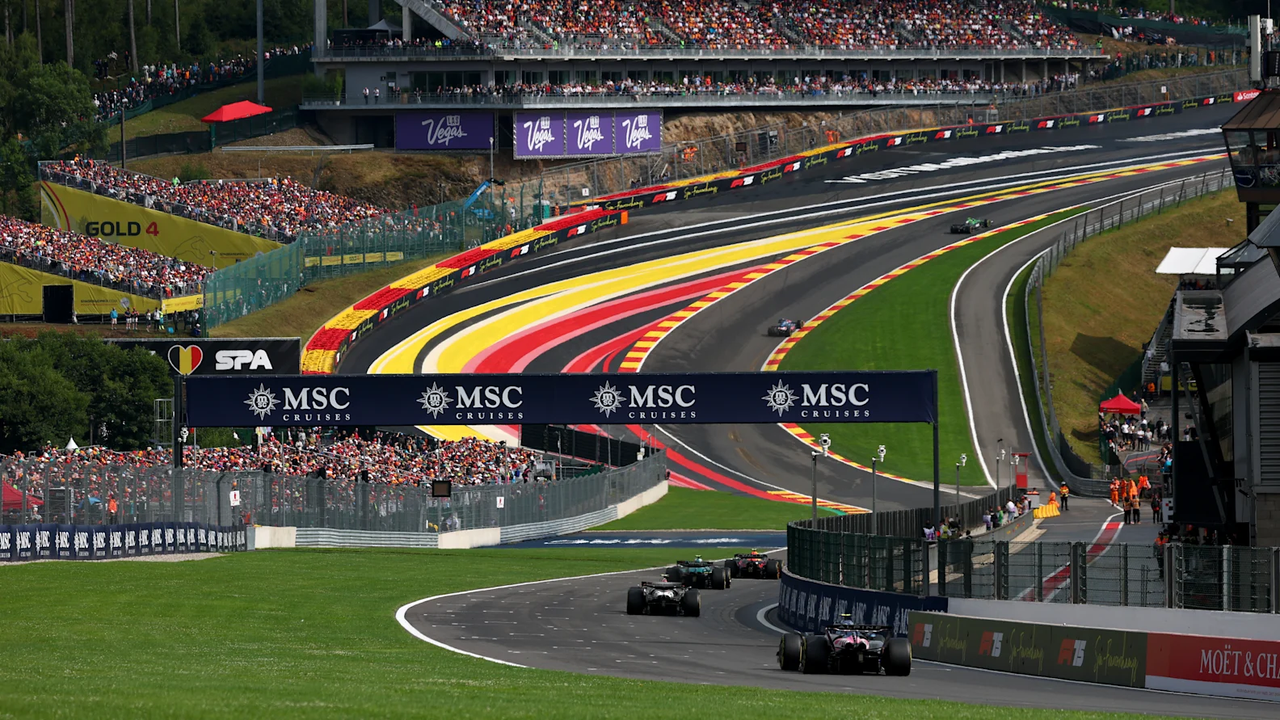
The schedule matters because teams get enough running to build a plan, but not enough room to waste a session. Friday has to answer the first tire and balance questions, Saturday has to protect the grid slot, and Sunday has to keep the car alive over a long lap.
Friday sets the working range
The published schedule puts FP1 and FP2 on Friday, which gives teams two chances to test balance before parc ferme pressure arrives. The first session should be about range; the second should be about confidence.
If teams spend too long chasing a headline time, they risk missing the boring information that matters later. Spa-Francorchamps rewards those who know which compromises they are actually choosing.
Saturday closes the window quickly
FP3 and qualifying sit on the same day, so a wrong morning read can follow a team straight into the grid fight. The car has to be fast enough for one lap without becoming too sharp for the race.
That is a narrow line at Spa-Francorchamps because the lap contains very different demands. A team can look comfortable through one sector and still give away the next one if the wing level is wrong.
The 44-lap race still feels long
Spa-Francorchamps’s race distance is only 44 laps, but each lap carries heavy load. Drivers spend long periods at high speed and then ask the car to rotate through places where a small slide costs more than the stopwatch first admits.
The weather reading belongs beside Belgian GP weather turns Spa-Francorchamps into a live setup exam, so the timetable is not separated from the setup risk that can change it.
The pit wall will need to judge whether clean air is worth more than a tire-life saving plan. A late safety car or a damp patch can change that calculation quickly.
| Signal | Meaning |
|---|---|
| Friday | FP1 and FP2 build the first setup and tire picture. |
| Saturday | FP3 confirms direction before qualifying. |
| Sunday | The Belgian GP is scheduled for 44 laps at Spa-Francorchamps. |
| Key pressure | Teams must keep one-lap speed and race stability together. |
Support timing affects the track
A full event schedule means the surface will not be static. Rubber levels, weather and track temperature can move the grip picture between Formula 1 sessions.
That is why teams cannot treat Friday as a closed answer sheet. The better approach is to understand the direction of the circuit and keep enough margin for Saturday’s final condition.
The map explains the compromise
The Spa-Francorchamps layout itself explains why the timetable matters. Long straights, elevation, fast corners and heavier braking zones make the car carry more than one personality across a single lap.
Teams that arrive with a rigid plan will have fewer answers if the first run feels wrong. Teams that use the full timetable properly can turn the same layout into a controlled checklist.
Race control begins with simple choices
A clean Belgian GP is often built from simple choices made early: stable ride height, clear wing level, good tire warm-up and a driver who knows where the car can be trusted.
The official timetable gives teams the room to find that. It will not give them the discipline. That part has to come from the garage before Sunday asks harder questions.
How the schedule should shape the weekend
The timetable gives teams enough structure to avoid panic, but it does not give them extra space for wasted runs. Friday has to be split between learning and confirmation. If FP1 becomes messy, FP2 cannot simply become a show run for the timing screen.
Saturday is tighter because the morning session and qualifying sit close enough to punish slow decisions. A wing change, a ride-height adjustment or a tire warm-up correction has to be understood quickly. Spa-Francorchamps does not offer many gentle places to hide a wrong call.
Sunday then tests whether the work was honest. A 44-lap race can expose a car that looked neat in clean air but loses stability behind another driver. The lap is long enough for small balance problems to keep returning.
The clean route is therefore simple but demanding: learn the car on Friday, protect the grid on Saturday and keep enough tire and weather flexibility for Sunday. Any team that skips one of those steps may make the race harder before it starts.
How the three days can be used
Friday should separate the first setup check from the first race check. FP1 can give teams a baseline on wing level and braking balance, while FP2 should show whether the car keeps the tires alive over a longer run. That split matters because Spa-Francorchamps can punish a team that mixes both jobs too late.
Saturday morning then becomes the last chance to remove uncertainty before qualifying. Teams will want one run that confirms the final ride height and another that checks tire warm-up for the first sector. If a car needs a late mechanical change, the gap to qualifying can disappear quickly.
The 44-lap race distance looks short by lap count, but each lap is long and physically loaded. Drivers spend a large part of the lap at high speed, then ask the car to rotate in places where a small slide can damage the stint. Strategy teams will watch tire drop-off rather than only the stop count.
The best timetable use is disciplined. Teams need enough data for a dry race, enough caution for mixed weather and enough tire life for a late safety-car choice. A clean weekend will likely come from garages that avoid unnecessary experiments after the first answers are already clear.
The support schedule can change the track before each Formula 1 session. Rubber on the racing line may improve grip, but cooler air or a shower can reset the surface quickly. Teams that keep notes on track evolution will have better answers when the final setup choice arrives.
Pit crews also get a demanding weekend because the race can switch from a normal tire plan to a weather-led call. A clean stop matters, but the bigger job is timing the stop before rivals gain track position. The timetable gives practice time; the race will test how well that time was used.
The final practice run should also confirm brake temperatures. Spa-Francorchamps gives long cooling sections and heavy braking zones, so teams need the system ready for both clean air and traffic. A small brake issue can change stint management even when the tire plan is correct.

No Comments