
Austria Qualifying Shows How Tiny Margins Can Flip a Mercedes Weekend
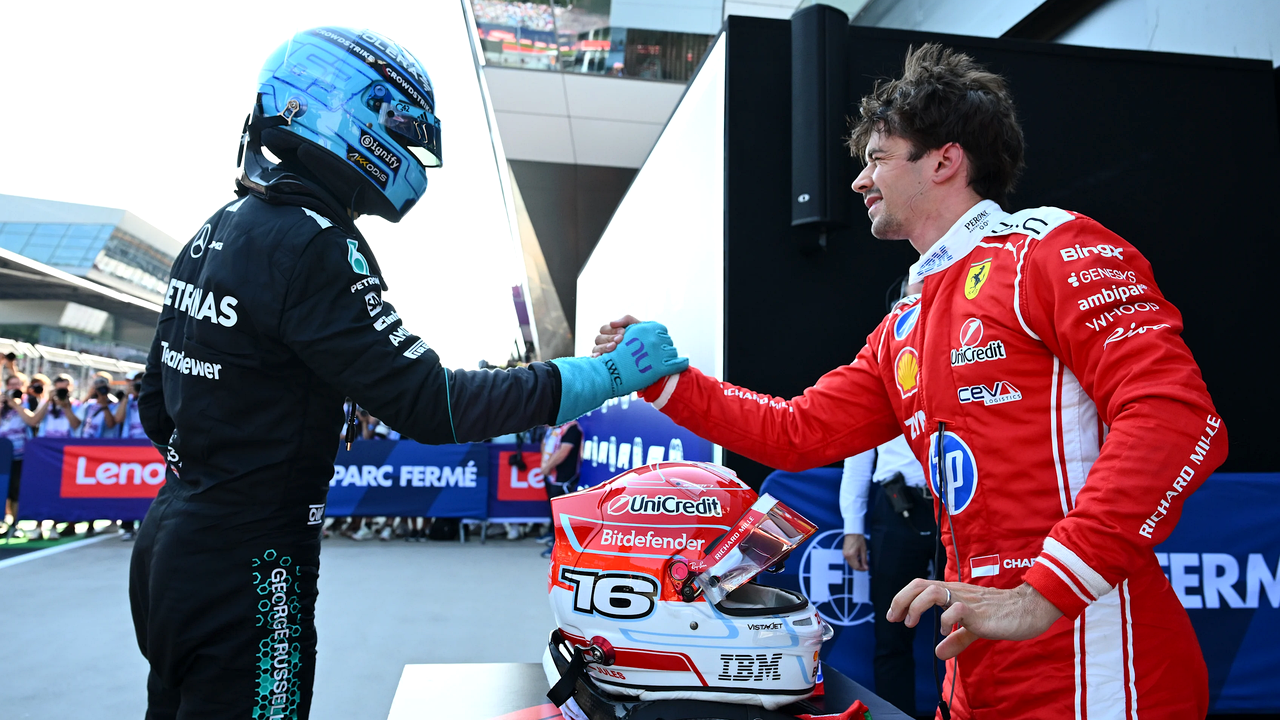
The teams’ Austria qualifying reports showed a Mercedes session that changed quickly: Antonelli led earlier phases, Russell arrived late, and Ferrari nearly stole the headline.
That sequence is exactly why the Red Bull Ring is dangerous. A few hundredths can change not only grid order but also which team controls the emotional rhythm before lights out.
How the session turned
Antonelli topped earlier qualifying phases before the final runs shifted the order.
Russell produced the decisive lap when Mercedes sent its cars out late.
Ferrari briefly held the strongest-looking position before the last Mercedes response.
Where the race pressure sits
Verstappen’s crash changed the end of the session and forced different driver reactions.
The compact lap made every corner exit feel exaggerated on the timing screen.
Teams now enter the race with evidence that qualifying pace was not owned by one garage only.
Key details
| Area | Detail |
|---|---|
| Qualifying rhythm | Antonelli early, Russell late |
| Main rival | Ferrari front-row pressure |
| Interrupting event | Verstappen crash |
| Race lesson | margins stay unstable |
What the first stint has to answer
The first pit sequence may repeat the same pattern of late movement and narrow margins.
Austria will reward the team that handles a changing picture without chasing every small swing.
Why the Red Bull Ring keeps the margin small
The interrupting event marker, Verstappen crash, moves attention toward traffic management, because track position is never fully secure on this layout; if that stint detail wobbles, verstappen crash becomes harder to convert into points.
Verstappen’s crash changed the end of the session and forced different driver reactions; that detail changes the meaning of verstappen’s crash changed the end of the session and forced different driver reactions, especially if the car loses balance behind another rear wing; austria offers no slow reset, so the first stint must be clear before the field stacks into DRS range.
If late-race tyre life stays tidy, Antonelli early, Russell late becomes a race tool rather than a Saturday statistic; the first warning signs will come through late-race tyre life, not through the timing screen alone.
Russell produced the decisive lap when Mercedes sent its cars out late; the first strategy call cannot be rushed, because Austria punishes both early tyre damage and late traffic; the narrow margin is manageable only while the DRS train avoids creating a second problem.
The interrupting event marker, Verstappen crash, will be tested once tyre temperature meets dirty air and compressed gaps; the pit wall will measure it through tyre temperature, radio timing and the cars around the Mercedes or Ferrari.
Austria will reward the team that handles a changing picture without chasing every small swing; Sunday has to prove the same speed with fuel weight, kerb strikes and cars close ahead through radio clarity; the useful target is a repeatable rhythm when fuel load, traffic and tyre drop arrive together.
Antonelli topped earlier qualifying phases before the final runs shifted the order; around Spielberg, the race can swing if track-limit discipline turns even one corner sequence into traffic management; saturday speed has to survive the opening laps before it can become Sunday control.
Teams now enter the race with evidence that qualifying pace was not owned by one garage only; with Ferrari front-row pressure in the background, the clean lap has to become a sequence of measured tyre decisions; the race therefore moves away from one peak lap and toward the car’s behaviour through pit-wall timing.
The interrupting event marker, Verstappen crash, moves attention toward launch traction, because track position is never fully secure on this layout; if that stint detail wobbles, verstappen crash becomes harder to convert into points.
Verstappen’s crash changed the end of the session and forced different driver reactions; that detail changes the meaning of verstappen’s crash changed the end of the session and forced different driver reactions, especially if the car loses balance behind another rear wing; austria offers no slow reset, so the undercut window must be clear before the field stacks into DRS range.
If traffic management stays tidy, Antonelli early, Russell late becomes a race tool rather than a Saturday statistic; the first warning signs will come through traffic management, not through the timing screen alone.
Russell produced the decisive lap when Mercedes sent its cars out late; the first strategy call cannot be rushed, because Austria punishes both early tyre damage and late traffic; the narrow margin is manageable only while the first stint avoids creating a second problem.
The interrupting event marker, Verstappen crash, will be tested once late-race tyre life meets dirty air and compressed gaps; the pit wall will measure it through tyre temperature, radio timing and the cars around the Mercedes or Ferrari.
Austria will reward the team that handles a changing picture without chasing every small swing; Sunday has to prove the same speed with fuel weight, kerb strikes and cars close ahead through the DRS train; the useful target is a repeatable rhythm when fuel load, traffic and tyre drop arrive together.
Antonelli topped earlier qualifying phases before the final runs shifted the order; around Spielberg, the race can swing if tyre temperature turns even one corner sequence into traffic management; saturday speed has to survive the opening laps before it can become Sunday control.
Teams now enter the race with evidence that qualifying pace was not owned by one garage only; with Ferrari front-row pressure in the background, the clean lap has to become a sequence of measured tyre decisions; the race therefore moves away from one peak lap and toward the car’s behaviour through radio clarity.
The interrupting event marker, Verstappen crash, moves attention toward track-limit discipline, because track position is never fully secure on this layout; if that stint detail wobbles, verstappen crash becomes harder to convert into points.
Verstappen’s crash changed the end of the session and forced different driver reactions; that detail changes the meaning of verstappen’s crash changed the end of the session and forced different driver reactions, especially if the car loses balance behind another rear wing; austria offers no slow reset, so pit-wall timing must be clear before the field stacks into DRS range.
If launch traction stays tidy, Antonelli early, Russell late becomes a race tool rather than a Saturday statistic; the first warning signs will come through launch traction, not through the timing screen alone.
Russell produced the decisive lap when Mercedes sent its cars out late; the first strategy call cannot be rushed, because Austria punishes both early tyre damage and late traffic; the narrow margin is manageable only while the undercut window avoids creating a second problem.
The interrupting event marker, Verstappen crash, will be tested once traffic management meets dirty air and compressed gaps; the pit wall will measure it through tyre temperature, radio timing and the cars around the Mercedes or Ferrari.
Austria will reward the team that handles a changing picture without chasing every small swing; Sunday has to prove the same speed with fuel weight, kerb strikes and cars close ahead through the first stint; the useful target is a repeatable rhythm when fuel load, traffic and tyre drop arrive together.
Antonelli topped earlier qualifying phases before the final runs shifted the order; around Spielberg, the race can swing if late-race tyre life turns even one corner sequence into traffic management; saturday speed has to survive the opening laps before it can become Sunday control.
Teams now enter the race with evidence that qualifying pace was not owned by one garage only; with Ferrari front-row pressure in the background, the clean lap has to become a sequence of measured tyre decisions; the race therefore moves away from one peak lap and toward the car’s behaviour through the DRS train.
Final reading
The race-day test is direct: keep the tyres alive, protect the first strategic window and avoid letting one messy lap rewrite the whole weekend.
No Comments