
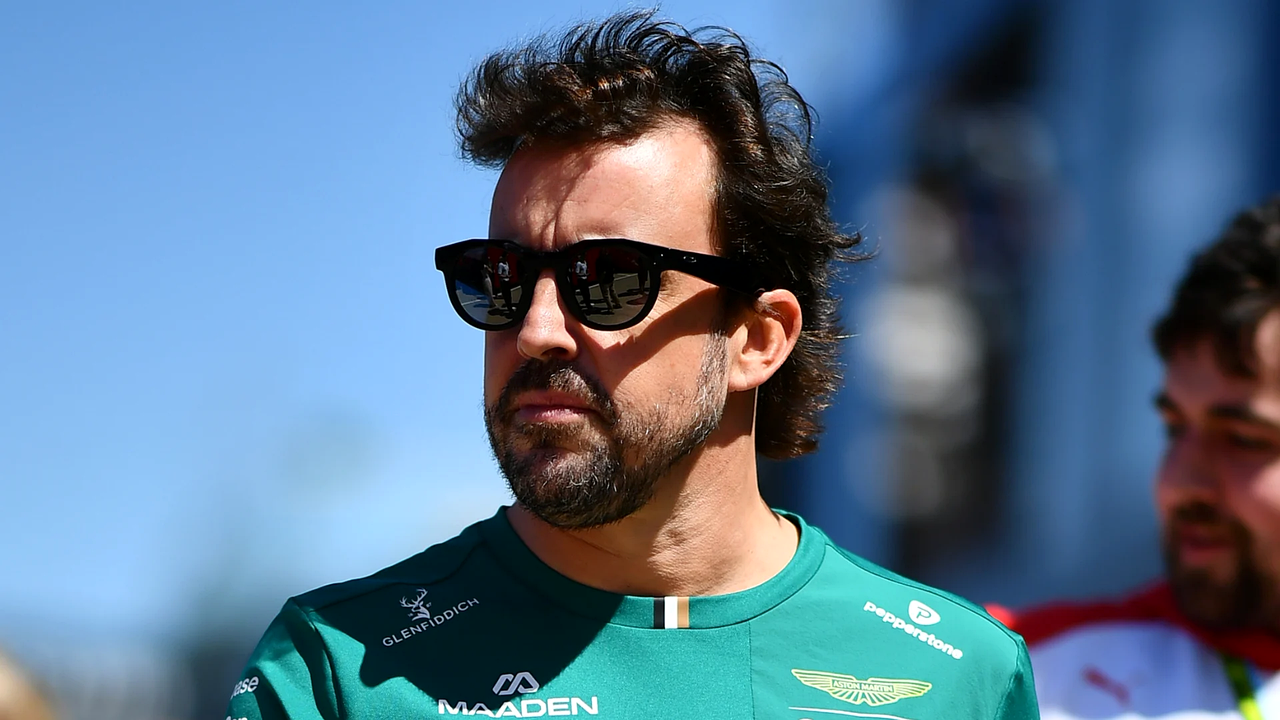
Fernando Alonso insisted Aston Martin’s planned Hungary upgrade will not decide his future by itself, turning Silverstone talk back toward the wider health of the team’s 2026 project.
A future question that is bigger than one upgrade
Alonso’s answer was careful because it needed to be. A single upgrade can improve a car, but it cannot answer every question a driver has about a team’s competitive direction. Aston Martin want the Hungary package to become a turning point. Alonso’s point was that turning points are rarely built from one floor, one wing or one weekend.
That matters because the team’s 2026 story has already become more structural than unlucky. Late development, limited winter learning and operational habits have all been part of the discussion. Alonso is not asking whether one new package can find a few tenths. He is asking whether the whole operation can move quickly enough to make the next contract conversation feel rational.
Silverstone is another process check
The British Grand Prix will not wait for Hungary, and Aston Martin cannot treat Silverstone as dead time. Every session still offers evidence: how quickly the car enters the chance, whether the drivers can repeat balance comments and whether the team avoid the slow Friday loops that have made earlier weekends look underprepared.
Aston Martin do not need a miracle result to help Alonso believe. They need signs of order. A clean Sprint weekend, a car that does not need constant compromise and a race where strategy is proactive rather than protective would make the Hungary upgrade feel like the next step instead of the only hope.
| Key point | Reading |
|---|---|
| Driver focus | Fernando Alonso, still demanding a broader proof of Aston Martin’s direction. |
| Upgrade point | The Hungary package matters, but Alonso said more issues remain on the table. |
| Team context | Aston Martin’s season has been shaped by late development, weak testing and uneven delivery. |
| Silverstone angle | The British GP gives the team another chance to show whether progress is structural. |
Alonso’s pressure is useful if the team accepts it
Alonso can be a difficult driver for a team that wants public calm, but his pressure has value. He usually knows the difference between a weak result and a weak process. When he says more things are on the table, he is not just talking about performance. He is talking about the machinery of improvement around the performance.
That is why Aston Martin should not reduce the message to contract drama. The driver is giving them a standard. If the team meet it, the future becomes easier to sell. If they do not, no upgrade label will hide the fact that Alonso is measuring the project more widely.
Aston Martin need evidence that travels
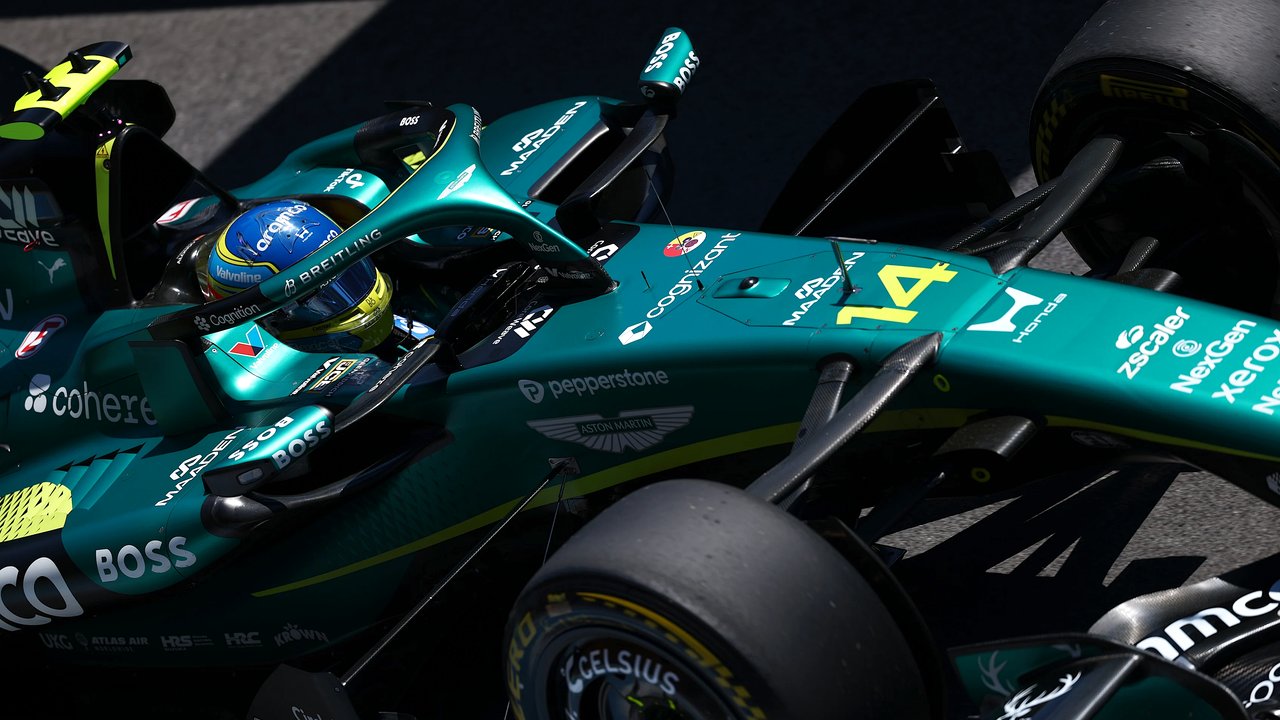
The strongest sign would be progress that survives not just one circuit. A useful Hungary package cannot be a one-track trick, and a decent Silverstone weekend cannot be dismissed as a weather or format accident. Aston Martin need patterns: cleaner correlation, better ride quality, steadier tyre use and fewer weekends where the car looks confused by the first set-up decision.
Alonso has not closed the door. He has simply made clear that the door is not controlled by one part number. The next few races must show that Aston Martin are becoming a sharper team, not just a hopeful one.
The contract question is really a competitiveness question
Alonso’s future will always attract headline framing, but the practical issue is competitiveness. A driver at his stage does not need vague ambition. He needs evidence that the team can identify problems, build answers and get them onto the car before rivals have moved again. That is why the Hungary upgrade cannot carry the whole conversation.
Aston Martin can help themselves by making the next races look more joined up. If Silverstone, Spa and Hungary all produce different explanations for the same lack of pace, Alonso will read that as a system problem. If the team can show a logical sequence of fixes, even modest gains become more believable.
The upgrade therefore has to sit inside a wider proof of direction. Alonso is asking for a team that learns quickly. The car part matters, but the learning speed around the part may matter more.
Silverstone can show whether the team has shortened its loop
The easiest way for Aston Martin to reassure Alonso is not a dramatic lap time spike. It is a shorter loop between problem and answer. If the first run shows instability, the next run should not look as though the team are still naming the issue. A mature operation identifies the limitation, chooses a direction and gives the driver evidence that the garage has understood him.
That kind of progress is visible even from outside. Fewer repeated complaints, cleaner run plans and a race where strategy does not feel like damage control would make the Hungary upgrade part of a sequence. Alonso’s future question then becomes less about faith and more about observable improvement.
Related context: British GP storylines and Hamilton’s reality check.
No Comments