
Vowles Says Williams’ Next Upgrade Has to Change More Than One Weekend
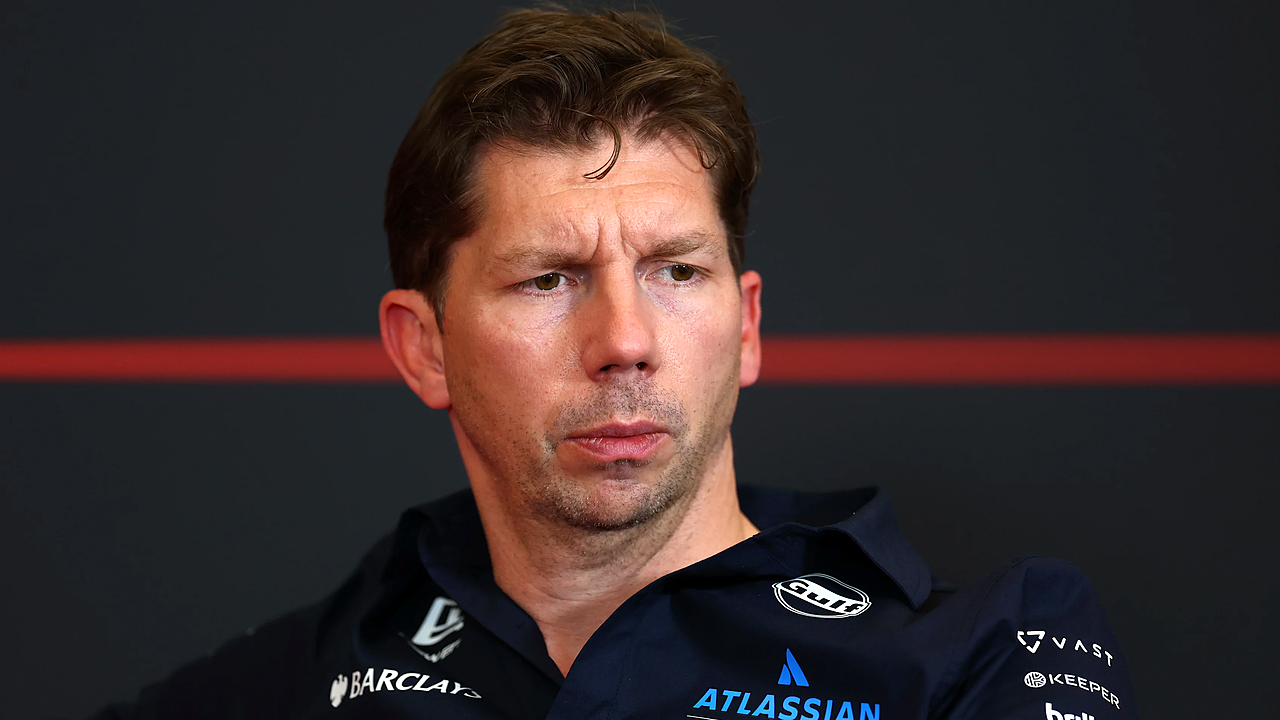
James Vowles’ update plan gives Williams a wider Austrian-weekend story: the team is not trying to explain one Friday, it is trying to change the second half of its season.
The message matters because Williams have already had moments of pace, but the next development step has to make the car easier to repeat across different circuits.
What changed
Vowles said Williams are preparing a major change for the rest of the 2026 season.
The update plan follows a period in which rival teams have continued to bring visible development.
Williams need more than straight-line strength if they want to stay in the midfield fight.
Austria offers a useful reference because braking, kerb use and traction expose balance weaknesses quickly.
Where the pressure sits
The team has to protect its current strengths while making the car less circuit-dependent.
A large upgrade can create opportunity, but it can also create correlation risk if track behaviour does not match simulation.
Alex Albon and Carlos Sainz need a package that broadens the operating window rather than chasing one peak lap.
The midfield is tightly packed enough for a small improvement to change qualifying rows.
Key details
| Area | Detail |
|---|---|
| Team | Williams |
| Key voice | James Vowles |
| Development point | major upgrade plan |
| Main proof | wider operating window |
What comes next
Vowles’ timing suggests the factory is planning beyond one reactive race weekend.
Williams’ race execution has improved, but a stronger car would reduce the need for defensive strategy.
The upgrade also has to support tyre life on circuits where traffic makes clean air scarce.
The next proof will come when both drivers can find the same balance direction during practice.
The wider competitive meaning
The paddock read stays concrete: Vowles said Williams are preparing a major change for the rest of the 2026 season. That layer is reinforced by one fact: A large upgrade can create opportunity, but it can also create correlation risk if track behaviour does not match simulation. A second point matters for Williams: Williams’ race execution has improved, but a stronger car would reduce the need for defensive strategy. That keeps the next phase tied to evidence rather than noise for Williams; A large upgrade can create opportunity, but it can also create correlation risk if track behaviour does not match simulation.
On a short Red Bull Ring lap, the practical issue is clear: The update plan follows a period in which rival teams have continued to bring visible development. The same issue becomes clearer through another detail: Alex Albon and Carlos Sainz need a package that broadens the operating window rather than chasing one peak lap. A second point matters for James Vowles: The upgrade also has to support tyre life on circuits where traffic makes clean air scarce. That is the difference between a useful signal and a loose reading of momentum for James Vowles; Alex Albon and Carlos Sainz need a package that broadens the operating window rather than chasing one peak lap.
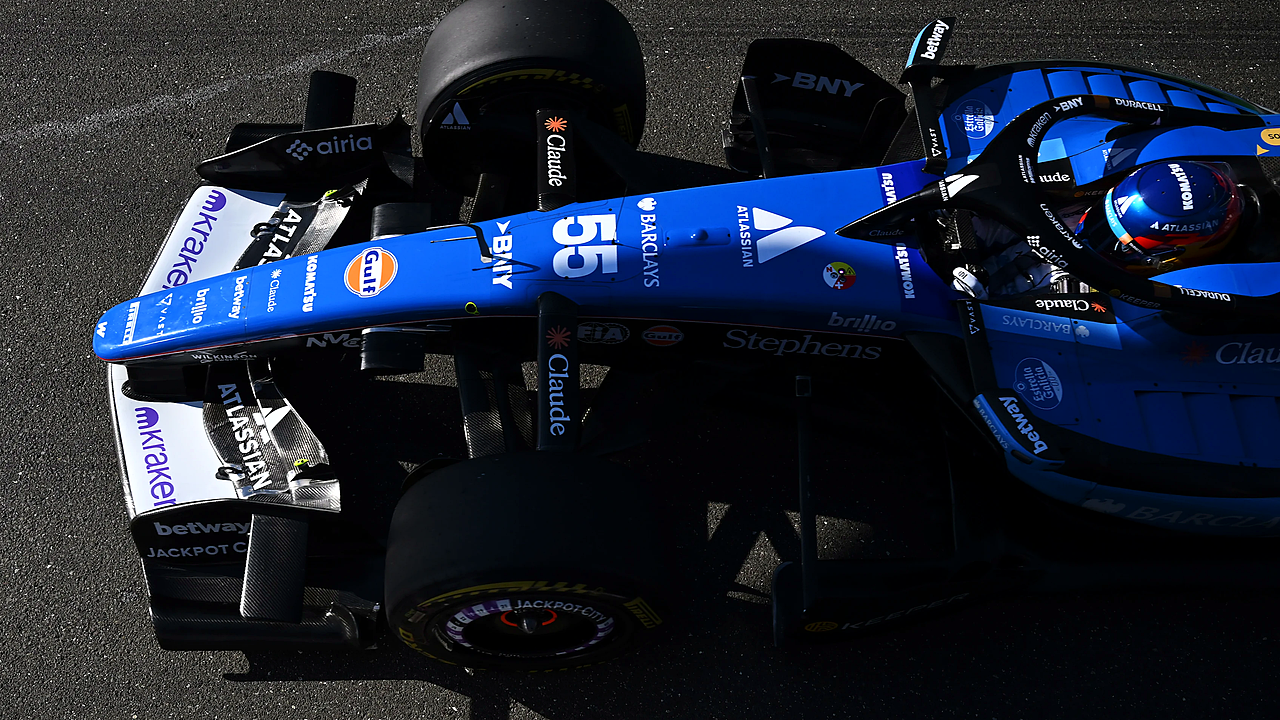
The timing screen matters because: Williams need more than straight-line strength if they want to stay in the midfield fight. The pressure is visible in a simple passage: The midfield is tightly packed enough for a small improvement to change qualifying rows. A second point matters for major upgrade plan: The next proof will come when both drivers can find the same balance direction during practice. That gives the coming phase a practical measure instead of a vague feeling for major upgrade plan; The midfield is tightly packed enough for a small improvement to change qualifying rows.
The setup question has a direct consequence: Austria offers a useful reference because braking, kerb use and traction expose balance weaknesses quickly. The practical value grows around this evidence: Vowles’ timing suggests the factory is planning beyond one reactive race weekend. A second point matters for wider operating window: A convincing step would make Williams’ points chances less dependent on chaos ahead. That is the part opponents can prepare for and coaches can correct for wider operating window; Vowles’ timing suggests the factory is planning beyond one reactive race weekend.
Final reading
The competitive value sits in the detail: The team has to protect its current strengths while making the car less circuit-dependent. The most important comparison comes from one line: Williams’ race execution has improved, but a stronger car would reduce the need for defensive strategy. A second point matters for Williams: The real test is whether the update gives the team repeatable speed rather than a single promising headline. That makes the next review depend on repeatable detail rather than reputation for Williams; Williams’ race execution has improved, but a stronger car would reduce the need for defensive strategy.
The next run plan has to answer one thing: A large upgrade can create opportunity, but it can also create correlation risk if track behaviour does not match simulation. The warning sign is easy to isolate: The upgrade also has to support tyre life on circuits where traffic makes clean air scarce. A second point matters for James Vowles: Vowles said Williams are preparing a major change for the rest of the 2026 season. That is why the focus should stay on the event itself, not only on the headline for James Vowles; The upgrade also has to support tyre life on circuits where traffic makes clean air scarce.
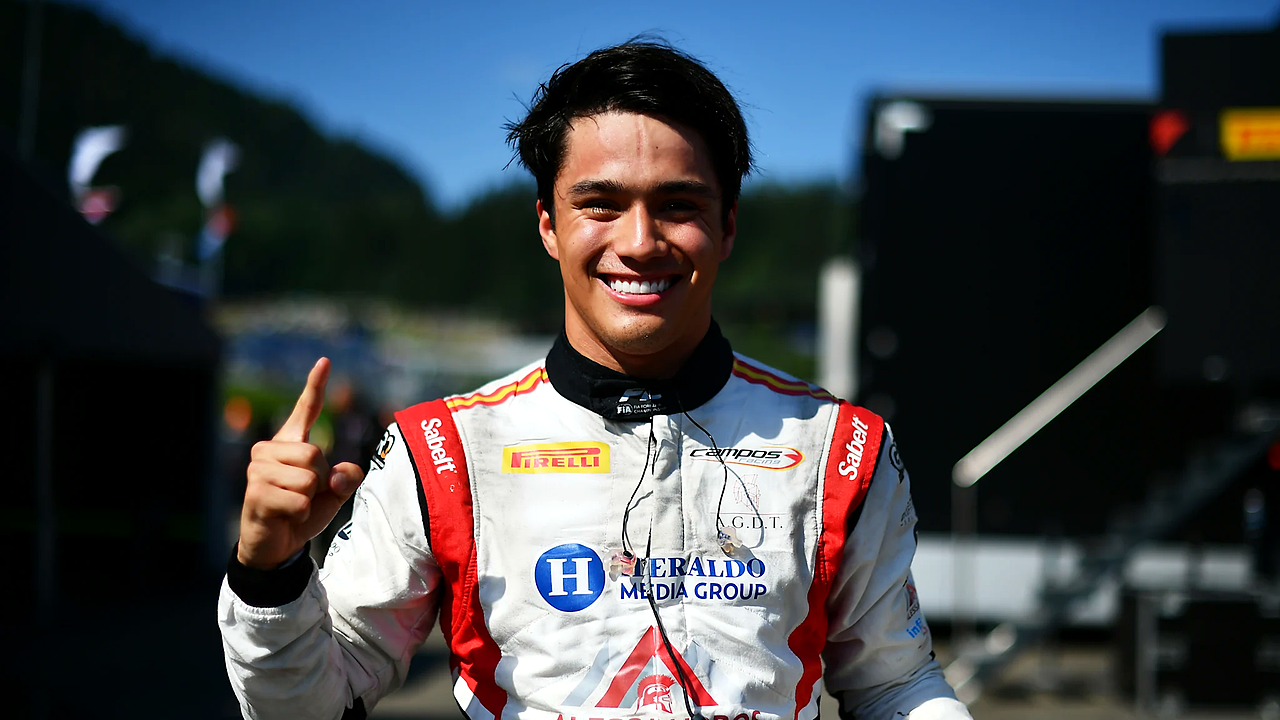
The paddock read stays concrete: Alex Albon and Carlos Sainz need a package that broadens the operating window rather than chasing one peak lap. The stronger version of the plan requires proof in this area: The next proof will come when both drivers can find the same balance direction during practice. A second point matters for major upgrade plan: The update plan follows a period in which rival teams have continued to bring visible development. That gives the staff a cleaner way to judge progress under pressure for major upgrade plan; The next proof will come when both drivers can find the same balance direction during practice.
On a short Red Bull Ring lap, the practical issue is clear: The midfield is tightly packed enough for a small improvement to change qualifying rows. The late phase will be shaped by this condition: A convincing step would make Williams’ points chances less dependent on chaos ahead. A second point matters for wider operating window: Williams need more than straight-line strength if they want to stay in the midfield fight. That keeps the wider table connected to what happened in the decisive moments for wider operating window; A convincing step would make Williams’ points chances less dependent on chaos ahead.
The timing screen matters because: Vowles’ timing suggests the factory is planning beyond one reactive race weekend. The clearest test sits in the next detail: The real test is whether the update gives the team repeatable speed rather than a single promising headline. A second point matters for Williams: Austria offers a useful reference because braking, kerb use and traction expose balance weaknesses quickly. That keeps the next phase tied to evidence rather than noise for Williams; The real test is whether the update gives the team repeatable speed rather than a single promising headline.
The setup question has a direct consequence: Williams’ race execution has improved, but a stronger car would reduce the need for defensive strategy. The best answer would build on this point: Vowles said Williams are preparing a major change for the rest of the 2026 season. A second point matters for James Vowles: The team has to protect its current strengths while making the car less circuit-dependent. That is the difference between a useful signal and a loose reading of momentum for James Vowles; Vowles said Williams are preparing a major change for the rest of the 2026 season.
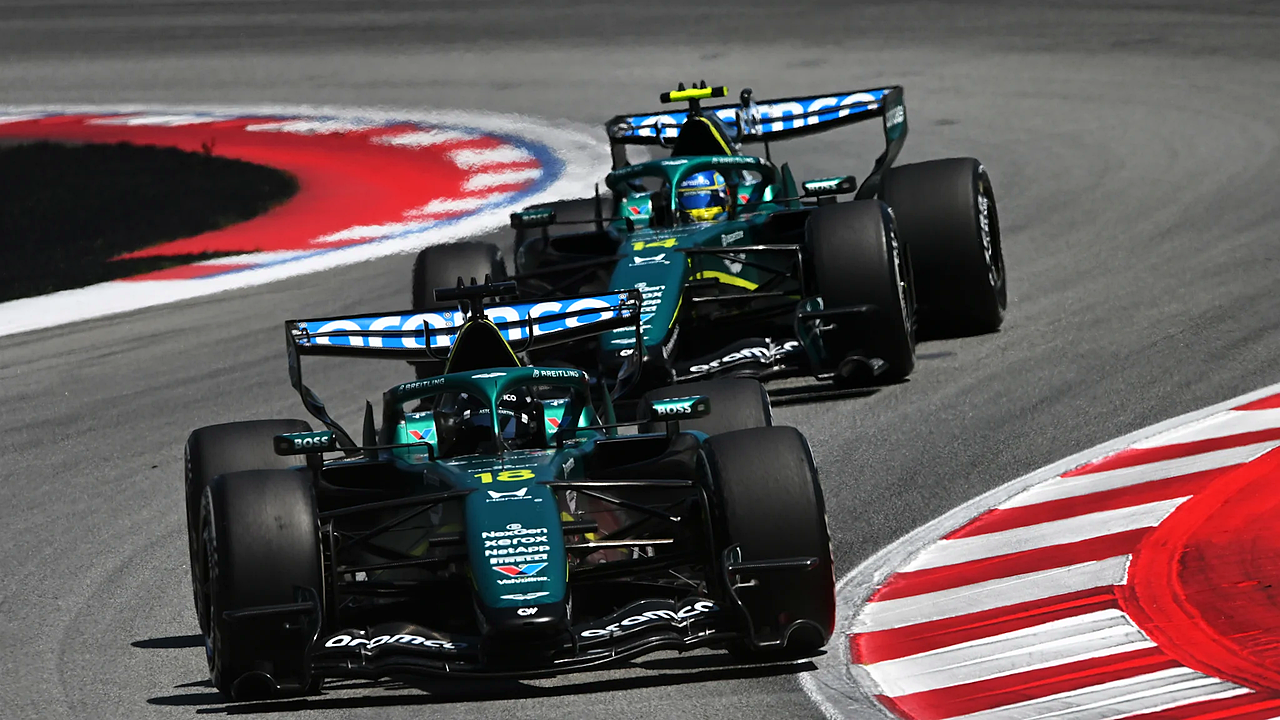
The competitive value sits in the detail: The upgrade also has to support tyre life on circuits where traffic makes clean air scarce. The bench or pit-wall choice becomes sharper after this detail: The update plan follows a period in which rival teams have continued to bring visible development. A second point matters for major upgrade plan: A large upgrade can create opportunity, but it can also create correlation risk if track behaviour does not match simulation. That gives the coming phase a practical measure instead of a vague feeling for major upgrade plan; The update plan follows a period in which rival teams have continued to bring visible development.
The next run plan has to answer one thing: The next proof will come when both drivers can find the same balance direction during practice. The table gives extra weight to this fact: Williams need more than straight-line strength if they want to stay in the midfield fight. A second point matters for wider operating window: Alex Albon and Carlos Sainz need a package that broadens the operating window rather than chasing one peak lap. That is the part opponents can prepare for and coaches can correct for wider operating window; Williams need more than straight-line strength if they want to stay in the midfield fight.
The paddock read stays concrete: A convincing step would make Williams’ points chances less dependent on chaos ahead. That layer is reinforced by one fact: Austria offers a useful reference because braking, kerb use and traction expose balance weaknesses quickly. A second point matters for Williams: The midfield is tightly packed enough for a small improvement to change qualifying rows. That makes the next review depend on repeatable detail rather than reputation for Williams; Austria offers a useful reference because braking, kerb use and traction expose balance weaknesses quickly.
On a short Red Bull Ring lap, the practical issue is clear: The real test is whether the update gives the team repeatable speed rather than a single promising headline. The same issue becomes clearer through another detail: The team has to protect its current strengths while making the car less circuit-dependent. A second point matters for James Vowles: Vowles’ timing suggests the factory is planning beyond one reactive race weekend. That is why the focus should stay on the event itself, not only on the headline for James Vowles; The team has to protect its current strengths while making the car less circuit-dependent.
In the context of Vowles Says Williams’ Next Upgrade Has to Change More Than One Weekend, the same news cycle also connects with Cadillac Leave Austria Friday With Work to Do After Practice Problems and Antonelli Stays Fast in Austria FP2 as McLaren Find Themselves Chasing.
The bottom line: wider operating window remains the clearest measure for the next phase. The reason is clear: the real test is whether the update gives the team repeatable speed rather than a single promising headline.
No Comments