
Max Verstappen’s future is again a public subject, but Red Bull cannot answer it with slogans. The team need clear technical proof, stable leadership and a car path that feels real on Friday as well as Sunday.
The question is bigger than one contract
The latest Red Bull discussion is not only about where Verstappen may drive next. It is about whether the team can show him a strong reason to keep trusting the project. A driver with his record will not be convinced by old trophies alone. He will look at the car, the people around it and the speed of each answer when a problem appears.
That makes the next few weeks important even without a race every day. Red Bull have to show that recent changes are not only a reaction to pressure. They have to show that the garage can read the car quickly, make a direct decision and protect Verstappen from wasting another weekend inside the same balance problem.
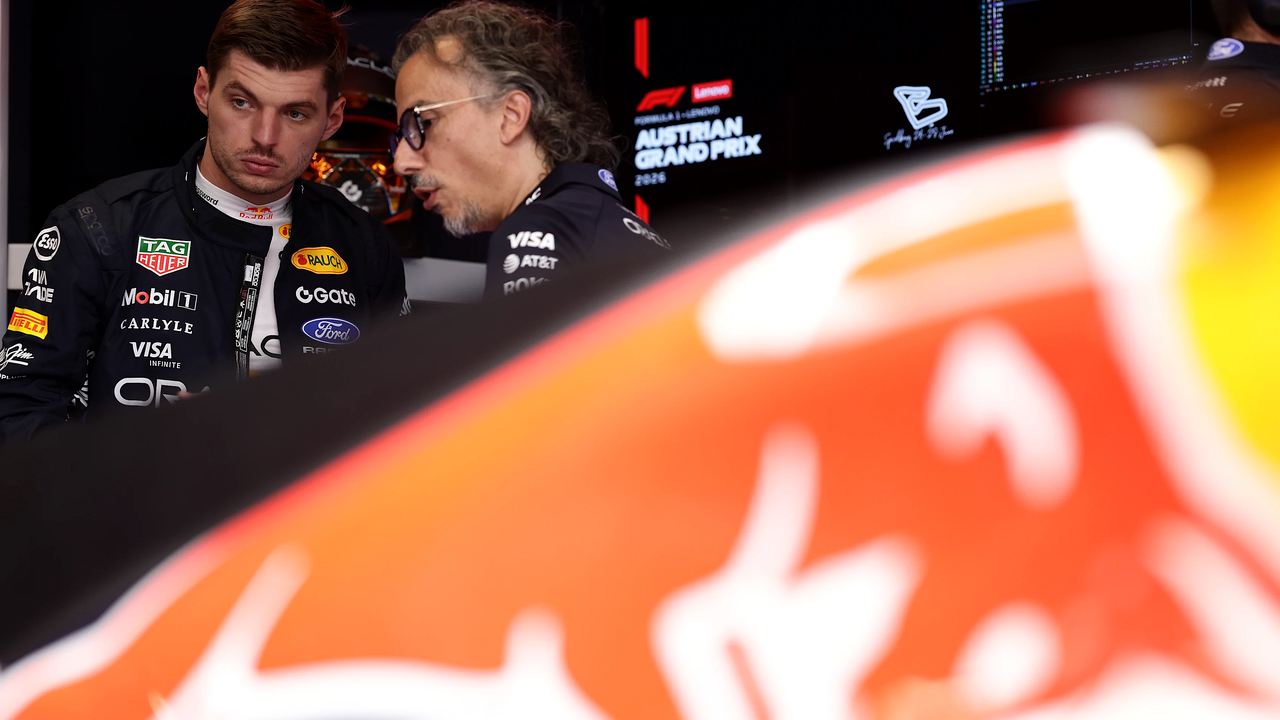
The public line can stay calm, but the internal work has to be sharp. A champion can accept a hard season if he sees movement. He will not enjoy a season where every upgrade sounds promising and then leaves the same questions on the data screen.
Leadership now has to feel practical
The new tone around the team matters because drivers listen to more than press conferences. Verstappen will notice whether the engineering group speaks with one voice. He will notice whether decisions arrive before a race is already lost. He will also notice whether the team can admit a wrong direction without turning it into a drama.
A practical leadership message is simple. It does not need big words. It needs a list of changes, a time frame and a reason why each step should help the car. If that is clear, the driver can focus on the lap. If that is not clear, every slow corner becomes part of a bigger argument.
Red Bull still have people who know how to win under pressure. The challenge is to make that knowledge visible again. The best answer for Verstappen is not a promise that everything is fine. It is a weekend where the car starts closer to the window and keeps improving without panic.
| Verstappen area | Main point |
|---|---|
| Main issue | Red Bull need proof in the car, not only public confidence. |
| Driver need | Verstappen needs a wider setup window and faster answers. |
| Team signal | A useful second car would make the project look healthier. |
The car must stop asking for rescue work
Verstappen can drive around faults better than most drivers, but that should not become the whole plan. When a car needs rescue work every stint, the team loses strategy options. Tyres are used too hard, radio messages get heavier and rivals can choose safer routes through the race. A title campaign cannot live only on recovery drives.
The most important sign would be a car that gives a clean first lap in practice. That does not mean perfect pace. It means the driver can attack entries, trust the rear and give feedback about smaller details. Once that happens, the setup work becomes more exact and the race plan becomes less defensive.
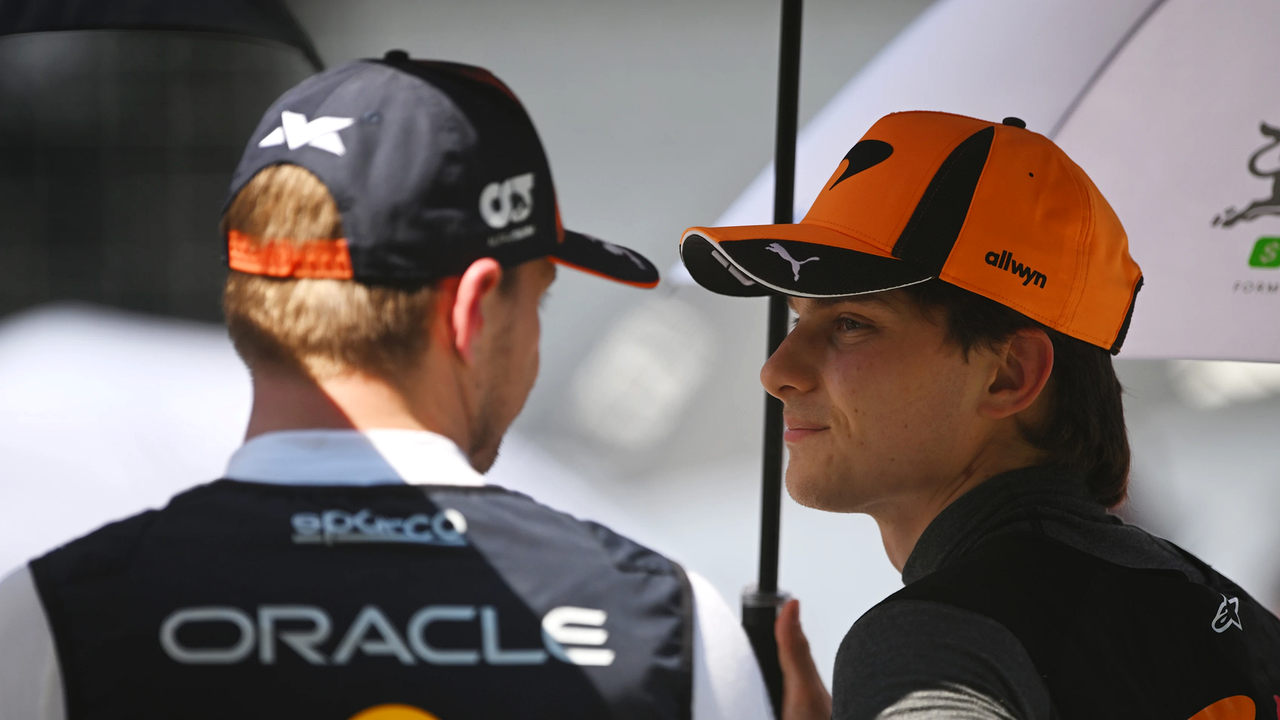
Red Bull’s task is to make Verstappen use his edge as a weapon, not as emergency cover. If the base car is stable, his special laps become the difference at the front. If the base car remains narrow, those laps only hide the size of the job for another week.
Rivals make patience harder
McLaren, Mercedes and Ferrari have all given Red Bull different problems this season. One rival may have cleaner tyre life. Another may carry better speed in slow corners. A third may be able to split strategy and force Verstappen into traffic. These details matter because they make a long wait more expensive.
A driver looking at his future will compare not only current points. He will compare the shape of each team. Are the upgrades working? Are the second cars close enough to help? Do the strategists have room to choose? Those questions can make a rival look attractive even before a formal offer becomes serious.
Red Bull cannot control those outside stories. They can control their own proof. If the car gains a wider operating window, the noise around other teams loses force. If the car stays difficult, every rumor will sound more believable than the last denial.
The second car is part of the answer
Verstappen’s future is often discussed as if he drives in isolation. That is not how a modern title fight works. A stable teammate gives cover in qualifying, strategy and constructors’ points. It also lets the team test more routes across practice. Without that support, the lead driver carries too much of the weekend alone.
Red Bull need to make the second side of the garage useful without turning it into a weekly comparison show. The goal is not to create another Verstappen. The goal is to have a car close enough to block rivals, collect points and confirm whether an update works on more than one driving style.
That detail can influence the bigger decision. A champion wants to know that the whole operation is healthy. If only one car is alive, the team looks fragile. If both cars are giving clear information, the project looks like a serious place to keep building.
A calm answer is still possible
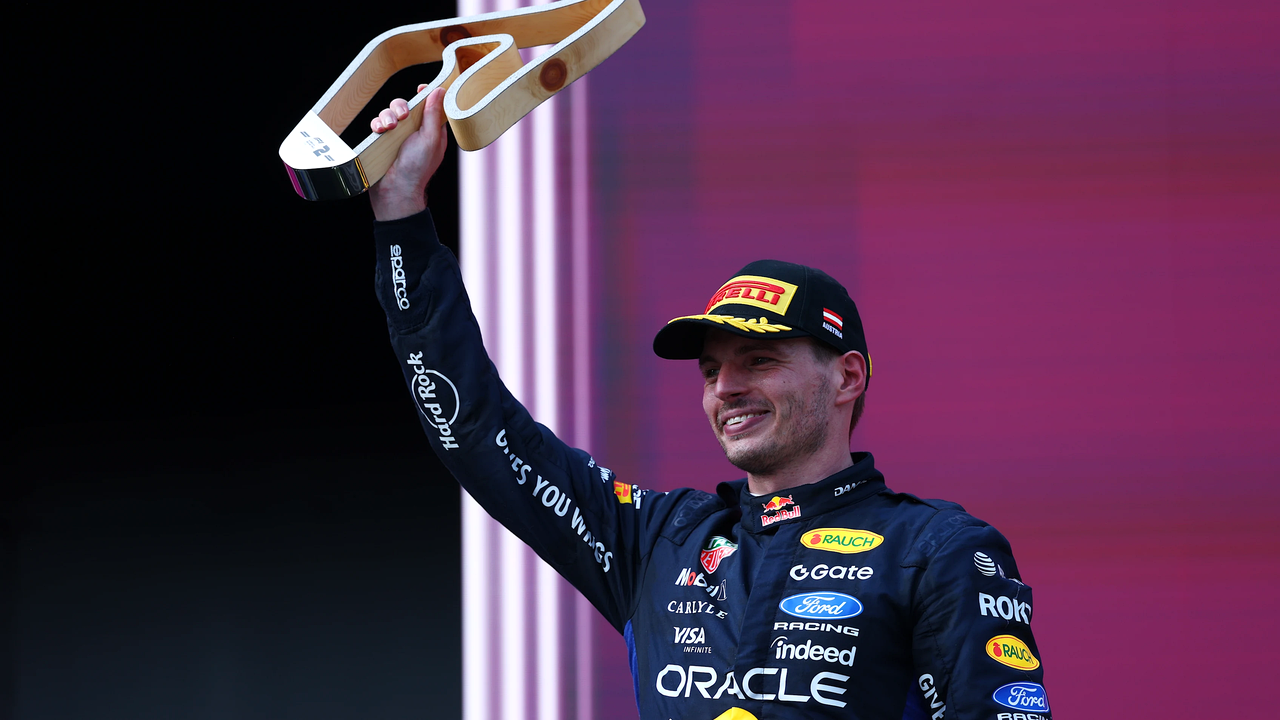
The best Red Bull answer would be quiet because it would be visible. A cleaner Friday, a less nervous race car and a stronger second entry would say more than any public message. Verstappen does not need the team to win every session right now. He needs to see that the route back to control is not imaginary.
That is why the next phase should be judged by small signs. Watch the first practice run. Watch how quickly the team changes direction after a poor balance note. Watch whether Verstappen sounds like a driver managing detail or a driver explaining the same old weakness again.
If those signs improve, the future question becomes less sharp. If they do not, the same doubt will return every week. Red Bull can still lower the noise, but only the car and the operation can do it properly.
The answer has to come from the car
Red Bull can lower the pressure only by making the weekend easier for Verstappen to drive. A cleaner first run, useful data from both cars and calmer setup choices would say more than another public denial.
That kind of answer is easy to understand. The car has to give Verstappen fewer rescue jobs, and the garage has to show that the same problem is not returning every Friday.
The next answer starts before qualifying
Red Bull’s clearest sign will come before the grid is formed. A cleaner practice plan gives Verstappen fewer corrections to carry into qualifying and keeps the garage away from late guesses.
That matters because the car’s weakness often becomes larger under fuel changes and track evolution. A stable early run gives the engineers a calmer base, and it gives Verstappen a weekend that feels built instead of rescued.
A quiet radio would be a useful sign
The radio can show whether Red Bull have made the car easier to manage. A quieter exchange does not mean the weekend is simple. It means the driver is discussing small details instead of repeating the same large complaint.
That kind of calm gives strategy more room. The pit wall can think about rivals, tyres and timing when the balance problem is not taking all the attention.
No Comments