
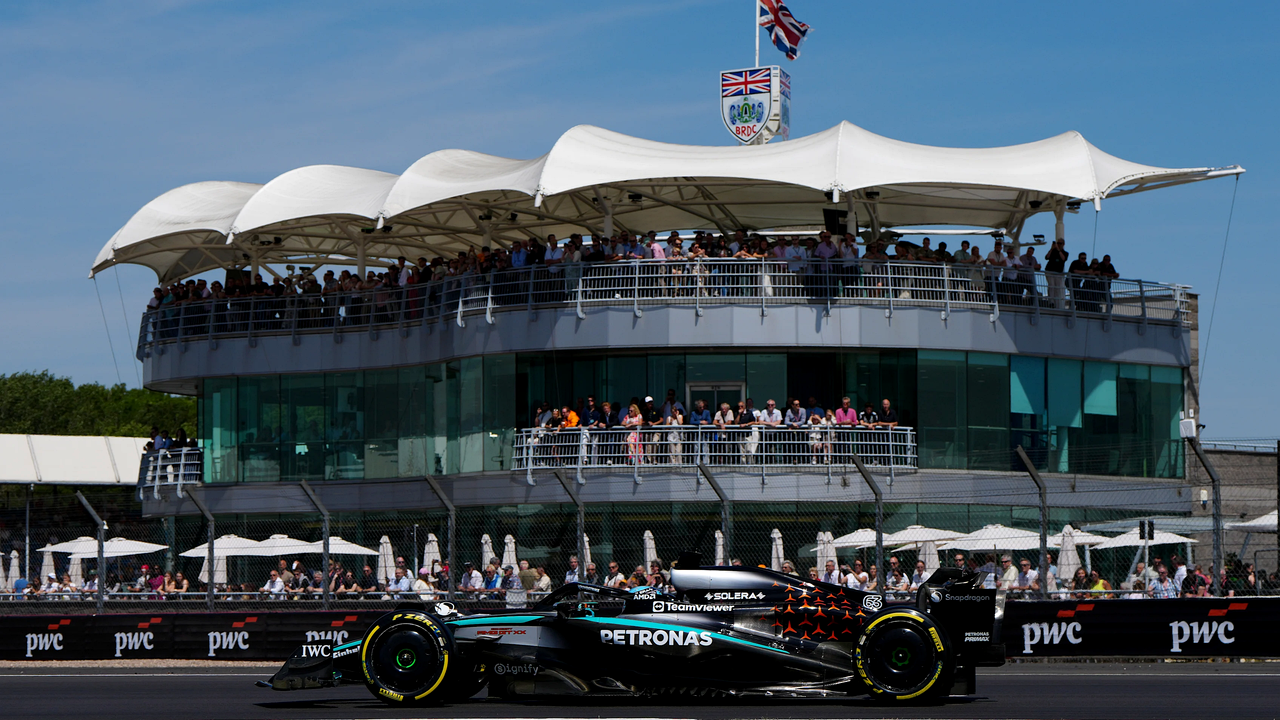
Formula 1’s British Grand Prix preview underlines why Silverstone remains a calendar anchor: the first championship race, a fast circuit, a huge crowd and a rare home race for much of the grid.
The past is not just a museum label
Silverstone’s 1950 place in Formula 1 history can sound like a fact recited out of habit, but it still shapes the race. The British Grand Prix is not simply another stop on the calendar; it is one of the events where the sport measures itself against its own origins. That gives the weekend a different kind of gravity before the first lap is even run.
The danger is that history can become soft language. This year’s race will not be decided by the past, and a Sprint weekend gives teams very little room for nostalgia. The value of the history is in the standard it sets. Drivers know the names linked with the place; engineers know the corners will show weak cars without ceremony.
The home-race field is unusually wide
The official preview names Hamilton, Norris, Russell, Bearman and Lindblad as British drivers or rookies carrying home interest. That spread matters because it prevents the weekend from belonging to one story. Mercedes, McLaren, Haas and Racing Bulls all have a local hook, and the crowd can move between different hopes rather than waiting on a single car.
The team geography adds another layer. Nine current F1 teams are based in the United Kingdom, so Silverstone is a home race for factory staff as much as drivers. The people who build the cars can feel unusually close to the result. That does not make the cars faster, but it changes the emotional temperature around every session.
| Key point | Reading |
|---|---|
| Historic base | Silverstone hosted the first Formula 1 World Championship race in 1950. |
| Local weight | Hamilton, Norris, Russell, Bearman and Lindblad all carry British crowd attention. |
| Team link | Nine of the 11 current F1 teams are based in the United Kingdom. |
| Track identity | Fast, flowing corners make the circuit a true aero and confidence test. |
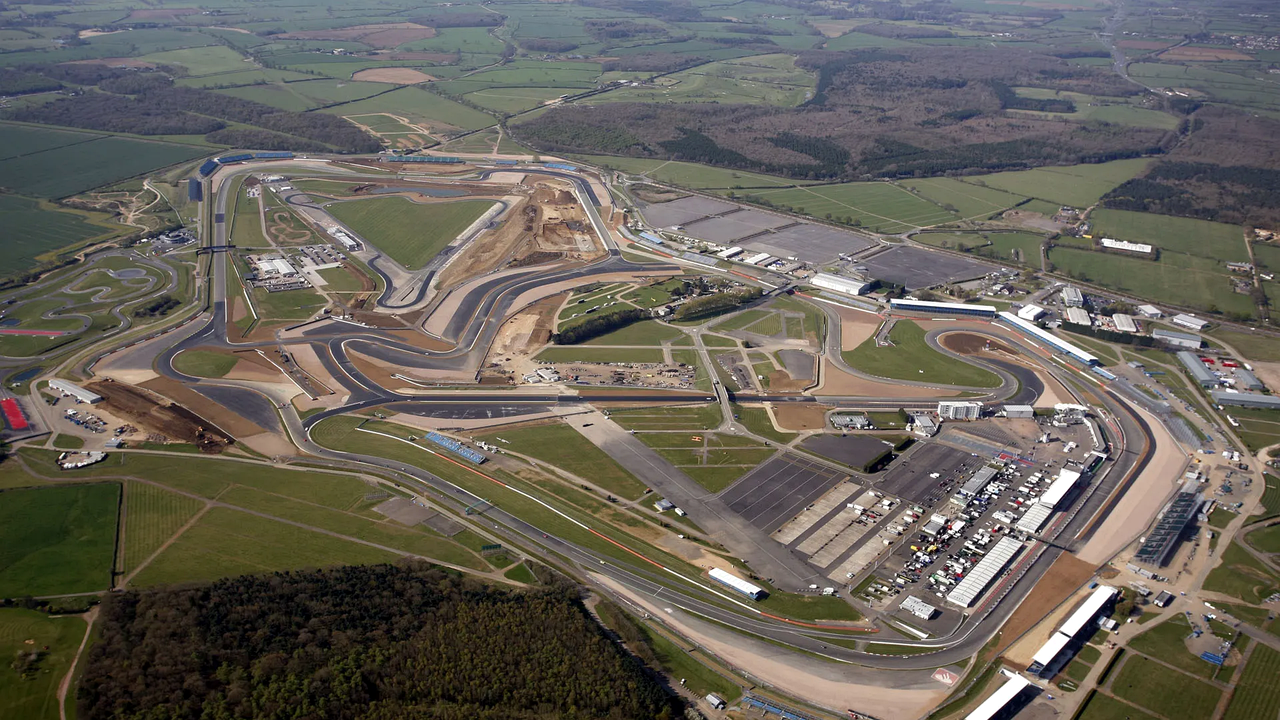
Why the circuit still earns its reputation
Silverstone’s fastest sections remain a direct test of trust. Copse, Maggotts, Becketts and Abbey ask a driver to commit before the car has fully proved it will stay settled. That is why a strong lap there looks clean rather than theatrical. The speed is high, but the best drivers appear to remove effort from the picture.
The technical need is also broader than one famous sequence. Teams have to protect tyres through long lateral loads, avoid too much drag on the straights and still keep enough mechanical confidence for the slower corners. A car that works only in one type of corner will show its limitation across the lap.
Crowd pressure can change how weekends feel
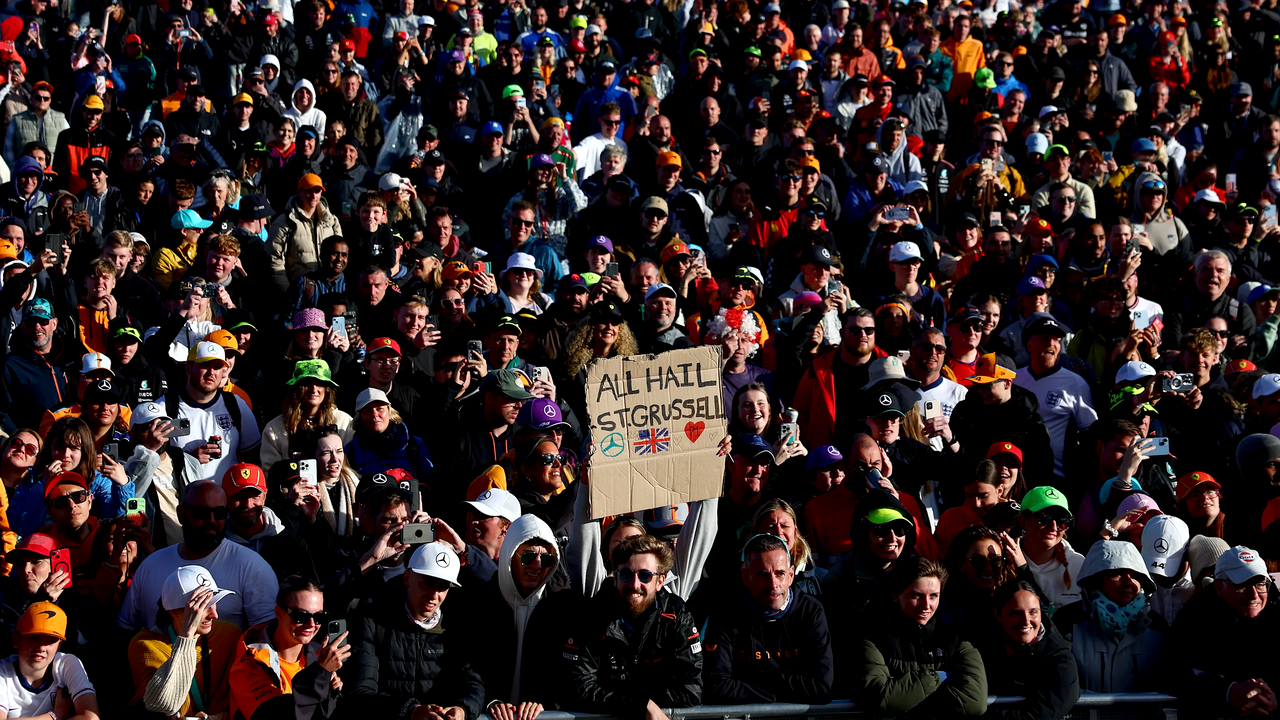
The British crowd is often treated as atmosphere, but it also changes the pressure profile. A driver who hears support after a small mistake can settle; another who expects a home result can overreach. That difference matters in a Sprint format where sessions arrive quickly and the first public judgement lands on Friday.
The crowd can also make midfield fights feel larger. A battle for seventh might carry as much noise as a podium fight if it involves a local driver or team. That is part of Silverstone’s value: it keeps the grandstand invested beyond the winner. The race feels full because many stories can matter at once.
The Sprint format gives history a modern edge
The compressed timetable prevents the weekend from becoming a slow tribute act. Practice, Sprint Qualifying, the Sprint, Grand Prix Qualifying and the race all arrive in a tight chain. Teams cannot spend two days building story before the serious work begins; the serious work begins almost immediately.
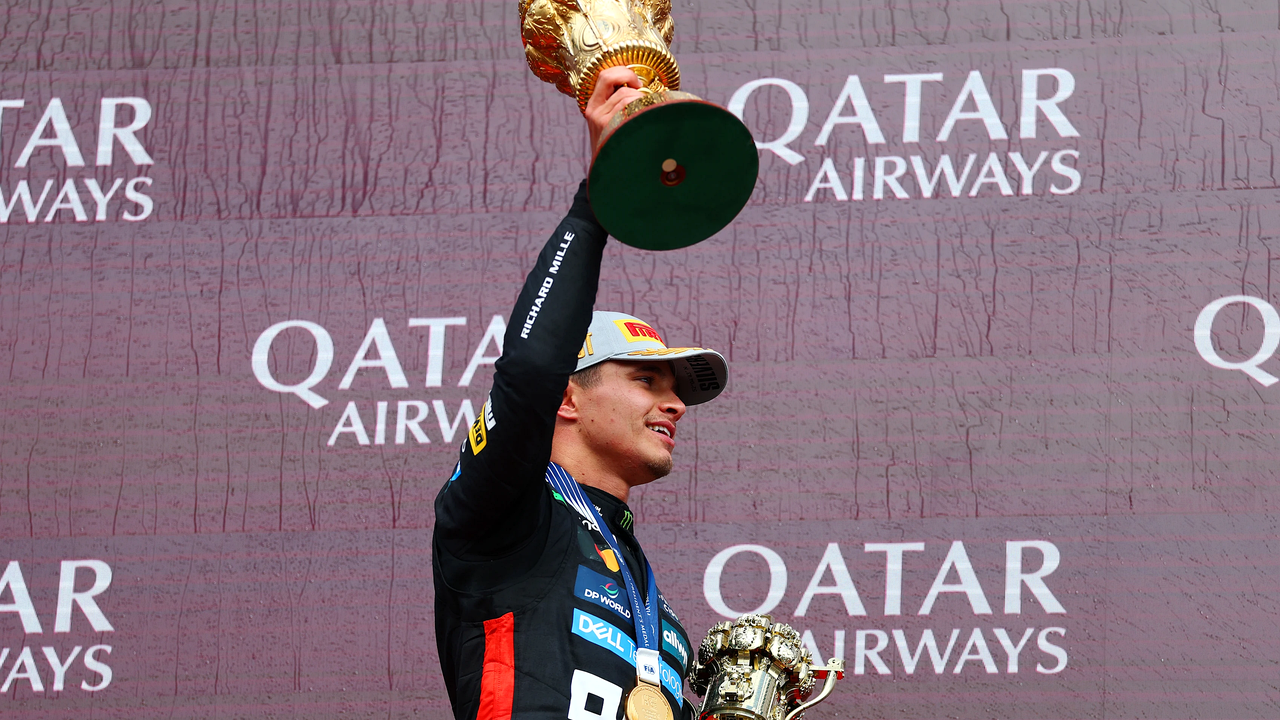
That is why Silverstone’s history still feels alive. The place carries memory, but it needs current precision. The 2026 British Grand Prix will be strongest if it gives both: a crowd that understands what the circuit means and a sporting weekend sharp enough to add a new reason to remember it.
The support programme adds to that pressure rather than distracting from it. F2, F3 and F1 Academy give teams and fans a full ladder to watch, and every young driver on the bill knows Silverstone can turn a clean weekend into a career example. That makes the event feel broad without losing its competitive centre.
Related context: British GP support schedule and British GP win market.


No Comments