
The British Grand Prix ended behind the safety car after late confusion and a long clean-up. The result was legal, but the finish again raised a hard question about spectacle and fairness.
A great race ended with a quiet flag
Silverstone had enough drama for a loud finish. Charles Leclerc was ahead, Mercedes was trying to save a result, and the crowd had waited through a strange final phase. Then the race ended behind the safety car, leaving the main fight frozen instead of settled on the road.
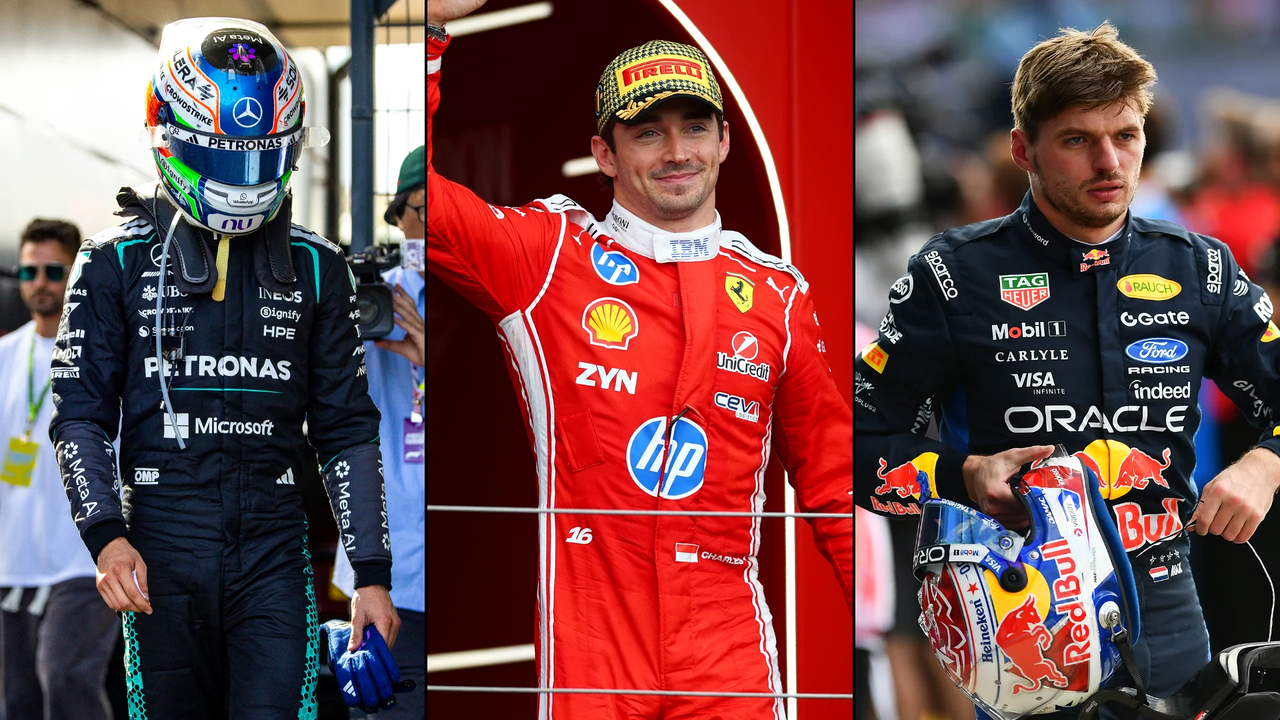
That does not mean the officials ignored the rules. The issue is more difficult. Since the sport changed its approach after past safety-car controversy, race control has been careful to follow the process. The problem is that the process can still deliver an ending that feels flat.
Fairness and entertainment pulled in different directions
F1 cannot simply restart every race because fans want one more lap. That would create another kind of unfairness. Teams make strategy calls based on the rules they know. Drivers should not be pushed into a restart that exists only to improve the show.
At the same time, a long safety-car finish at a full Silverstone crowd is not good for the sport. Fans understand safety. They also want a race to end as a race when possible. The best answer has to respect both ideas, not choose one and ignore the other.
| Silverstone point | Main note |
|---|---|
| Finish | The British Grand Prix ended behind the safety car. |
| Main tension | F1 has to balance fairness, safety and spectacle. |
| Communication | Late confusion made the ending feel worse. |
| Next step | The sport may need a careful review of late-race procedures. |
Also read: McLaren Redirect Upgrade Plan Gives Stella a Hungary Deadline. More news: Verstappen Rear Wing Failure Gives Red Bull a Clear Repair Job.
The broadcast message made the mood worse
Confusion around whether the safety car would come in made the finish feel more awkward. When a crowd thinks it may get one final racing lap and then does not, the disappointment grows. Clearer messaging would not have changed the winner, but it would have changed how the last minutes felt.
F1 has improved many parts of its race presentation. This is one area where small clarity matters. If the race cannot restart, say so as early as possible. If the decision is still open, make that clear too. Unclear hope is what makes a quiet finish feel worse.
Rule changes would need care
Some fans want faster unlapping rules. Others want late red flags. Both ideas can create better racing, but both carry risks. A red flag can feel artificial if it is used only to create a sprint. A rushed unlapping process can make the order messy and unfair.
That is why the answer should be narrow. F1 should study late safety-car cases and ask where time is lost. If a safer, faster process exists, use it. If not, the sport must accept that some races will end under control rather than chaos.
Silverstone will keep the debate alive
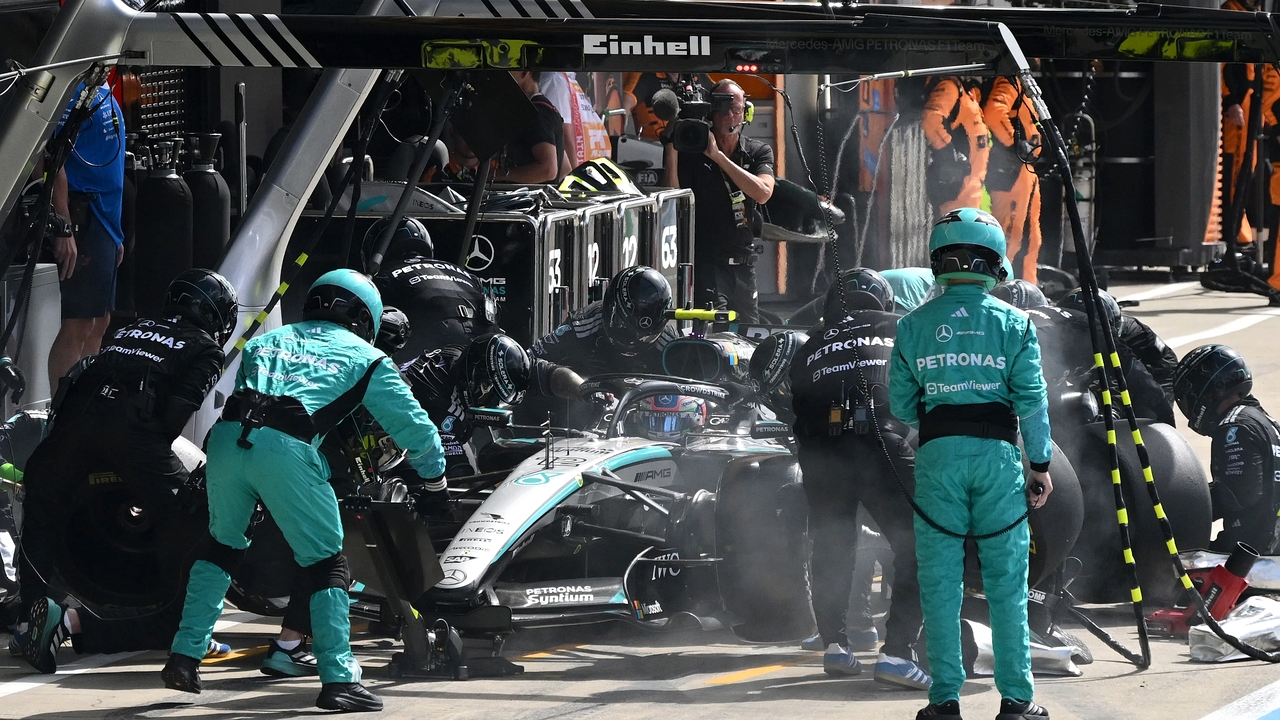
The result will stand, and Leclerc earned the win. The debate is about what the sport wants from future finishes. A race can be fair and still leave the audience cold. That gap is where F1 has to do its work.
The next time a late crash arrives, fans will remember Silverstone. Race control will remember it too. The sport now has a fresh example of why safety-car rules must be clear, quick and easy to explain before pressure arrives.
The rulebook needs a clearer fan promise
A safety car finish can be correct and still leave people unhappy. That is the tension for F1. The sport has to protect marshals and drivers first, but it also sells races on the idea that the final laps should decide something on track.
The worst answer would be a rule that forces a restart in every case. That could create danger or make the race feel artificial. The better answer is clarity. Fans should understand why a restart is possible in one case and not possible in another.
Teams also need that clarity. Strategy calls change when a late safety car appears. If the rules feel uncertain, teams start gambling on race control instead of racing the cars around them.
Silverstone is a good place for this debate because the crowd expects a big finish. F1 should use the reaction as a reason to explain the limits better. A calm rule is better than a rule made only to create drama.
No Comments