
Rafael Camara has placed himself among the leading drivers in Formula 2. The Ferrari academy member sits third after the opening nine rounds. His season includes two victories and five podium finishes.
Camara is twenty-one and already owns major titles from the junior ladder. He won Formula Regional before taking the Formula 3 championship. Formula 2 now provides his closest test before Formula 1.
Oliver Bearman’s progress offers a recent example inside the same academy. Bearman made an unexpected Ferrari debut in Saudi Arabia. He later earned a full Formula 1 seat with Haas.
A strong start kept Camara near the leaders
Camara adapted quickly to the heavier Formula 2 car. He scored in different race formats and avoided long empty runs. That balance placed him close to the championship leaders.
He has collected one hundred and forty-five points after nine rounds. Gabriele Mini stands two points ahead in second place. Nikola Tsolov leads with one hundred and sixty-seven points.
Those gaps leave the campaign open without guaranteeing any final position. Formula 2 weekends contain two races and several possible setbacks. A single retirement often changes the table sharply.
Camara’s best weekends have combined qualifying speed with patient tyre use. He has also converted good starts into clean first laps. Those details support his two wins and five podiums.
Earlier titles created a solid base
Camara arrived in Formula 2 after winning two demanding junior championships. Formula Regional rewarded his speed across a long calendar. Formula 3 then tested him against a deeper international field.
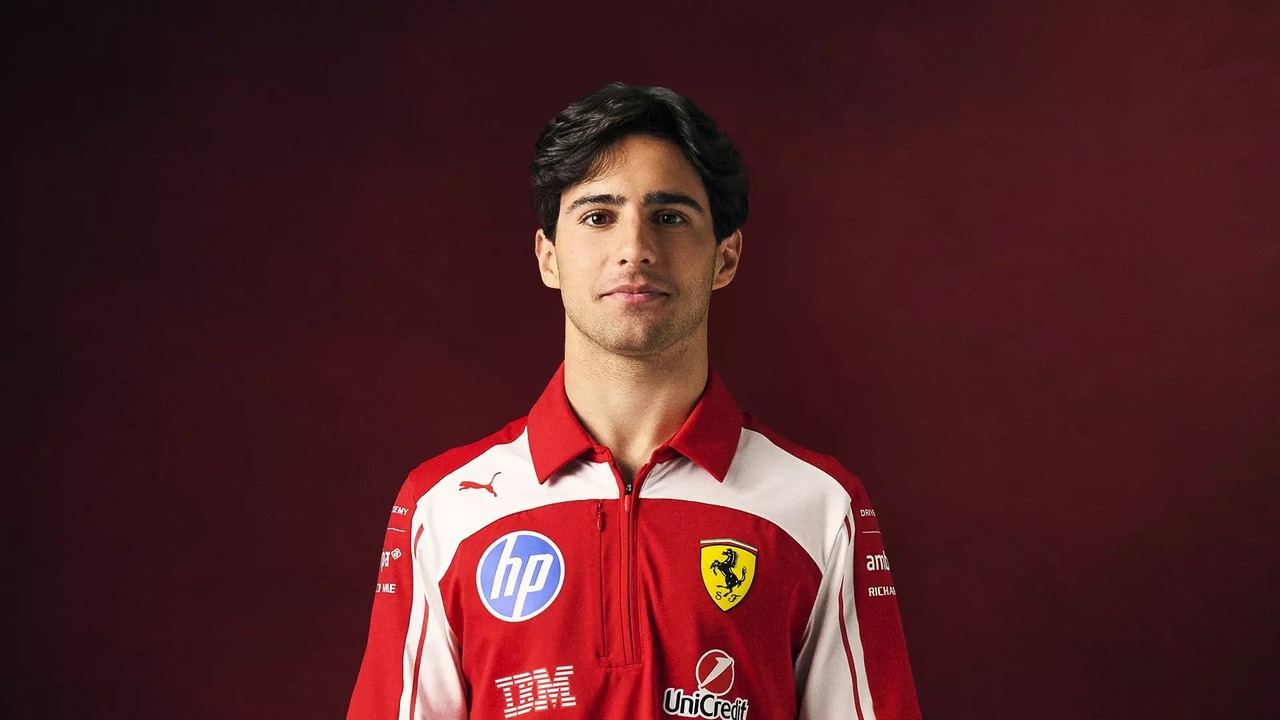
The Formula 3 title showed greater control across different situations. Camara scored when victory was unavailable and limited damage on difficult weekends. That approach remains important in Formula 2.
Each step also introduced new tyre behaviour and race procedures. Formula 2 adds pit stops, greater weight and stronger tyre degradation. Drivers adjust their pace throughout every stint.
Camara has handled those changes without losing his qualifying strength. His position after nine rounds reflects repeatable performance. The remaining events still demand the same discipline.
Bearman’s debut changed the academy’s reference
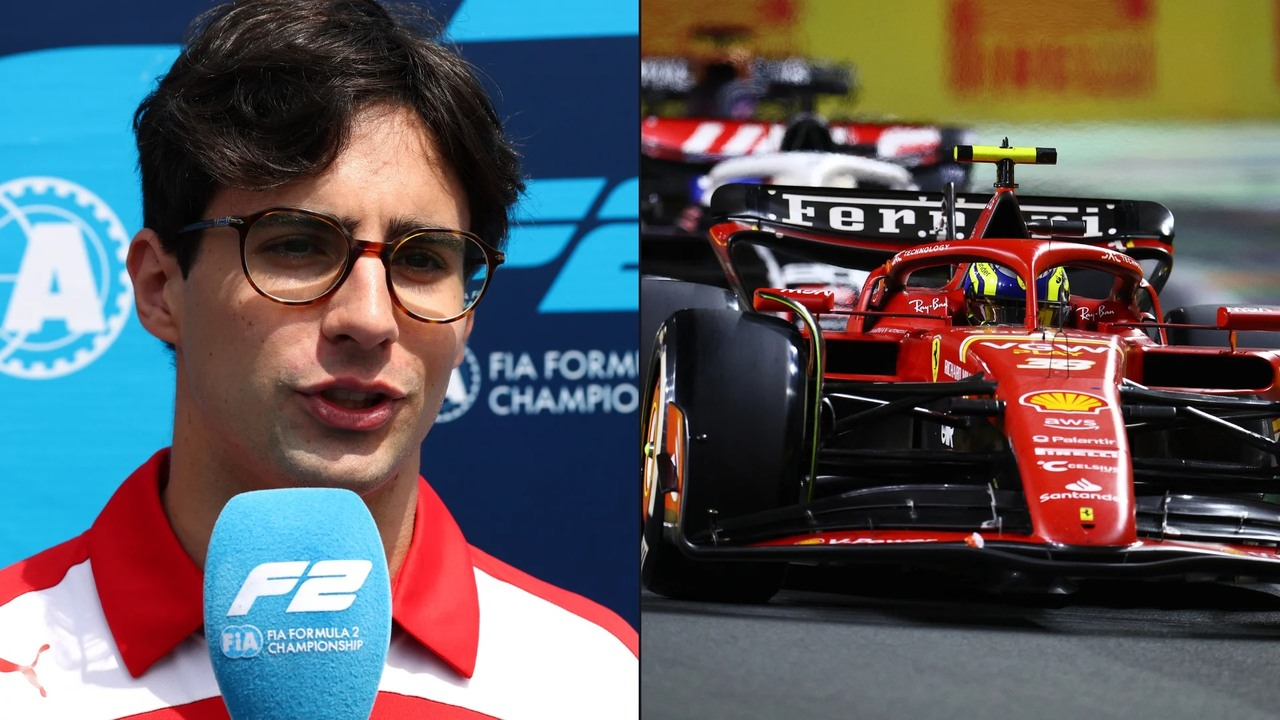
Bearman received a late call before the 2024 Saudi Arabian Grand Prix. Carlos Sainz required surgery and missed the race. Ferrari placed its academy driver in the car with little preparation.
He completed the weekend without a major error and scored points. That performance made his name familiar beyond the junior paddock. Haas later confirmed him for the following Formula 1 season.
Camara sees value in that sequence because it began inside Ferrari. Bearman had prepared through simulator work and private testing. The opportunity arrived suddenly, but the groundwork already existed.
The example does not create an automatic route for another driver. It shows how strong junior results connect with serious preparation. Camara remains focused on the part he controls.
Bearman finished seventh in Jeddah after entering Ferrari’s car with one practice session remaining. The result brought six championship points during his first Grand Prix. Haas later confirmed him for a full season. Bearman’s path gives Camara a recent example from the same academy.
Ferrari evaluates more than race victories
Academy drivers work with Ferrari staff away from race weekends. They review data, train physically and practise communication with engineers. Simulator sessions also develop familiarity with detailed procedures.
A Formula 1 team studies how a driver responds after mistakes. It also watches consistency during long and difficult weekends. One spectacular lap rarely answers every question about readiness.
Camara’s current campaign provides examples from both sprint and feature races. The formats require different starting positions and strategic choices. His five podiums show success across more than one situation.
The close standings also test his response to pressure. Every point matters without changing the basic driving task. Clear decisions remain more useful than forced overtakes.
The next rounds remain the immediate target
Camara enters the final part of the season within reach of second place. The lead is larger but still mathematically open. Several high-scoring weekends remain on the calendar.
His two closest rivals bring their own strengths and recent momentum. Mini has stayed just ahead through consistent scoring. Tsolov has created the strongest overall points total.
Camara does not require a public prediction to define his progress. His results already provide a clear record against the field. The final rounds offer more direct evidence.
Bearman’s story remains useful because preparation met an unexpected chance. Camara is building the same foundation through Formula 2. The remaining rounds provide his next evidence on track.

No Comments