
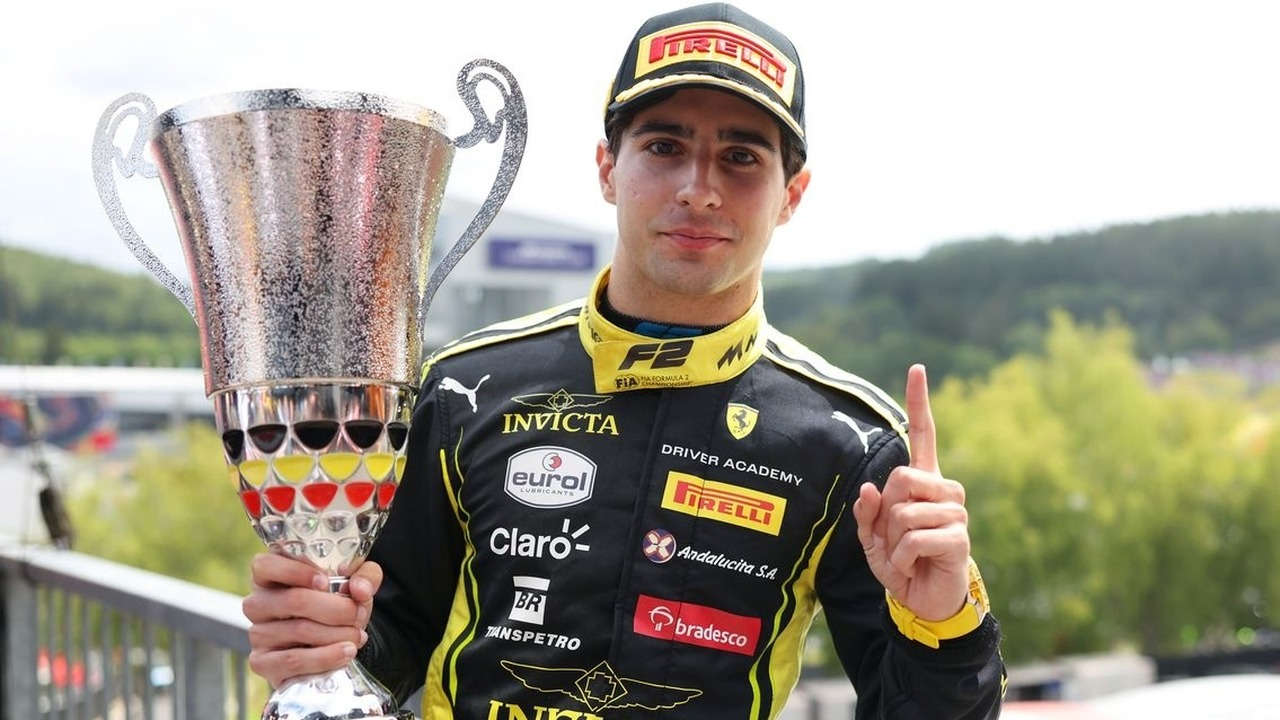
Rafael Camara says his immediate work remains in Formula 2 despite reports about a possible Haas seat. The Ferrari junior has been linked with a Formula 1 move for 2027.
Camara did not present the reports as a completed agreement. He said strong Formula 2 results are the clearest way to support any future opportunity.
Camara is completing his first Formula 2 campaign
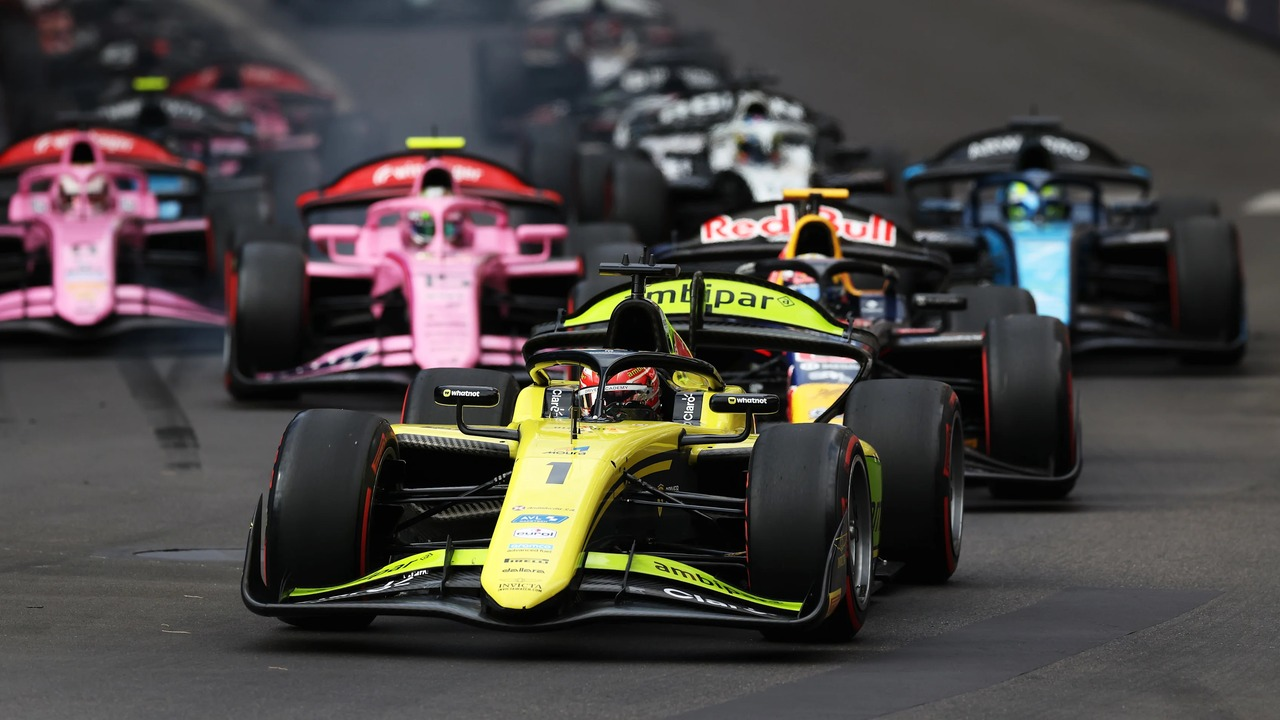
The Brazilian moved into Formula 2 after winning the Formula 3 title. He joined Invicta Racing for 2026 and entered a more demanding championship. Its races include pit stops and greater tyre management. Formula 2 uses the same basic equipment across the grid. Drivers still create differences through qualifying laps, starts, tyre care and decisions in traffic. Those areas give Formula 1 teams useful evidence about a young driver’s progress.
Camara has remained part of the Ferrari Driver Academy. That connection gives Ferrari access to his data and development work. It does not guarantee a Formula 1 place because the senior seats depend on contracts and team decisions. His response kept the distinction clear. Interest and rumours are not the same as a signed deal. Camara returned attention to the remaining Formula 2 rounds and the points available with Invicta.
Haas has a close technical relationship with Ferrari
Haas uses Ferrari power units and several permitted components. The American team has also given Formula 1 opportunities to drivers connected with Ferrari. That history explains why Camara’s name appears in discussion about its future line-up. A technical partnership does not allow Ferrari to choose both Haas drivers. Haas signs its own contracts and judges the balance between experience, speed and commercial needs. Any change for 2027 would require a formal team announcement.
The current season also gives Haas more information about its existing drivers. Qualifying pace, race execution and technical feedback all influence future choices. A junior candidate is compared with those complete records rather than one headline result. Camara can strengthen his case without discussing private negotiations. Consistent weekends show how he reacts after mistakes and difficult sessions. Teams often value that pattern as much as one victory.
Formula 2 tests skills needed in Formula 1
The Feature Race requires a mandatory pit stop when conditions remain dry. Drivers warm new tyres, manage long stints and pass cars using another strategy. These tasks resemble parts of a Formula 1 weekend. Qualifying remains especially important because the field is close. A small error can move a driver several rows backwards. Recovering from that position then adds traffic and tyre wear to the race.
Formula 2 also visits many Formula 1 circuits. Camara learns the braking zones, kerbs and pit entries that he would use in a senior car. The machinery is different, but track knowledge still reduces the number of new details. Engineers study how a driver explains balance changes. Clear feedback helps a team connect simulator work with track behaviour. Camara’s remaining races provide repeated tests of that communication.
A move to Formula 1 depends on more than the championship position
Final standings are an important part of a driver’s record. They are not the only evidence considered by Formula 1 teams. Reliability, penalties and team errors can affect points without fully describing performance. Private simulator sessions can also influence an assessment. Teams compare consistency, adaptation and technical understanding during controlled programmes. Those results normally remain outside public reports.
Super Licence eligibility is another formal requirement. Drivers collect points from recognised championships before starting a Grand Prix. A strong Formula 2 finish is the normal route for a candidate at Camara’s stage. Available seats remain a decisive part of any promotion decision. A talented driver can be ready while every suitable place is occupied. Teams may then choose reserve work, testing or another Formula 2 season instead of an immediate promotion.
The remaining races provide more performance data
Camara can control his preparation and performance with Invicta. He cannot control the timing of Haas contract talks. His public answer therefore avoided a promise about 2027. Each weekend offers practice, qualifying, a Sprint Race and a Feature Race. That schedule creates several chances to show pace and race judgement. It also exposes weaknesses quickly when the field is separated by small margins.
Ferrari can continue monitoring him through its academy programme. Haas can review the same public results while completing its own evaluation. Neither process requires an early announcement. For now, Camara remains a Formula 2 driver linked with a possible future seat. A confirmed move would need direct communication from Haas and the parties involved. Until then, his results are the reliable record.
No Comments