
Lando Norris has reached Q3 on 40 straight Grand Prix weekends. The run shows repeated qualifying strength from Norris and McLaren.
The number shows repeated work
The official Formula 1 record lists Norris as the sixth driver to reach Q3 on 40 straight Grand Prix weekends. The run reached that mark at Silverstone, where the home weekend carried more public pressure than a normal qualifying day.

A single lap can look dramatic on television, but this record is built from many uneventful Saturdays where the job simply did not slip.
That is why the number matters more than a pole count. Norris has not needed every weekend to look perfect. He has needed every weekend to stay inside the final qualifying segment. Balance, weather, traffic and team form have all made sessions less simple. That kind of repeatability is a driver skill and a team habit at the same time.
McLaren will care about this because it shows the package has a stable base. A car that can keep its lead driver inside Q3 through different tracks gives strategy a more predictable race plan. It protects points. It also keeps the team away from the kind of recovery races that turn a strong season into a nervous one.
The streak began with a different McLaren mood
The same Formula 1 note says the streak began at Singapore 2024, when Norris took pole. That starting point is useful because McLaren’s place in the field has changed since then. The team have not always looked like the fastest car in 2026, yet Norris has still kept the minimum qualifying level intact.
This is where the record becomes a evidence of stability. It says McLaren can arrive at a weekend without having to rebuild the driver around the car. Norris normally knows where the lap time should come from. The team gives him enough information before Q2 becomes dangerous.
There is also a mental part. When a driver has a long Q3 streak, every tight session carries a little extra weight. Breaking the run becomes a story before the lap is even finished. Norris has avoided that trap, which tells McLaren that his qualifying process is not only fast but calm.
| Norris area | Main point |
|---|---|
| Confirmed mark | 40 consecutive Q3 appearances after Silverstone |
| Formula 1 list | Norris is the sixth driver to reach 40 or more |
| Team meaning | McLaren’s minimum qualifying level has stayed stable across different tracks |
Also read: Webber’s calm Piastri answer helps McLaren protect stability.
Silverstone made the milestone harder to hide
Silverstone is not a quiet place for Norris. The crowd follows every sector, and every McLaren radio line becomes part of the home weekend. Reaching the milestone there means the statistic was achieved under the kind of attention that can easily turn a small mistake into a large headline.
The useful part for McLaren is not that Norris made one good lap at home. It is that he did not let the home story change the basic job. He still passed through the early sessions and reached Q3. He kept the team in the qualifying range where serious points races can be planned.
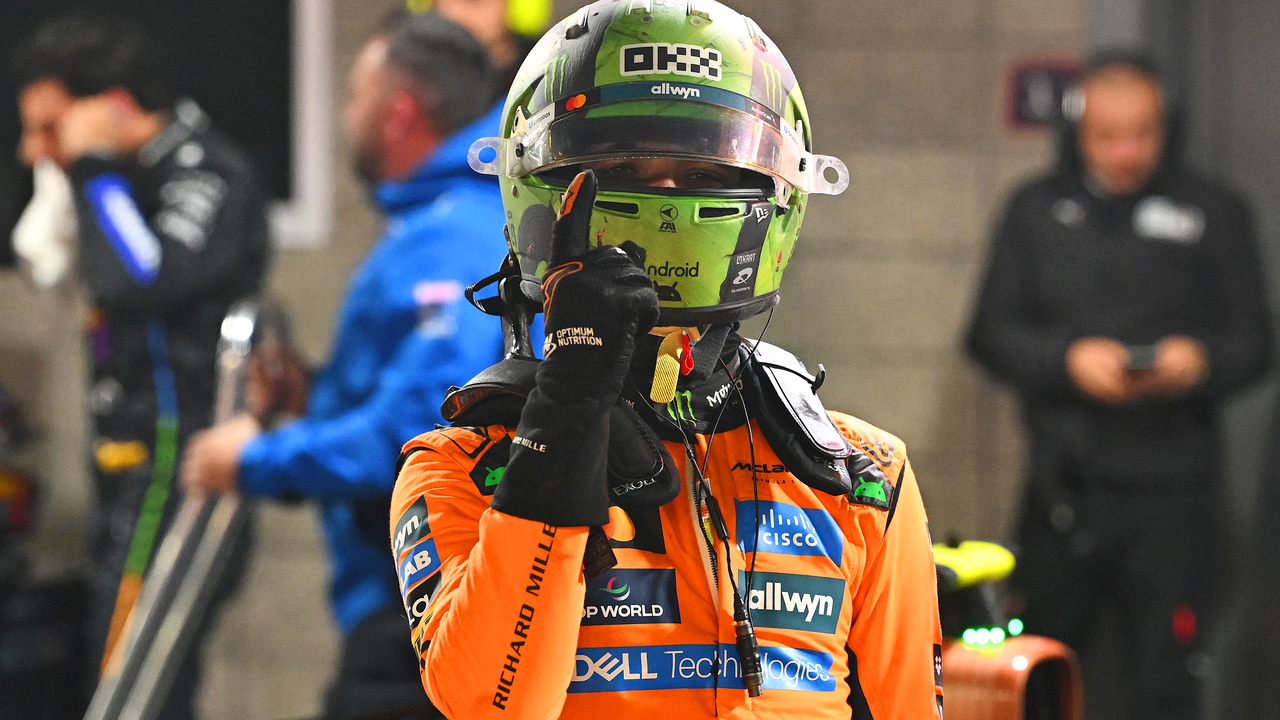
That gives the engineers a cleaner review. They can look at the lap and the car without first explaining why the team missed the top ten. In a long season, avoiding that kind of repair meeting is valuable. It gives more time to improve the car and less time to defend the weekend.
The weakest weekends are the real test
The same record shows that Norris’ lowest Q3 result this year has been eighth in Monaco. That detail is small but important. A streak like this is not protected by the strongest tracks. It is protected on awkward weekends. The gaps can be narrow, and one imperfect run can push a driver into Q2 trouble.
Monaco is also the wrong place to be untidy. Traffic, tire warm-up and track position all punish hesitation. If the worst qualifying outcome inside the streak is still a Q3 place there, McLaren can trust the base. The setup range has not collapsed on uncomfortable days.
That is different from saying McLaren are fully satisfied. They still need more outright speed if they want to control races. But the Q3 run shows a stable base. It lets the team chase performance from a solid place instead of recovering from the back half of the grid.
The record also protects race strategy
Starting inside the top ten is not a guarantee of points, but it keeps the race plan closer to normal. The pit wall can think about tire life, undercuts and rivals instead of building the whole afternoon around traffic. Norris’ run has therefore helped McLaren on Sundays before the lights even go out.
It also changes how opponents treat the team. If rivals expect Norris to be in Q3 every weekend, they cannot wait for a qualifying mistake as their main route into the race. They have to beat McLaren on pace, tire work or execution. That is a healthier kind of pressure for a front team.

The next step is turning consistency into stronger starting positions. A stable Q3 presence is valuable. McLaren still need more weekends where Norris fights for the first two rows with enough car underneath him. The streak says the base is real. It does not say the job is finished.
Why McLaren should not over-celebrate
Long streaks can hide problems if a team treats them as proof of full strength. McLaren should avoid that. The record shows that Norris and the garage rarely miss the final segment. It does not prove that the car is always quick enough to control a front-row fight or protect tire life in dirty air.
That distinction matters because the rest of the season will not reward neat statistics by itself. Norris needs more than access to Q3. He needs a car that lets him attack the final run, manage the opening stint and keep options open if the race turns tactical.
The best reading is simple: the streak is a serious compliment to Norris and to McLaren’s Saturday discipline. It is also a reminder that the team now has a strong base to use. The next step is turning more of those Q3 appearances into front-row starts and cleaner control of race weekends.
Why the run helps the team plan upgrades
A long Q3 run also makes upgrade planning easier. McLaren can compare new parts from a stable qualifying base instead of trying to understand why the car missed the final session. That gives the engineers a clearer link between driver execution and car behaviour. If an update brings a gain, the team can see it against a reliable Saturday pattern.
That does not mean Norris removes risk from development. Every new floor or wing can still change the balance. The useful point is that McLaren know their starting level is high enough to measure change properly. A team with a stable lead driver can take smaller steps and still learn quickly.



No Comments