
Adrian Newey’s breakdown of Aston Martin’s troubled season turned a poor run of results into a clear technical timeline: late development, unreliable testing and a car built with too many compromises.
A diagnosis that sounded more structural than unlucky
Newey’s comments were striking because they did not lean on vague disappointment. He described a team that arrived late to the new regulations, lost too much of pre-season to power-unit integration and then carried the consequences into the first races. That kind of admission is uncomfortable, but it is also more useful than pretending the car simply failed to match expectations.
Aston Martin’s season has often looked flat from the outside: poor qualifying positions, little race-day movement and weekends where the green cars struggled to enter the midfield fight. Newey’s explanation gives that picture a root system. The car was not only slow; it was underprepared, overweight in important areas and shaped by a compressed design path.
Testing trouble changed the first race before it began
The most damaging detail is the lost mileage. When a team spends winter testing trying to make the power unit, chassis and gearbox work together, the car reaches the first Grand Prix without the layers of set-up learning rivals already possess. Melbourne then becomes less a season opener and more a public shakedown, which is a brutal place to discover what the simulator did not prove.
That also affects driver confidence. Fernando Alonso and Lance Stroll cannot tune a car accurately if the baseline keeps shifting under reliability concerns. The feedback loop becomes short and defensive: fix the urgent problem, preserve running, avoid further damage. Performance development comes later, and by then the midfield may already have moved.
| Key point | Reading |
|---|---|
| Starting problem | Power-unit trouble left Aston Martin short of meaningful testing mileage before Australia. |
| Design cost | Newey said serious work on the 2026 chassis began later than rivals and left weight on the car. |
| Factory issue | Older processes inside the Silverstone operation slowed the build and ordering flow. |
| Strategic choice | Aston Martin have avoided a heavy in-season upgrade chase while the baseline remains weak. |
The Silverstone factory is not just a postcard
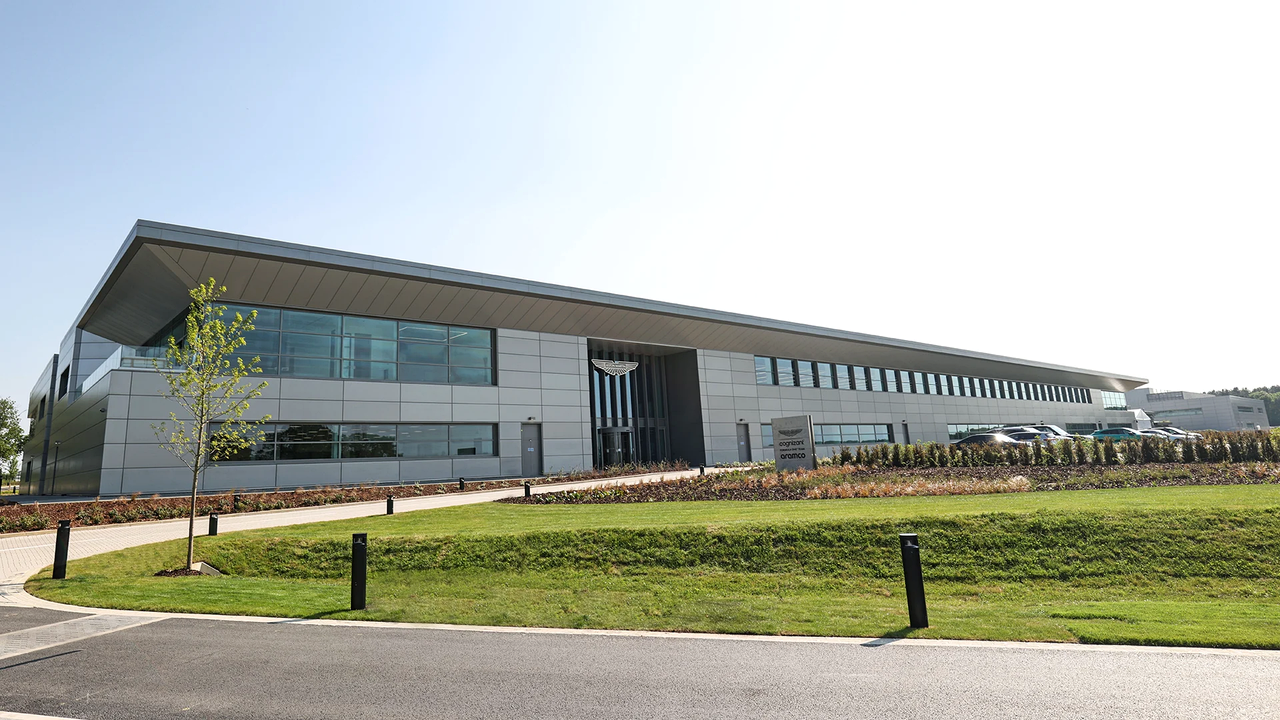
Aston Martin’s new facilities have been used as a symbol of ambition, but Newey’s audit pointed to older processes still sitting inside the organisation. That distinction matters. A modern building does not automatically make parts arrive at the right time, make departments communicate cleanly or remove the habits left over from earlier versions of the team.
The Jordan-to-Aston lineage can be romantic when results improve; it becomes awkward when systems have been patched for years. Newey’s language suggested the problem is not effort. It is workflow. If engineers lose time because ordering, build planning or approval chains are clumsy, the car pays a hidden performance tax before it ever leaves the garage.
Why chasing upgrades was not a simple answer
There is a temptation to demand an update every race, especially when rivals appear to be adding performance at speed. Aston Martin’s position is more delicate. If the car is overweight, short of correlation and late in concept maturity, throwing parts at it can produce noise rather than direction. Newey’s decision to resist a frantic upgrade chase therefore looks painful but logical.
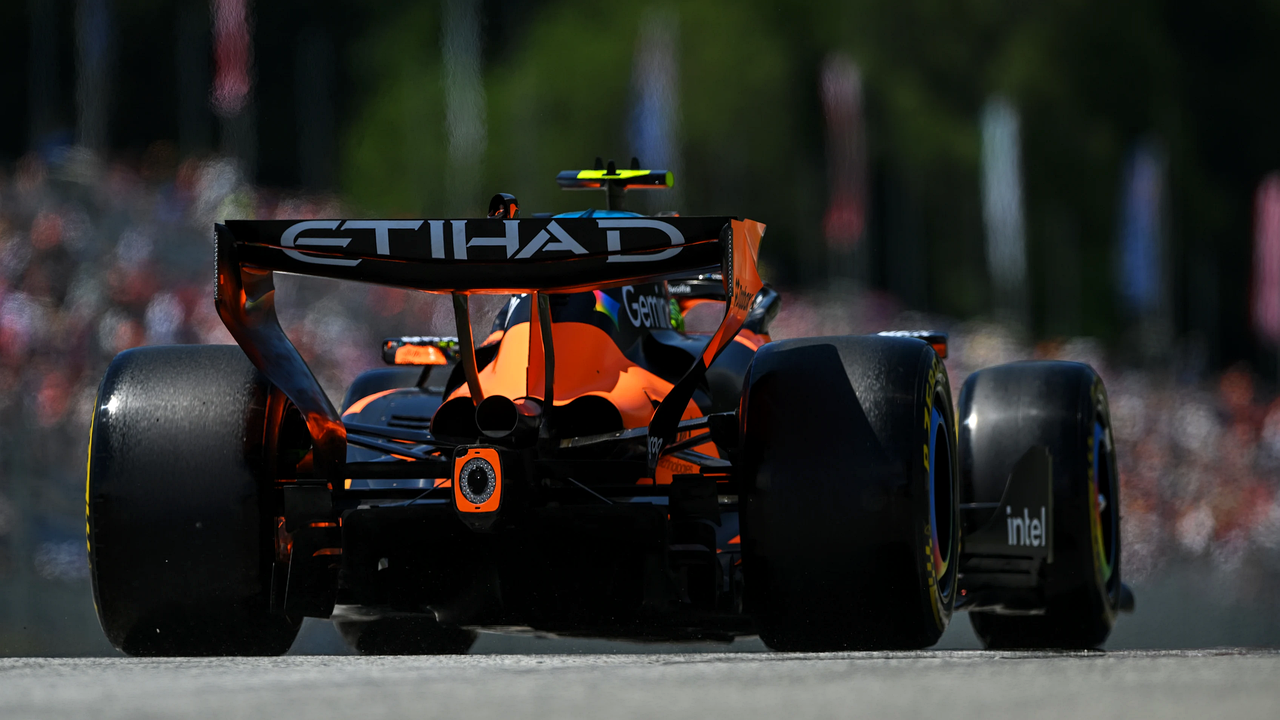
The wider paddock context supports that caution. Ferrari’s Austria pace problem showed how a team can bring expectation and still leave with unanswered questions, while Wolff’s Ferrari cost-cap warning underlined the financial limit on relentless development. Aston Martin cannot afford to spend their way into confusion. They need the next part to answer the right question.
The 2026 project now needs evidence, not aura
Newey’s arrival created a story of instant transformation, but Formula 1 rarely works that cleanly. His greatest value may come from forcing the team to confront the dull problems that stop clever ideas reaching the car on time. Weight, parts flow, testing mileage and factory discipline are not glamorous, yet they decide whether a future concept has room to breathe.
The next months will show whether Aston Martin can turn this audit into action. A small performance step would help, but the more important sign is cleaner preparation: fewer reliability interruptions, clearer upgrade timing and a car that starts weekends closer to its operating window. Without that, the name on the office door will remain more impressive than the lap time.
The uncomfortable value of naming the problem
Newey’s comments help Aston Martin because they remove a convenient fog around the season. When a team with expensive facilities and famous names underperforms, the outside conversation often drifts toward driver form, pressure, or vague disappointment. The technical explanation is harder but more useful. If the car was late, heavy and short of testing mileage, the poor results are not a mystery. They are the visible cost of a project that began the year behind its own schedule.
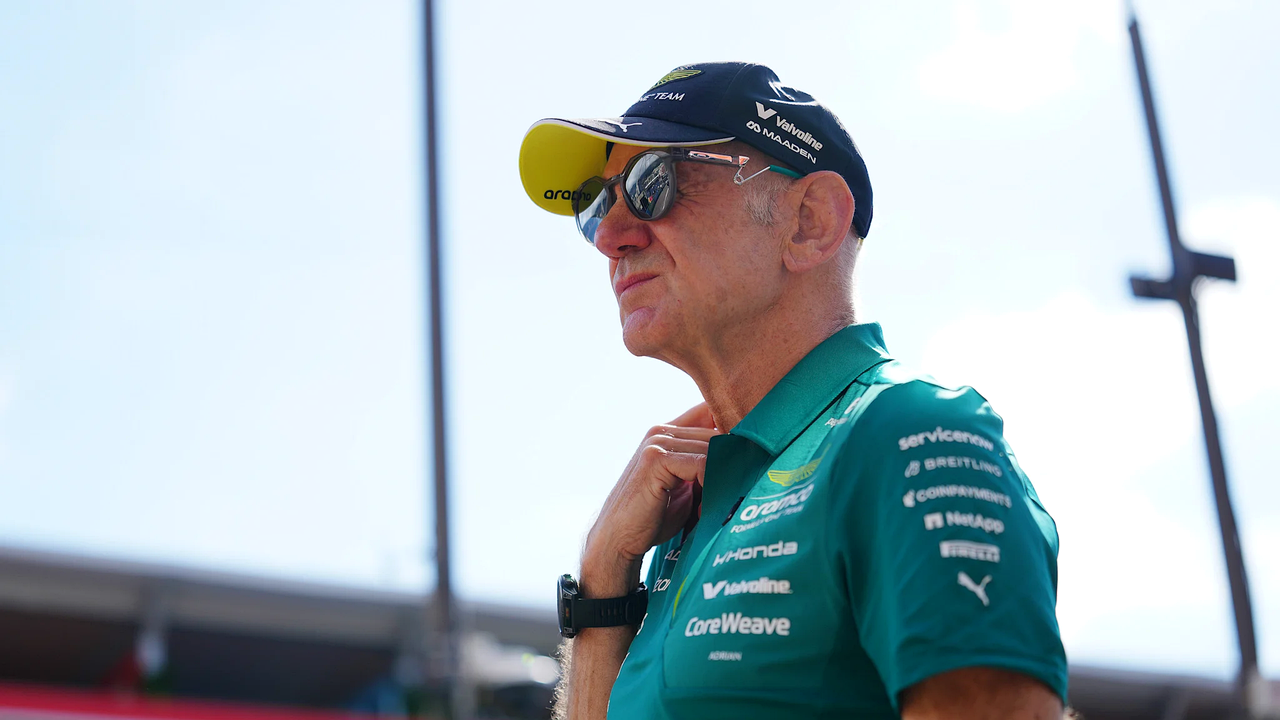
That does not excuse every weekend. Aston Martin still have to operate better inside the limitations they carry, and Alonso in particular will expect sharper choices when a narrow chance appears. But it changes the scale of the solution. A weak baseline is not fixed by one headline floor, and a slow internal process is not cured by one aggressive upgrade. The team need fewer heroic recoveries and more ordinary competence: parts arriving on time, simulation questions answered earlier, and practice sessions used for performance rather than triage.
The 2026 context makes the admission more important. Teams are already deciding where effort belongs, and Aston Martin cannot afford to chase this car so heavily that the next regulation cycle starts with the same delay. Newey’s reputation is tied to concept quality, yet even the best concept fails if the organisation cannot turn it into hardware quickly enough. The factory therefore becomes part of the lap time. Its rhythm, approvals and build discipline are now competitive variables rather than background scenery.
The drivers will feel that before the public does. A car that starts weekends closer to its window gives Alonso room to attack details instead of describing fundamental weakness, while Stroll gains a more stable reference for set-up and race pace. That is the practical test of whether the audit has landed. Aston Martin do not need a miracle in the next race; they need evidence that the project is becoming less reactive and that Newey’s diagnosis has reached the departments that actually shape the car.


No Comments