
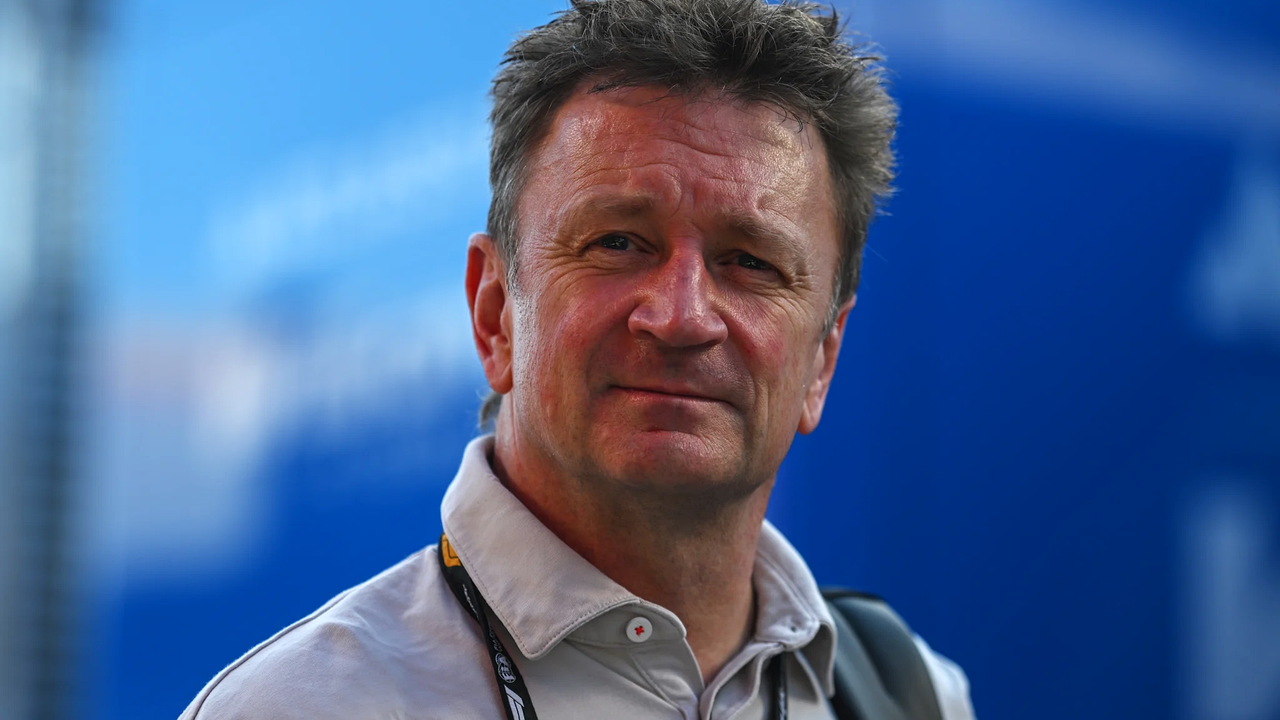
Audi left Spielberg without a point, yet Allan McNish called Austria the team’s best weekend of 2026 because the upgraded car finally delivered a complete, reliable race sample.
A point-less result that still moved the team
The immediate scoreboard says Audi missed again, and there is no way to dress P11 as a point. What made Austria different was the way the weekend joined up. The car ran cleanly, the upgrade behaved as expected, both drivers stayed close to the maximum available pace and the team avoided the reliability interruptions that had blurred earlier rounds.
That is why McNish’s reaction matters. A team can be frustrated by the final place and encouraged by the underlying sample at the same time. Audi were not rescued by retirements ahead, did not inherit a strange strategy window and did not hide behind a chaotic race. They simply reached the edge of the points with a package that looked more coherent than it had for most of the season.
Why Spielberg was a useful stress test
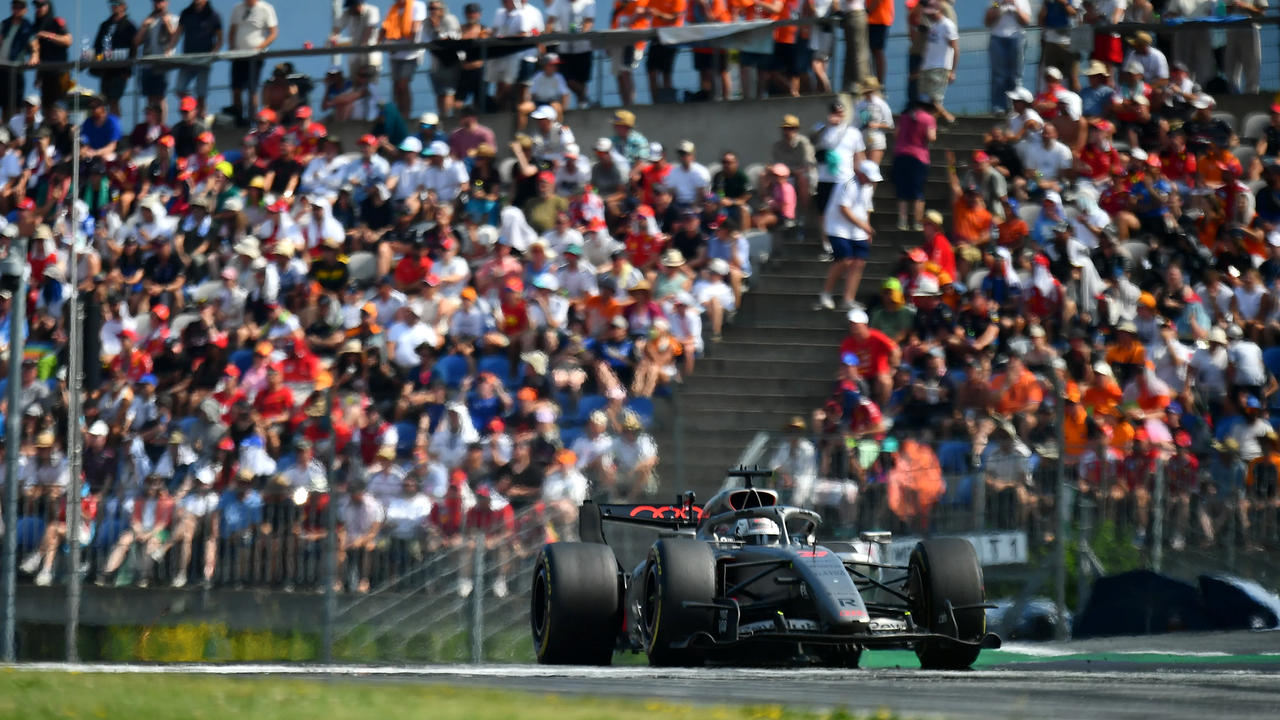
Austria is a harsh circuit for a team still carrying a power-unit deficit. The lap is short, the straights arrive quickly, and any weakness in acceleration becomes visible before the car has many corners to recover the time. If Audi can stay close to the top ten there, the team have reason to believe the same aero step will be worth more at venues where the stopwatch is less dominated by straight-line efficiency.
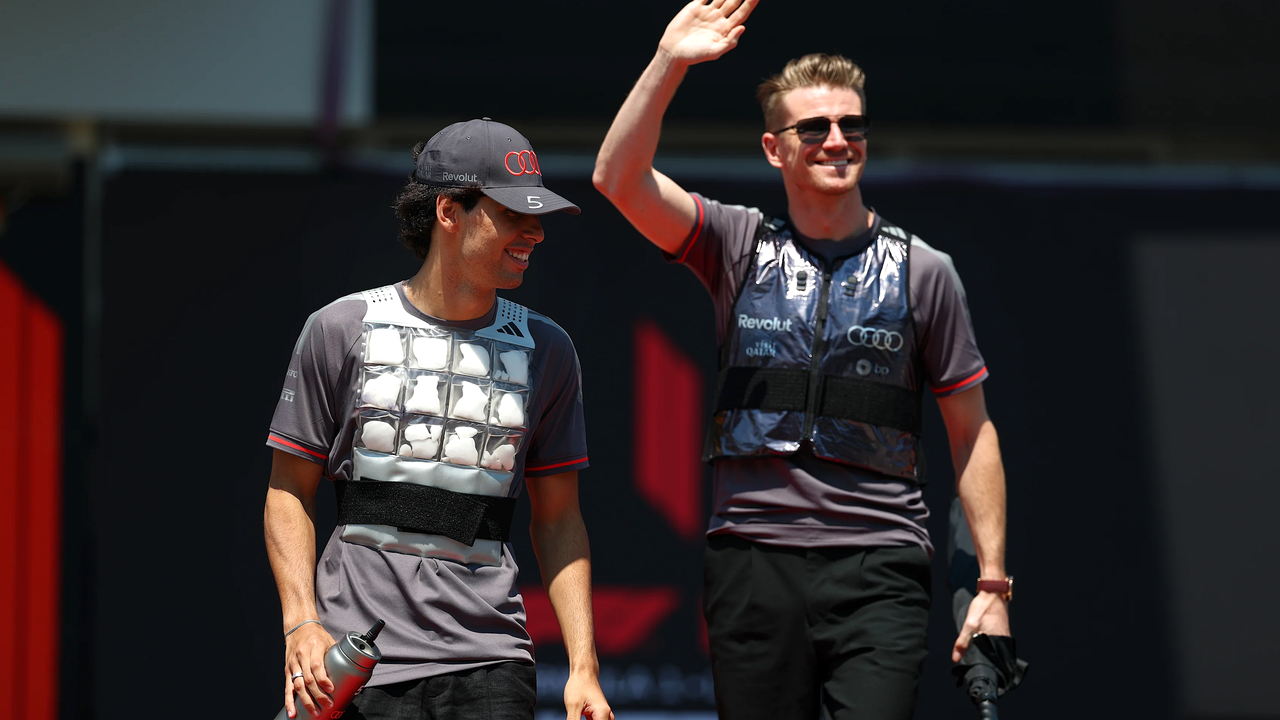
The execution piece was just as important as the update itself. Bortoleto and Hulkenberg were separated by one place, which tells the engineers that the drivers were operating in the same performance window. That is useful evidence for a team trying to separate car limitation from missed opportunity. The data points are cleaner when both cars tell a similar story.
| Key point | Reading |
|---|---|
| Result marker | Gabriel Bortoleto finished P11 and Nico Hulkenberg P12 at the Austrian Grand Prix. |
| Team reading | McNish framed the weekend as Audi’s cleanest execution across practice, qualifying and race. |
| Technical context | The Red Bull Ring exposed power-unit deficit, so the aerodynamic step carried extra value. |
| Next test | Audi need the same execution on circuits where horsepower is less decisive. |
Starts, reliability and the shape of progress
McNish also pointed to improved starts, a small but meaningful detail for a midfield team. When a car starts outside the top ten, the first two corners can either open the race or trap the driver behind a slower rhythm. Austria did not suddenly make Audi a front-running launch team, but it showed fewer of the weaknesses that had cost track position earlier in the year.
Reliability cannot be treated as background either. Audi’s R26s had suffered non-starts and technical interruptions across the opening phase of the season, so a clean weekend gave the staff a rare full-distance picture. The value is not emotional. It is practical: more uninterrupted laps mean better correlation, more tyre data and a clearer sense of how the upgraded floor and bodywork interact over a race stint.
The midfield target is now more precise
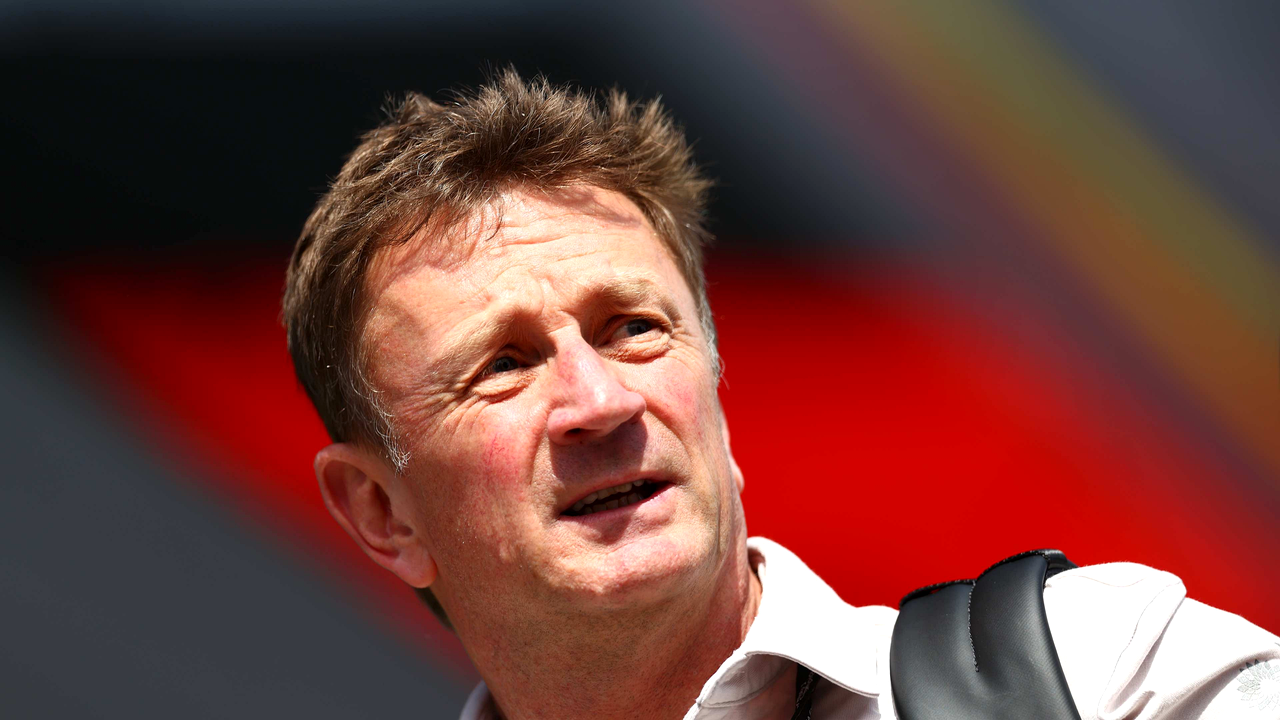
The comparison with Racing Bulls is the honest one. McNish did not pretend Audi were robbed of points; he accepted that the cars ahead were quicker once they were in front. That candour keeps the message credible. The next step is not a miracle leap toward Mercedes or Ferrari. It is closing the gap to the final scoring places when the race stays normal.
That makes Bortoleto’s Austria P11 a useful companion piece to this reading. The Brazilian’s weekend showed how close the top ten has become, while Racing Bulls’ double-points run underlined the standard Audi are chasing. If those two references stay in the same frame, Audi’s development plan becomes easier to judge: the upgrade has to turn near-misses into days where the last point is earned, not merely approached.
What has to travel to Silverstone
Silverstone will ask a different question. The British Grand Prix brings high-speed load, tyre temperature variation and a more complete aerodynamic examination than Spielberg. If Audi’s car remains stable through fast direction changes, Austria will look less like a flattering one-off and more like the first weekend of a sturdier trend.
The danger is settling for respectable eleventh places. Audi are still building a new era and the power unit programme will take time, but the team cannot let clean execution become a consolation prize. Austria gave them a measurable baseline. The next useful answer is a weekend where reliability, starts and upgrade correlation finally arrive with a point attached.
Why the near-miss still changes Audi’s working week
The most useful part of Austria for Audi is that the team can now review a weekend without having to separate performance from self-inflicted interruption. Earlier races produced too many mixed signals: a promising lap followed by a technical concern, a decent stint hidden behind track position, or a start compromised before the car reached its natural rhythm. Spielberg gave the engineers something cleaner. The result was not glamorous, but the weekend supplied a proper chain of evidence from Friday balance work through Sunday tyre life.
That matters for Bortoleto as much as for the factory. A rookie in a developing car needs reference points he can trust, otherwise every feedback loop becomes defensive. Austria gave him a race where he could compare degradation, braking stability and traffic management against Hulkenberg in the other car rather than against an abstract target. The P11 finish will irritate him because it was so close, but frustration is more productive when it comes from a real fight rather than from a weekend that never settled.
Audi also leave with a clearer operational challenge. The next tenth is not only in a new surface or an engine mode; it is in trimming the small losses that decide the last point. A pit stop half a beat sharper, a cleaner first lap, a better call on when to leave traffic, and the same upgrade suddenly looks more valuable. That is why McNish’s optimism does not have to sound like spin. He is not saying the job is done. He is saying the team finally have a weekend that shows where the job should move.
Silverstone will be a more complete aerodynamic audit because the car will spend longer in loaded corners and will expose any weakness in high-speed balance. If Audi remain near the same midfield group there, the Austria reading becomes stronger. If they slide back, the Red Bull Ring will look more like a circuit-specific ceiling. The useful thing is that the team now have a defined question to answer, which is a better place than guessing through another compromised event.

No Comments