
McLaren did not get the qualifying result they wanted at Silverstone. The team now need a clean race plan, not only a story about recovery.
A fast car still needs a race
McLaren’s Silverstone question is not whether the car has speed somewhere in it. The question is whether the team can access that speed in the race without spending the afternoon behind cars that qualified more cleanly. Norris and Piastri have both shown enough this season to rescue weekends, but Silverstone is not a place where recovery is automatic.
The danger is that McLaren’s race becomes a story of almosts: almost close enough to the front, almost quick enough through the high-speed corners, almost patient enough on tyres. To avoid that, the team needs a clear first-stint rhythm. A messy opening part would leave its drivers trying to solve strategy, tyre life and traffic at the same time.
Norris needs clean information
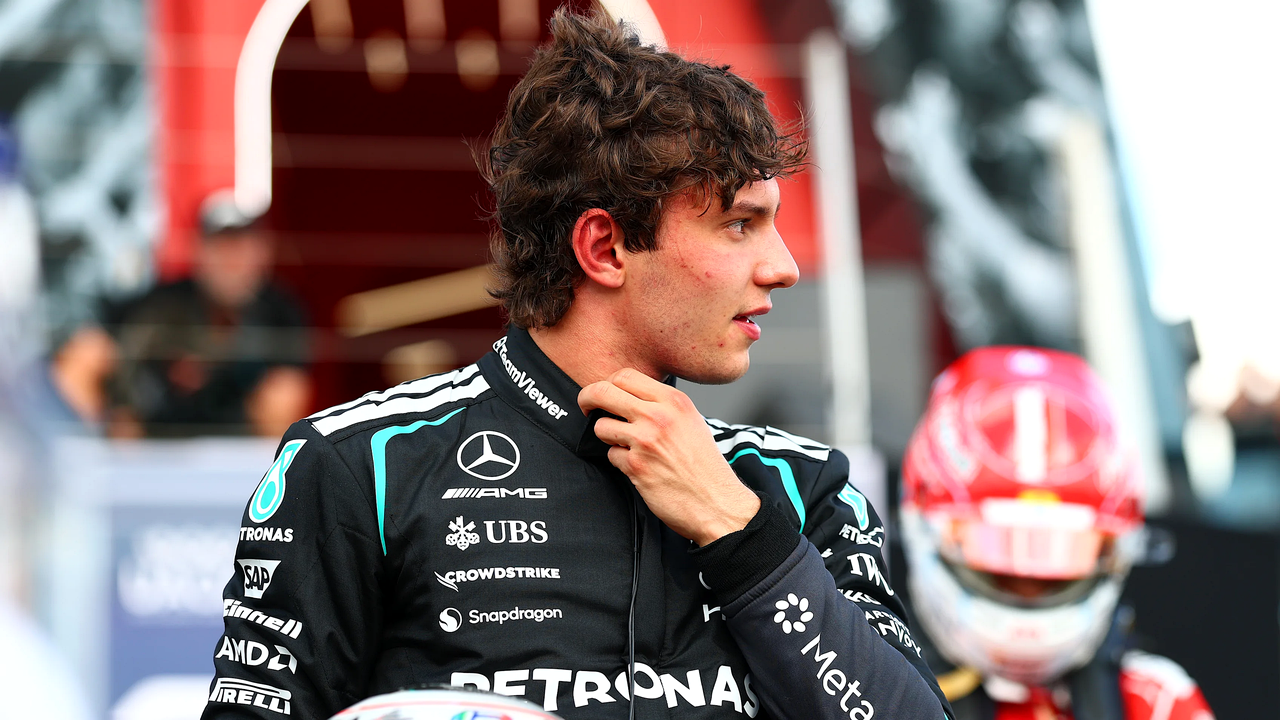
Norris has already had a weekend shaped by damage and car feel, so the race must give him information he can trust. If the balance is stable, he can judge whether to attack or extend. If the car changes from lap to lap, McLaren will be forced into late calls and the race will drift toward limitation rather than opportunity.
That matters because the British crowd will naturally expect movement. The fastest way to lose a strategic race is to chase every home cheer with a risky move. Norris needs to build the stint first, then choose the moment. Silverstone rewards commitment, but it punishes impatience when the tyres are already under load.
| Key point | Reading |
|---|---|
| McLaren task | Turn imperfect starting positions into controlled race progress. |
| Norris need | Stable balance and patient first-stint decisions. |
| Piastri path | Tyre offset could be more valuable than early risk. |
| Weekend value | Leave Silverstone with clear pace evidence, not another mixed sample. |
Piastri can make the quiet path dangerous
Piastri’s value may be in the quieter path. If he preserves tyre life and stays close enough to the cars ahead, McLaren can use him to open a window rather than mirror the front. That could be more useful than a risky early pass, especially if the hard tyre becomes the race’s central tool.
The Australian has often been effective when the race needs tidy execution rather than noise. Silverstone gives him a chance to turn that into pressure. If Ferrari and Mercedes focus on each other, a McLaren with tyre offset can arrive late enough to make the final stint uncomfortable.
What a good McLaren day looks like
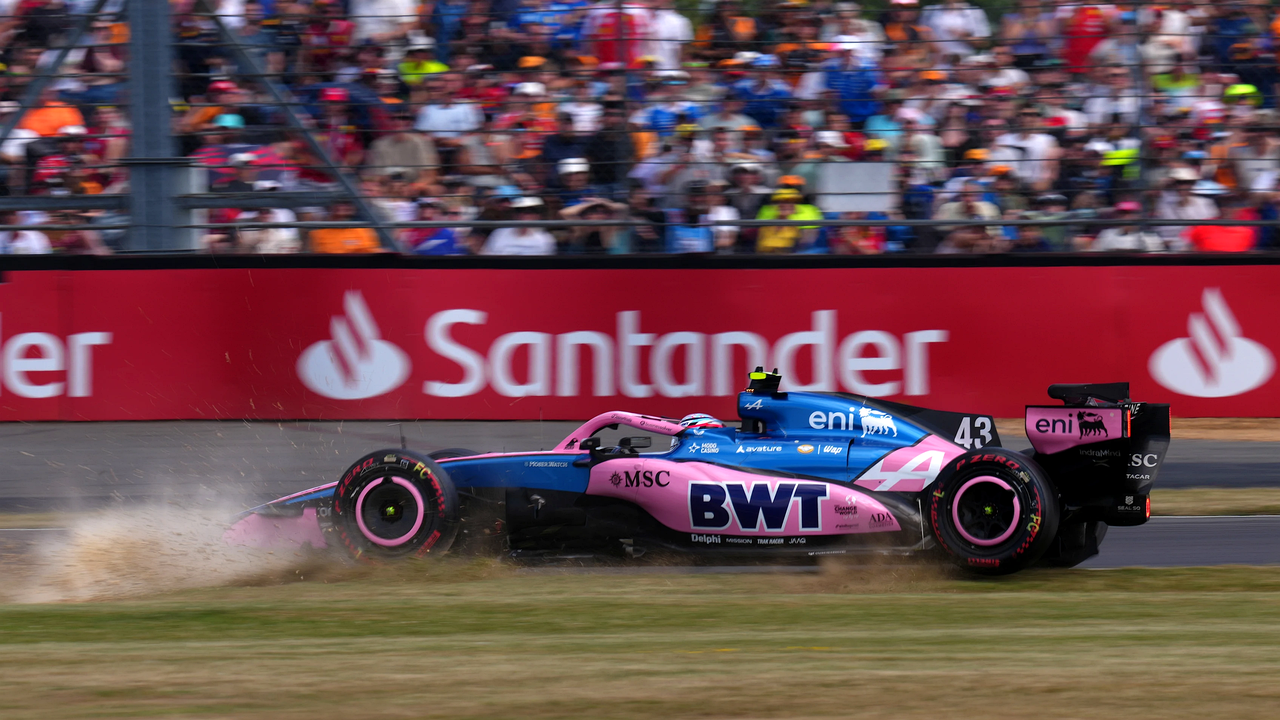
A good McLaren day does not have to be a win. It has to be a race where the car’s pace is not hidden by traffic and the team leaves with cleaner answers than it had on Saturday. If Norris and Piastri both make progress without burning through tyre life, the weekend becomes a useful recovery rather than a warning.
The worst outcome is another unclear sample: one driver stuck, one driver improvising, and the team unsure whether the car, the traffic or the execution did the most damage. McLaren has enough performance to avoid that. The British Grand Prix will show whether it also has the calm to use it.
McLaren must turn recovery into a measured race, not a chase
McLaren’s weekend now depends on whether the team can separate urgency from impatience. A recovery race at Silverstone can look tempting because the circuit gives fast cars space to breathe, but the same corners also punish drivers who slide behind traffic. The first target is not a highlight pass. It is getting into clean enough air that the car’s strengths actually appear.
The tactical problem is traffic quality. Passing a slower car at Silverstone is one thing; catching a train of cars all using DRS is another. McLaren have to judge whether an early stop frees their driver or only drops him into another group. That decision can define whether the race becomes a climb or a sideways shuffle.
There is also a championship tone to the day. A difficult Saturday does not have to become a lost weekend if McLaren collect points without creating extra tyre stress or contact risk. The team have been strong enough in 2026 that a repair job should still look disciplined, not desperate.
The useful benchmark is simple: leave Silverstone with evidence that the race car still has authority. If McLaren finish by explaining only what went wrong, the weekend stays stuck in recovery language. If they move forward through clean pace and sensible calls, Sunday becomes a reminder that qualifying damage does not have to control the whole story.

No Comments