
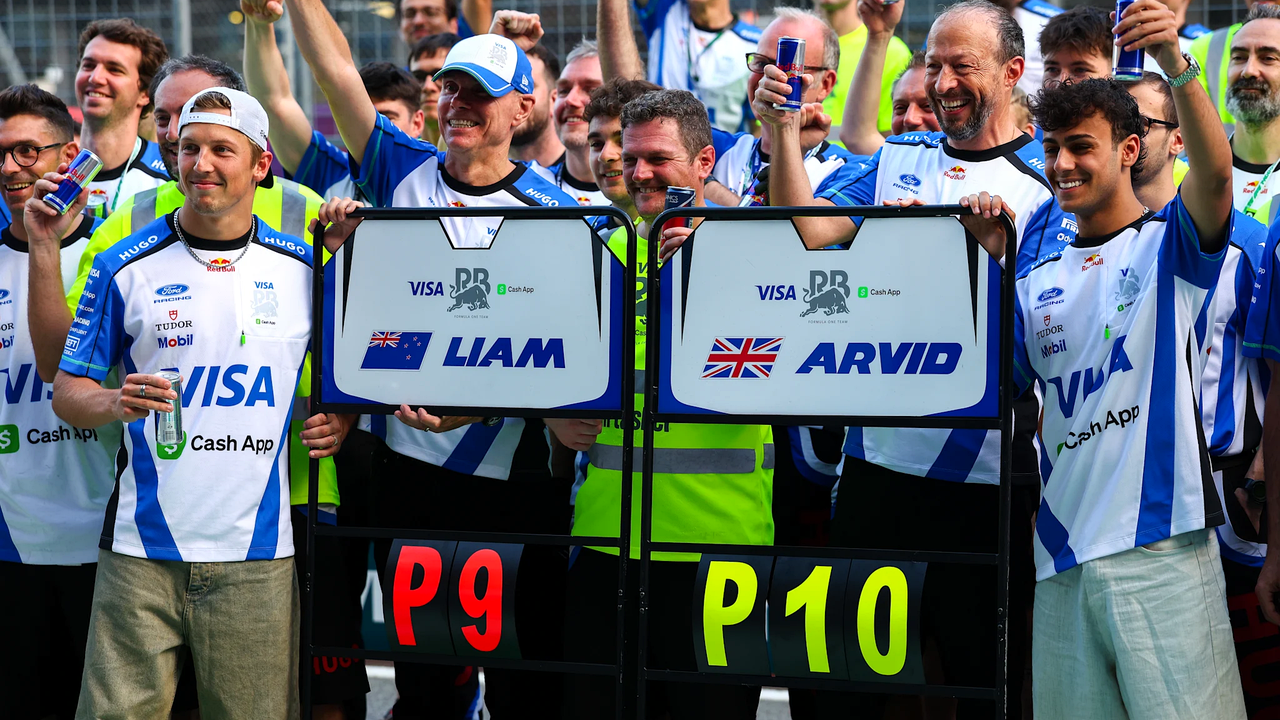
A third consecutive double-points finish has made Racing Bulls one of the most consistent midfield stories of 2026, with Liam Lawson and Arvid Lindblad now demanding more attention.
Consistency has become the strongest argument
Racing Bulls are easy to underrate because their best weekends do not usually threaten the podium. Austria showed why that habit is becoming lazy. Lawson and Lindblad delivered another double-points finish, and three in a row changes the language around a team. A one-off result can be explained by safety cars or attrition. A run asks rivals to respond.
The constructors’ table now gives the story weight. Sixth place is not glamorous, but it matters financially and technically. Cutting Alpine’s advantage to 13 points means Racing Bulls have made the midfield fight less theoretical. They are scoring when the car is capable and avoiding the sort of wasted Sundays that leave smaller teams regretting missed opportunities.
Lawson’s season is starting to look settled
Lawson’s career path has not been smooth, which makes his current rhythm more interesting. He has often had to prove himself in fragments: substitute drives, uncertain futures, sudden pressure. The recent points run suggests a driver now building an argument through calm weekends rather than one dramatic performance.
Austria was a good example. An early brake scare could have distracted the race, but Lawson kept the car in the scoring fight and then converted the available pace. That is the type of day midfield teams value. It may not produce a headline interview, but it keeps the points column moving and gives engineers a stable reference.
| Key point | Reading |
|---|---|
| Run of form | Racing Bulls scored double points for the third straight race in Austria. |
| Constructors’ picture | The team consolidated sixth and cut the gap to Alpine to 13 points. |
| Driver profile | Lawson brings calmer race craft while Lindblad keeps turning rookie weekends into points. |
| Silverstone angle | Lindblad’s home event now arrives with momentum instead of only curiosity. |
Lindblad’s rookie value is already practical
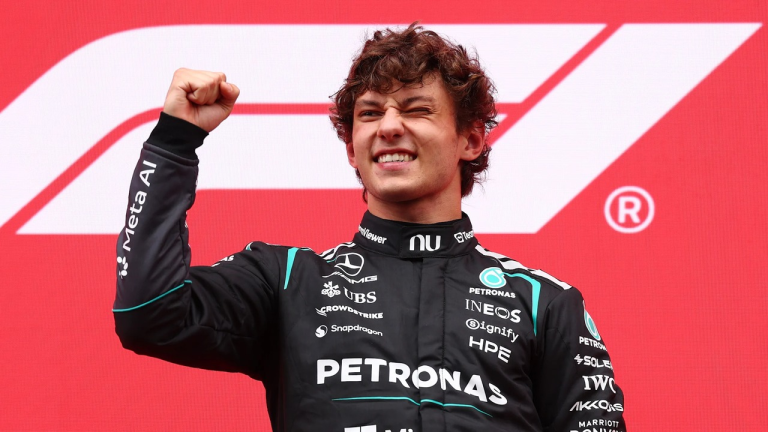
Lindblad’s point mattered because it was not only a personal milestone. It made Racing Bulls’ result a team result. The young driver had moments where he pressed Lawson, then still accepted the shape of the race after the undercut worked against him. That combination of ambition and control is exactly what a rookie needs if he is going to become more than a development project.
Silverstone now arrives with a different feeling. A home race can bury a young driver under attention, but Lindblad will travel there with evidence that he belongs in the scoring conversation. That does not remove pressure; it gives him something firmer to lean on when the weekend noise rises.
Why the car has started to look trustworthy
The Racing Bulls package appears to have enough range to compete at different circuit types, which is more valuable than a single strong trait. If a midfield car only works in narrow conditions, points come in clusters and disappear for weeks. The recent run suggests the team have found a broader operating window.
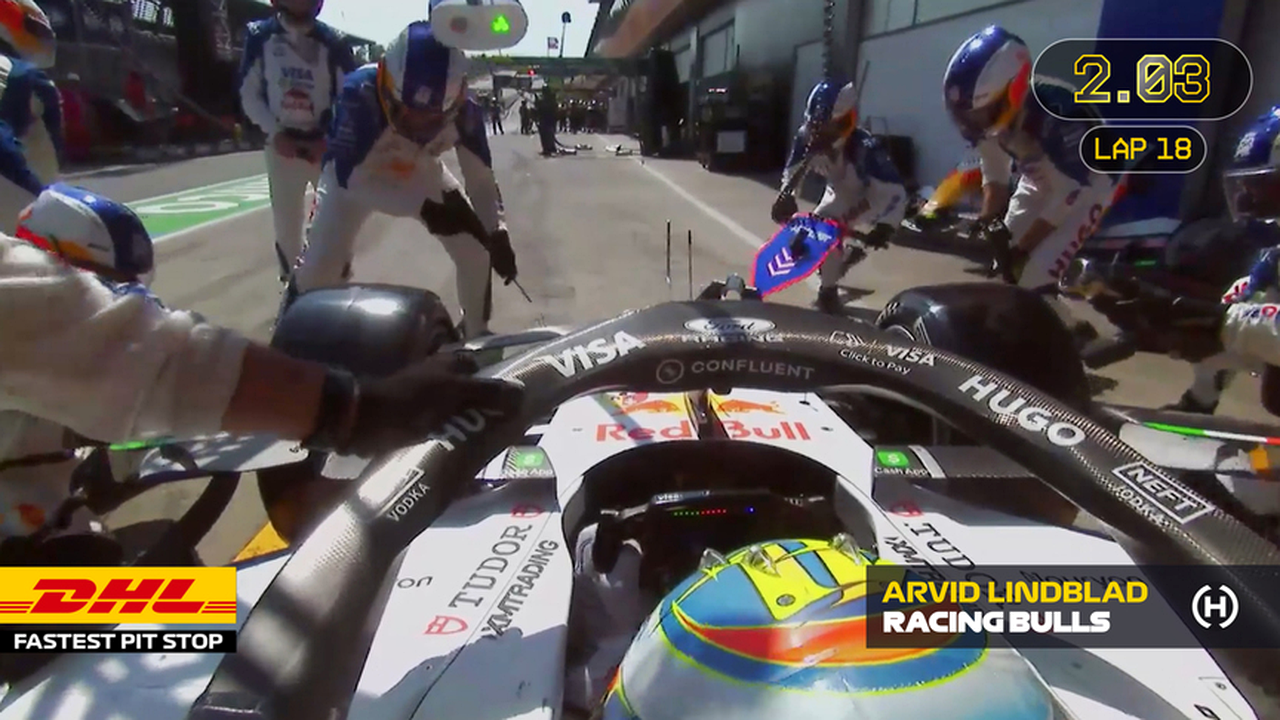
That does not make them immune to track-specific setbacks. Silverstone’s fast corners and tyre loads will ask a different question from Spielberg. But the pattern has moved beyond hope. The team now expect to fight the lower top ten, and that expectation changes strategy calls, qualifying risk and how aggressively they defend against teams with bigger names.
The background story is no longer background
The top four teams will continue to dominate the broadcast, and that is understandable. What Racing Bulls are doing is subtler: collecting points with two drivers at different career stages and turning the midfield from a scramble into a structured chase. That deserves attention because it can decide real money, future seats and technical confidence.
Lawson and Lindblad do not need to become a sensation for this to matter. They need to keep making ordinary weekends productive. Austria suggested they can. Silverstone will show whether the run is now strong enough to travel under a brighter spotlight.
A scoring run that changes expectations
Racing Bulls’ current run matters because midfield progress usually collapses when two cars do not contribute together. One driver scoring can be dismissed as circumstance; two drivers appearing in the fight for three straight weekends changes the constructors’ picture. Lawson brings race-day hardness and enough experience to manage pressure, while Lindblad gives the team a rookie reference that is already producing usable points. That combination makes the garage feel more deliberate.
The Austria result also changes how rivals must race them. Alpine, Haas, Audi and Williams cannot assume Racing Bulls will fade after qualifying or lose the strategic thread in the second stint. A team that can score with both cars forces others to cover pit windows, defend track position earlier and treat its tyre plans seriously. The points total may still be modest compared with the front, but the tactical footprint is larger than the number suggests.
Lawson’s value is not only the finish. He has had to rebuild momentum after a difficult career stretch, and weekends like Austria give him evidence that he can lead a midfield project rather than merely survive it. Lindblad’s value is different. He is shrinking the adaptation period that usually protects rookies from harsh judgment. When a young driver reaches the points quickly, the team’s internal bar rises with him.
Silverstone will be the next credibility test because the circuit is less forgiving of balance weakness and exposes whether a car can hold speed through long loaded corners. If Racing Bulls stay in the mix there, their double-points sequence becomes a real development trend. If they fall back, Austria still gave them a useful haul. Either way, the team are no longer background decoration in the midfield story.
Related context: Racing Bulls’ double-points run and Austria’s hidden moments.
No Comments