
Lando Norris believes he is driving better than during the first half of his 2025 title season. The McLaren driver reached that view after reviewing eleven races under Formula 1’s new regulations.
His personal assessment differs from the championship table. Norris is fifth in the standings, while McLaren holds third place among the teams. A recent win in Hungary showed stronger form before the break.
Better execution has not produced the same position
Norris said he has regularly extracted the available performance from the current McLaren. He is satisfied with his decisions and the standard of his driving.
The results have been smaller than one year earlier. Mercedes and Ferrari collected most victories during the opening part of the season.
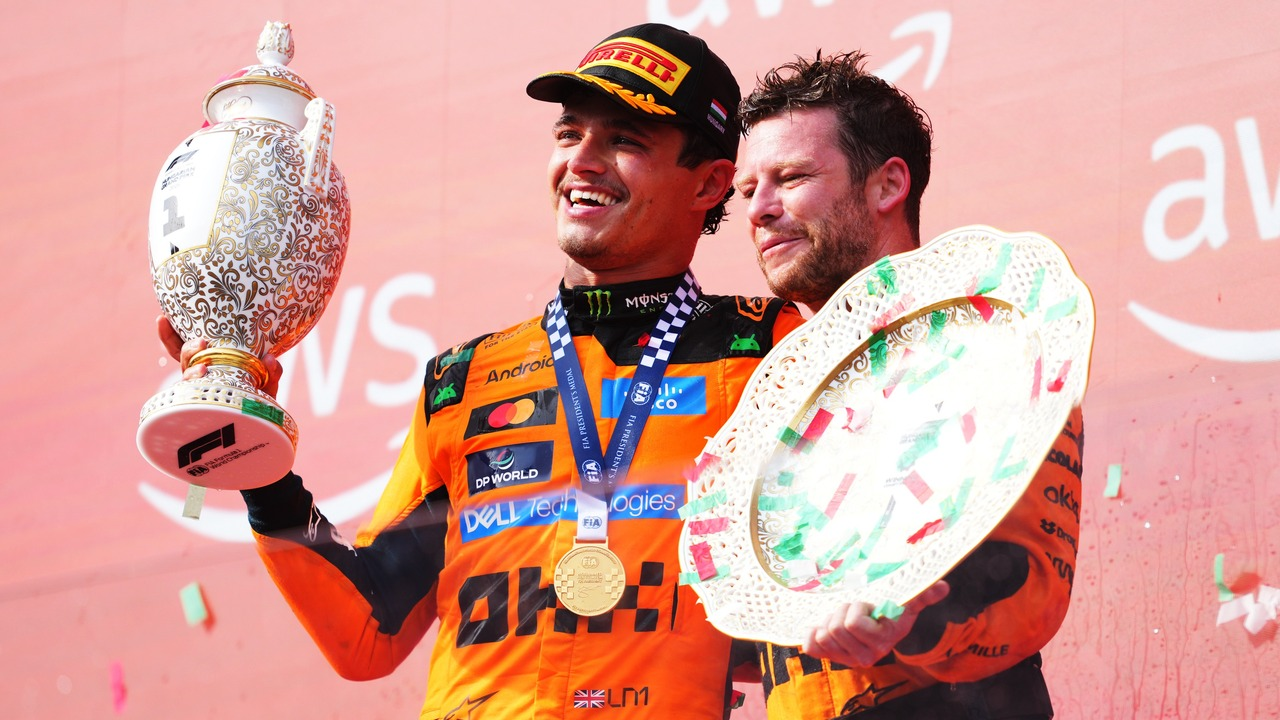
McLaren did not win until the Hungarian Grand Prix. Norris converted pole position into victory after the team introduced an important upgrade package.
That result gave him a useful comparison between his own work and the car’s development. He felt the driving level had remained high before the upgrade arrived.
Norris has 128 championship points. Leader Kimi Antonelli has 219, leaving a large gap despite McLaren’s improved weekend in Budapest.
The difference separates personal performance from final classification. A driver may deliver a clean race without having machinery capable of winning it.
Norris won his first world title in 2025 after a difficult opening period. Several qualifying mistakes cost strong starting positions during that campaign.
He also collided with teammate Oscar Piastri during the first half. Norris later recovered and defeated Piastri and Max Verstappen in the title contest.
That experience changed how he judges individual weekends. One result now carries less weight than the quality of decisions across several races.
Norris sees fewer personal errors in the current season. He also believes his race execution has become more consistent under changing conditions.
The new technical rules altered the competitive order. McLaren began the year further from the front than it had finished the previous campaign.
Norris did not use that fact to excuse every result. He separated areas controlled by the driver from areas connected with the car.
Hungary provided evidence that the upgrades worked
McLaren brought a stronger package to the Hungaroring. Norris immediately placed the car on pole and controlled the race well enough to win.
The victory was the team’s first of 2026. It arrived at the final event before Formula 1 entered its scheduled summer shutdown.
Norris described the result as a product of sustained factory work. The upgrade improved weaknesses that had limited the car at earlier tracks.
McLaren now has 220 points in the teams’ standings. Mercedes leads with 379, so one victory did not remove the larger deficit.
The Budapest result still changed the evidence available to the team. Engineers saw that the revised package could support pole position and race pace.
Norris also avoided making broad promises after the win. He noted that several circuits may still expose areas where the car remains less competitive.
Norris said he learned to reduce expectations about future results. His preferred approach is to concentrate on the current car and the next available improvement.
That outlook helped during the difficult start to 2025. It also fits a season where regulation changes produced large differences between teams.
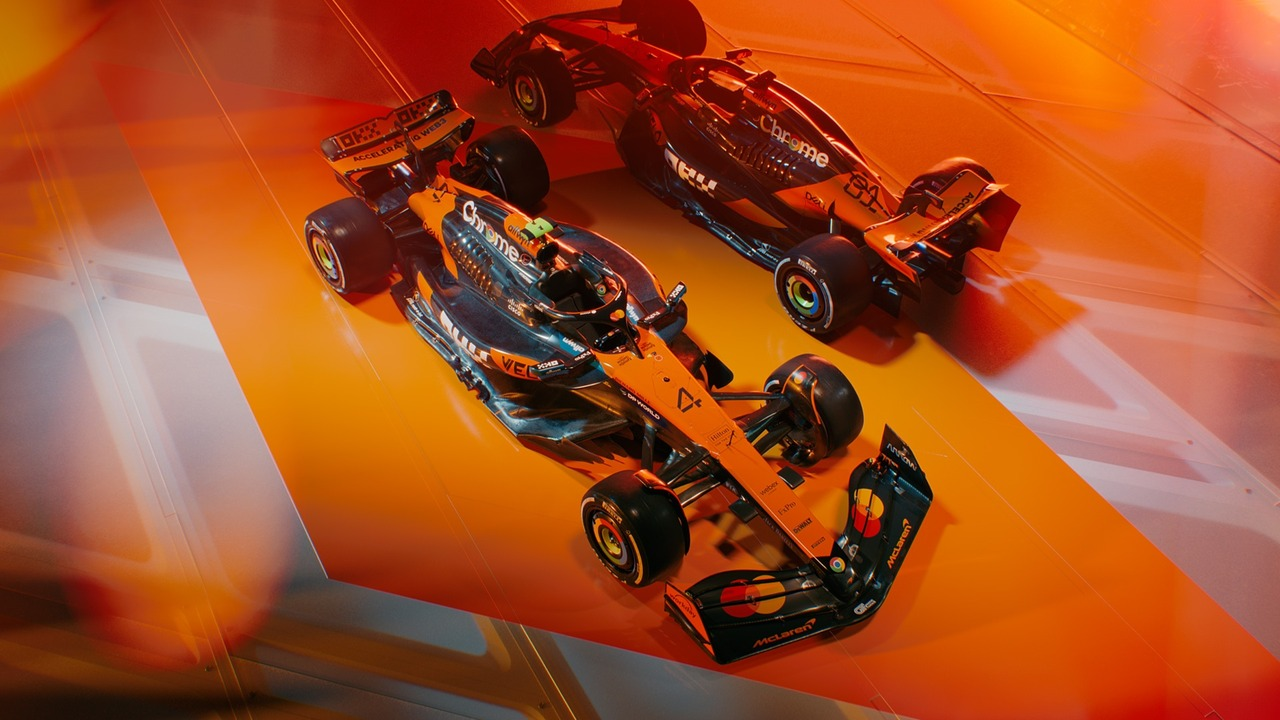
McLaren has started to receive a return from recent development. Further progress will be judged through qualifying pace, tyre use and race results.
Norris remains confident in the staff around him. His confidence rests on the completed upgrade and Hungary victory, not an assumed recovery.
The driver still wants more chances to convert his present form into wins. He also accepts that Ferrari and Mercedes have a stronger points base.
Norris rates his driving above last year’s level. He also says McLaren is below its title-winning standard.
Norris separated personal form from the championship numbers
Norris did not use his 2025 title as the only measure of performance. He compared decisions, consistency and control across the opening races.
The distinction matters because the two seasons began under different rules. The 2026 cars changed braking, energy use and the timing of overtaking moves.
McLaren also spent the opening months improving its package. Norris judged his own work while the car changed during the first half.
Victory in Hungary supplied a completed result before the break. It followed the team’s upgrades and gave Norris a recent reference for his assessment.
Fifth place still defines the remaining gap. His assessment rests on cleaner decisions, stronger consistency and the completed Hungary victory.
No Comments