
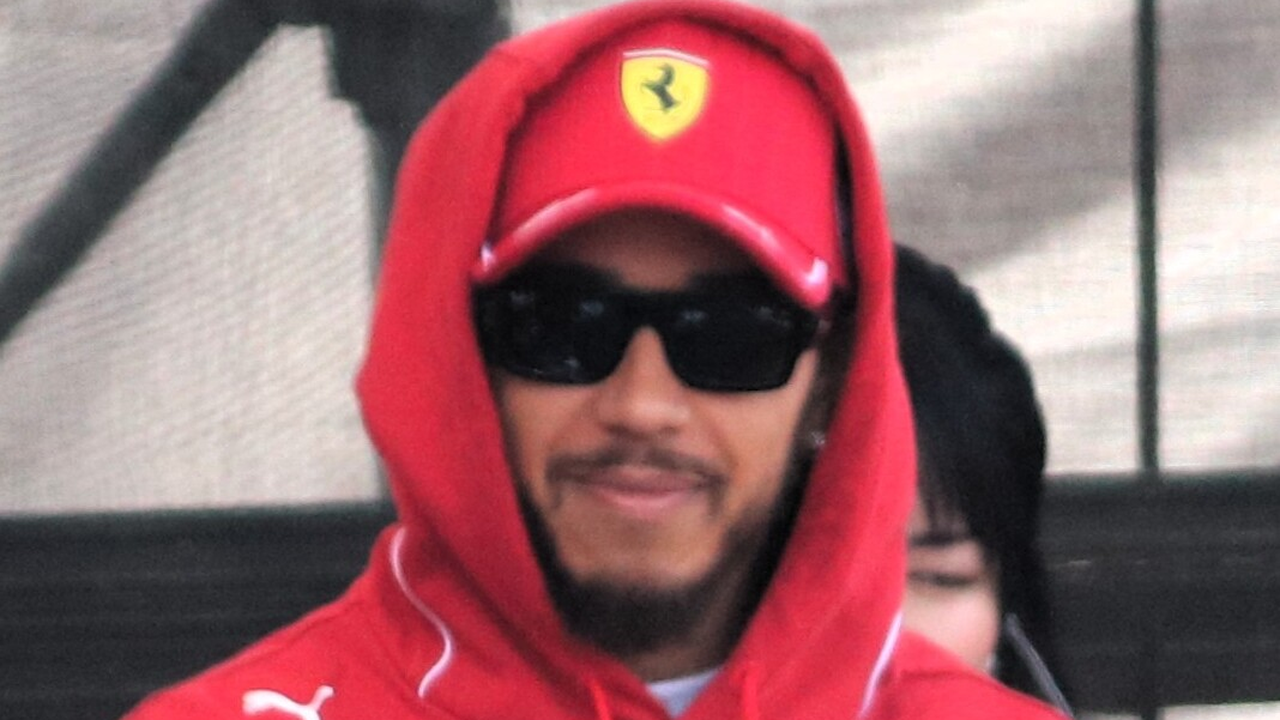
Φανταστείτε την κούρσα καθώς έσβηναν τα φώτα τον Μάρτιο, και λίγοι θα φαντάζονταν την αντιπαλότητα που τώρα υψώνεται πάνω από όλα τα άλλα. Ένας έφηβος που μόλις έχει τελειώσει το σχολείο κατέχει το προβάδισμα στο πρωτάθλημα. Τον κυνηγάει ένας άντρας που άρχισε να αγωνίζεται πριν γεννηθεί αυτός ο έφηβος. Τα ονόματά τους βρίσκονται πρώτο και δεύτερο καθώς το τσίρκο κυλάει προς τους λόφους της Στυρίας.
Κανένας οδηγός δεν έχει βρεθεί ποτέ μπροστά σε μια κούρσα τίτλου της Formula 1 τόσο νέος. Ο Αντρέα Κίμι Αντονέλι, δεκαεννέα ετών και επτά μηνών, κατέχει αυτή τη διάκριση απλώς και μόνο επειδή βρίσκεται μπροστά. Η πορεία του Λιούις Χάμιλτον δύσκολα θα μπορούσε να μοιάζει λιγότερο με αυτή: ένας βετεράνος που επιτέλους αποσπά ανταμοιβή από το ρίσκο που καθόρισε τα τελευταία χρόνια της καριέρας του.
Πώς η Μπαρτσελόνα ξαναέγραψε την βαθμολογία
Η Ισπανία χάρισε στον Χάμιλτον την πρώτη του νίκη με τα χρώματα της Ferrari, χάρη σε ένα πλάνο τριών αλλαγών, με τους τελευταίους γύρους να είναι προσεκτικά διαχειριζόμενοι και ένα προβάδισμα περίπου είκοσι δευτερολέπτων στη σημαία. Είναι σαράντα ένα ετών, γεγονός που τον καθιστά τον γηραιότερο οδηγό που κατακτά ένα Γκραν Πρι από τον Τζακ Μπράμπαμ το 1970 - μια γραμμή στο βιβλίο των ρεκόρ που αποτυπώνει τόσο την επιμονή του όσο και την υπομονή που απαιτούσε όλο αυτό το έργο της Ferrari.
Παραλίγο να εξελιχθεί διαφορετικά. Ο Αντονέλι έτρεξε στην κορυφή του γκρουπ στο τέλος της διαδρομής, έτοιμος να διευρύνει το προβάδισμά του, μόνο και μόνο για να τον απογοητεύσει το αυτοκίνητο και να τον αναγκάσει να αποσυρθεί. Η ανταμοιβή του Χάμιλτον, λοιπόν, δεν ήταν μόνο η νίκη αλλά και ο συγχρονισμός της, ένα αποτέλεσμα που ήρθε ακριβώς τη στιγμή που το πρωτάθλημα χρειαζόταν μια δόση δράματος.
Αυτό το μοναδικό μη τερματισμό έδειξε πόσο εύθραυστο μπορεί να είναι ακόμη και ένα υγιές προβάδισμα σε μια μακρά σεζόν. Ο νεαρός φαινόταν γρήγορος και ατάραχος όλη τη χρονιά, αλλά η Μπαρτσελόνα του έδωσε ένα απλό μάθημα: η κατάκτηση της σημαίας και η κατάκτηση της πρώτης θέσης σε έναν αγώνα εξασφάλιζαν τους τίτλους όσο και η απόλυτη ταχύτητα.
Για τον Χάμιλτον, το απόγευμα απάντησε σε μια χορωδία επικριτών. Η αλλαγή ομάδων τόσο βαθιά μέσα σε μια λαμπρή καριέρα προκάλεσε ατελείωτες αμφιβολίες, και η ανταμοιβή έβγαινε στην επιφάνεια με αγωνιώδη αργό ρυθμό. Στεκόμενος στο υψηλότερο σκαλί στην Ισπανία, απάντησε στη μόνη γλώσσα που πραγματικά κατασιγάζει την αμφιβολία, και την τέλεια στιγμή.
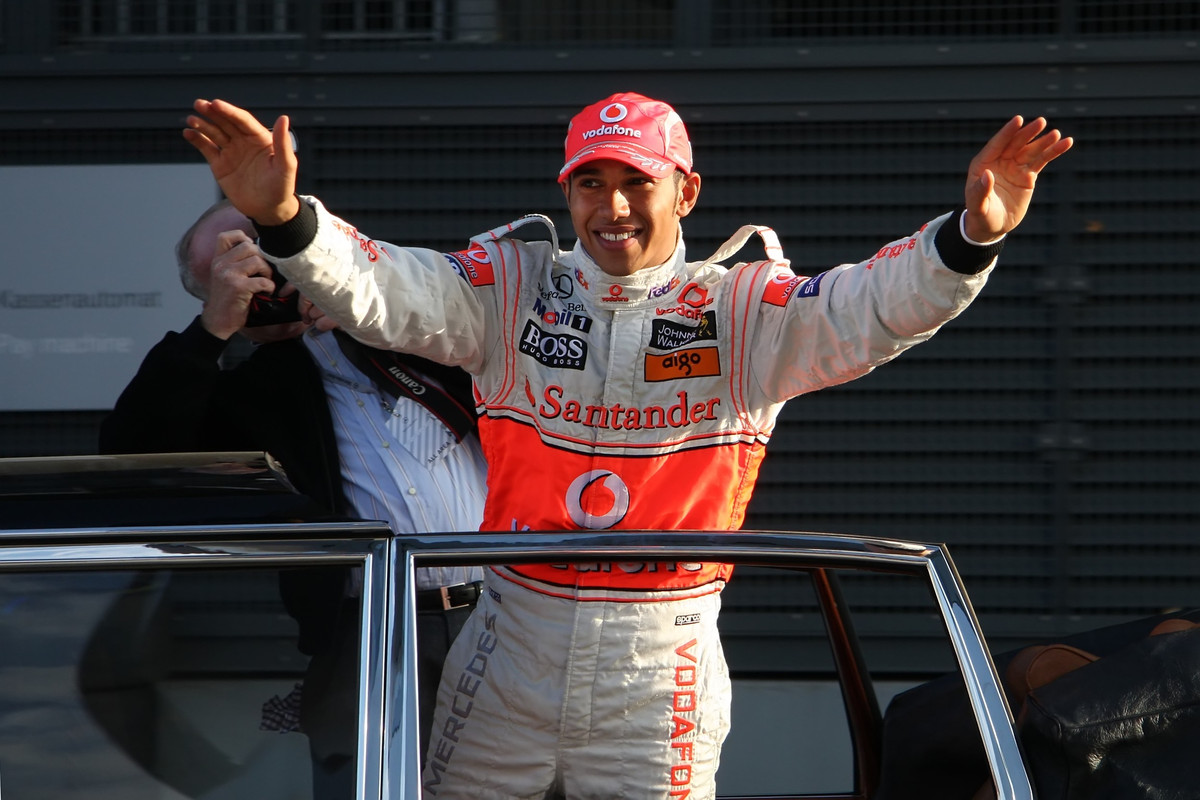
Διαβάζοντας το κενό με την αναμέτρηση που ακολουθεί
Αν μειώσουμε την βαθμολογία, η εικόνα είναι ξεκάθαρη. Ο πρωτοπόρος έχει 156 πόντους. Ο διώκτης του έχει συγκεντρώσει 115. Η διαφορά, λοιπόν, είναι σαράντα ένα - και επειδή μια νίκη αξίζει περίπου είκοσι πέντε, αυτό το περιθώριο ισοδυναμεί με λιγότερα από δύο τέλεια απογεύματα. Με τον αυστριακό γύρο να έχει ολοκληρωθεί, εννέα αγώνες παραμένουν σε εκκρεμότητα, γεγονός που αφήνει τη διαφορά σημαντική, αλλά κάθε άλλο παρά ισόπαλη.
Η αριθμητική ευνοεί τον παίκτη που βρίσκεται μπροστά, αλλά πλεονεκτήματα αυτού του μεγέθους σπάνια επιβιώνουν ανέπαφα σε ένα ευρωπαϊκό καλοκαίρι. Η περιγραφή της θέσης εργασίας του Hamilton αναφέρει συνέπεια και όχι ηρωισμό: το να τερματίζει μπροστά από τον νεαρό αντίπαλό του Σαββατοκύριακο με το Σαββατοκύριακο μειώνει το έλλειμμα πολύ πιο αξιόπιστα από το να στοιχηματίζει τα πάντα σε ένα θεαματικό αποτέλεσμα που μπορεί να μην έρθει ποτέ.
Ο ηγέτης αντιμετωπίζει την ίδια ακριβώς αποστολή. Η διατήρηση ενός ακμής απαιτεί ψυχραιμία όταν ένας αντίπαλος στηρίζεται σε εσάς και σαφή κρίση για το πότε ένα βάθρο υπερτερεί μιας απερίσκεπτης προσπάθειας για τη νίκη. Πώς ένας δεκαεννιάχρονος που επωμίζεται αυτή την πίεση μπορεί να διαμορφώσει ολόκληρο το δεύτερο μισό της χρονιάς του.
Τι κουβαλάει μαζί του κάθε άνδρας στο Red Bull Ring
Ο αυστριακός γύρος είναι σύντομος και μαχητικός, δίνοντας έμφαση στην πρόσφυση στις αργές στροφές και στο απαλό άγγιγμα των φρένων. Τείνει να προκαλεί ατέλειες τροχό με τροχό και ένα ευρύ φάσμα στρατηγικών, ένα έδαφος που ταιριάζει σε έναν τολμηρό επιτιθέμενο τόσο εύκολα όσο και σε έναν υπομονετικό συσσωρευτή βαθμών.
Ο Χάμιλτον γνωρίζει πολύ καλά αυτόν τον χώρο, και η ισπανική του εμφάνιση υποδηλώνει ότι η αίσθηση που έχει για τη Ferrari οξύνεται με κάθε εμφάνιση. Ο Αντονέλι, από την πλευρά του, έχει ήδη κατακτήσει πέντε φορές τον τίτλο φέτος, μια επιστροφή που προδίδει μια ψυχραιμία που προκαλεί έκπληξη σε κάποιον που δεν έχει ακόμη ολοκληρώσει την εφηβεία του.
Πέντε νίκες πριν από τα εικοστά γενέθλια δείχνουν ότι το προβάδισμα δεν βασίζεται στην τύχη ή στο ότι οι αντίπαλοι σκοντάφτουν, αλλά σε μια ταχύτητα που ο νεαρός μπορεί να επικαλεστεί κατά βούληση. Για να την εξαλείψει, ο Χάμιλτον πρέπει να ξεπεράσει κάτι περισσότερο από ένα γρήγορο αυτοκίνητο. Πρέπει να ξεπεράσει έναν οδηγό που μετατρέπει συνεχώς αποσπάσματα ευκαιριών σε νίκες.
Η ευρύτερη άποψη: Η Mercedes επικεφαλής των κατασκευαστών
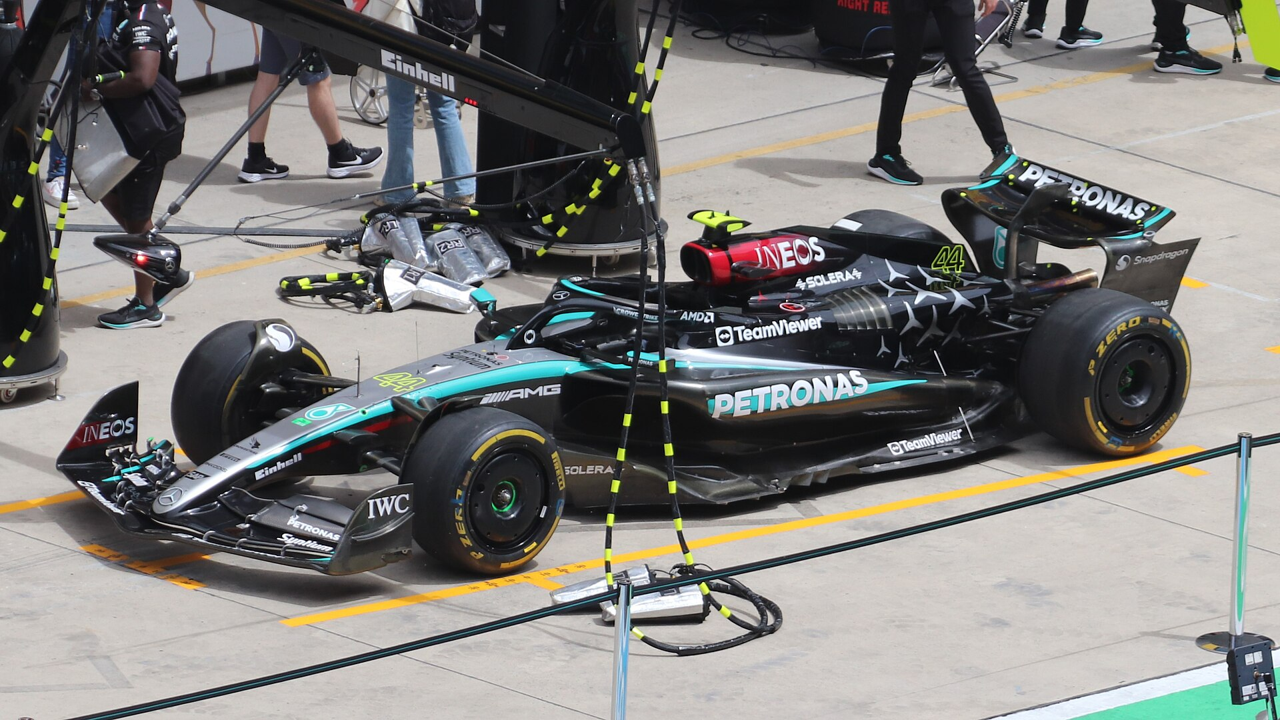
Η μονομαχία των οδηγών τραβάει τα φώτα της δημοσιότητας, ωστόσο η Mercedes βρίσκεται στην κορυφή του πίνακα των κατασκευαστών, μια κατάταξη που αντικατοπτρίζει τα μηχανήματα που προωθούν την ορμή του νεαρού ηγέτη της. Αν παντρέψουμε ένα κυρίαρχο αυτοκίνητο με ένα ταλέντο γενιάς, το μείγμα γίνεται ισχυρό, ο συνδυασμός που η ομάδα θα λαχταρά να κερδίσει και τους δύο τίτλους.
Η Ferrari, αντίθετα, εναποθέτει τις ελπίδες της στην καθυστερημένη άνοδο του Hamilton. Η νίκη της Ισπανίας μοιάζει λιγότερο με μεμονωμένη νίκη και περισσότερο με μια δήλωση ότι η ομάδα μπορεί να αποδώσει καρπούς μόλις όλα μπουν στη θέση τους. Η Αυστρία προσφέρει ένα νέο μέτρο για το αν εκείνη η ημέρα σηματοδότησε ένα πραγματικό σημείο καμπής ή αποτελεί μια μοναχική κορυφή.
Αυτή η αναμέτρηση χρωματίζει κάθε τακτική απόφαση. Η Mercedes μπορεί να παίξει τα ποσοστά με τον οδηγό να προηγείται στην κούρσα των οδηγών, ενώ η Ferrari μπορεί να χρειαστεί να ρίξει τα ζάρια με μεγαλύτερη τόλμη για να κρατήσει τον Hamilton σε απόσταση αναπνοής.
Συχνές ερωτήσεις
Ποια είναι η διαφορά βαθμών μεταξύ του Αντονέλι και του Χάμιλτον πριν από την Αυστρία;
Μετά τον έβδομο γύρο στη Βαρκελώνη, ο νεαρός Ιταλός βρίσκεται στην κορυφή του βαθμολογικού πίνακα με 156 βαθμούς, ενώ ο Χάμιλτον βρίσκεται στη δεύτερη θέση με 115, αφήνοντας σαράντα έναν βαθμούς μπροστά τους πριν από την ημερομηνία της 28ης Ιουνίου στο Red Bull Ring. Με εννέα γύρους να απομένουν, ο τίτλος είναι διεκδικητής όλων.
Γιατί η νίκη του Χάμιλτον στην Μπαρτσελόνα είναι ιστορικά αξιοσημείωτη;
Σηματοδότησε την πρώτη του νίκη με την κόκκινη Ferrari, και στα σαράντα ένα του χρόνια έγινε ο γηραιότερος νικητής Grand Prix από τον Jack Brabham το 1970. Σφράγισε την επιτυχία με μια στρατηγική τριών αλλαγών, διασχίζοντας τη γραμμή τερματισμού περίπου είκοσι δευτερόλεπτα μπροστά από την ομάδα που τον ακολουθούσε.
Είναι ασφαλές το προβάδισμα 41 βαθμών με εννέα γύρους να απομένουν μετά την Αυστρία;
Δύσκολα. Μια νίκη αξίζει περίπου είκοσι πέντε βαθμούς, επομένως σαράντα ένας είναι υγιείς αλλά πολύ λιγότεροι από σίγουρες, λιγότερο από δύο καθαρές νίκες. Το αν το προβάδισμα θα διατηρηθεί ή θα εξαφανιστεί θα εξαρτηθεί από την αξιοπιστία και τη σταθερή βαθμολογία στους επόμενους γύρους.

Χωρίς σχόλια