
Ο Antonelli ηγείται της Mercedes One-Two καθώς το FP1 της Αυστρίας ξεκινά με μια δήλωση
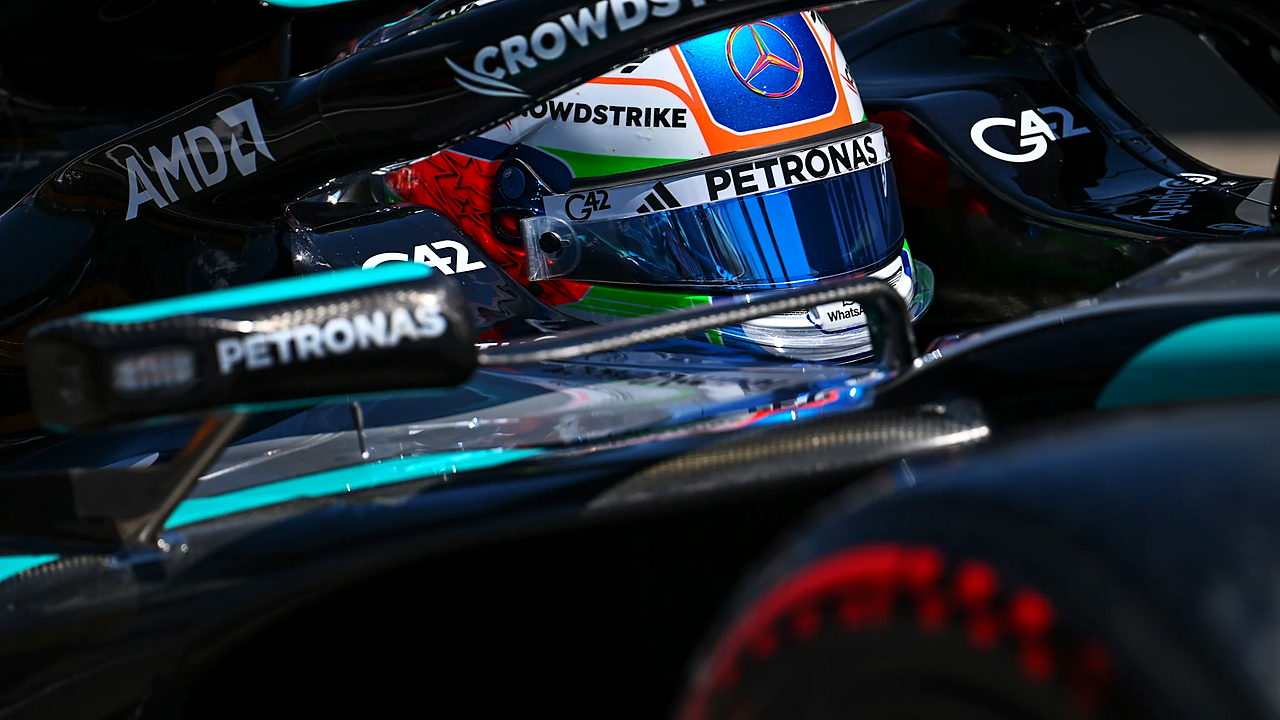
Ο Κίμι Αντονέλι έβαλε την Mercedes στην κορυφή στην πρώτη δοκιμαστική περίοδο στο Red Bull Ring, δίνοντας στο αυστριακό Σαββατοκύριακο μια άμεση αγωνιστική πινελιά.
Ο George Russell ακολούθησε στη δεύτερη θέση και ο Oscar Piastri στην τρίτη, αφήνοντας τη Mercedes με το πιο ξεκάθαρο αρχικό σημείο αναφοράς πριν οι υπόλοιποι οδηγήσουν στο FP2.
Τι άλλαξε
Ο Αντονέλι σημείωσε τον ταχύτερο χρόνο στο FP1 στο Αυστριακό Γκραν Πρι.
Ο Russell ολοκλήρωσε ένα 1-2 της Mercedes στην πρώτη περίοδο.
Ο Piastri τοποθέτησε τη McLaren μέσα στις τρεις πρώτες θέσεις και διατήρησε τη σύγκριση κοντά.
Ο σύντομος γύρος του Red Bull Ring κάνει τα μικρά κενά πιο σημαντικά από ό,τι φαίνονται.
Πού βρίσκεται η πίεση
Η Mercedes χρειαζόταν μια καθαρή Παρασκευή, αφού η Μπαρτσελόνα αύξησε την πίεση στο πακέτο της.
Το αποτέλεσμα της πρώτης δοκιμαστικής περιόδου δεν καθορίζει το Σαββατοκύριακο, αλλά θέτει τη βάση για τις επιλογές ελαστικών και ζυγοστάθμισης.
Ο ρυθμός του Antonelli έχει σημασία επειδή η φωτογραφία του τίτλου ήδη περιέχει πίεση σε κάθε τρέξιμο της Παρασκευής.
Η δεύτερη θέση του Russell δίνει στη Mercedes ένα σημείο αναφοράς δύο αυτοκινήτων αντί για έναν μεμονωμένο γύρο.
Βασικές λεπτομέρειες
| Περιοχή | Λεπτομέρεια |
|---|---|
| Συνεδρία | Αυστρία 1ο Πρωτάθλημα Πλατφόρμας |
| γρηγορότερος | Κύμη Αντονέλλη |
| Σήμα ομάδας | Mercedes ένα-δύο |
| Επόμενος έλεγχος | Μακροπρόθεσμος ρυθμός στο FP2 |
Τι θα ακολουθήσει
Η McLaren θα κρίνει το χάσμα μέσω μακροπρόθεσμων δεδομένων όσο και μέσω της οθόνης χρονισμού του πρωταθλήματος.
Η κίνηση στους δρόμους μπορεί να παραμορφώσει το Red Bull Ring περισσότερο από τις μεγαλύτερες πίστες, επειδή είναι πιο δύσκολο να βρεθεί καθαρός αέρας.
Ο πρώτος τομέας ανταμείβει την πρόσφυση και την αυτοπεποίθηση κατά το φρενάρισμα.
Ο τελευταίος τομέας μπορεί να τιμωρήσει ένα αυτοκίνητο που γλιστράει υπερβολικά στις γρήγορες αλλαγές κατεύθυνσης.
Η ευρύτερη ανταγωνιστική έννοια
Η ερμηνεία του paddock παραμένει συγκεκριμένη: Ο Antonelli σημείωσε τον ταχύτερο χρόνο στο FP1 στο Grand Prix της Αυστρίας. Αυτό το επίπεδο ενισχύεται από ένα γεγονός: Το αποτέλεσμα των πρώτων δοκιμών δεν καθορίζει το Σαββατοκύριακο, αλλά θέτει τη βάση για τις επιλογές ελαστικών και ζυγοστάθμισης. Ένα δεύτερο σημείο έχει σημασία για το FP1 της Αυστρίας: Η κυκλοφορία μπορεί να παραμορφώσει το Red Bull Ring περισσότερο από τις μεγαλύτερες πίστες, επειδή είναι πιο δύσκολο να βρεθεί καθαρός αέρας. Αυτό κρατά την επόμενη φάση συνδεδεμένη με στοιχεία και όχι με θόρυβο για το FP1 της Αυστρίας. Το αποτέλεσμα των πρώτων δοκιμών δεν καθορίζει το Σαββατοκύριακο, αλλά θέτει τη βάση για τις επιλογές ελαστικών και ζυγοστάθμισης.
Σε έναν σύντομο γύρο στο Red Bull Ring, το πρακτικό ζήτημα είναι ξεκάθαρο: Ο Russell ολοκλήρωσε ένα one-two της Mercedes στην πρώτη περίοδο. Το ίδιο ζήτημα γίνεται πιο ξεκάθαρο μέσα από μια άλλη λεπτομέρεια: ο ρυθμός του Antonelli έχει σημασία επειδή η εικόνα του πρωταθλητή περιέχει ήδη πίεση σε κάθε αγώνα της Παρασκευής. Ένα δεύτερο σημείο έχει σημασία για τον Kimi Antonelli: Ο πρώτος τομέας ανταμείβει την πρόσφυση και την αυτοπεποίθηση στο φρενάρισμα. Αυτή είναι η διαφορά μεταξύ ενός χρήσιμου σήματος και μιας χαλαρής ανάγνωσης της ορμής για τον Kimi Antonelli. Ο ρυθμός του Antonelli έχει σημασία επειδή η εικόνα του πρωταθλητή περιέχει ήδη πίεση σε κάθε αγώνα της Παρασκευής.
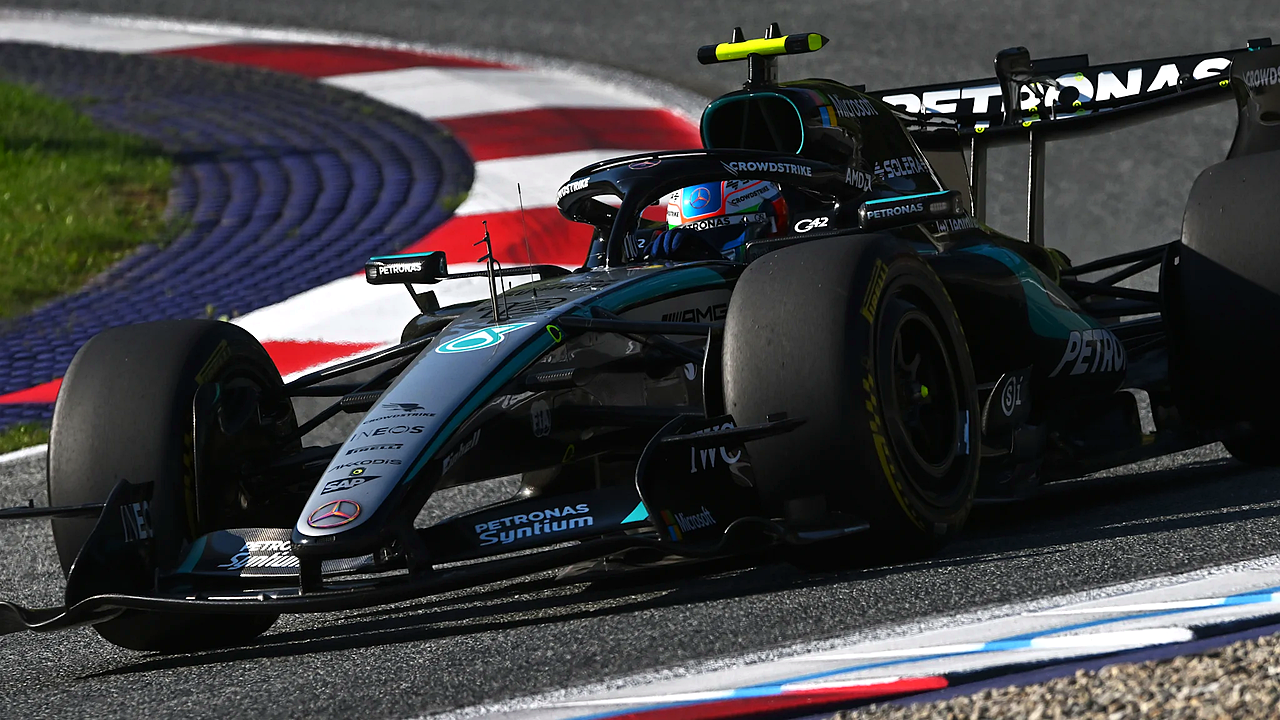
Η οθόνη χρονομέτρησης έχει σημασία επειδή: Ο Piastri τοποθέτησε τη McLaren μέσα στις τρεις πρώτες θέσεις και διατήρησε τη σύγκριση κοντά. Η πίεση είναι ορατή σε ένα απλό απόσπασμα: η δεύτερη θέση του Russell δίνει στη Mercedes μια αναφορά δύο αυτοκινήτων αντί για έναν μεμονωμένο γύρο. Ένα δεύτερο σημείο έχει σημασία για το 1-2 της Mercedes: Ο τελευταίος τομέας μπορεί να τιμωρήσει ένα αυτοκίνητο που γλιστράει πολύ στις γρήγορες αλλαγές κατεύθυνσης. Αυτό δίνει στην επόμενη φάση ένα πρακτικό μέτρο αντί για μια αόριστη αίσθηση για το 1-2 της Mercedes. η δεύτερη θέση του Russell δίνει στη Mercedes μια αναφορά δύο αυτοκινήτων αντί για έναν μεμονωμένο γύρο.
Το ερώτημα της προετοιμασίας έχει άμεση συνέπεια: Ο σύντομος γύρος του Red Bull Ring κάνει τα μικρά κενά πιο σημαντικά από ό,τι φαίνονται. Η πρακτική αξία αυξάνεται γύρω από αυτά τα στοιχεία: Η McLaren θα κρίνει το κενό τόσο μέσω μακροπρόθεσμων δεδομένων όσο και μέσω της οθόνης χρονισμού του πρωταθλήματος. Ένα δεύτερο σημείο έχει σημασία για τον μακροπρόθεσμο ρυθμό του FP2: Η Mercedes φεύγει από το FP1 με ενθάρρυνση, αλλά όχι με την απόδειξη ότι ο ρυθμός της Κυριακής έχει λυθεί. Αυτό είναι το μέρος για το οποίο οι αντίπαλοι μπορούν να προετοιμαστούν και οι προπονητές μπορούν να διορθώσουν τον μακροπρόθεσμο ρυθμό του FP2. Η McLaren θα κρίνει το κενό τόσο μέσω μακροπρόθεσμων δεδομένων όσο και μέσω της οθόνης χρονισμού του πρωταθλήματος.
Τελική ανάγνωση
Η ανταγωνιστική αξία βρίσκεται στη λεπτομέρεια: Η Mercedes χρειαζόταν μια καθαρή Παρασκευή, αφού η Βαρκελώνη αύξησε την πίεση στο πακέτο της. Η πιο σημαντική σύγκριση προέρχεται από μια ατάκα: Η κυκλοφορία μπορεί να παραμορφώσει το Red Bull Ring περισσότερο από τις μεγαλύτερες πίστες, επειδή ο καθαρός αέρας είναι πιο δύσκολο να βρεθεί. Ένα δεύτερο σημείο που έχει σημασία για το FP1 της Αυστρίας: Το πιο σημαντικό ερώτημα είναι αν η ισορροπία αντέχει σε θερμότερες συνθήκες πίστας και βαρύτερα καύσιμα. Αυτό κάνει την επόμενη αξιολόγηση να εξαρτάται από την επαναλαμβανόμενη λεπτομέρεια και όχι από τη φήμη του FP1 της Αυστρίας. Η κυκλοφορία μπορεί να παραμορφώσει το Red Bull Ring περισσότερο από τις μεγαλύτερες πίστες, επειδή ο καθαρός αέρας είναι πιο δύσκολο να βρεθεί.
Το επόμενο πλάνο για την κούρσα πρέπει να απαντήσει σε ένα πράγμα: Το αποτέλεσμα της πρώτης δοκιμαστικής περιόδου δεν καθορίζει το Σαββατοκύριακο, αλλά θέτει τη βάση για τις επιλογές ελαστικών και ζυγοστάθμισης. Το προειδοποιητικό σημάδι είναι εύκολο να απομονωθεί: Ο πρώτος τομέας ανταμείβει την πρόσφυση και την αυτοπεποίθηση στο φρενάρισμα. Ένα δεύτερο σημείο έχει σημασία για τον Kimi Antonelli: Ο Antonelli σημείωσε τον ταχύτερο χρόνο στο FP1 στο Αυστριακό Grand Prix. Γι' αυτό το λόγο η προσοχή πρέπει να παραμείνει στον ίδιο τον αγώνα, όχι μόνο στον τίτλο για τον Kimi Antonelli. Ο πρώτος τομέας ανταμείβει την πρόσφυση και την αυτοπεποίθηση στο φρενάρισμα.
Η ερμηνεία του paddock παραμένει συγκεκριμένη: Ο ρυθμός του Antonelli έχει σημασία επειδή η εικόνα του τίτλου ήδη περιέχει πίεση σε κάθε αγώνα της Παρασκευής. Η ισχυρότερη εκδοχή του σχεδίου απαιτεί απόδειξη σε αυτόν τον τομέα: Ο τελευταίος τομέας μπορεί να τιμωρήσει ένα αυτοκίνητο που γλιστράει πολύ στις γρήγορες αλλαγές κατεύθυνσης. Ένα δεύτερο σημείο έχει σημασία για το one-2 της Mercedes: Ο Russell ολοκλήρωσε ένα one-2 της Mercedes στην πρώτη περίοδο. Αυτό δίνει στο προσωπικό έναν πιο καθαρό τρόπο να κρίνει την πρόοδο υπό πίεση για το one-2 της Mercedes. Ο τελευταίος τομέας μπορεί να τιμωρήσει ένα αυτοκίνητο που γλιστράει πολύ στις γρήγορες αλλαγές κατεύθυνσης.
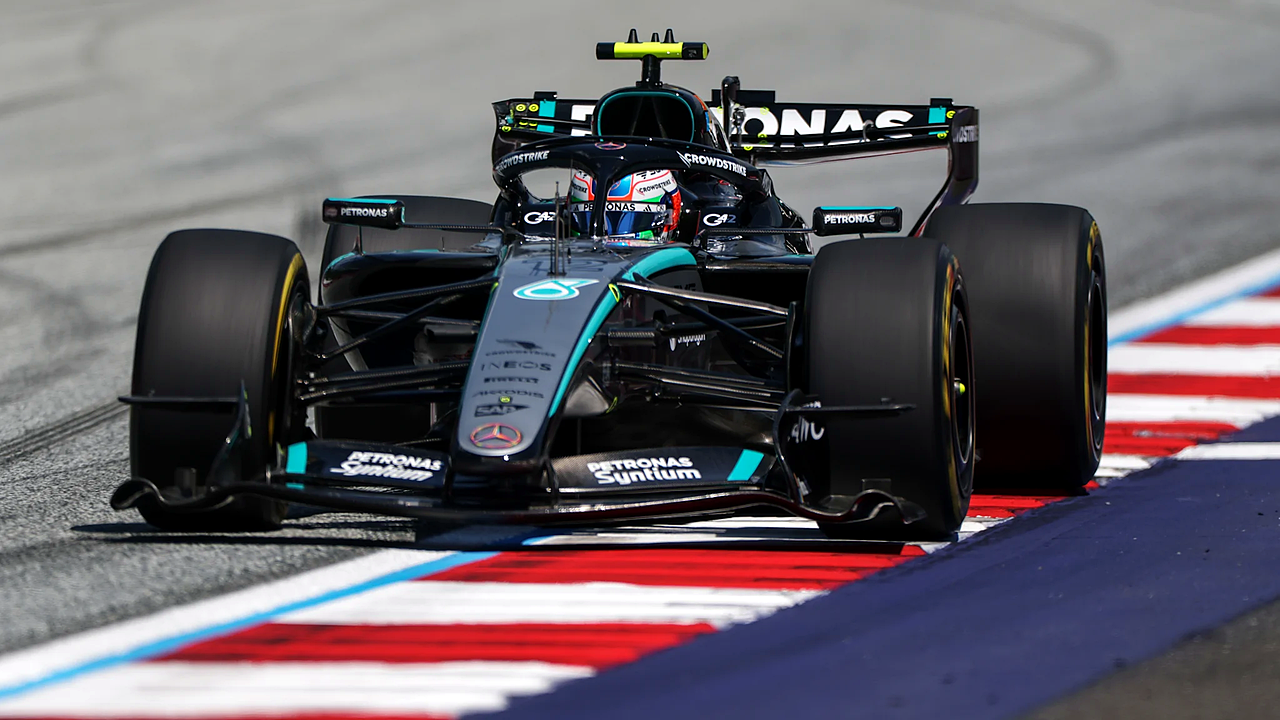
Σε έναν σύντομο γύρο στο Red Bull Ring, το πρακτικό ζήτημα είναι ξεκάθαρο: η δεύτερη θέση του Russell δίνει στη Mercedes ένα σημείο αναφοράς δύο αυτοκινήτων αντί για έναν μεμονωμένο γύρο. Η τελική φάση θα διαμορφωθεί από αυτήν την προϋπόθεση: Η Mercedes φεύγει από το FP1 με ενθάρρυνση, αλλά όχι με την απόδειξη ότι ο ρυθμός της Κυριακής έχει λυθεί. Ένα δεύτερο σημείο έχει σημασία για τον ρυθμό του FP2 μακροπρόθεσμα: Ο Piastri τοποθέτησε τη McLaren μέσα στην πρώτη τριάδα και διατήρησε τη σύγκριση κοντά. Αυτό διατηρεί τον ευρύτερο πίνακα συνδεδεμένο με ό,τι συνέβη στις καθοριστικές στιγμές για τον ρυθμό του FP2 μακροπρόθεσμα. Η Mercedes φεύγει από το FP1 με ενθάρρυνση, αλλά όχι με την απόδειξη ότι ο ρυθμός της Κυριακής έχει λυθεί.
Η οθόνη χρονισμού έχει σημασία επειδή: Η McLaren θα κρίνει το χάσμα μέσω μακροπρόθεσμων δεδομένων όσο και μέσω της οθόνης χρονισμού του πρωταγωνιστή. Το πιο ξεκάθαρο τεστ βρίσκεται στην επόμενη λεπτομέρεια: Το πιο σημαντικό ερώτημα είναι αν η ισορροπία αντέχει σε θερμότερες συνθήκες πίστας και βαρύτερο καύσιμο. Ένα δεύτερο σημείο έχει σημασία για το FP1 της Αυστρίας: Ο σύντομος γύρος του Red Bull Ring κάνει τα μικρά κενά πιο σημαντικά από ό,τι φαίνονται. Αυτό κρατά την επόμενη φάση συνδεδεμένη με στοιχεία και όχι με θόρυβο για το FP1 της Αυστρίας. Το πιο σημαντικό ερώτημα είναι αν η ισορροπία αντέχει σε θερμότερες συνθήκες πίστας και βαρύτερο καύσιμο.
Το ερώτημα για τη ρύθμιση έχει άμεση συνέπεια: Η κυκλοφορία μπορεί να παραμορφώσει το Red Bull Ring περισσότερο από τις μεγαλύτερες πίστες, επειδή είναι πιο δύσκολο να βρεθεί καθαρός αέρας. Η καλύτερη απάντηση θα βασιζόταν σε αυτό το σημείο: Ο Antonelli σημείωσε τον ταχύτερο χρόνο στο FP1 στο Grand Prix της Αυστρίας. Ένα δεύτερο σημείο έχει σημασία για τον Kimi Antonelli: Η Mercedes χρειαζόταν μια καθαρή Παρασκευή, αφού η Barcelona αύξησε την πίεση στο πακέτο της. Αυτή είναι η διαφορά μεταξύ ενός χρήσιμου σήματος και μιας χαλαρής μέτρησης της ορμής για τον Kimi Antonelli. Ο Antonelli σημείωσε τον ταχύτερο χρόνο στο FP1 στο Grand Prix της Αυστρίας.
Η ανταγωνιστική αξία βρίσκεται στη λεπτομέρεια: Ο πρώτος τομέας ανταμείβει την πρόσφυση και την αυτοπεποίθηση στο φρενάρισμα. Η επιλογή μεταξύ πάγκου και pit wall γίνεται πιο έντονη μετά από αυτή τη λεπτομέρεια: Ο Russell ολοκλήρωσε ένα one-2 της Mercedes στην πρώτη περίοδο. Ένα δεύτερο σημείο έχει σημασία για το one-2 της Mercedes: Το αποτέλεσμα της πρώτης περιόδου δεν καθορίζει το Σαββατοκύριακο, αλλά θέτει τη βάση για τις επιλογές ελαστικών και ισορροπίας. Αυτό δίνει στην επόμενη φάση ένα πρακτικό μέτρο αντί για μια αόριστη αίσθηση για το one-2 της Mercedes. Ο Russell ολοκλήρωσε ένα one-2 της Mercedes στην πρώτη περίοδο.
Το σχέδιο για την επόμενη διαδρομή πρέπει να απαντήσει σε ένα πράγμα: Ο τελευταίος τομέας μπορεί να τιμωρήσει ένα αυτοκίνητο που γλιστράει πολύ στις γρήγορες αλλαγές κατεύθυνσης. Ο πίνακας δίνει επιπλέον βάρος σε αυτό το γεγονός: Ο Piastri τοποθέτησε τη McLaren μέσα στις τρεις πρώτες θέσεις και διατήρησε τη σύγκριση κοντά. Ένα δεύτερο σημείο έχει σημασία για τον ρυθμό μακροπρόθεσμα στο FP2: Ο ρυθμός του Antonelli έχει σημασία επειδή η εικόνα του τίτλου περιέχει ήδη πίεση γύρω από κάθε διαδρομή της Παρασκευής. Αυτό είναι το μέρος για το οποίο οι αντίπαλοι μπορούν να προετοιμαστούν και οι προπονητές μπορούν να διορθώσουν τον ρυθμό μακροπρόθεσμα στο FP2. Ο Piastri τοποθέτησε τη McLaren μέσα στις τρεις πρώτες θέσεις και διατήρησε τη σύγκριση κοντά.
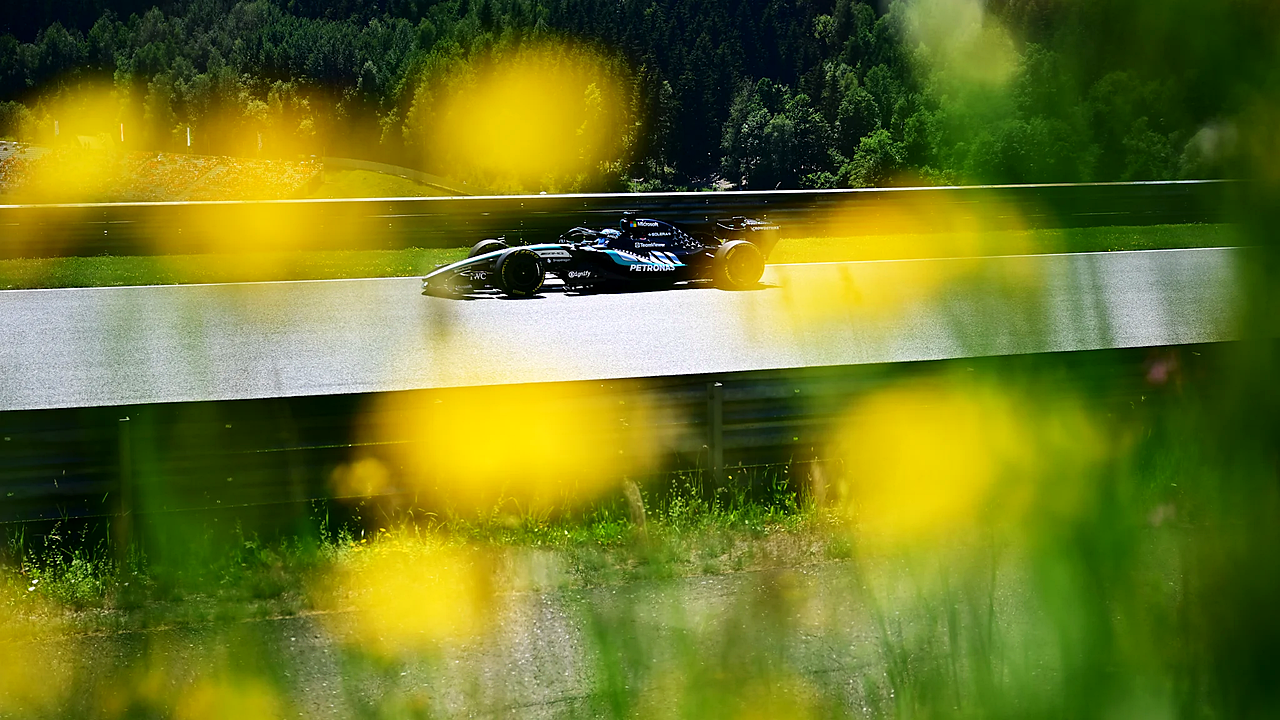
Η ερμηνεία του paddock παραμένει συγκεκριμένη: Η Mercedes φεύγει από το FP1 με ενθάρρυνση, αλλά όχι με την απόδειξη ότι ο ρυθμός της Κυριακής έχει λυθεί. Αυτό το επίπεδο ενισχύεται από ένα γεγονός: Ο σύντομος γύρος του Red Bull Ring κάνει τα μικρά κενά πιο σημαντικά από ό,τι φαίνονται. Ένα δεύτερο σημείο έχει σημασία για το FP1 της Αυστρίας: Η δεύτερη θέση του Russell δίνει στη Mercedes μια αναφορά δύο αυτοκινήτων αντί για έναν μεμονωμένο γύρο. Αυτό κάνει την επόμενη αξιολόγηση να εξαρτάται από την επαναλαμβανόμενη λεπτομέρεια και όχι από τη φήμη του FP1 της Αυστρίας. Ο σύντομος γύρος του Red Bull Ring κάνει τα μικρά κενά πιο σημαντικά από ό,τι φαίνονται.
Σε έναν σύντομο γύρο στο Red Bull Ring, το πρακτικό ζήτημα είναι ξεκάθαρο: Το πιο σημαντικό ερώτημα είναι αν η ισορροπία θα επιβιώσει σε θερμότερες συνθήκες πίστας και βαρύτερα καύσιμα. Το ίδιο ζήτημα γίνεται πιο ξεκάθαρο μέσα από μια άλλη λεπτομέρεια: Η Mercedes χρειαζόταν μια καθαρή Παρασκευή αφού η Barcelona αύξησε την πίεση στο πακέτο της. Ένα δεύτερο σημείο έχει σημασία για τον Kimi Antonelli: Η McLaren θα κρίνει το χάσμα μέσω μακροπρόθεσμων δεδομένων όσο και μέσω της οθόνης χρονομέτρησης του πρωταθλήματος. Γι' αυτό το λόγο η προσοχή πρέπει να παραμείνει στον ίδιο τον αγώνα, όχι μόνο στον πρωταγωνιστικό αγώνα για τον Kimi Antonelli. Η Mercedes χρειαζόταν μια καθαρή Παρασκευή αφού η Barcelona αύξησε την πίεση στο πακέτο της.
Η οθόνη χρονομέτρησης έχει σημασία επειδή: Ο Antonelli σημείωσε τον ταχύτερο χρόνο στο FP1 στο Αυστριακό Grand Prix. Η πίεση είναι ορατή σε ένα απλό απόσπασμα: Το αποτέλεσμα της πρώτης δοκιμής δεν καθορίζει το Σαββατοκύριακο, αλλά θέτει τη βάση για τις επιλογές ελαστικών και ζυγοστάθμισης. Ένα δεύτερο σημείο έχει σημασία για το one-two της Mercedes: Η κυκλοφορία μπορεί να παραμορφώσει το Red Bull Ring περισσότερο από τις μεγαλύτερες πίστες, επειδή είναι πιο δύσκολο να βρεθεί καθαρός αέρας. Αυτό δίνει στο προσωπικό έναν πιο καθαρό τρόπο να κρίνει την πρόοδο υπό πίεση για το one-two της Mercedes. Το αποτέλεσμα της πρώτης δοκιμής δεν καθορίζει το Σαββατοκύριακο, αλλά θέτει τη βάση για τις επιλογές ελαστικών και ζυγοστάθμισης.
Το ερώτημα για τη ρύθμιση έχει άμεση συνέπεια: Ο Russell ολοκλήρωσε ένα 1-2 της Mercedes στην πρώτη περίοδο. Η πρακτική αξία αυξάνεται γύρω από αυτά τα στοιχεία: Ο ρυθμός του Antonelli έχει σημασία επειδή η εικόνα του τίτλου περιέχει ήδη πίεση σε κάθε αγώνα της Παρασκευής. Ένα δεύτερο σημείο έχει σημασία για τον ρυθμό μακροπρόθεσμα στο FP2: Ο πρώτος τομέας ανταμείβει την πρόσφυση και την αυτοπεποίθηση στο φρενάρισμα. Αυτό διατηρεί τον ευρύτερο πίνακα συνδεδεμένο με ό,τι συνέβη στις καθοριστικές στιγμές για τον ρυθμό μακροπρόθεσμα στο FP2. Ο ρυθμός του Antonelli έχει σημασία επειδή η εικόνα του τίτλου περιέχει ήδη πίεση σε κάθε αγώνα της Παρασκευής.
Στο πλαίσιο του "Ο Antonelli ηγείται του Mercedes One-Two καθώς το FP1 της Αυστρίας ξεκινά με μια δήλωση", ο ίδιος κύκλος ειδήσεων συνδέεται επίσης με το "Ο Antonelli παραμένει γρήγορος στο FP2 της Αυστρίας", καθώς η McLaren βρίσκεται σε δίλημμα και ο Piastri λέει ότι η McLaren είναι ένα βήμα πίσω από τον Antonelli μετά την παραγωγική Αυστρία την Παρασκευή.
Συμπέρασμα: Ο μακροπρόθεσμος ρυθμός στο FP2 παραμένει το πιο ξεκάθαρο μέτρο για την επόμενη φάση. Ο λόγος είναι σαφής: το πιο σημαντικό ερώτημα είναι αν η ισορροπία θα επιβιώσει σε θερμότερες συνθήκες πίστας και βαρύτερα καύσιμα.


Χωρίς σχόλια