
Goodwood brought current Formula 1 teams, historic cars and young drivers in front of a different crowd. The event is not a race weekend, but it still tells teams something useful about image, preparation and public trust.
The hill is a stage, not a timing screen
Goodwood can tempt people to read too much into every run. A Formula 1 car on the hill looks dramatic, but the conditions are not built for a normal performance comparison. The route is short, the tyres are not used like they are at a Grand Prix, and the target is partly show. That does not make the event useless. It only changes what should be measured.
The useful measure is how a team presents itself when the stopwatch is not the centre. Does the car run cleanly? Do the drivers look relaxed in front of fans? Does the team explain its plan in a simple way? Those details matter because modern Formula 1 is not only about Sunday pace. It is also about whether people trust the project when they see it up close.
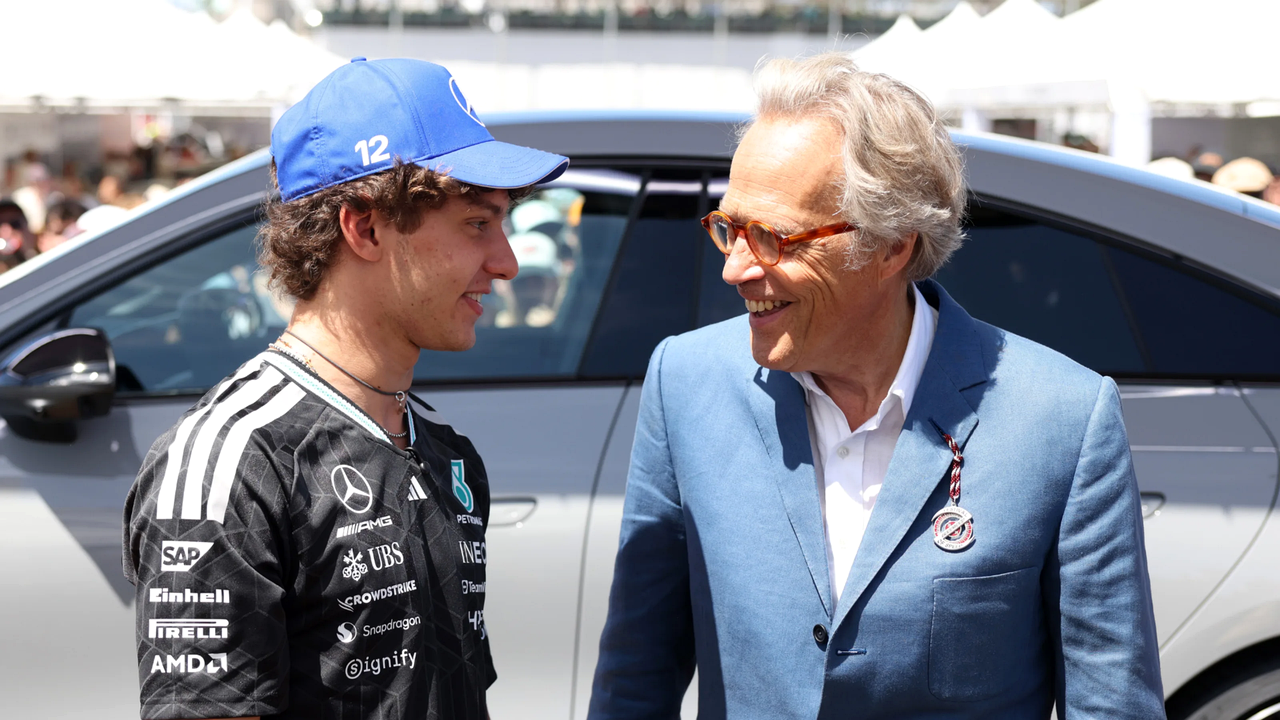
A strong Goodwood appearance will not fix a slow car. It can still make a team feel alive to supporters, sponsors and young fans who may never stand inside a paddock.
The best teams understand that limit. They do not sell a hill run as hidden proof. They use it to show care, discipline and a working car in front of people who want to feel close to the sport.
Young drivers get a different pressure
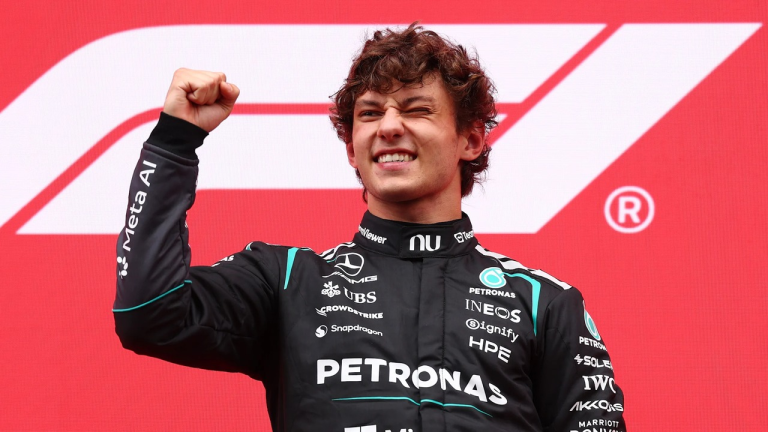
For young drivers, Goodwood gives a type of pressure that a simulator cannot copy. The run is not a race, yet the crowd is close and every mistake can become a clip within minutes. A driver has to respect the car, give the fans a show and avoid treating the hill like a private practice road.
That balance is valuable. A young driver who can stay calm in a public run usually understands the larger job around Formula 1. The sport asks drivers to perform, explain, smile, recover and represent a brand. Goodwood brings many of those tasks together in a small space.
Teams should watch more than speed. They should watch how the driver prepares, how he listens to engineers and how he handles the moments before and after the run. Those small signs can reveal maturity.
A tidy run also protects confidence. It lets a young driver leave with a clean memory instead of a messy lesson in front of a large crowd.
| Goodwood area | Main point |
|---|---|
| Event type | Goodwood is a public stage more than a performance test. |
| Useful signal | Teams can judge preparation, communication and driver maturity. |
| Main caution | A hill run should not be treated like a Grand Prix pace verdict. |
Historic cars help explain the present
The presence of older Formula 1 cars is not only nostalgia. It helps explain the current sport by showing how far the machinery has moved. Fans can hear different engines, see different shapes and understand why modern cars demand so much control from the driver and the team.
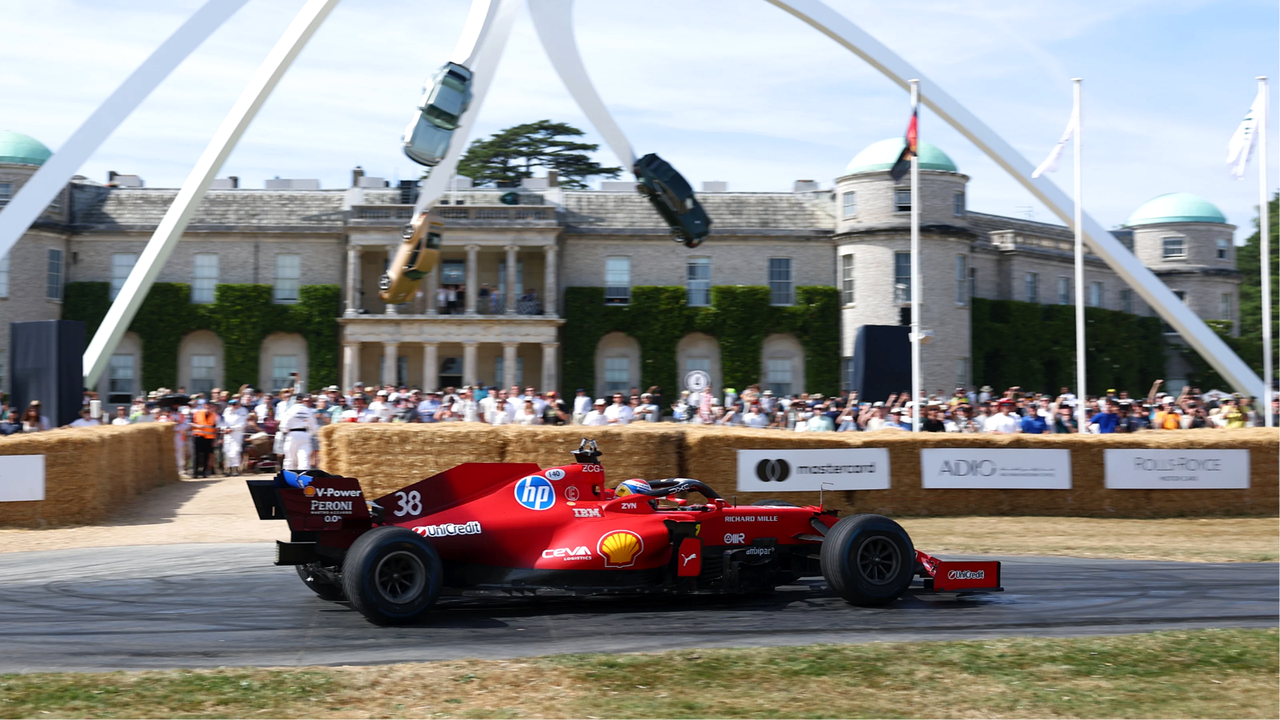
That contrast is useful for newer followers. A modern car can look too technical from a distance. A historic car makes the development path easier to feel. It shows that Formula 1 has always changed, and that each era had its own answer to speed, risk and spectacle.
Teams can use that history without becoming trapped by it. The best message is not that the past was better. The present is part of a long chain. The next version of the sport will also be judged by how clearly it connects to people.
Sponsors and fans read body language
At a Grand Prix, a team’s image is often filtered through lap time. At Goodwood, body language becomes louder. A driver stopping for fans, a mechanic checking a car calmly and a team principal speaking in plain words can all shape how the public reads the operation. This is softer than race pace, but it is not fake.
Sponsors pay attention to those signals because they show whether a team can carry a brand well. Fans notice them because they want to feel that the people behind the car are reachable. A polished appearance does not need to be artificial. It needs to be organized, open and confident.
That makes Goodwood a useful rehearsal for communication. The teams that explain themselves simply here are often the teams that sound clearer when a hard racing question arrives later.
The risk is forced meaning
The only real danger is forcing too much sporting meaning onto a public event. A clean Goodwood run should not become proof that a car is suddenly fixed. A small problem should not become proof that a project is falling apart. The event sits between entertainment and technical work, and the analysis should respect that middle ground.
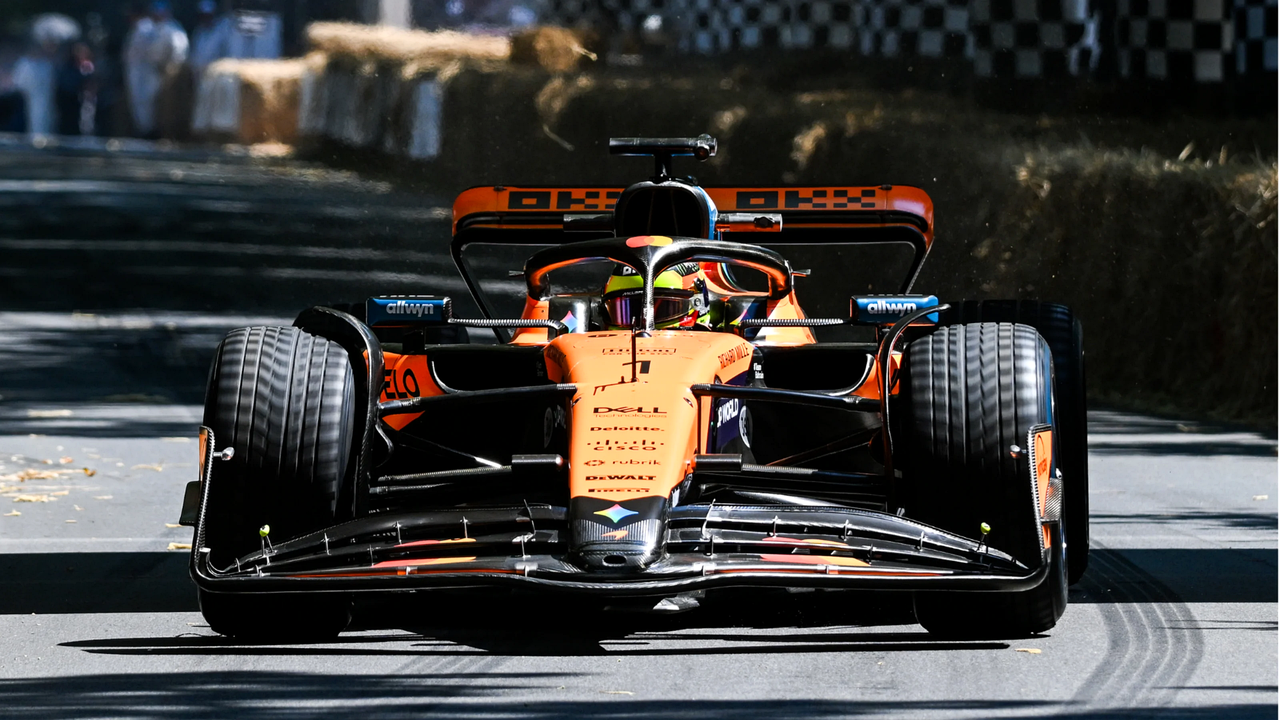
A fair view keeps the words modest. The team looked prepared. The driver handled the car well. The public reaction was strong. Those are useful signs. They are different from saying the car will be faster at the next Grand Prix.
This distinction keeps the verdict honest. Goodwood gives atmosphere and useful signals. It does not give a full competitive result.
The best value comes after the weekend
The event’s value can continue after the cars leave the hill. Teams can reuse the footage, speak to fans who discovered them there and give young drivers a public memory that helps their confidence. A good Goodwood weekend can become content, learning and relationship work at the same time.
The follow-up should be practical. Use the clean images, keep the message simple and avoid pretending the hill was a secret test. If a team keeps that tone, the event can strengthen its public voice without creating false expectations.
That is why Goodwood remains useful for Formula 1. It brings the sport closer to people, but it also reminds teams that presentation needs discipline. A fast car wins races. A clear public stage helps people care about the race before it begins.
The value is public trust
Goodwood worked best when Formula 1 treated it as a public stage, not a secret race weekend. Clean running, careful driving and simple words gave fans something useful without asking the event to prove pace.
That is enough for this setting. A team can leave with better trust if the car runs well and the message stays modest.
A public run still teaches discipline
Goodwood also tests how carefully a team treats a non-racing day. The car still has to be prepared, the driver still has to respect the crowd and the message still has to stay honest.
That kind of discipline is useful because Formula 1 teams live in public all season. A clean appearance away from the timing screen can support trust without pretending to be a technical breakthrough.

No Comments