
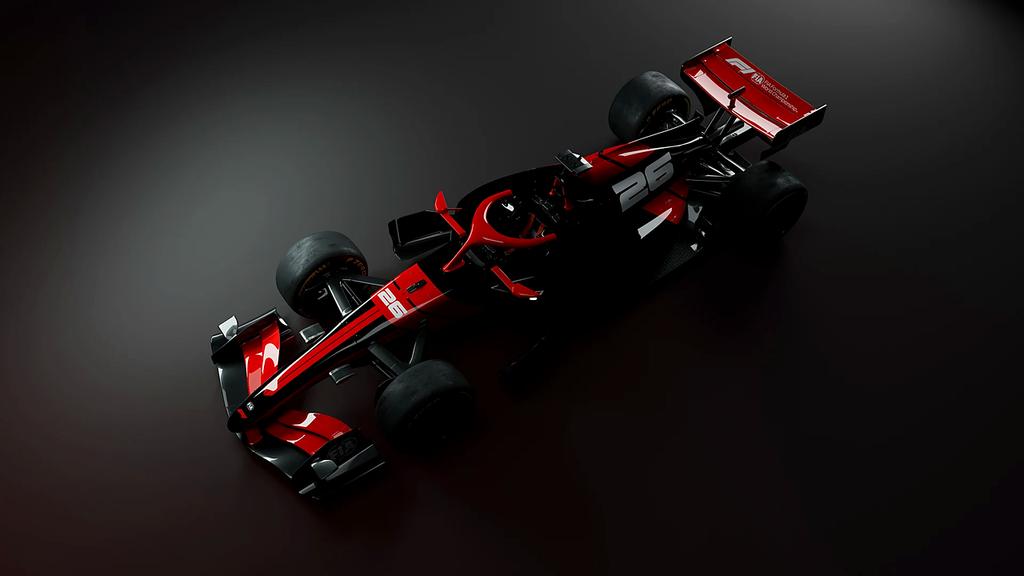
Formula 1’s beginner guide to the 2026 regulations gives fans a clearer way to understand why the next rules era is not only about a new-looking car.
The change matters because the 2026 package links chassis, aerodynamics, power units, energy deployment and racing style inside one reset.
What the update actually changes
The opening fact is direct: formula 1 has framed the 2026 regulations as a full technical reset rather than a small update. It is not a loose talking point; That makes the topic useful before the first launch season begins, and it changes how the next result will be judged.
The broader reading is about the 2026 rules package becoming understandable as a checklist instead of a wall of technical language. The cars are expected to be lighter and shaped around revised aerodynamic concepts. That puts the update inside a live competitive argument instead of leaving it as a record-book note.
Where the pressure appears
Active aerodynamic behaviour will change how straights and corners are managed. The consequence is practical: the car will not simply be smaller for visual reasons. The team, driver or event involved now has to prove that the same detail can survive a less friendly weekend.
The power unit package places greater emphasis on electrical energy deployment. That is where lighter cars, active aerodynamics, energy deployment and the relationship between chassis concept and power unit behaviour become more important than the headline itself.
Drivers will have to adapt braking, overtaking and energy timing together. Energy use will be a racing decision, not only an engineering note. The useful question is not whether the update sounds impressive, but whether it gives the next session or match a clearer shape.
Key details
| Area | Detail |
|---|---|
| Rules era | Formula 1 2026 |
| Main change | car concept, aero and power unit reset together |
| Driver effect | energy use and overtaking timing become more connected |
| Next check | first team launch interpretations |
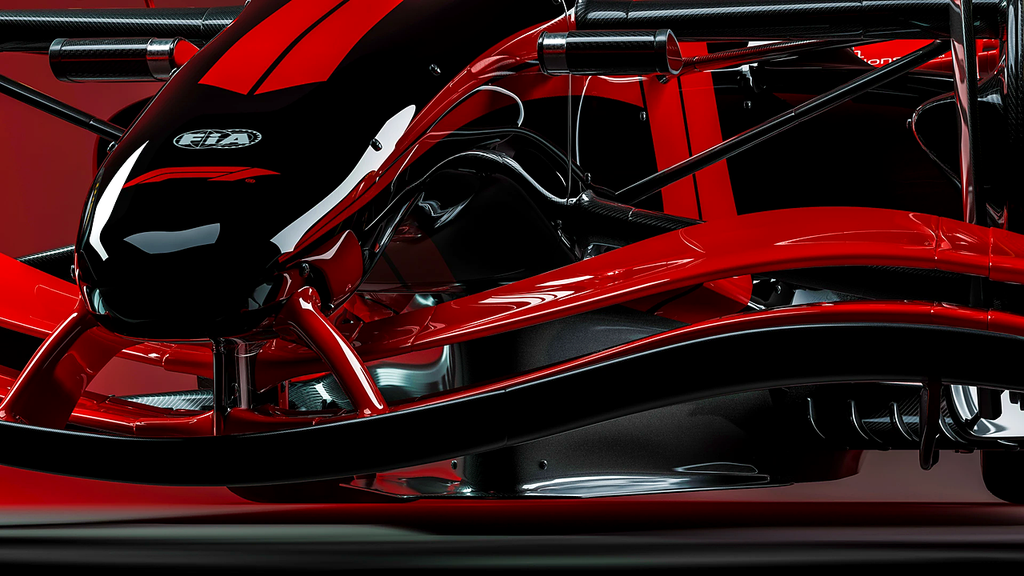
Why the detail matters beyond the headline
Teams need development paths that connect car concept and engine behaviour earlier. A disconnected concept could lose time before the first race weekend. That detail is the bridge between what has already happened and what the paddock or fan base will measure next.
Fans will judge the rules by whether racing becomes easier to follow and more competitive. Technical success still has to become a better Sunday product. A single event can start the discussion, but repeatability decides whether the story becomes part of the season’s direction.
The next major checkpoint is how teams present their first real 2026 designs. Only real cars will show which interpretation is strongest. It also explains why the next checkpoint cannot be treated as routine.
The most important part of the 2026 guide is that it turns a complicated rules package into a sequence of practical questions.
For fans, the first question is weight and size. A lighter car should change how responsive the machine feels, but it will only matter if teams can place that responsiveness inside a stable platform.
The second question is aero behaviour. Active elements can make the car quicker on a straight while still demanding enough downforce in the corners. That balance will decide how drivers attack and defend.
The third question is energy. A bigger electrical role means racecraft will include deployment choices that look simple on television but are planned through deep simulation.
The hardest part is integration. A team can understand one piece of the rules and still lose if the chassis, aero map and power unit do not support each other.
That is why the 2026 story already matters. The regulation guide is not a distant explainer; it is the first public checklist for the next competitive order.

Active aerodynamics will also change what viewers should watch on the onboard. The car’s configuration on a straight will be connected to efficiency, while the corner phase still demands a stable platform. A driver who reaches the braking zone with the wrong energy or aero sequence may lose more than a conventional setup compromise would cost.
The electrical side creates another visible race variable. Teams must decide when stored energy is worth spending, when it should be recovered and how the deployment profile supports an overtake without weakening the following lap. That makes the 2026 rules a race-engineering challenge as much as a design contest.
The first tests should therefore be read through repeatable behaviour, not headline lap time. Long runs will reveal whether active aero transitions stay stable, while speed traces can show how aggressively each team spends electrical energy. Reliability and driver confidence will matter before the raw ranking becomes trustworthy.
The regulations also change how teams must plan development through a season. A concept that begins with weak energy recovery or unstable aero transitions may not be repaired by one conventional floor update, because the systems influence each other. Early correlation between simulator, power-unit data and track behaviour will therefore decide how quickly a team can turn its first design into a dependable race car.
The next proof point
The cleanest thing to watch is the first public designs, because the drawings will reveal which teams have understood the reset fastest. If that part holds, the update becomes evidence; if it fades, the story will be remembered as a short burst of momentum.
For readers, the useful frame is simple: keep the named result in view, then follow the next technical or competitive reaction. That is where the real value of the news sits.
The 2026 regulations will be judged on track, but the framework is already clear. Teams are preparing for a rules era where no single detail can be treated in isolation.
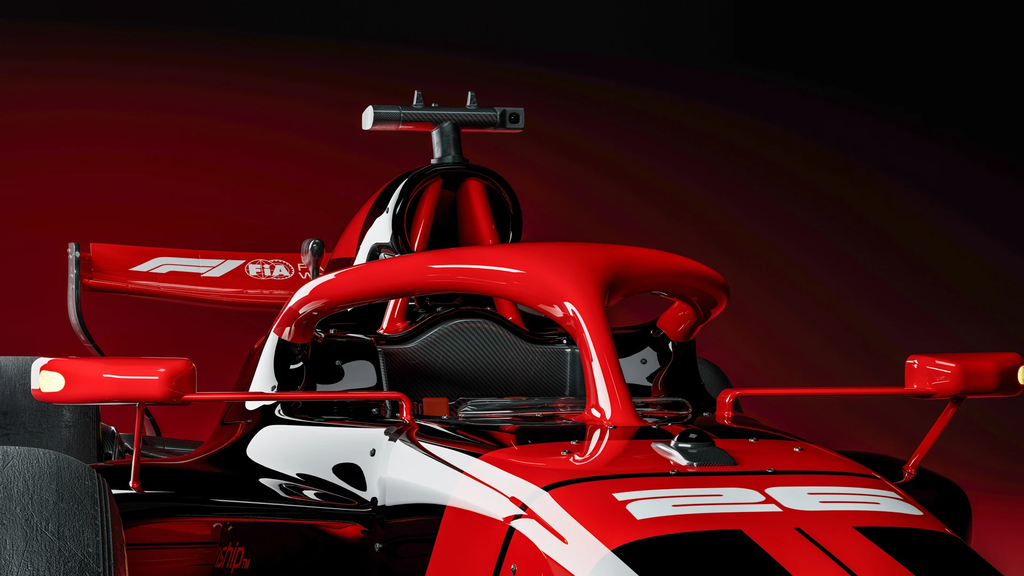
The next useful measurement is lighter cars, active aerodynamics, energy deployment and the relationship between chassis concept and power unit behaviour. That area will decide whether the headline turns into a pattern, because every following run gives teams and rivals more evidence to test.
What makes the update worth following is the gap between the public headline and the working detail behind it. The headline names the moment; the working detail decides whether the moment has competitive life.
Another part of the story sits inside lighter cars, active aerodynamics, energy deployment and the relationship between chassis concept and power unit behaviour. If that element improves, the same news begins to look like the start of a trend rather than a single strong day.
The season will not remember the announcement alone. It will remember whether the people involved can repeat the same standard when the track, opponent or format becomes less comfortable.
The pressure is also psychological. Once a result or rule change receives this much attention, the next mistake is judged faster and the next clean response carries more value.
That is why the follow-up should be read through execution. A clean next step would give the original story stronger roots; a messy one would make it feel temporary.
There is also a strategic layer attached to lighter cars, active aerodynamics, energy deployment and the relationship between chassis concept and power unit behaviour. Teams can talk around a story for only so long before timing, preparation and decision-making reveal the real level.
For fans, the best way to read the situation is to ignore the noise for one session and watch the measurable details. Those details usually explain whether the reaction is justified.
The useful comparison is not with the loudest headline from the same week. It is with the next moment where the same weakness or strength appears under pressure.

No Comments