
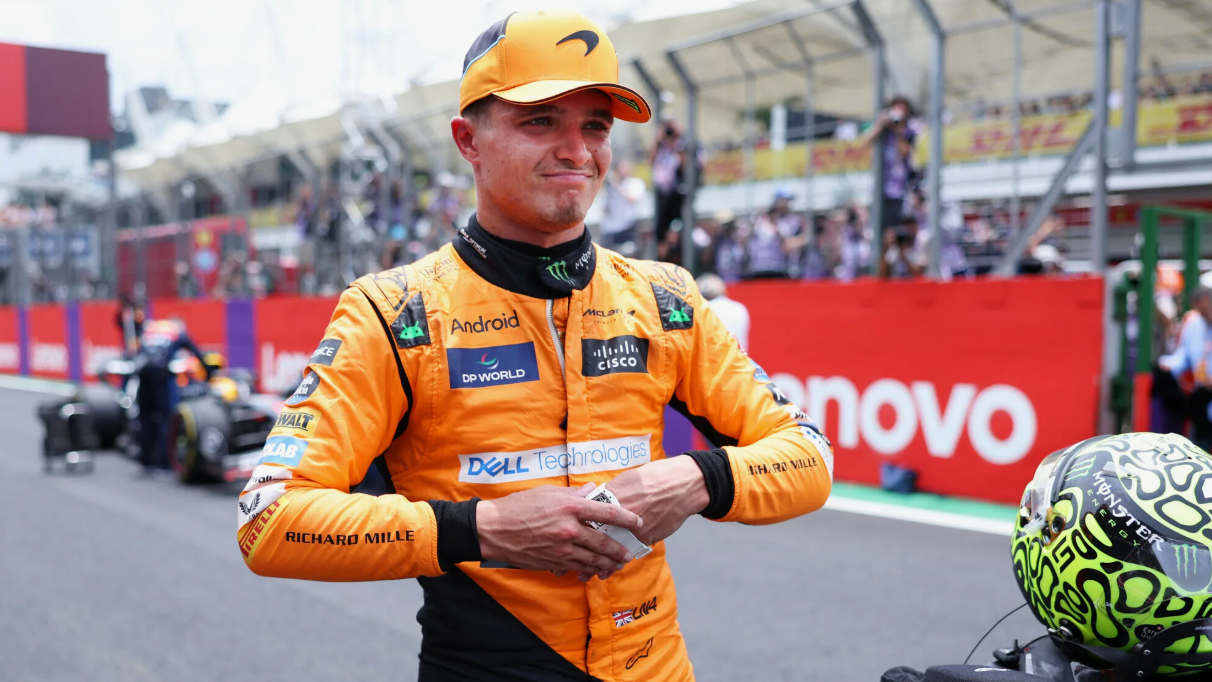
McLaren has commented on one of the most discussed strategic decisions of the race — a late pit stop for Lando Norris that may have influenced the final result. The move raised questions about whether the British driver could have secured victory with a different approach.
The Crucial Turning Point
In the closing stages of the race, Norris was in a strong position, fighting near the front. The team decided to bring him into the pits late, aiming to gain a performance advantage.
- Strong track position before the stop
- Competitive pace throughout the race
- Limited laps remaining after the pit stop
- High importance of track position
This decision became a defining moment in the race outcome.
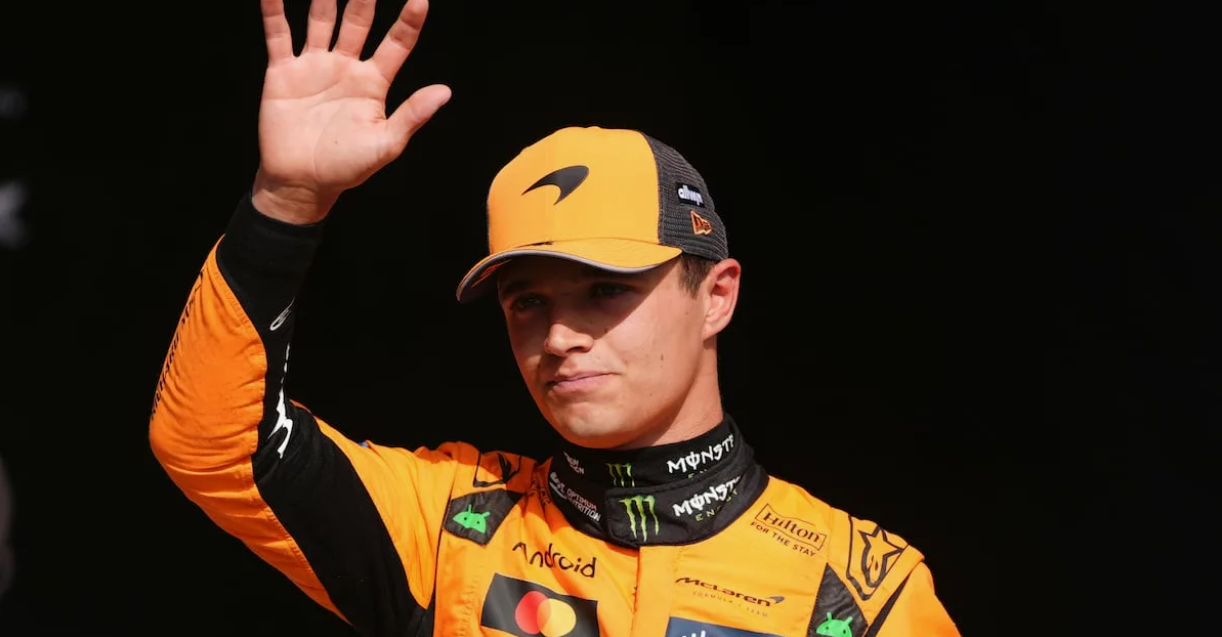
McLaren’s Strategic Logic
The team based its call on real-time data and predictive models. The expectation was that fresh tires would allow Norris to push harder and regain positions.
- Projected tire degradation
- Potential lap time improvement
- Defensive risk without pitting
- Simulation-based decision making
While the reasoning was sound, the race conditions did not fully favor the strategy.
Challenges After the Pit Stop
Once Norris rejoined the track, several issues limited the effectiveness of the strategy.
- Time lost in the pit lane
- Rejoining in traffic
- Rivals maintaining strong pace
- Insufficient time to recover positions
These factors made it difficult to capitalize on the fresh tires.
Strategy Breakdown
| Element | Planned Benefit | Outcome |
|---|---|---|
| Late Pit Stop | Faster final stint | Lost track position |
| New Tires | Better grip and pace | Limited advantage |
| Race Strategy | Overtake competitors | Not enough laps |
| Track Position | Temporary setback | Difficult recovery |

Alternative Scenario
Some experts believe that staying on track without an additional pit stop could have improved Norris’s chances.
- Maintain leading position
- Defend against rivals
- Control race pace
- Reduce risk of losing time
However, such decisions are always made under pressure and with incomplete information.
Final Thoughts from McLaren
McLaren admitted that while the strategy was logical based on available data, the final result suggests it may not have been ideal. Still, the team emphasized that risk is an inherent part of racing.
Conclusion
The late pit stop highlights how critical strategy is in Formula 1. Even well-calculated decisions can lead to unexpected outcomes. In a sport where margins are minimal, timing and execution often determine the difference between victory and disappointment.


No Comments